 Appointment Lookup
 646-440-2692
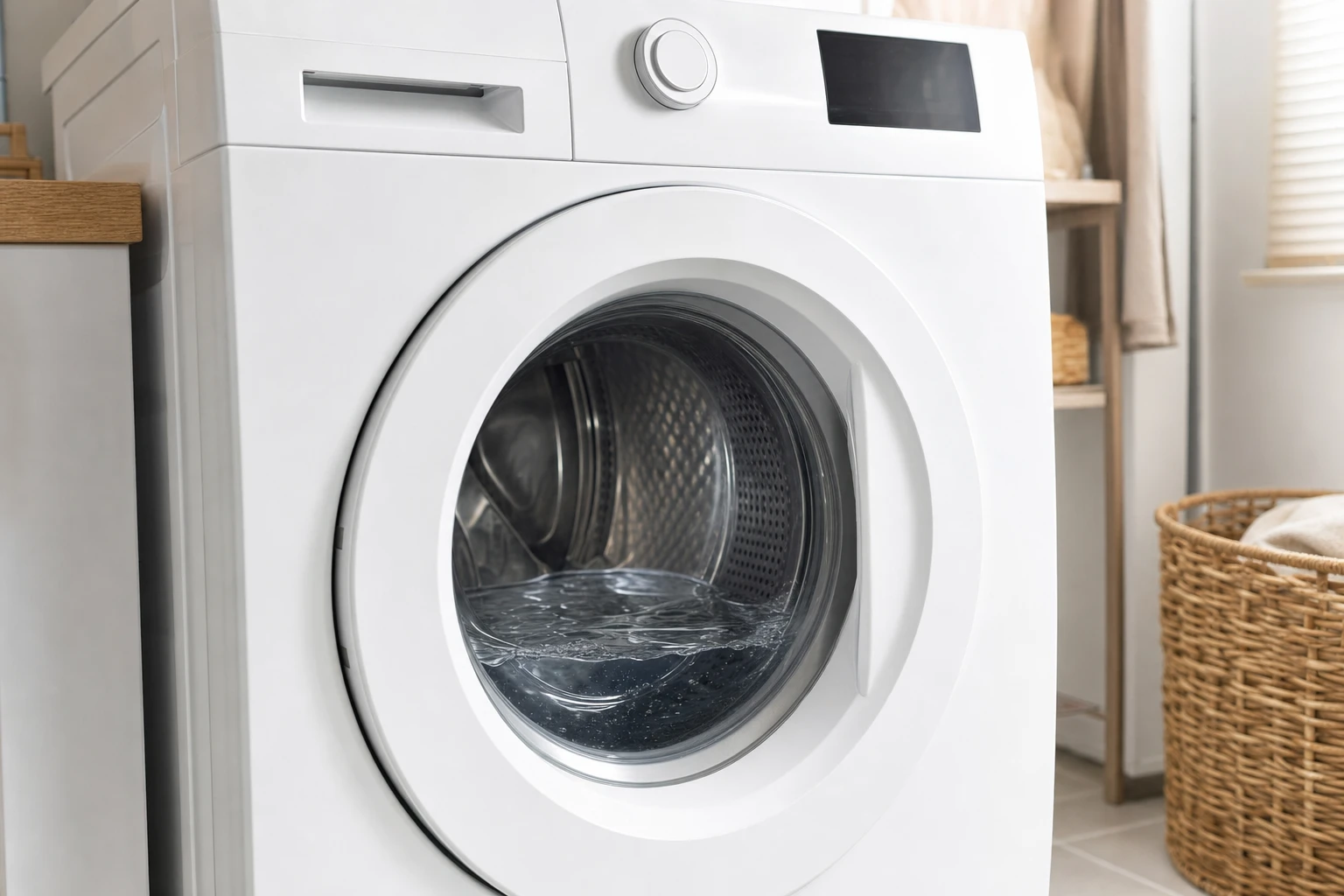
LG washer not draining? Learn the top causes—clogged drain pump filter, kinked hose, bad pump—and when to call a pro for fast repair.
The most common reasons your washer is noisy are a damaged suspension rod, malfunctioning electronic control board or a broken motor.
68% of the time it's the Suspension Rod
12% of the time it's the Electronic Control Board
9% of the time it's the Motor
11% of the time it's the Something else
We can help! Our service technicians have repaired over 25M washers. We can fix yours no matter where you bought it.
Loading scheduler options...
Replacing one of these washer parts may fix your problem.
If the suspension rod in the washer is broken, damaged, or worn, the wash tub will shake excessively and might loudly hit the sides of the washer cabinet because the suspension rod can't support or steady the tub anymore. This can also cause damage to other parts of the washer. If you suspect a problem with the rod, have a Sears Home Services technician check the washer and replace the rod if necessary.
A noisy washer during operation may indicate a malfunctioning electronic control board. This is because the board affects crucial components such as the water valve, drive motor, drain pump, and cycles. A faulty board can cause one or several of these components to malfunction, causing unusual and unexpected sounds.
When a washer motor is defective, it may struggle to spin the basket or move the agitator, resulting in noises such as squealing or grinding. Additionally, you may notice erratic spinning or agitation, or find that the laundry isn't rinsed completely or remains soaking wet at the end of the cycle. Furthermore, the motor may overheat, leading to a burning odor or visible damage to the motor and surrounding areas.
Fixing most washer noise problems typically entails replacing the suspension rod, electronic control board, or motor. However, given the numerous potential causes, conducting a thorough diagnosis is essential for addressing the problem. An accurate diagnosis is crucial for determining the cost of the repair.
Many things can cause a washer makes noise problem. Avoid replacing unneeded parts by having a Sears Home Services technician perform diagnostic tests to identify the root cause of the problem. Our experts are experienced at diagnosing all types of washer failures.
Diagnosing appliances without the proper knowledge and training can prove challenging. Without employing the latest diagnostic techniques, addressing washer issues often involves replacing parts without a clear understanding of the underlying problem. Today's appliances boast advanced technology, with many models featuring electronic components that pose challenges during testing, making DIY repairs increasingly difficult.
A noisy washer might have unbalanced loads, worn bearings, or jammed parts creating racket. Letting it clatter can worsen any internal damage. Rather than ignoring the din, book washer maintenance near me. Smooth, quiet spinning protects both fabrics and machine longevity.
With more than 500k 5-Star Reviews, you don't have to take our word for it
Thanks
Thanks for your expert analysis of the problem that caused the flooding of my home .I was scared the first few times I used the machine , but all is working great.

Frank U, Coconut Creek, FL
Excellent service.
Pleasant person to work with. He explains things to you.
Jacklyn J, Bessemer, AL
Very Professional
Very professional, thoughtful and knowledgeable I would highly recommend him.
Marilyn W, Covington, LA
LG washer not draining? Learn the top causes—clogged drain pump filter, kinked hose, bad pump—and when to call a pro for fast repair.
Washer not working? Learn the most common reasons your washing machine won't start, fill, spin, or drain—plus when to DIY and when to call a pro.
Learn how to repair a Kenmore washer with step-by-step fixes for common issues like leaks, no spin, and error codes. DIY tips plus when to call a pro.

Discover top load washer troubleshooting tips for common issues like water leaks, excessive vibrations, failure to fill with water, detergent residue, and startup problems.
The drum is the core part of the washer that holds your laundry and enables the cleaning process through rotation, agitation, and rinsing.
Hard water is water that contains high levels of dissolved minerals, particularly calcium and magnesium. It contrasts with soft water, which has lower concentrations of these minerals.
A washing machine pedestal is a platform that raises the washer off the ground, providing easier access to the appliances and often includes additional storage space such as drawers.
A washer tub is the interior part of a washing machine where clothes are placed for washing, typically made of stainless steel, plastic, or porcelain-coated metal, designed to hold water and withstand the agitation or spinning during the wash cycle.