 Appointment Lookup
 213-596-2538
Washer not working? Learn the most common reasons your washing machine won't start, fill, spin, or drain—plus when to DIY and when to call a pro.

When a washing machine fails, it disrupts more than just your laundry routine; it affects the daily rhythm of home life, challenging the balance of cleanliness and comfort we often take for granted. Choosing a replacement goes beyond finding a model that simply fits the designated space in your home. It requires careful consideration of several key factors including the machine's type, capacity, spin speed, energy efficiency, and noise level. Navigating the complex world of washing machines and dryers to find a suitable replacement can seem daunting. However, understanding these essential aspects will equip you with the necessary tools to make a well-informed decision, ensuring your next washing machine meets your household's needs and lifestyle seamlessly.
KEY TAKEAWAYS
Front-load vs. top-load? Spin speed? What to consider before purchasing a new washer.
There are seemingly endless options when it comes to clothes washers — front-loaders vs. top-loaders, energy-efficient products, even designer washers in a variety of colors. It can be hard to know which washing machine is right for your home and lifestyle. If you're curious about other washing options, you might be wondering, how do all-in-one washer dryers work, as they combine both washing and drying functions in a single appliance.
Here are five things to consider when you’re buying a new washing machine.
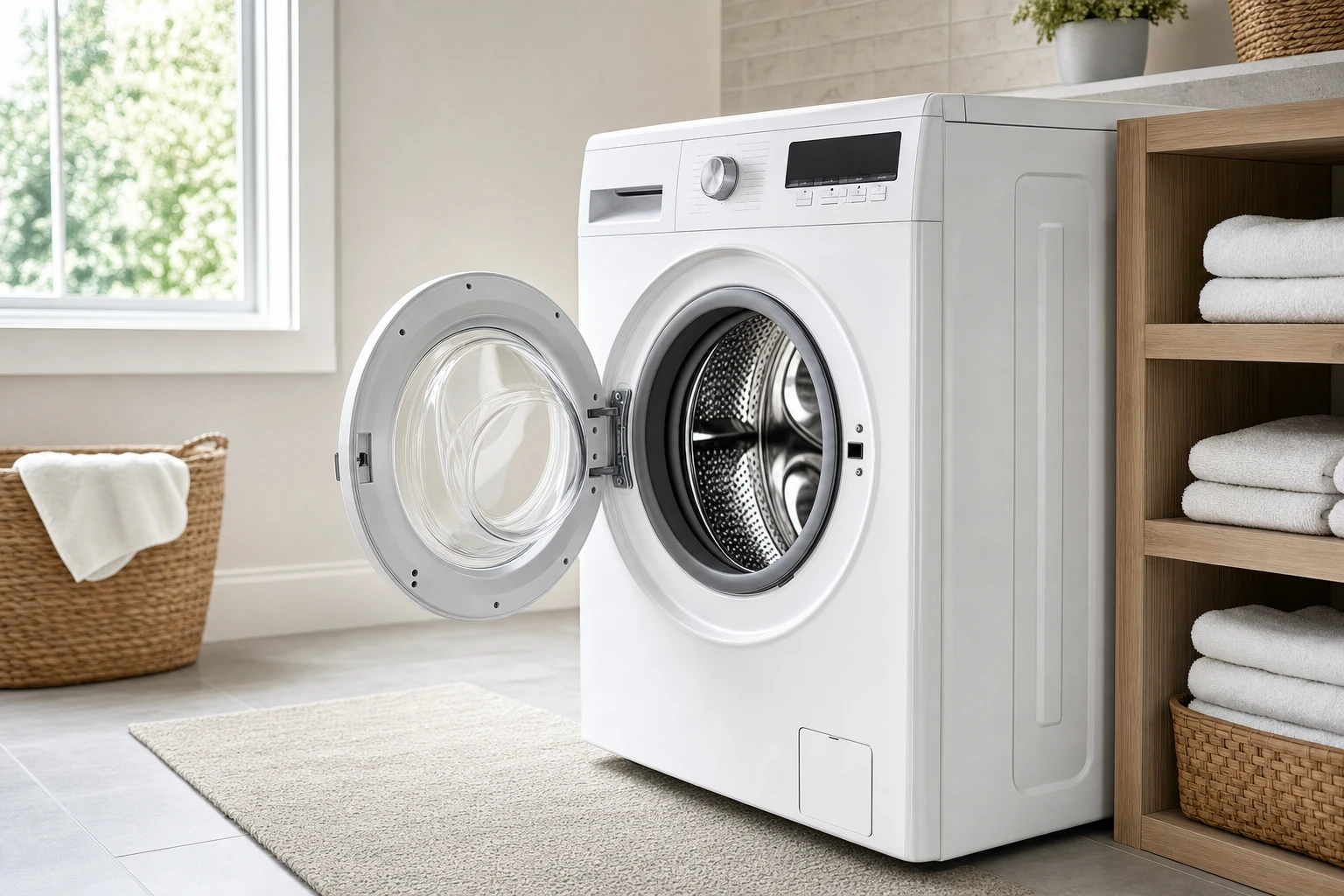
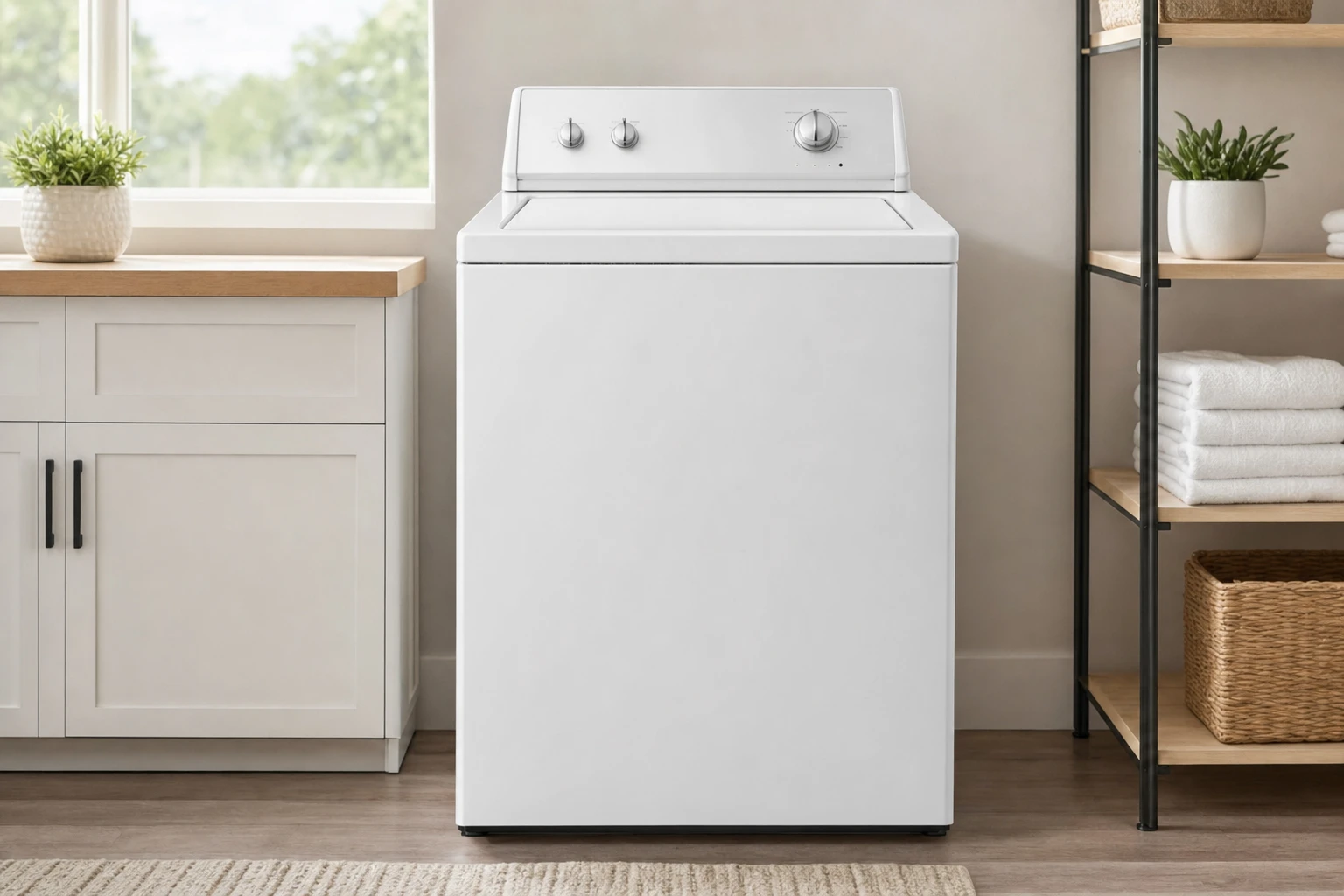
One of the initial considerations when shopping for a new washing machine is deciding between a front load and a top load model. Each style boasts its advantages and drawbacks. Front-load washers, known for their efficiency in water and detergent usage, also tend to treat your clothes more gently. Though they might come with a higher price tag and could demand more in terms of maintenance. Conversely, top-load washers generally offer affordability and ease of use, featuring quicker wash cycles. However, they might not hit the mark if energy efficiency tops your priority list.
Pondering the capacity you require is another vital question in the quest for a new washing machine. Capacity refers to how much laundry the machine can handle in one go. Consider the size of your household and your typical laundry load. Larger families or those with a hefty laundry routine might find washer/dryer combos too small, and would benefit more from a machine with a greater capacity.
The spin speed of a washing machine, measured in revolutions per minute (RPM), plays a pivotal role in how damp your clothes are post-wash, influencing drying times. It's important to note that high spin speeds aren't suitable for all types of fabrics. Delicate items such as silk and wool are best washed at lower speeds, while heavier materials can endure higher speeds. A clear understanding of your laundry habits will assist you in selecting a washer with an appropriate spin speed.
The energy efficiency of a washing machine is an important consideration, impacting both your utility bills and your environmental footprint. Looking for machines that are known for being energy efficient, including those with features like load sensing and quick wash cycles, is beneficial. Front-loading machines typically use less water and energy than top-loading machines, and selecting an ENERGY STAR® certified model can offer additional savings.
Consider the noise level you can comfortably live with when purchasing a washer. The operational sound level of a machine can impact your daily life and the ambiance of your home. Seek out washing machines that boast noise-reducing features such as superior insulation and anti-vibration technologies. A quieter washer will not only make your laundry routine more enjoyable but also minimize disruption within your home.
By carefully considering these five essential questions, you're well on your way to making an informed decision. The perfect washing machine for you will fit not just your home but also your way of life and daily routines. Should you find yourself in need of repair or looking to maintain the performance of your washing machine over the years, remember that help is just a step away. Whether it's routine maintenance to keep your machine running smoothly or expert repair services to address unexpected issues, the skilled technicians at Sears Home Services are ready to assist. Reach out to Sears Home Services today for professional advice and support, and ensure your washing machine continues to meet your family's needs efficiently and reliably.
If your current washer’s performance is lagging—yet you’re hesitant to spend on a brand-new model—a washing machine repairman could help you buy more time. An expert assessment may reveal that an affordable fix is all you need while you weigh your next purchase carefully.
With years of experience, our technicians possess the skills to repair your washer, regardless of the issue.
Loading scheduler options...
Washer not working? Learn the most common reasons your washing machine won't start, fill, spin, or drain—plus when to DIY and when to call a pro.
Learn how to repair a Kenmore washer with step-by-step fixes for common issues like leaks, no spin, and error codes. DIY tips plus when to call a pro.

Discover top load washer troubleshooting tips for common issues like water leaks, excessive vibrations, failure to fill with water, detergent residue, and startup problems.

Overloading your washing machine can lead to various issues, including premature wear and tear on vital components such as drive parts, seals, and bearings.
The drum is the core part of the washer that holds your laundry and enables the cleaning process through rotation, agitation, and rinsing.
Hard water is water that contains high levels of dissolved minerals, particularly calcium and magnesium. It contrasts with soft water, which has lower concentrations of these minerals.
A washing machine pedestal is a platform that raises the washer off the ground, providing easier access to the appliances and often includes additional storage space such as drawers.
A washer tub is the interior part of a washing machine where clothes are placed for washing, typically made of stainless steel, plastic, or porcelain-coated metal, designed to hold water and withstand the agitation or spinning during the wash cycle.
The most common reasons your LG washer is leaking from bottom are a clogged water valve assembly, broken motor or a cracked drain hose.
The most common reasons your GE washer won't start cycle are a malfunctioning electronic control board, jammed door lock assembly or a faulty user interface.
The most common reasons your Whirlpool washer is not rinsing are a faulty lid switch, a bad water-level pressure switch, or a defective timer.
The most common reasons your GE washer is not filling are a clogged water valve assembly, malfunctioning electronic control board or a bad water level pressure switch.
The most common reasons your Samsung washer top load is not filling with water are a clogged water valve, a malfunctioning PCB, or a cracked hose.
The most common reasons your Samsung washer is noisy are a damaged suspension rod, malfunctioning electronic control board or a broken motor.