 Appointment Lookup
 802-613-1926


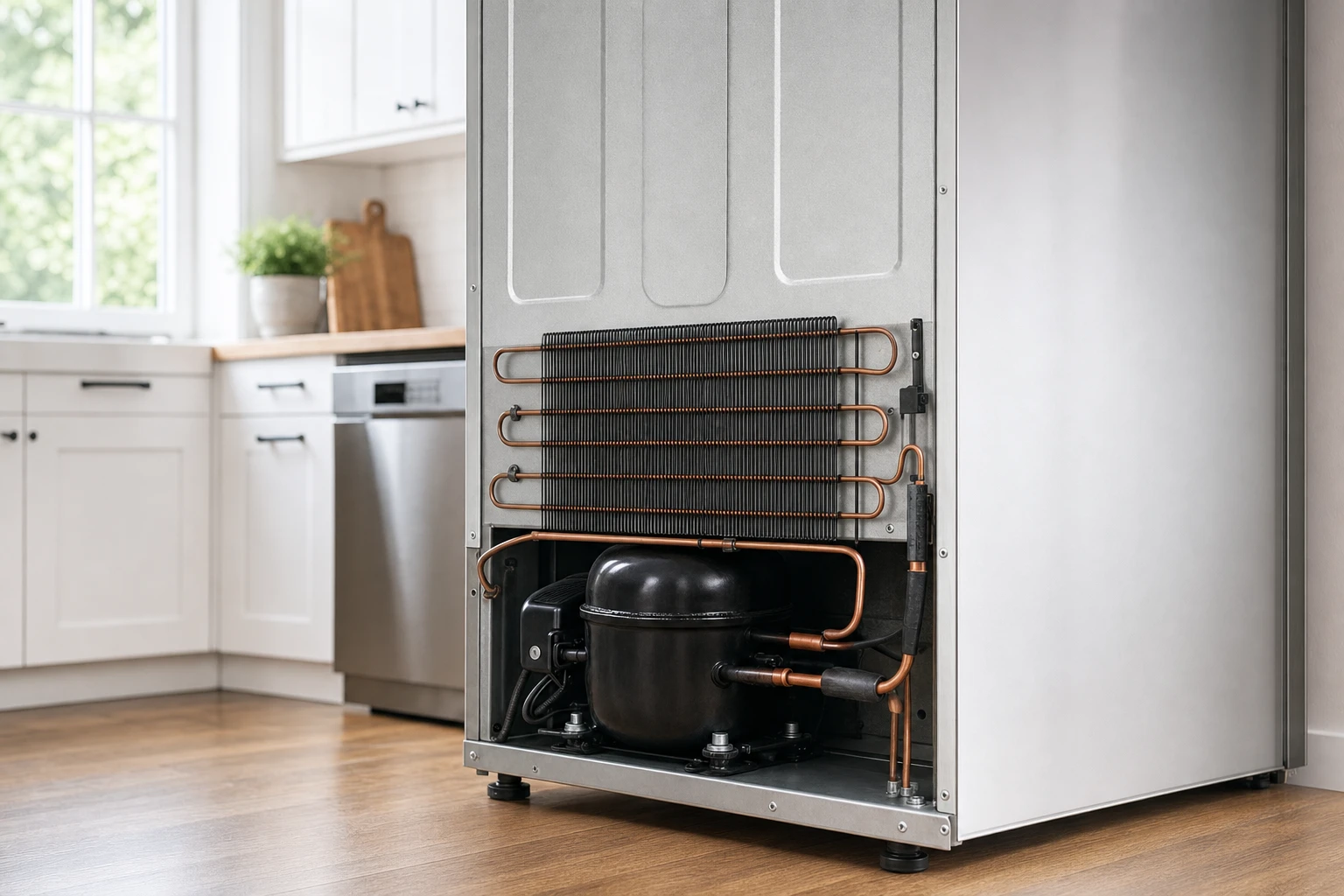
Learn what a freezer compressor is, how it works, signs it's failing, and when to repair or replace. Expert guide from Sears Home Services.

Loading scheduler...
When your Lennox heating and cooling system needs professional attention, Sears Home Services offers reliable repair and maintenance service to ensure your HVAC system is restored to peak performance. With trained technicians who specialize in Lennox products, you can trust our expertise to handle any repair need.
We specialize in repairing major Lennox home heating and cooling systems, including:
The cost of Lennox product repair varies depending on the type of repair needed and the parts required. On average, repairs can range from $180 to $400, but some repairs cost much more. Our technicians will provide an accurate repair estimate before any work is done.
Yes, most of the time. If your Lennox system is less than 10 years old and the cost of repair is less than half the price of a new unit, it’s usually worth repairing. Our technicians can help you determine whether it’s better to repair or replace your Lennox HVAC system based on its condition.
In many areas, Sears Home Services offers same-day or next-day appointments. Enter your zip code in the scheduler to check availability.
Routine professional maintenance and cleaning are key to extending the life of your Lennox system. Sears Home Services offers professional HVAC maintenance and cleaning service to help keep your system running efficiently and avoid unexpected breakdowns.
Ready to get your Lennox heating and cooling system working perfectly again? Schedule your repair service online today at Sears Home Services or call 1-800-4-MY-HOME to speak with our customer service team.

Book online in less than a minute.

Apply your diagnostic fee to the costs of repair.

Save up to $150 on your repair if you enroll in a home warranty.
At Lennox, they make people feel comfortable in their homes. They make the air cooler, warmer, dryer, cleaner and better, with innovative systems that are exceptionally quiet and energy efficient. All brought to you by authorized dealers, like Sears, with the expertise and resources to serve you in the best possible way.
Outstanding Lennox products are extremely reliable and rarely break down, but parts may eventually wear out. Should your Lennox system malfunction, trust Sears Home Services to have the parts and repair expertise you need to get your Lennox HVAC system back into top shape.
Need help with your Lennox gas furnace? Sears Home Services provides expert advice and Lennox furnace repair when you need it.
Many furnace issues can be solved without calling a professional. But always put safety first with gas appliances.
Lennox makes different furnace models. Some are basic. Others are high-efficiency systems. All work similarly though. They burn gas to heat air. A blower sends this warm air through ducts to heat your home.
Find your model number before doing anything else. Look inside the front panel or on the rating plate. Write it down somewhere safe.
The G40 series often has ignition problems as they get older. ML180 models typically have pressure switch issues when they act up. The EL195 series sometimes has flame sensor problems that cause shutdowns.
Furnaces show clear signs when they have problems.
Start with the simple stuff before tearing into your furnace.
Dirty filters cause tons of furnace problems. Fix this first.
The G61 Lennox models hate airflow restrictions. Even slightly dirty filters make them shut down.
Modern furnaces use electronic ignition systems that can act up.
Make sure gas supply is adequate too. Low gas pressure causes weak flames and poor operation.
The blower moves air through your system. When it fails, you get no heat distribution.
Pressure switches are safety devices that ensure proper venting. They often cause furnace shutdowns.
ML180V models often have pressure switch issues after a few years. The switches themselves sometimes fail.
Never bypass these switches. They protect against carbon monoxide poisoning. If they're shutting down your furnace, there's a reason.
The control board runs everything in your furnace. It monitors all safety systems.
Most Lennox furnaces have diagnostic lights on the board. They blink in patterns to tell you what's wrong. Check the panel inside your furnace or your manual to decode them.
Boards themselves fail sometimes. Signs include completely dead furnace, random operation, or blower running when it shouldn't.
Look for burn marks on the board. These mean electrical problems that usually require replacement.
Check for loose connections. Push each wire connector gently to make sure it's tight.
Some boards have resettable circuit breakers. Look for small buttons that may have popped out.
Here’s a video that shows how our Sears Home Services technicians maintain a furnace:
Test carbon monoxide detectors monthly. Replace the batteries yearly. This protects your family if something goes wrong.
Need parts for your Lennox furnace? Sears Parts Direct has genuine replacement components. Use your model number to get the right parts.
Don't use generic parts for important components like control boards or gas valves. Small differences matter for performance and safety.
Some parts look alike but have different specs. Match electrical ratings and part numbers exactly.
Keep old parts until the repair works well. Sometimes you need to compare them or return defective replacements.
Control boards must match your model precisely. Even slight variations cause compatibility problems.
Some repairs need professional furnace repair service:
If your Lennox furnace needs repairs you're not comfortable tackling, give us a call. Our appliance repair team knows these systems well and can fix them right the first time.

Imagine yourself in the middle of summer and your house feels like an oven even with the AC running. We get these calls all day long when the temperature climbs.
The first thing to check is your air filter. Sounds too simple, but you wouldn't believe how many service calls come down to a clogged filter. When air can't flow through, the coil gets too cold and freezes up. Now you've got no cooling at all. Change those filters every month during the summer to keep your system running smoothly.
Refrigerant levels get low over time. Tiny leaks that are hard to spot let that coolant escape bit by bit. Your Lennox AC system might run all day but never get the house comfortable. Low refrigerant also makes the compressor work too hard. It wears it out way faster than normal. Adding refrigerant isn't a DIY job these days. Techs need special licenses and equipment to handle it legally.
Schedule central air repair service whenever you notice diminished cooling and basic troubleshooting doesn’t fix the problem.
Condenser coils get filthy, especially if you've got cottonwood trees in your yard or lots of dust in your area. The outdoor unit can't dump heat properly when those coils get gunked up. The system runs and runs but doesn't cool well. You can spray them gently with a hose, but be careful not to bend the fins. They're real delicate.
Condenser fan motors burn out from working too hard in the heat. You'll know it's happening when you hear humming but the fan's not turning. Or it starts up then shuts off after a few minutes. The motor's probably overheating. Replacing one takes electrical know-how and the right parts.
Schedule professional Lennox AC repair when you notice problems with your outside unit.
Blower motors quit or act up at times on Lennox AC systems. Maybe it runs but makes noise, or it won't run at the right speed. Bad capacitors cause this a lot. That's the part that gives the motor its initial kick to start spinning. They weaken over time and eventually fail completely.
Count on Sears Home Services to get to the bottom of blower issues quickly. Schedule service and we’ll have your Lennox HVAC system working properly again in no time.
Lennox HVAC systems aren't usually noisy units when they're running right. New sounds mean something's wrong almost every time.
Sometimes the issue isn't your Lennox AC unit at all. It's the thermostat telling it what to do.
System running for just a couple minutes, shutting off, then starting again soon after? That's short cycling. Bad for equipment, bad for comfort, bad for your energy bills.
Oversized units cycle more than properly sized ones. If your Lennox central air conditioner too big for the space, it cools too quickly, shuts down, and then has to start up again soon. Not much to do about this except replace the system with the right size unit when it's time.
Low refrigerant in Lennox AC systems trips the pressure switch. The unit shuts down to protect itself and tries to run again after a while. Round and round it goes. Finding and fixing the leak is the real solution, not just adding more refrigerant.
AC checkups from Sears help keep your Lennox cooling system running at its best. Routine HVAC maintenance helps prevent costly repairs and can make your central air conditioning system more energy efficient.
Here's a brief video that shows how our techs complete AC system maintenance:
Schedule your Lennox AC tune-up now.
When you're searching for Lennox AC repair near me, you'll find Sears Home Services local service providers prominently displayed in the online search results. We have HVAC repair technicians throughout the country that can repair any type of Lennox system.
It doesn’t matter where you bought your Lennox HVAC system. If it breaks, then Sears Home Services will send our expert repair technicians to your home to fix the problem fast.
With more than 500k 5-Star Reviews, you don't have to take our word for it.
Learn what a freezer compressor is, how it works, signs it's failing, and when to repair or replace. Expert guide from Sears Home Services.

Discover the top 5 furnace problems and solutions in 2026. Trust Sears Home Services for expert help and reliable solutions.
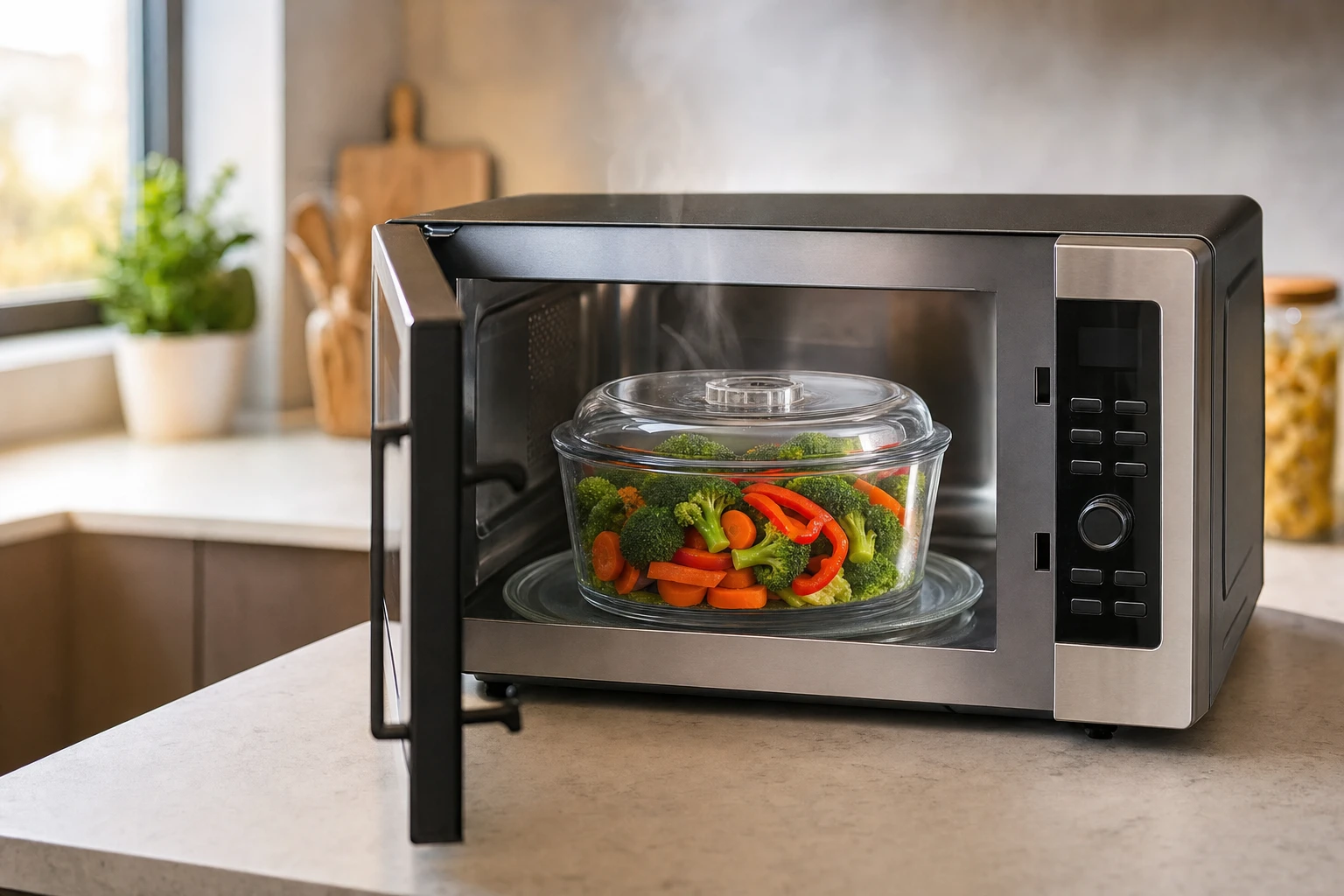
What is a microwave steamer? Learn how it works, what foods it cooks best, safety tips, and how to avoid damaging your built-in microwave.
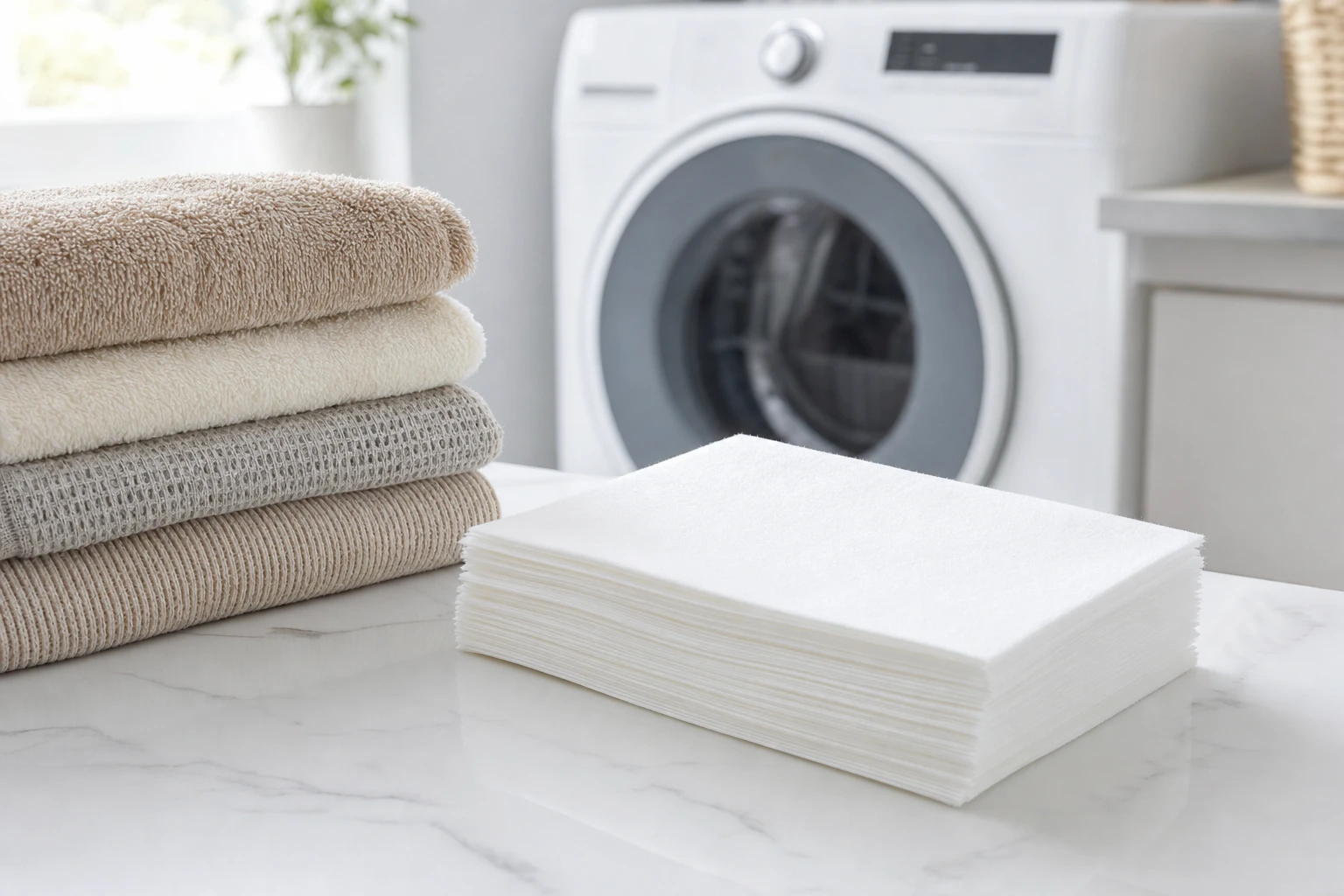
Are dryer sheets toxic? Learn what's really in them, health and dryer risks, safer alternatives, and when to call a pro for dryer repair.
The drum is the core part of the washer that holds your laundry and enables the cleaning process through rotation, agitation, and rinsing.
The 608 Certification, mandated by the Environmental Protection Agency (EPA), is required for HVAC technicians to legally handle refrigerants. It ensures technicians understand refrigerant types, environmental impact, and proper handling techniques.
A compressor is a mechanical device that increases the pressure of a gas by reducing its volume, essential in various systems including refrigerators, air conditioners, and HVAC units for cooling and refrigeration processes.
A condenser is a component of HVAC and refrigeration systems, responsible for releasing absorbed heat from the refrigerant into the outside air or a water line, thus facilitating the cooling process.
Keep your home cool with regular service on your Lennox heating and cooling systems.
Schedule service your way