 Appointment Lookup
 213-596-2538

Learn how an air filter works in your HVAC system and how to choose the right filter.

Have you ever seen the term SEER and wondered what it stood for? The Seasonal Energy Efficiency Ratio (SEER) is a key metric for assessing the cooling efficiency of air conditioning systems, providing essential insights for homeowners aiming to optimize energy use and reduce costs. SEER measures the amount of cooling each unit of energy delivers throughout a cooling season and accounts for variations in temperature and humidity, offering a thorough understanding of energy efficiency.
Understanding how SEER compares to other efficiency indicators such as Energy Efficiency Ratings (EER) and Coefficient of Performance (COP) empowers you to make well-informed decisions about your air conditioning system. By familiarizing yourself with the regulatory standards governing SEER, learning methods for calculating annual energy costs, and discovering tips for enhancing SEER ratings, you will understand how these ratings affect your AC system's performance. Exploring the role of SEER in heat pump performance underscores its importance in efficient home cooling solutions.
KEY TAKEAWAYS
The Seasonal Energy Efficiency Ratio (SEER) serves as a key measure for homeowners and industry professionals seeking to evaluate the energy efficiency of air conditioning systems. This rating not only affects your cooling efficiency but also influences overall energy expenses and environmental footprint.
The SEER provides critical insights into the cooling efficiency of an air conditioner by measuring the amount of cooling delivered per unit of energy consumed during a typical cooling season.
The SEER rating is calculated by dividing the cooling output over a typical cooling season by the total electric energy used in the same period. A higher SEER rating indicates that the air conditioner is more energy-efficient, providing more cooling while using less electricity.
Air conditioners with higher SEER ratings are more energy-efficient, leading to lower energy costs and reduced environmental impact. SEER ratings typically range from 13 to 25, with higher ratings indicating superior energy efficiency. Systems with SEER ratings of 18 or higher offer significant energy savings compared to less efficient models.
In the United States, the minimum SEER rating for new air conditioning units is 13. However, choosing a system with a higher SEER rating, while potentially more expensive upfront, can result in substantial long-term energy savings. These energy-efficient systems often qualify for rebates and incentives, which can help offset the initial investment.
Ensuring that your HVAC system is correctly sized and professionally installed is important for achieving optimal energy efficiency and performance. Sears Home Services offers a variety of energy-efficient HVAC systems with high SEER ratings, designed to maintain comfort and save money on energy bills.
When evaluating the energy efficiency of air conditioners, three key metrics are commonly used: SEER (Seasonal Energy Efficiency Ratio), EER (Energy Efficiency Ratio), and COP (Coefficient of Performance).
SEER gauges the cooling efficiency of an air conditioner over an entire cooling season, factoring in both the cooling output and the energy consumed. Higher SEER ratings denote greater energy efficiency, which can lead to lower energy costs and reduced environmental impact.
In contrast, EER measures the cooling efficiency at a specific outdoor temperature (usually 95°F). It is determined by dividing the cooling capacity (in British Thermal Units, or BTUs) by the power input (in watts). A higher EER rating suggests better performance, particularly in hot climates where air conditioners operate more frequently.
COP assesses the heating efficiency of heat pumps, calculated by dividing the heating output by the power input. A higher COP indicates a more efficient heat pump in terms of heat provision.
Although all three metrics offer insights into energy efficiency, SEER is the most relevant for air conditioners as it considers the entirety of the cooling season, providing a comprehensive measure of an air conditioner's efficiency. EER and COP, while specific to certain conditions, also contribute to a broader understanding of system performance. However, for a holistic assessment of energy efficiency, SEER stands out as the primary metric.
The Seasonal Energy Efficiency Ratio (SEER) measures the cooling efficiency of an HVAC system, reflecting the ratio of cooling output to electrical energy input over a typical cooling season. A higher SEER rating indicates a more energy-efficient system.
In the United States, the Department of Energy (DOE) sets SEER standards, while the Air Conditioning, Heating, and Refrigeration Institute (AHRI) enforces them. These standards establish the minimum SEER ratings required for new HVAC systems to be sold and installed across various regions.
The minimum SEER standard for central air conditioners and heat pumps varies by region. In southern states, where cooling demands are higher, the minimum requirement is a SEER of 14. Conversely, in northern states, where there is less need for cooling, the minimum requirement is a SEER of 13. These regional standards aim to enhance energy efficiency and reduce greenhouse gas emissions.
For manufacturers, adhering to SEER regulations ensures their products are competitive, energy-efficient, and compliant with federal regulations. This compliance also builds consumer trust.
For homeowners, investing in an HVAC system that meets or exceeds these standards can result in significant energy savings, lower utility bills, reduced environmental impact, and improved indoor air quality and comfort.
Sears Home Services provides a broad selection of HVAC systems that adhere to or surpass the DOE’s SEER standards. Our HVAC pros are dedicated to helping you select the ideal system for your home and ensure its proper installation for optimal energy efficiency and performance.
Understanding how to estimate annual energy costs for your air conditioner will help in making informed decisions and saving money. Learn the methodology for calculating the annual cost of electric energy, explore factors influencing energy consumption and costs, and discover tips for reducing energy usage to ensure efficient operation and minimized expenses.
To estimate the annual energy cost of your air conditioner, begin by determining the unit's Seasonal Energy Efficiency Ratio (SEER), which measures efficiency during the cooling season. The higher the SEER rating, the more energy-efficient the unit. Next, identify the cooling capacity of your unit in British Thermal Units (BTUs) and the average number of hours it operates daily. Multiply the cooling capacity by the number of operating hours to find the daily energy consumption. Then, apply the SEER rating to calculate the annual energy consumption. Finally, multiply this by the cost per kilowatt-hour (kWh) to determine the annual energy cost.
Several factors can affect energy consumption and costs, including the climate in your area, the size and insulation of your home, and your air conditioner's usage patterns. For instance, hotter climates necessitate more cooling, whereas well-insulated homes and efficient usage patterns can significantly reduce energy consumption. Regular maintenance such as cleaning or replacing air filters also enhances your system's efficiency.
To optimize energy usage and save money, set your thermostat to a moderate temperature and utilize ceiling fans to circulate cool air. Keep windows and doors closed while the air conditioner is running to prevent loss of cooled air. Make sure your home is well-insulated, seal any air leaks, and adhere to a regular maintenance schedule to keep your air conditioning system running efficiently.
When selecting an air conditioner, the Seasonal Energy Efficiency Ratio (SEER) rating is a key factor. It measures the cooling efficiency of an air conditioner or heat pump. A higher SEER rating indicates greater energy efficiency, which can lead to lower energy bills and reduced environmental impact. Consider the following factors that contribute to achieving higher SEER ratings:
Choosing an air conditioner with a high SEER rating provides several advantages:
However, selecting the appropriate SEER rating requires careful consideration of several factors:
By understanding the elements that contribute to higher SEER ratings, the benefits of selecting air conditioners with these ratings, and the considerations for choosing the right SEER rating for your needs, you can make well-informed decisions that maximize energy efficiency in your home.
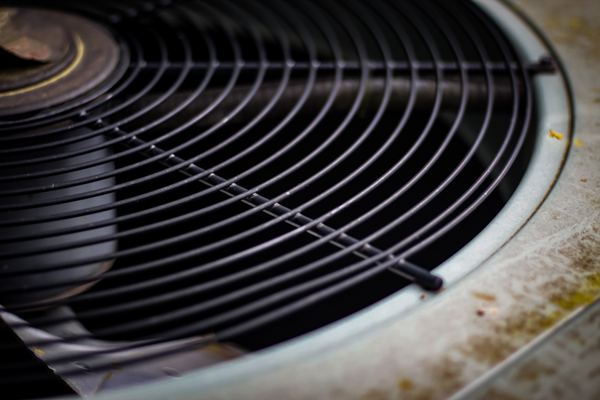
The Seasonal Energy Efficiency Ratio (SEER) is pivotal in determining the efficiency of heat pump systems. Heat pumps are versatile, energy-efficient devices that heat and cool homes by transferring heat between the indoors and outdoors as needed.
In the context of heat pumps, the SEER rating specifically measures cooling efficiency. This ratio represents the cooling output relative to the energy input over a typical cooling season. A higher SEER rating indicates that the heat pump can cool your home more efficiently, using less energy.
Opting for heat pumps with high SEER ratings yields multiple advantages:
While SEER ratings assess cooling efficiency for both air conditioners and heat pumps, it is important to remember that heat pumps also provide heating. This dual functionality makes them an exceptionally cost-effective and versatile option for year-round indoor climate control.
Understanding the Seasonal Energy Efficiency Ratio (SEER) and its implications for energy efficiency in HVAC systems is important when considering a new air conditioner or heat pump. SEER ratings not only guide you in choosing a system that optimizes energy use and reduces costs but also contributes to environmental sustainability.
At Sears Home Services, our professionals are dedicated to helping you navigate the complexities of HVAC systems. They are equipped to provide insights and support in selecting the system that best fits your needs, balancing efficiency, cost, and environmental considerations. Whether you're upgrading to a more energy-efficient model or installing a new system, our experts ensure that you make an informed decision.
For the best in comfort and efficiency for your home, schedule service with one of our HVAC experts. Together, we can determine the most suitable and efficient system for your space. Call us today or visit our website to arrange your appointment and discover the optimal HVAC solution for your home.
Rely on our skilled technicians to diagnose and repair your HVAC equipment, ensuring optimal comfort in your home.
Loading scheduler options...
Learn how an air filter works in your HVAC system and how to choose the right filter.

Improve indoor air quality and protect your family's health with HVAC maintenance, air purifiers, and natural solutions like plants and proper ventilation.

Wondering what it costs to replace an air conditioner in 2026? This guide explains average replacement pricing, SEER2 efficiency costs, and how to decide whether to repair or replace your AC system.

Discover the benefits of a humidifier and learn how to choose the right one for better indoor air quality and comfort.
The 608 Certification, mandated by the Environmental Protection Agency (EPA), is required for HVAC technicians to legally handle refrigerants. It ensures technicians understand refrigerant types, environmental impact, and proper handling techniques.
A compressor is a mechanical device that increases the pressure of a gas by reducing its volume, essential in various systems including refrigerators, air conditioners, and HVAC units for cooling and refrigeration processes.
A condenser is a component of HVAC and refrigeration systems, responsible for releasing absorbed heat from the refrigerant into the outside air or a water line, thus facilitating the cooling process.
A capacitor in an AC unit is an electrical component that stores and releases electrical energy to help start the motor and stabilize the voltage during operation.
When your Payne central air conditioner won’t turn on or isn’t cooling, check for power problems, a failed capacitor, or a clogged condensate drain. This guide covers quick, safe troubleshooting steps and explains when to call Sears Home Services for expert central AC repair.
When your ICP central air conditioner won’t turn on or isn’t cooling, check for power problems, a failed capacitor, or a clogged condensate drain. This guide covers quick, safe troubleshooting steps and explains when to call Sears Home Services for expert central AC repair.
When your Heil central air conditioner won’t turn on or isn’t cooling, check for power problems, a failed capacitor, or a clogged condensate drain. This guide covers quick, safe troubleshooting steps and explains when to call Sears Home Services for expert central AC repair.
When your Carrier central air conditioner won’t turn on or isn’t cooling, check for power problems, a failed capacitor, or a clogged condensate drain. This guide covers quick, safe troubleshooting steps and explains when to call Sears Home Services for expert central AC repair.
When your Comfortmaker central air conditioner won’t turn on or isn’t cooling, check for power problems, a failed capacitor, or a clogged condensate drain. This guide covers quick, safe troubleshooting steps and explains when to call Sears Home Services for expert central AC repair.
When your Ruud central air conditioner won’t turn on or isn’t cooling, check for power problems, a failed capacitor, or a clogged condensate drain. This guide covers quick, safe troubleshooting steps and explains when to call Sears Home Services for expert central AC repair.