 Appointment Lookup
 213-596-2538
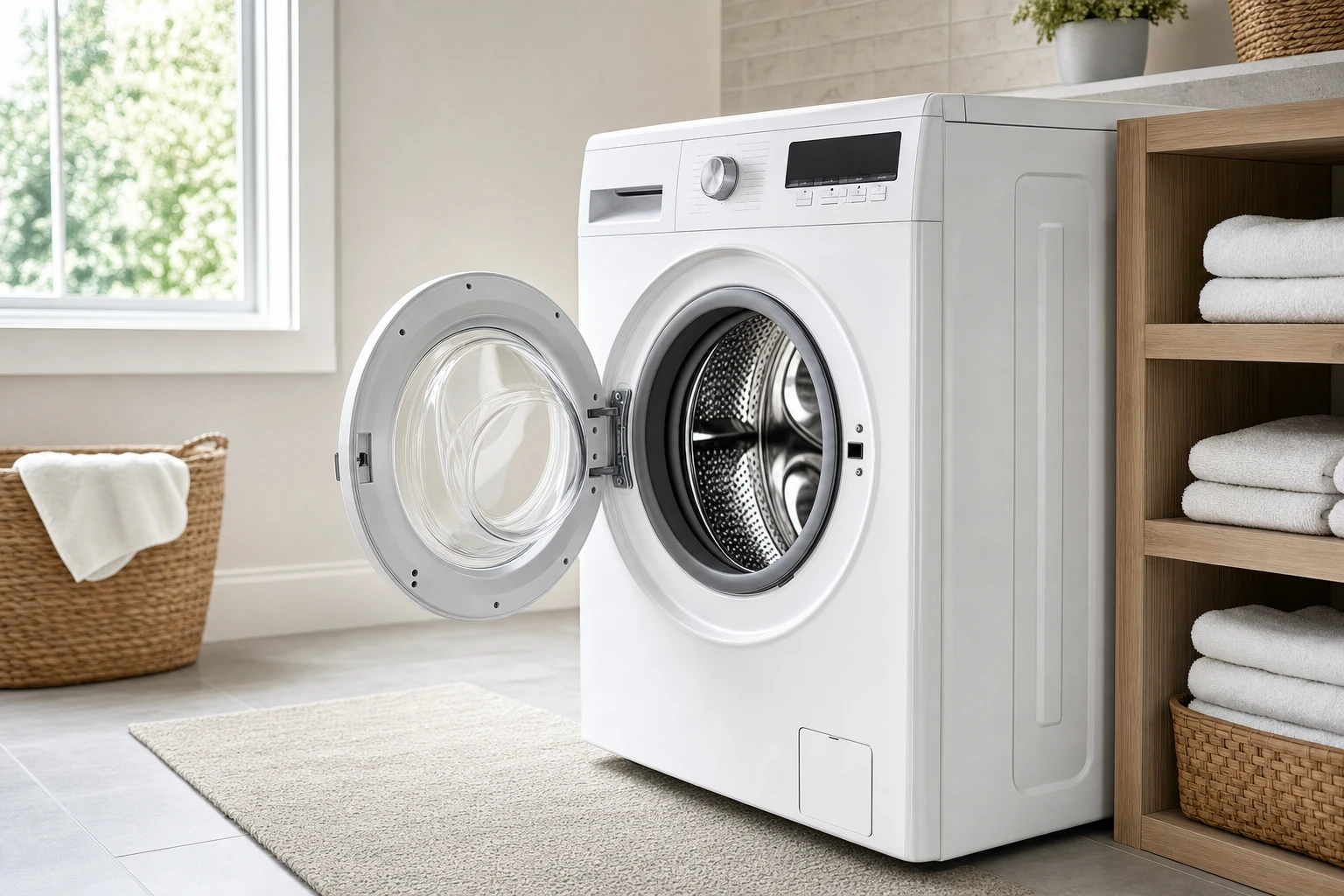
Washer not working? Learn the most common reasons your washing machine won't start, fill, spin, or drain—plus when to DIY and when to call a pro.
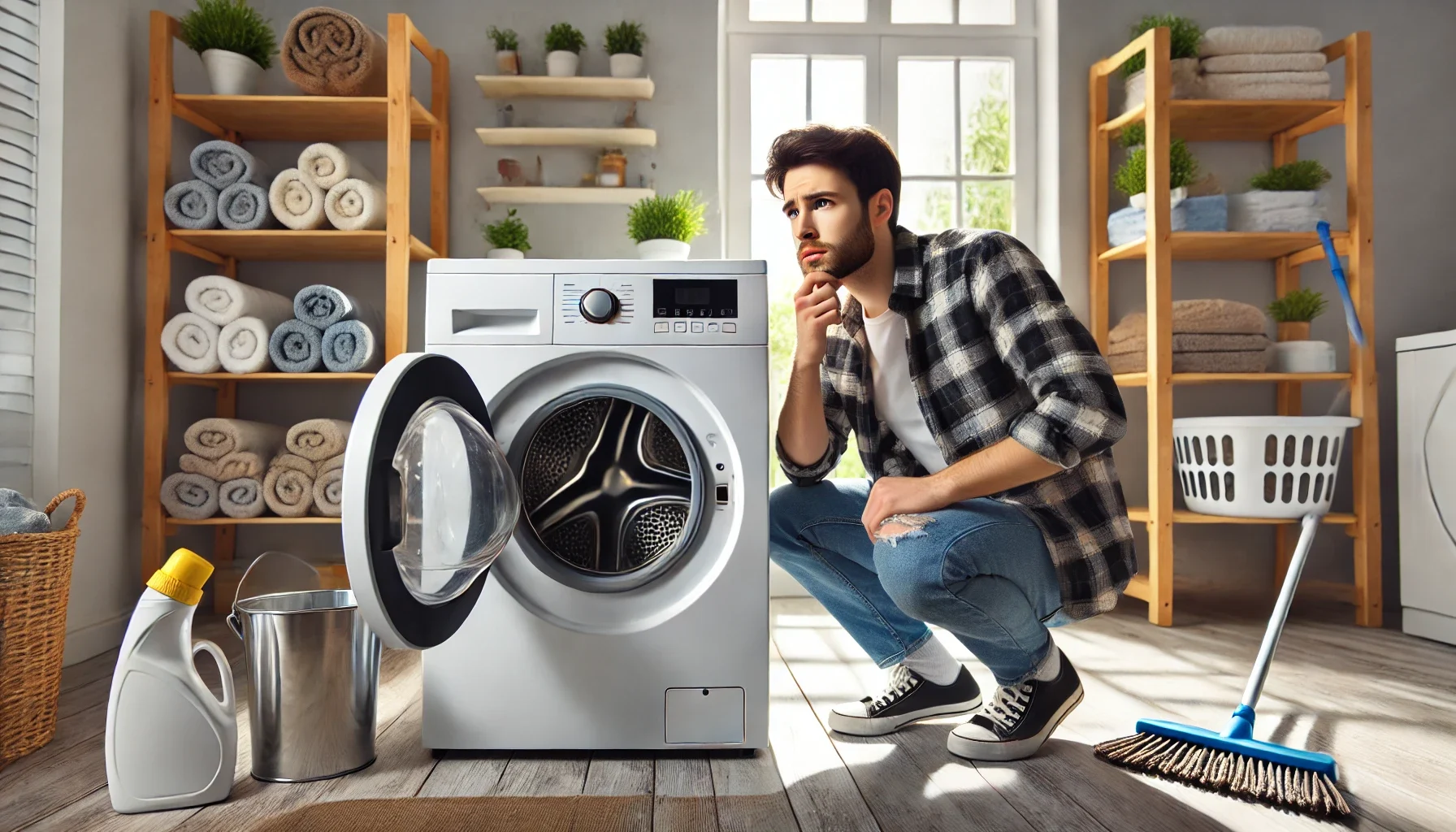
Dealing with a washer not turning on can be quite frustrating. Before you call in a professional, there are some troubleshooting steps you can take. This guide will walk you through common causes, troubleshooting tips, preventive measures, and when it’s time to seek professional help for your washing machine not turning on.
KEY TAKEAWAYS
When your washer is completely unresponsive, start by ruling out the obvious — check the power cord and make sure that the washer is plugged in.
Next, check the house circuit breaker for the washing machine. Reset the circuit breaker if you find it tripped.
To test whether the electrical outlet is the problem, plug a night light or other electrical device into it. If the night light or other device doesn't work, the wiring in the outlet circuit or a bad house circuit breaker is the problem. Have an electrician repair the electrical outlet or circuit breaker.
If the hair dryer works, there could be a wiring problem in the washer. Follow these steps to check wiring in the washing machine:
When you rule out the causes such as the power supply, power cord and control wiring, here are the common causes for a washing machine not turning on.
When your washing machine has a digital display or control panel lights, it will have an electronic control that governs washer functions including powering up the display. When the display or control panel is dead, the electronic control board may not be functioning properly. A washer repair technician will typically need to test the control board using live voltage check. We don’t recommend that you attempt these types of checks yourself because those test are dangerous.
If you happened to see burnt spots on the circuit board while checking wiring connections during initial troubleshooting checks, then the electronic control board will very likely need replacing.
This video shows what that repair looks like for a common top-load washing machine:
If you’re unable to safely replace a bad washer control board yourself, have a washer repair technician replace the control board for you.
If the main electronic control board in the washer is okay, a bad user interface control could be preventing the washing machine from powering up. A service technician will typically need to check the user interface to determine whether it has failed. A bad power button or broken internal circuit connections on the user interface will prevent this component from working. The technician will replace the user interface control board if it doesn’t work.
Some washing machines use an electro-mechanical timer to control washer functions. When your washer has a control dial and switches on the control panel and doesn’t have any control lights, it likely uses a control timer to operate the washer.
Internal electrical contacts in the control timer can prevent the washing machine from powering up and working. A technician will typically need to check the timer to determine whether it’s bad. When you have a washer with a timer that won’t work, schedule service to have a technician fix the washer.
In a top-load washing machine with a timer, a broken lid switch will prevent some washers from working at all.
Unplug the washer power cord and check the lid switch for damage. If the lid switch is damaged, you’ll need to replace it or have a service technician replace it.
In some top-load washers, replacing the lid switch is a basic repair that some homeowners can complete on their own. Here’s a video that shows how to replace the lid switch in a common top-load washing machine:
If you’re not confident that you can complete this repair yourself, have a service technician replace the lid switch.
As soon as you determine that you’re unable to safely fix the washing machine yourself, schedule a service appointment and we’ll send a Sears Home Services technician to your home to fix the washer. Although you can get lots of DIY washer repair advice online, that advice won’t always apply to your exact model of washer. Some washers are difficult to diagnose, disassemble and repair. Our service professionals at Sears Home Services are highly trained and experienced at working on virtually all brands and types of washers. Whether you have a Kenmore, Whirlpool, Maytag, GE, Samsung or LG washer, our technicians can quickly diagnose and fix a washing machine that won’t turn on. Schedule service and we’ll get your washer going again in no time.
Regular cleaning and maintenance are essential to prevent issues and ensure your washing machine’s smooth performance. By following a few simple preventive measures, you can prolong the lifespan of your machine and avoid the hassle of a washing machine not turning on.
Firstly, regularly clean both the inside and outside of your washer. Over time, dirt, lint, and detergent residue can build up, leading to clogs and control malfunctions. Use a damp cloth to wipe down the exterior surfaces, and periodically clean the detergent dispenser and drum with a mixture of warm water and vinegar. This will help prevent blockages and keep your machine running smoothly.
Secondly, avoid overloading your washing machine with excessive laundry. Overloading can strain the motor and other components, causing them to wear out faster. Overloading a top-load washing machine can cause excessive movement and banging of the washer tub that can break the lid switch. Follow the manufacturer’s guidelines for load capacity, and distribute clothes evenly in the drum to maintain a balanced load.
Lastly, ensure that the power source and electrical connections of your washing machine are secure. Loose or damaged connections can disrupt the power supply and prevent the machine from turning on. Regularly check the power cord and plug for any signs of wear or damage, and ensure they are properly connected to the electrical outlet. If you notice any issues, consult a professional technician to address the problem.
Scheduling annual washer preventive maintenance by a service technician will also help prevent washer problems including power failures. A Sears Home Services tech will check all control functions and washer operations. With annual preventive maintenance and cleaning, you can trust that your washer will stay in top shape and last longer.
Simple do-it-yourself fixes can resolve minor annoyances, but persistent mechanical or electrical faults usually need professional care. If your efforts aren’t yielding results, a washer repair near me search connects you with specialized technicians who can diagnose and correct deeper issues.
With years of experience, our technicians possess the skills to repair your washer, regardless of the issue.
Loading scheduler options...
Washer not working? Learn the most common reasons your washing machine won't start, fill, spin, or drain—plus when to DIY and when to call a pro.
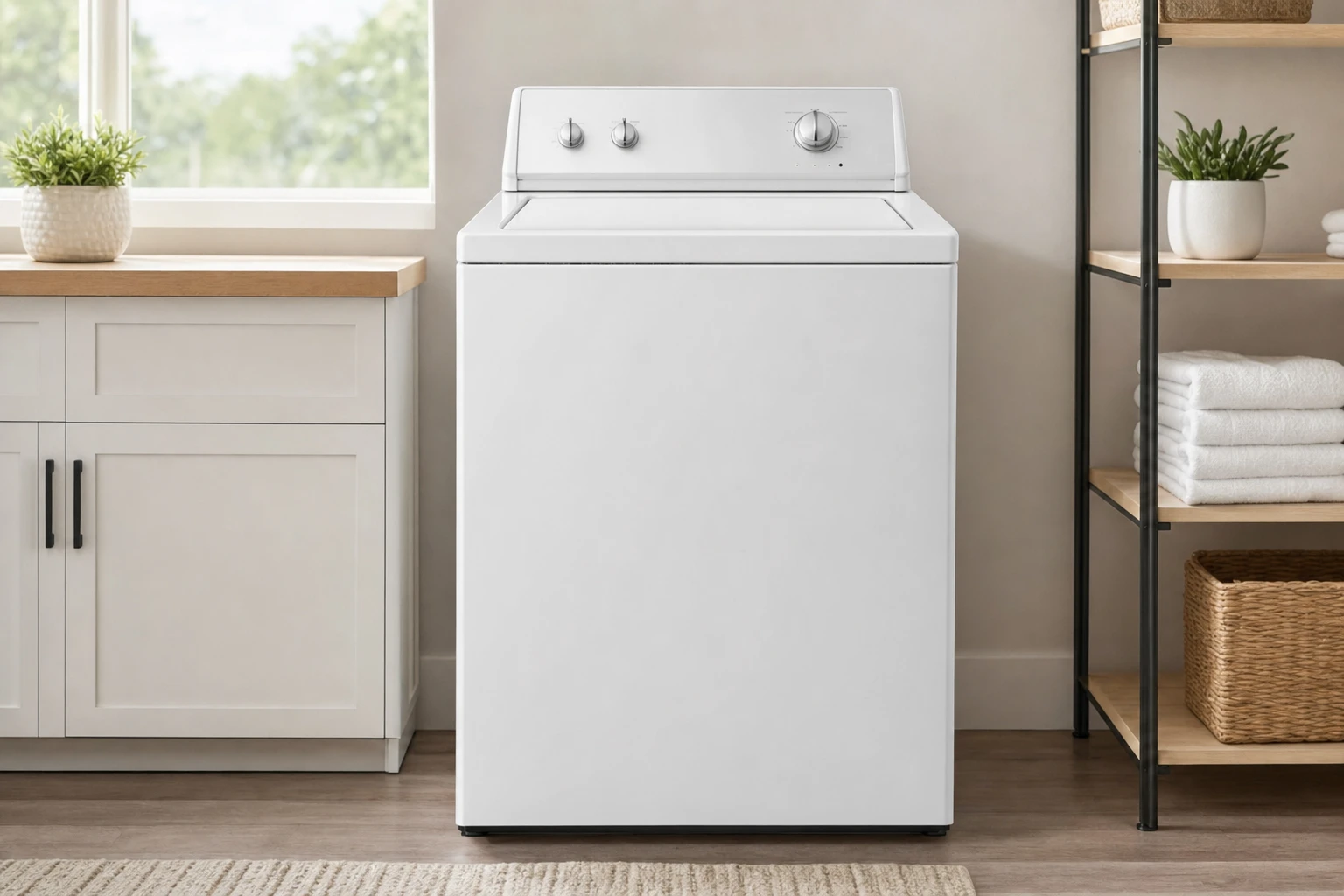
Learn how to repair a Kenmore washer with step-by-step fixes for common issues like leaks, no spin, and error codes. DIY tips plus when to call a pro.

Discover top load washer troubleshooting tips for common issues like water leaks, excessive vibrations, failure to fill with water, detergent residue, and startup problems.

Overloading your washing machine can lead to various issues, including premature wear and tear on vital components such as drive parts, seals, and bearings.
The drum is the core part of the washer that holds your laundry and enables the cleaning process through rotation, agitation, and rinsing.
Hard water is water that contains high levels of dissolved minerals, particularly calcium and magnesium. It contrasts with soft water, which has lower concentrations of these minerals.
A washing machine pedestal is a platform that raises the washer off the ground, providing easier access to the appliances and often includes additional storage space such as drawers.
A washer tub is the interior part of a washing machine where clothes are placed for washing, typically made of stainless steel, plastic, or porcelain-coated metal, designed to hold water and withstand the agitation or spinning during the wash cycle.
The most common reasons your LG washer is leaking from bottom are a clogged water valve assembly, broken motor or a cracked drain hose.
The most common reasons your GE washer won't start cycle are a malfunctioning electronic control board, jammed door lock assembly or a faulty user interface.
The most common reasons your Whirlpool washer is not rinsing are a faulty lid switch, a bad water-level pressure switch, or a defective timer.
The most common reasons your GE washer is not filling are a clogged water valve assembly, malfunctioning electronic control board or a bad water level pressure switch.
The most common reasons your Samsung washer top load is not filling with water are a clogged water valve, a malfunctioning PCB, or a cracked hose.
The most common reasons your Samsung washer is noisy are a damaged suspension rod, malfunctioning electronic control board or a broken motor.