 Appointment Lookup
 213-596-2538
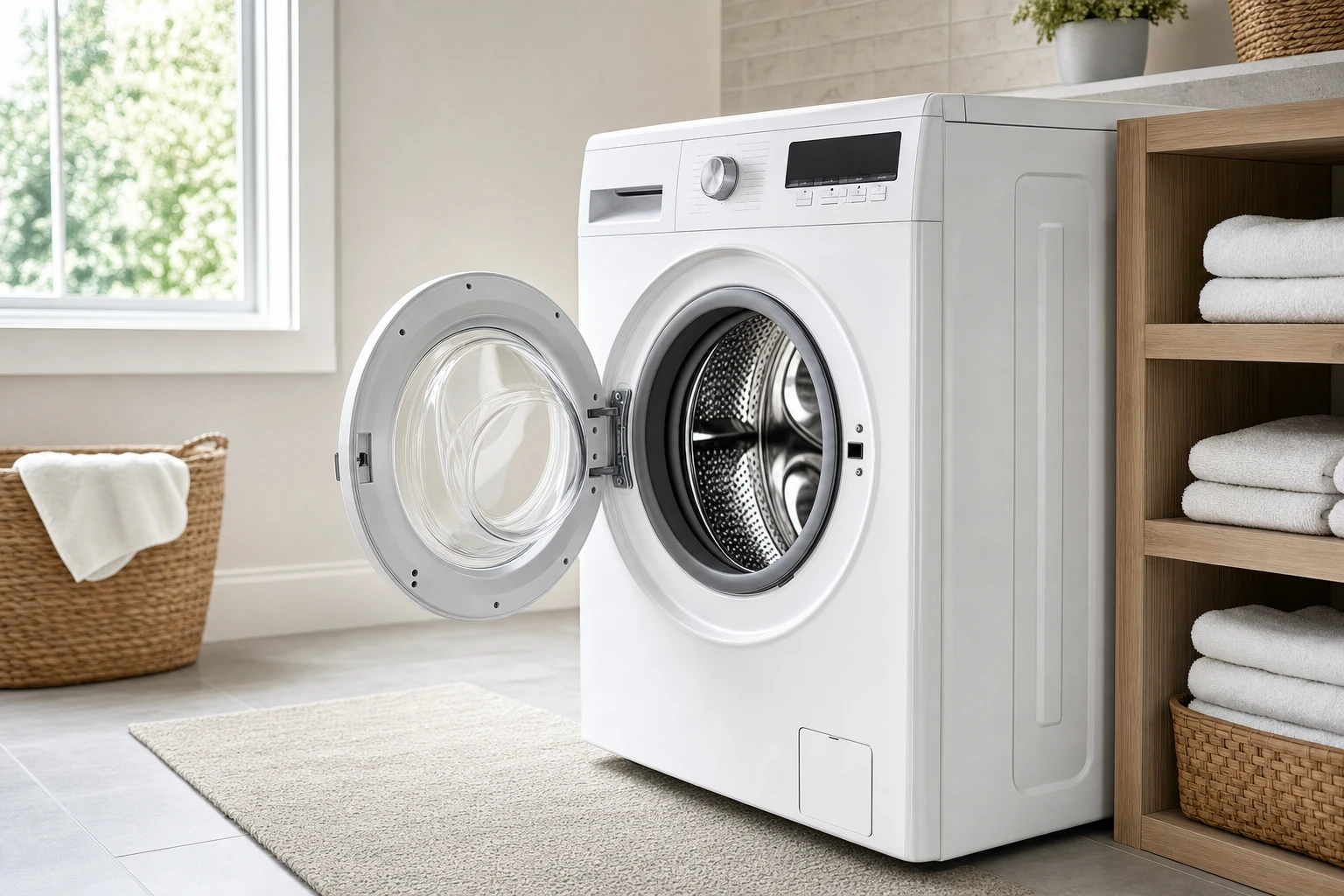
Washer not working? Learn the most common reasons your washing machine won't start, fill, spin, or drain—plus when to DIY and when to call a pro.
What to do if your washing machine is leaking?
Check the fill hoses
Examine the washer drain system
Check the door and door boot seal on a front-load washer
Look for excessive suds
Check the detergent dispenser
Leaking Water Inlet Valves
Have a Sears Home Services Technician find and fix the leak
Preventing Washing Machine Leaks
Frequently Asked Questions

Got a puddle of water on the floor after doing a load of laundry? A leaking washing machine can quickly turn into a nightmare. Not only can it damage floors and walls, but it also disrupts your laundry routine.
Fortunately, many washer leaks are caused simple problems that you can fix with basic troubleshooting and appliance repair tactics.
By understanding common issues that cause washer leaks and learning how to fix the underlying problems, you can take action fast to prevent water damage and get your washer working again.
KEY TAKEAWAYS
As soon as you discover the water leak, shut off the water supply valves behind your washer to prevent further leaking.
Shut off the house circuit breaker for your washing machine or unplug the washer power cord if you can safely reach the outlet plug without standing in water.
If the washer leaked a large amount of water, use a wet/dry vacuum or a mop and bucket to pick up the water on the floor.
Next, try to find the source of the water leak.

One of the most common causes of a washing machine water leak is cracked or damaged fill hoses. Examine the fill hoses for cracks or damage and signs of leaking.
Replace the fill hoses if they’re leaking. This may quickly fix your washer leak.
Check the drain hose for cracks or damage. A leaking drain hose will cause a puddle to form behind that washer that can then spread across the entire laundry room floor. Replace the drain hose if it’s cracked or damaged.
Check for a clogged house drain for the washer. Water will back up and leak out of the stand pipe if the house drain is clogged. Clear the house drain for the washer using a plumber’s snake if the drain is clogged.

A damaged door, door lock or door boot seal could cause a front-load washer to leak water.
Check to see if the door closes properly. Check the strike on the door and see if it keeps the door shut properly. If you find problems, replace any damaged components.
Here’s a DIY repair video that shows how to replace a door lock assembly on a front-load washing machine:
A torn or damaged door boot seal is another common cause of washer leaks.
Examine the door seal for tears or damage. Check in between the folds of the door boot because the folds can hide a tear or damage.
Replace the door boot seal if it’s damaged. Here’s a video that shows how to replace the door boot seal on a common type of front-load washer:
Replacing the door boot on a front-load washer is a fairly advanced repair. If you’re not completely confident that you can safely and effectively replace the door boot on your own, schedule service and we’ll send a Sears Home Services technician to your home to replace the door boot for you.
Overdosing the washer with detergent or using the wrong kind of detergent can cause excessive suds to form during the cycle. The suds can overflow the tub or push out through the washer vent on a front load washer. Overflowing suds eventually dissipates as water on the floor around the washer.
Check the clothes inside the washer for suds and soap residue. If you see signs of oversudsing inside your washer, you may be using too much detergent or you could be using non-HE laundry detergent in an HE (High Efficiency) washer.
If you’re using non-HE detergent in an HE washer, switch detergents to an HE version. You’ll see the HE logo on HE detergent containers. You need to use HE detergent in HE washers because HE detergent is specially designed to create less suds while getting the clothes clean in a low water usage washer.
If you’re using the right laundry detergent in your washer and seeing excessive suds, use less detergent. In an HE washer, you typically won’t need to use more than a tablespoon of detergent to clean most loads.

A clogged detergent dispenser can cause a leak. Check the detergent dispenser and clean it if you find that it’s clogged.
Grit or debris can get past the inlet water screens and wind up preventing an inlet water valve from closing fully. If you find the washer tub overflowing, you likely have a water valve that is stuck partially open.
Drain water out of the washer using a wet/dry shop vacuum. If it’s safe to plug the washing machine back in because there isn’t any water on the floor around the washer’s electrical outlet, you can use the washer drain pump to evacuate the water by running a Drain & Spin cycle. Unplug the washer after using that cycle if the floor around the washer is still wet.
Replace the water inlet valve assembly if a water valve is leaking and water constantly fills the washer even when it’s off.
Here’s a video that shows how to replace the inlet water valve assembly on a common type of front-load washer:
This video shows how to replace the water inlet valve assembly on a common top-load washer:
When you’re unable to find and fix the cause of the washing machine leak on your own, schedule washer repair to have a Sears Home Services technician fix the washing machine. The tech should be able to find the cause of the leak and fix it quickly.
Technicians have discovered these additional causes for washer leaks:
Follow these expert tips to help prevent washing machine water leaks:
Fixing a leaking washing machine and preventing leaks doesn’t have to be daunting. By addressing common causes, following the outlined steps, and incorporating regular maintenance into your routine, you can prevent future leaks and extend the lifespan of your washer. A little proactive care goes a long way in keeping your laundry days stress-free.
With years of experience, our technicians possess the skills to repair your washer, regardless of the issue.
Loading scheduler options...
Washer not working? Learn the most common reasons your washing machine won't start, fill, spin, or drain—plus when to DIY and when to call a pro.
Learn how to repair a Kenmore washer with step-by-step fixes for common issues like leaks, no spin, and error codes. DIY tips plus when to call a pro.

Discover top load washer troubleshooting tips for common issues like water leaks, excessive vibrations, failure to fill with water, detergent residue, and startup problems.

Overloading your washing machine can lead to various issues, including premature wear and tear on vital components such as drive parts, seals, and bearings.
The drum is the core part of the washer that holds your laundry and enables the cleaning process through rotation, agitation, and rinsing.
Hard water is water that contains high levels of dissolved minerals, particularly calcium and magnesium. It contrasts with soft water, which has lower concentrations of these minerals.
A washing machine pedestal is a platform that raises the washer off the ground, providing easier access to the appliances and often includes additional storage space such as drawers.
A washer tub is the interior part of a washing machine where clothes are placed for washing, typically made of stainless steel, plastic, or porcelain-coated metal, designed to hold water and withstand the agitation or spinning during the wash cycle.
The most common reasons your LG washer is leaking from bottom are a clogged water valve assembly, broken motor or a cracked drain hose.
The most common reasons your GE washer won't start cycle are a malfunctioning electronic control board, jammed door lock assembly or a faulty user interface.
The most common reasons your Whirlpool washer is not rinsing are a faulty lid switch, a bad water-level pressure switch, or a defective timer.
The most common reasons your GE washer is not filling are a clogged water valve assembly, malfunctioning electronic control board or a bad water level pressure switch.
The most common reasons your Samsung washer top load is not filling with water are a clogged water valve, a malfunctioning PCB, or a cracked hose.
The most common reasons your Samsung washer is noisy are a damaged suspension rod, malfunctioning electronic control board or a broken motor.