 Appointment Lookup
 213-596-2538
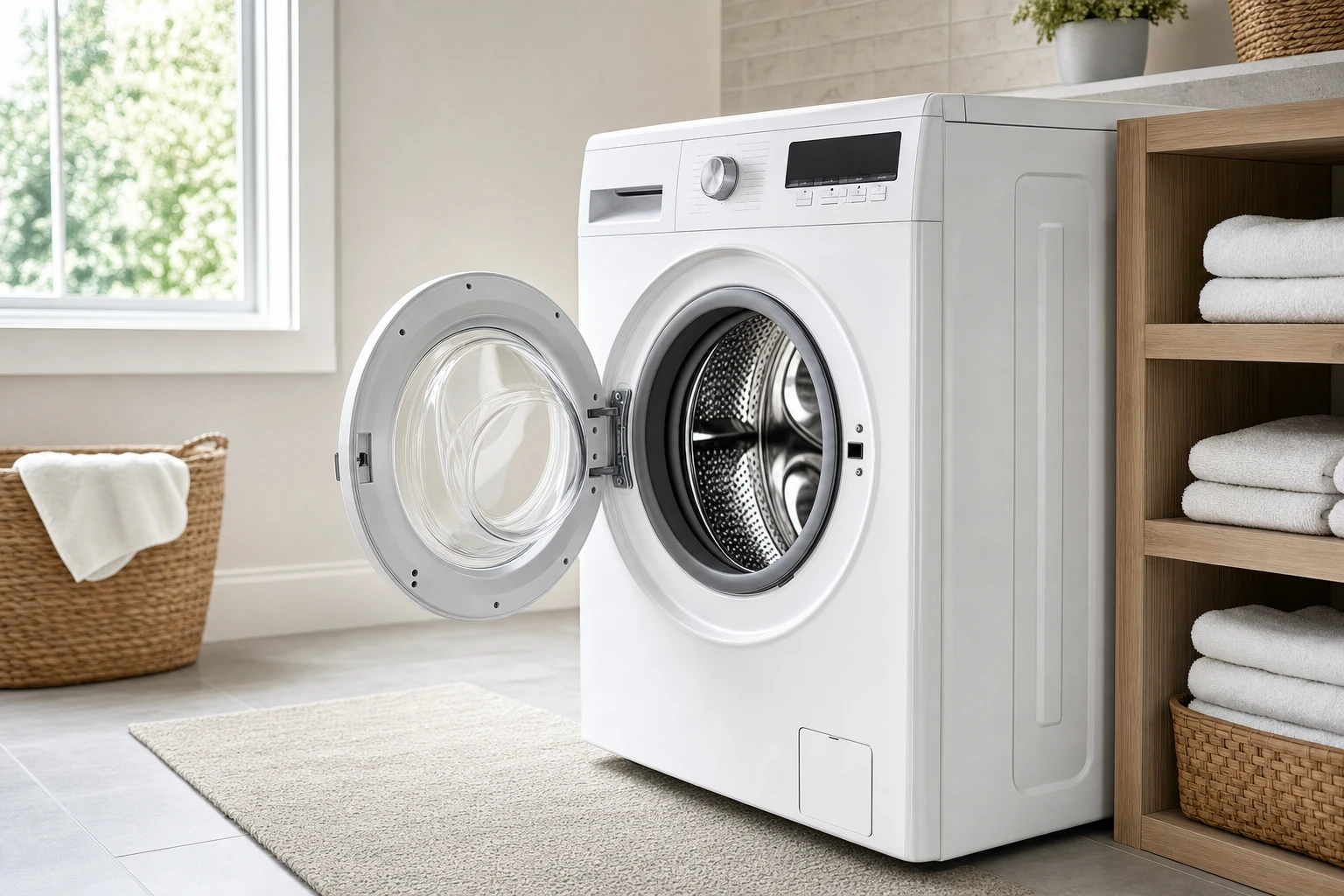
Washer not working? Learn the most common reasons your washing machine won't start, fill, spin, or drain—plus when to DIY and when to call a pro.
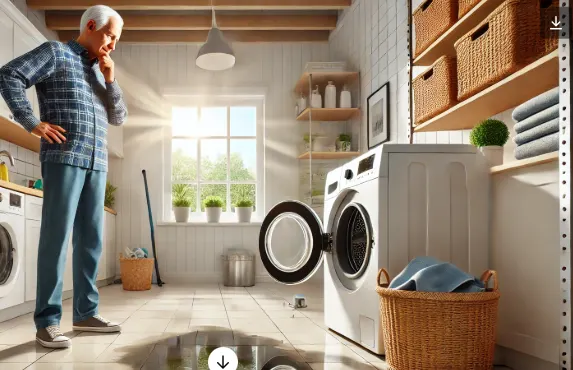
Discovering water leaking from beneath your washing machine can be frustrating and alarming. Quickly identifying why your washing machine is leaking from the bottom can prevent water damage and keep your laundry room safe and dry.
Let's explore common reasons why your washing machine leaks from the bottom. We provide practical tips to help you find and fix the leak—and help prevent leaks from happening.
KEY TAKEAWAYS

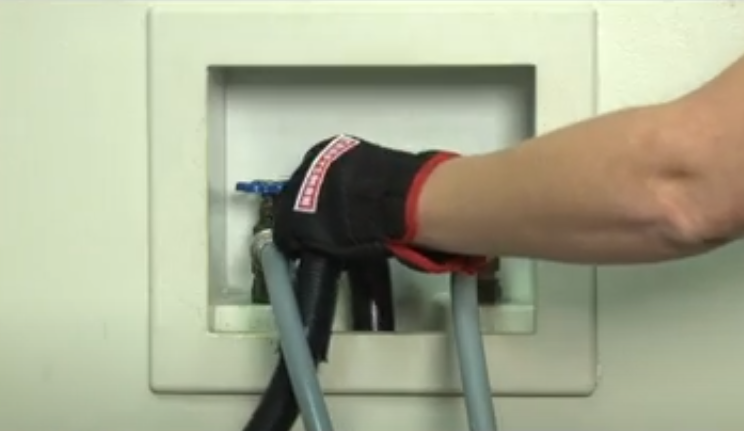
Problems with fill hoses are a leading cause of laundry room floods. Even a small drip coming from a worn out hose or loose connection can build up into a significant water puddle in practically no time.
Check the fill hoses and their connections first when you see you washing machine leaking from the bottom.
If a hose or connection is leaking, shut off the water supply faucets and replace both fill hoses. If one hose leaks, the other hose may begin leaking soon as well. Make sure that you tighten fill hose connections securely.
To prevent future fill hose leaks, inspect those hoses regularly for visible cracks, splits, or loose fittings. Replace damaged hoses and tighten any loose connections securely. Plan on replacing fill hoses every 3-5 years as a preventative measure even if they look okay.
Another common reason your washing machine leaks from the bottom is a faulty drain hose. This hose directs used wash water from the machine into your drainage system and can become cracked, worn out, or disconnected.
Examine the drain hose for any cracks, holes, or loose connections.
You can typically tilt a top-load washer over on its side (with the tub empty, power cord unplugged and fill hoses disconnected) to check the drain hose.
Reconnect any loose hose fittings securely. Replace the drain hose if it’s cracked or damaged.
Remove the back panel to check the drain hose. Further disassembly may be necessary on some models.
Tighten any loose hose fittings. Replace the drain hose if it’s cracked or damaged.

Inside your washer, various hoses channel water between components. These internal hoses may loosen, crack, or wear out, resulting in leaks from the bottom of your washing machine.
Unplug the washer if you haven’t already unplugged it during previous checks. Remove the top washer panel and inspect the internal hoses. Tighten any loose hose connections and replace any damaged internal hoses.
Schedule washer repair service if you need to have a service technician inspect and replace or tighten leaking hoses.

If you have a front-load washer leaking from the bottom, the door boot gasket—the rubber seal that prevents leaks—might be damaged or loose.
Inspect the door boot gasket for visible damage or loose spots. Reattach the door boot if it’s loose.
Replace the gasket immediately if you find a tear or crack in the rubber.
Here's a helpful video showing how to replace a door boot gasket on a front-load washer:
Replacing the door boot is a fairly advanced repair and sometimes requires special tools. If you’re unable to replace the part yourself, schedule washer repair service and we’ll send a Sears Home Services technician to your home to replace the door boot for you.
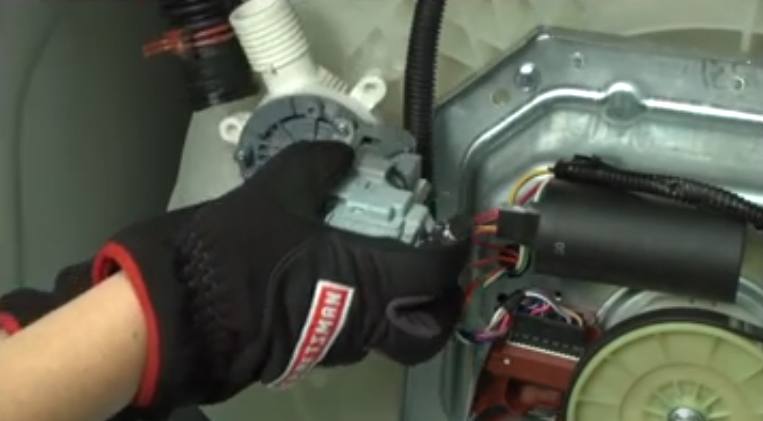
A malfunctioning or damaged drain pump can also cause your washing machine to leak water from the bottom. Signs include unusual noises during draining cycles or visible leaks around the pump area.
Listen for abnormal sounds and inspect the drain pump if it’s noisy or you suspect that it’s leaking.
Here’s a video that shows how to access and replace the drain pump in a top-load washer:
This video shows how to access and replace the drain pump in a front-load washer:
Have a service technician check and replace the pump if you’re not confident that you can complete this process on your own.
To avoid future incidents of your washing machine leaking from the bottom:
Proactive maintenance and swift action can save your laundry room from water damage and keep your washer running reliably for years.
With years of experience, our technicians possess the skills to repair your washer, regardless of the issue.
Loading scheduler options...
Washer not working? Learn the most common reasons your washing machine won't start, fill, spin, or drain—plus when to DIY and when to call a pro.
Learn how to repair a Kenmore washer with step-by-step fixes for common issues like leaks, no spin, and error codes. DIY tips plus when to call a pro.

Discover top load washer troubleshooting tips for common issues like water leaks, excessive vibrations, failure to fill with water, detergent residue, and startup problems.

Overloading your washing machine can lead to various issues, including premature wear and tear on vital components such as drive parts, seals, and bearings.
The drum is the core part of the washer that holds your laundry and enables the cleaning process through rotation, agitation, and rinsing.
Hard water is water that contains high levels of dissolved minerals, particularly calcium and magnesium. It contrasts with soft water, which has lower concentrations of these minerals.
A washing machine pedestal is a platform that raises the washer off the ground, providing easier access to the appliances and often includes additional storage space such as drawers.
A washer tub is the interior part of a washing machine where clothes are placed for washing, typically made of stainless steel, plastic, or porcelain-coated metal, designed to hold water and withstand the agitation or spinning during the wash cycle.
The most common reasons your LG washer is leaking from bottom are a clogged water valve assembly, broken motor or a cracked drain hose.
The most common reasons your GE washer won't start cycle are a malfunctioning electronic control board, jammed door lock assembly or a faulty user interface.
The most common reasons your Whirlpool washer is not rinsing are a faulty lid switch, a bad water-level pressure switch, or a defective timer.
The most common reasons your GE washer is not filling are a clogged water valve assembly, malfunctioning electronic control board or a bad water level pressure switch.
The most common reasons your Samsung washer top load is not filling with water are a clogged water valve, a malfunctioning PCB, or a cracked hose.
The most common reasons your Samsung washer is noisy are a damaged suspension rod, malfunctioning electronic control board or a broken motor.