 Appointment Lookup
 213-596-2538
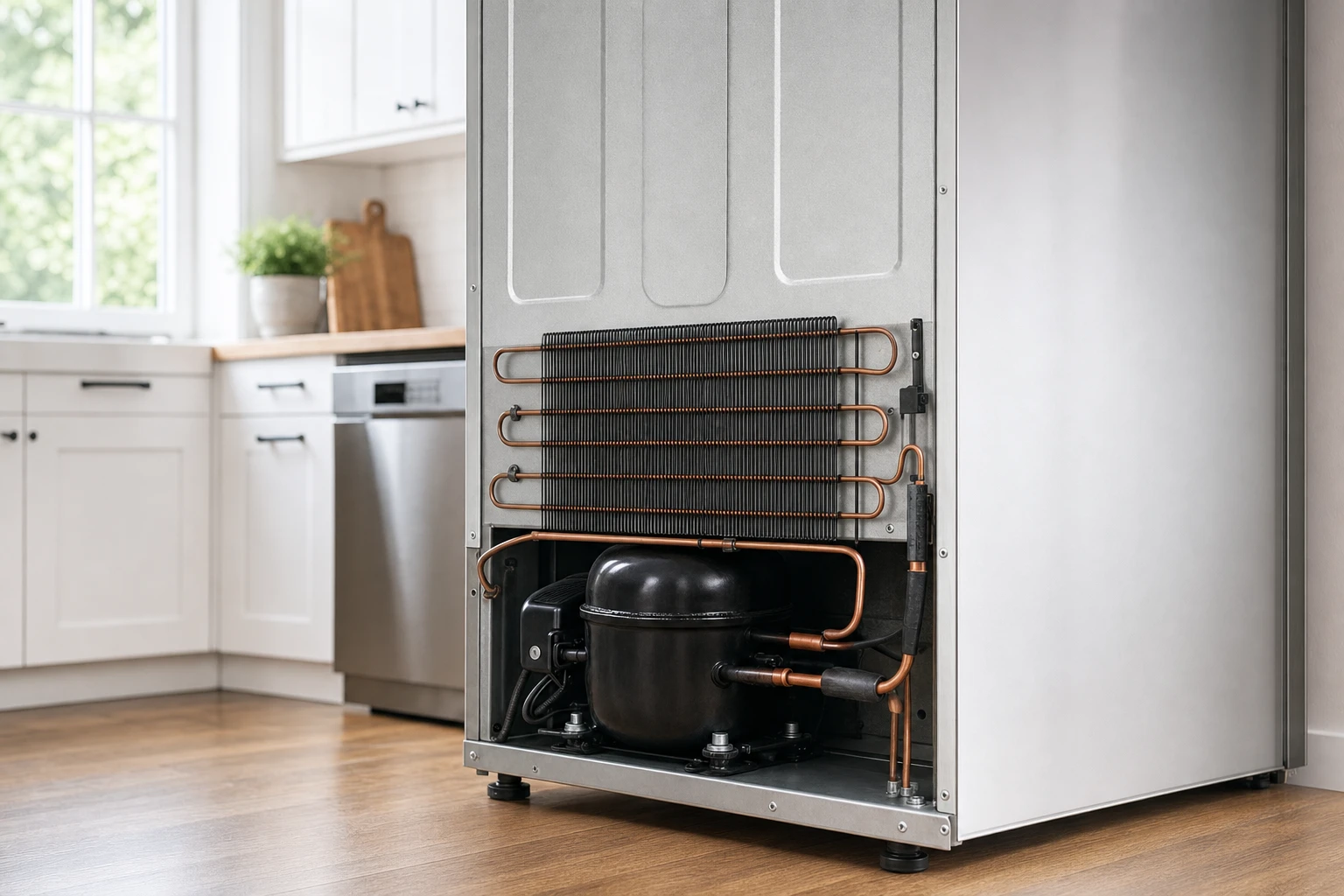
Learn what a freezer compressor is, how it works, signs it's failing, and when to repair or replace. Expert guide from Sears Home Services.
Samsung refrigerators are among the most popular models in American homes today, and for good reason. The combination of innovative technology, sleek design, and reliable operation sets Samsung apart. But, like all appliances, Samsung fridges can experience failures. Discover some of the most common problems your Samsung refrigerator could face, including cooling issues, total cooling failure, and ice maker malfunctions. Understanding these issues will help you troubleshoot and tackle them head-on.
KEY TAKEAWAYS
Cooling problems in Samsung refrigerators can be frustrating, especially when they occur in just one area. Understanding the root causes of these cooling issues can help you address them effectively.
When your refrigerator isn't cooling to the desired temperature but the freezer seems fine, several factors could be at play:
If your freezer isn't reaching the desired temperature, it can lead to thawed or food spoilage. To address this:
Samsung refrigerators equipped with the FlexZone feature offer a versatile compartment for different cooling needs. If the FlexZone isn't cooling adequately:
Troubleshooting and repairing refrigeration issues can be complex and time-consuming. For an accurate diagnosis and safe repairs, it's best to contact a professional. At Sears Home Services, our experienced technicians are skilled in handling Samsung refrigerator problems. Schedule an appointment with our experts to get your refrigerator cooling properly again.
When your Samsung refrigerator stops cooling entirely, it can lead to spoiled food and wasted groceries. But don't worry—there are steps you can take to troubleshoot the problem and find the best solution.
One of the most common reasons a refrigerator stops cooling is a faulty compressor. The compressor circulates refrigerant through the system, playing a key role in the cooling process. When it's not working correctly, the entire system is compromised. Because the compressor is part of the sealed refrigerant system, a certified technician is required to do the repair.
The electronic control board is like the brain of your refrigerator, managing various functions, including cooling. If the control board malfunctions, it can disrupt the entire cooling process. Signs of a faulty control board include erratic temperature readings and unresponsive control settings. Replacing an electronic control board is a delicate process that should be handled by a professional technician to ensure it’s done correctly.
The evaporator removes heat from inside the refrigerator. If the evaporator coils are frosted over or the evaporator fan isn’t working, the refrigerator will struggle to cool properly. Check for frost buildup on the coils, which may indicate a defrost system issue. Also, listen for the fan—if it’s not running, it might need to be replaced. The evaporator is another part of the sealed system and requires professional diagnosis and repair.
The thermostat regulates the internal temperature, and if it’s not functioning properly, the cooling system may not activate. Adjust the thermostat settings to see if that resolves the issue. If the problem persists, the thermostat may need replacement, which should be done by a professional.
Over time, dust and debris can accumulate on the condenser coils, preventing them from releasing heat. When the coils are dirty, the refrigerator struggles to cool effectively. Regularly cleaning the coils can improve the cooling efficiency of your refrigerator. Make sure to unplug the refrigerator before cleaning the coils to avoid any electrical hazards.
Worn or damaged door seals can prevent your refrigerator from maintaining a cool temperature. Warm air can seep in through cracks or gaps in the seals, making it harder for the refrigerator to stay cool. Inspect the seals for any signs of wear and tear, and replace them if necessary. Properly sealing the door helps maintain the correct temperature and ensures efficient operation.

If you’ve tried these troubleshooting steps and your refrigerator still isn’t cooling, it's time to call in a professional technician. They have the expertise and tools to diagnose and fix more complex issues with your Samsung refrigerator. Professional repair will make sure the problem is accurately identified and resolved.
If your Samsung refrigerator won't make ice, you're not alone. Ice maker problems are among the most common concerns for Samsung appliance owners.
If your ice maker isn't working, it could be due to a bad compressor. The compressor is crucial for keeping the freezer cold enough to produce ice in Samsung models. If the freezer isn't getting cold enough, the ice maker won't function properly. Suspect the compressor? It's time to call a technician to diagnose and address the issue.
A dirty or blocked water filter can also prevent the ice maker from producing ice. A clogged filter restricts water flow to the ice maker from the water inlet valve. Replacing the water filter with a new one can often resolve this problem. Regularly changing the filter according to the manufacturer's recommendations helps maintain a steady water supply.
Sometimes, the ice maker is producing ice, but a faulty dispenser prevents it from dispensing. Check the ice maker bin to see if ice cubes are present. If the bin is full but no ice is coming out, the dispenser might be the problem. This issue could involve the dispenser motor or mechanism, which may require professional repair.
A frozen water line is another common issue. A frozen water line leading to the ice maker will block the flow of water, so the ice maker won't make ice. Thawing the water line using a hairdryer or turning off the refrigerator for a few hours can often resolve this problem. Preventive measures include ensuring proper freezer temperature settings and avoiding overpacking the freezer, which can impede airflow.
Choosing the right service provider for your Samsung refrigerator repairs is a must for a lasting solution. Sears Home Services stands out as a trusted option for many homeowners, offering several benefits that make us the preferred choice for appliance repair and maintenance.
Our technicians are highly trained and experienced in diagnosing and repairing Samsung refrigerator problems. They stay updated with the latest repair techniques and are equipped with the necessary tools to handle any issue effectively. Their expertise means your refrigerator is fixed right the first time.
We use genuine Samsung parts for all repairs, making certain your refrigerator performs at its best. Using authentic parts not only restores your refrigerator’s functionality, but also helps extend its lifespan. Trusting Sears Home Services means you are getting the best for your appliance.
Refrigerator issues can be urgent, and we understand the need for prompt service. Our online scheduling system makes it easy to book an appointment at a time that suits you. We also offer same-day and next-day service in many areas, so your refrigerator problems are resolved quickly.
Customer satisfaction is our top priority at Sears Home Services. We provide a warranty on our repair services, giving you peace of mind that the job will be done right. Our commitment to quality and customer care means you can trust us with your home appliance repairs.
In addition to refrigerator repairs, we offer a wide range of home services, including maintenance and repairs for other appliances. This makes us a one-stop solution for all your home service needs. From routine maintenance to emergency repairs, Sears Home Services has you covered.
Choose Sears Home Services for all your Samsung refrigerator needs and experience professional, reliable, and comprehensive appliance care.
Backed by years of experience, our technicians possess the skills necessary to fix your refrigerator. And because our techs our local, they can fix it for you fast.
Loading scheduler options...
Learn what a freezer compressor is, how it works, signs it's failing, and when to repair or replace. Expert guide from Sears Home Services.

Discover the top 11 reasons why your refrigerator is not cooling. Get expert tips and solutions from Sears Home Services.
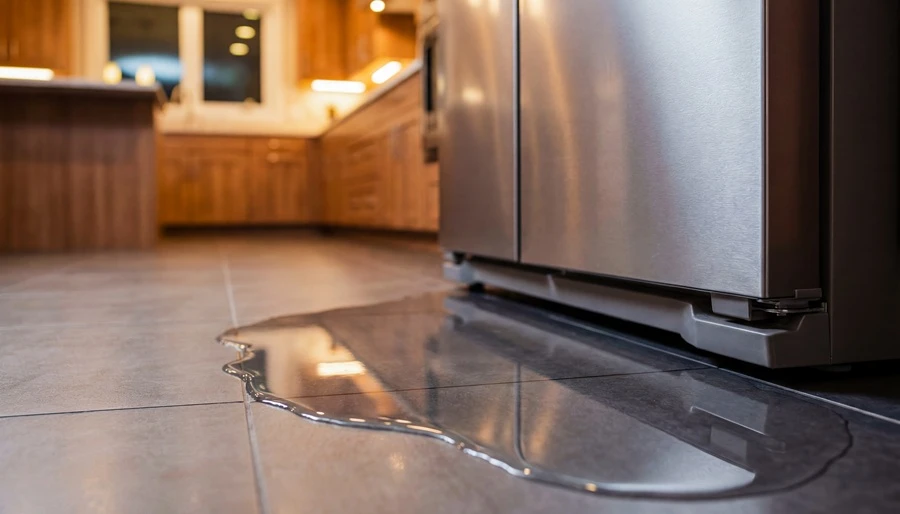
A leaking refrigerator is more than a household inconvenience—it can pose serious safety and health risks. This guide explains why refrigerators leak, the dangers involved, and the essential steps homeowners should take to protect their home, family, and appliance.

When your refrigerator starts making strange noises, distinguishing between normal sounds and potential problems becomes essential.
A compressor is a mechanical device that increases the pressure of a gas by reducing its volume, essential in various systems including refrigerators, air conditioners, and HVAC units for cooling and refrigeration processes.
A condenser is a component of HVAC and refrigeration systems, responsible for releasing absorbed heat from the refrigerant into the outside air or a water line, thus facilitating the cooling process.
A dual ice maker is a feature in some refrigerators that includes two separate ice makers: one in the fridge compartment and another in the freezer section. This setup doubles the appliance's ice-making capacity.
A French-door refrigerator features two doors that open side-by-side on the top section for the refrigerator compartment, with a bottom freezer drawer, combining style, efficiency, and easy access to both refrigerated and frozen goods.
The most common reasons your LG refrigerator icemaker reset button is not working are a faulty icemaker, a malfunctioning PCB, or a defective water valve.
The most common reasons your Samsung refrigerator is leaking water are a clogged defrost drain, cracked dispenser water tubing or a damaged evaporator.
The most common reasons your Kenmore Elite refrigerator stopped working are a locked compressor, damaged evaporator or a defective electronic control board.
The most common reasons your Maytag refrigerator stopped working are a locked compressor, damaged evaporator or a defective electronic control board.
The most common reasons your Kenmore refrigerator is noisy are a faulty ice maker assembly, defective electronic control board or a locked compressor.
The most common reasons your Kenmore refrigerator fan is not working are a defective electronic control board, damaged evaporator or a locked compressor.