 Appointment Lookup
 213-596-2538
Learn what a freezer compressor is, how it works, signs it's failing, and when to repair or replace. Expert guide from Sears Home Services.
Understanding Your Refrigerator's Leaks: More Than Just a Puddle
Is a Leaking Refrigerator Dangerous? The Immediate Concerns
Long-Term Risks: The Hidden Dangers of Persistent Leaks
Identifying the Source of the Leak: Your First Step to Safety
Immediate Actions When You Discover a Leak
When to Call a Professional: Knowing Your Limits
Preventative Measures: Keeping Your Refrigerator Leak-Free
The Verdict: Prioritize Safety and Prompt Action
Frequently Asked Questions
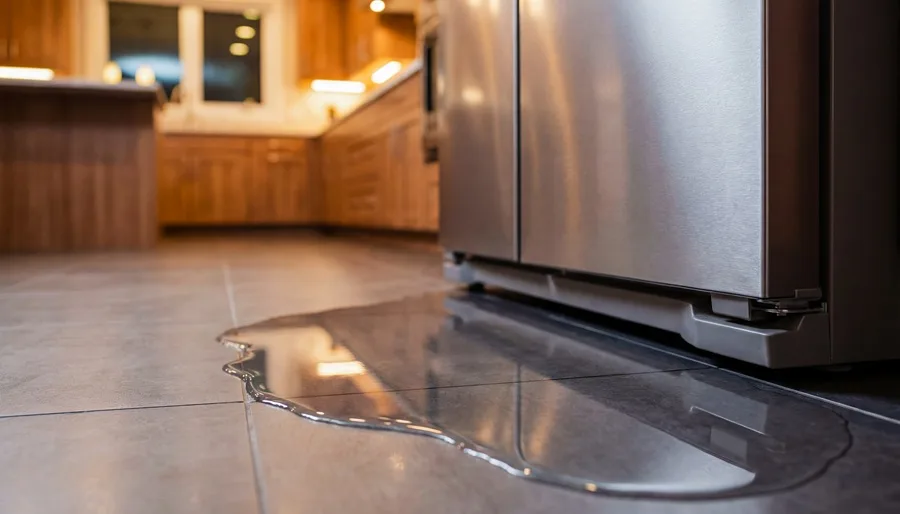
A refrigerator leaking water can be an alarming discovery, often prompting immediate concern. You might find yourself asking, "Is this just a nuisance, or does it pose a real threat?"
This homeowner’s guide will thoroughly address your concerns, outlining the immediate dangers and long-term consequences of a leaking refrigerator, and equip you with precise, actionable steps to ensure your safety and resolve the issue effectively.
KEY TAKEAWAYS
When you encounter water pooling around your refrigerator, it is not merely an inconvenience. This puddle is a symptom, a visible indicator that something is amiss within your appliance.
Ignoring it can lead to significant problems, both for your home and your health. Your immediate priority must be to understand the underlying causes and the potential risks involved.
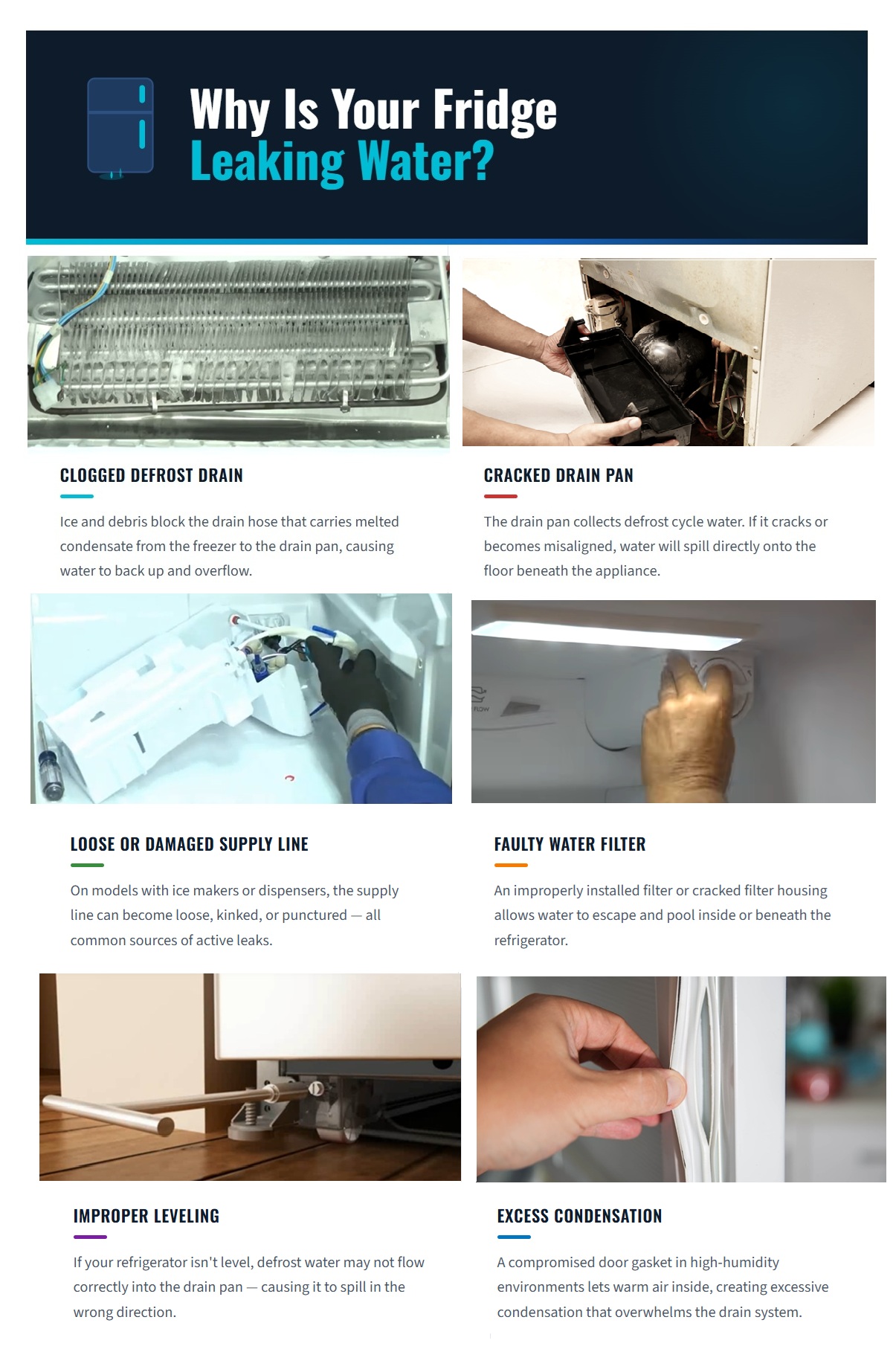
Refrigerators are complex appliances, and several issues can lead to water leaks. Understanding these common problems is crucial for accurate diagnosis and repair.
Each of these issues, while seemingly minor, can contribute to significant hazards if left unaddressed.
Yes, a fridge leaking water can be dangerous, presenting several immediate threats that demand your swift attention. You must recognize these dangers to protect yourself and your household.
Puddles of water and electricity are a perilous combination. Your refrigerator is a powerful electrical appliance, and even a small amount of water coming into contact with its electrical components can create severe risks.
Pro Tip: Never touch a leaking refrigerator or the puddle around it without first ensuring the power supply has been completely disconnected. Safety is paramount.
A wet floor, especially in a busy area like a kitchen, creates an immediate and obvious hazard: slip and fall accidents.
A fall can result in a range of injuries, from minor bruises and sprains to severe fractures, head trauma, or back injuries. For elderly individuals or those with mobility issues, these risks are significantly heightened. The slick surface created by the water can be difficult to perceive, especially in dimly lit conditions or when you are focused on other tasks.
You must address any standing water promptly to prevent such accidents. This is not merely about inconvenience; it is about preventing physical harm.
While visible, the water damage caused by a leak can extend far beyond the immediate surface, impacting the structural integrity and aesthetics of your home.
Recognizing these immediate dangers is the first step in mitigating them. Prompt action is always required.
Beyond the immediate hazards, a persistent or unaddressed refrigerator leak can lead to several long-term problems that affect your health and home environment. These hidden dangers often manifest over time, making early detection and resolution even more critical.
Excess moisture is the primary catalyst for mold and mildew growth. A persistent leak, even a small one, provides the ideal conditions for these fungi to thrive in hidden, dark spaces.
You must eliminate the moisture source to prevent mold growth. Merely cleaning visible mold is insufficient if the leak persists.
Persistent moisture and damp conditions attract various pests, turning your leaking refrigerator into an unwitting invitation for unwanted guests.
Pests can carry diseases, contaminate food, and cause further damage to your home. Addressing the leak promptly removes this attractive environment.
A refrigerator's primary function is to keep food at safe temperatures. A leak can be a symptom of a deeper problem affecting the appliance's cooling efficiency, directly impacting food safety.
You must monitor the internal temperature of your refrigerator. If it consistently runs warm, your food's safety is compromised, and it should be discarded.
Before you can fix the problem, you must accurately identify where the water is coming from. This systematic approach will help you pinpoint the source.

The location of the water often provides the first clue.
Carefully note where the water appears most concentrated.

This is a very common culprit.
Pro Tip: If the clog is persistent, the drain tube itself may be frozen further down. A professional refrigerator repair may be needed to thaw it safely and prevent future problems.

If your refrigerator has an ice maker or water dispenser, this is a critical area.
A simple tightening of a connection can often resolve these leaks.
If you’re unable to find or fix the source of a water system leak, schedule refrigerator repair service to have a Sears Appliance Repair technician fix the problem.

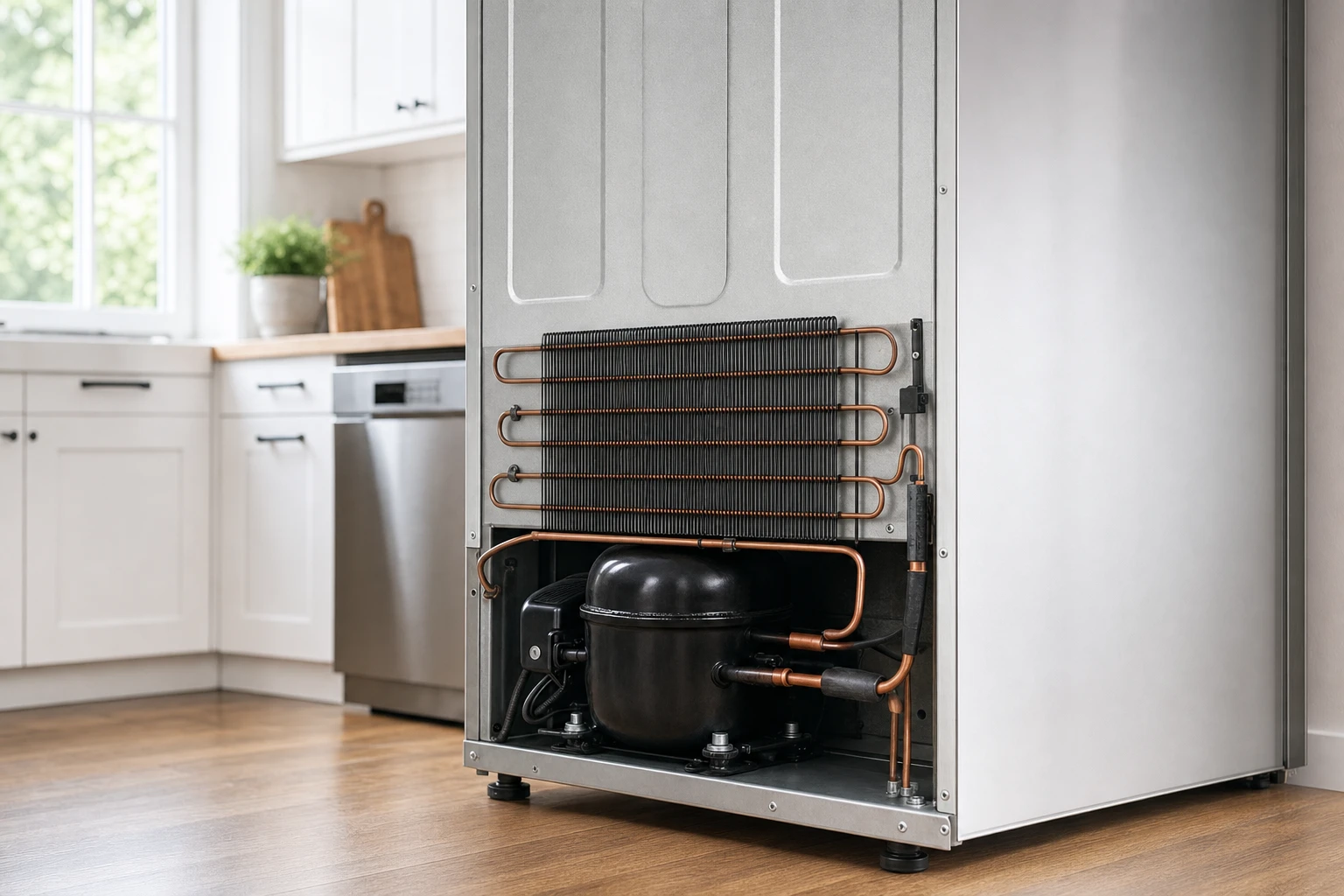
The drain pan is located at the bottom of your fridge near the compressor, usually accessible from the back bottom service panel.
The defrost drain pan holds the small amount of condensate water thawed from the evaporator coils during the automatic defrost cycle until that water evaporates (by design, evaporation is aided by the heat of the compressor).
An unlevel refrigerator can prevent proper drainage.
Place a carpenter's level on top of the refrigerator. Adjust the leveling feet (usually located at the front bottom corners) until the appliance is perfectly level from side to side and slightly tilted back. This slight tilt assists water flow into the drain pan.
By systematically checking these common points, you can often identify the precise source of the leak.
Upon discovering a refrigerator leak, your immediate response is critical for safety and damage control. Do not delay.
This is the most crucial step to prevent electrical hazards.
Never attempt to move or work on a leaking refrigerator that is still powered.
Limit the spread of water to prevent further damage and slip hazards.
Quick containment minimizes damage to your flooring and subfloor.
Once power is disconnected and water contained, you can safely begin your inspection.
If you can clearly identify and resolve a simple issue, like tightening a loose water line, you may be able to fix it yourself.
Prevent mold growth and eliminate lingering slip hazards.
A completely dry environment is essential to prevent secondary problems.

While some leaks can be resolved with DIY fixes, there are specific situations where professional intervention is not only recommended but essential for your safety and the longevity of your appliance.
Knowing when to call an expert can save you time, money, and prevent further damage.
If you suspect the leak has affected the refrigerator's electrical system, or if you notice flickering lights, burning smells, or repeated circuit trips, you must call a qualified appliance technician or electrician.
Electrical problems are inherently dangerous and require specialized knowledge and tools to diagnose and repair safely. Attempting to fix these malfunctions yourself can lead to severe injury or fire.
If you have followed the troubleshooting steps and attempted simple fixes (e.g., unclogging the defrost drain, tightening water lines), but the leak persists, it indicates a more complex underlying issue.
This could point to internal component failure, a hidden crack, or a problem requiring specialized parts and expertise for diagnosis and appliance repair. Professionals have diagnostic tools to identify subtle issues.
Refrigerant leaks are a rare cause for water leaks, but if your refrigerator is leaking a greasy or oily substance, or if you hear a hissing sound and notice a significant drop in cooling performance (causing ice to melt and a water leak), your fridge might have a refrigerant leak.
Refrigerants are chemicals that can be harmful if inhaled or come into contact with skin. They also require specialized equipment for safe handling and recharging. This is a job strictly for certified technicians.
If the leak has been ongoing for a significant period and has caused extensive water damage to your flooring, subfloor, cabinets, or walls, you may need more than just an appliance technician.
This level of damage often requires remediation specialists to address mold growth, dry out saturated materials, and perform structural repairs to your home. An appliance technician will fix the leak, but a damage restoration company will fix your home.
Recognizing these boundaries ensures that problems are resolved safely and effectively by those with the appropriate expertise.
Proactive maintenance is the most effective way to prevent future refrigerator leaks and ensure the long-term, safe operation of your appliance. Integrating these simple steps into your routine can save you from significant headaches and expenses.
This is one of the most common causes of leaks, and it is easily preventable.
Maintaining a clear defrost drain ensures water flows efficiently to the drain pan, preventing backups and overflows.
For refrigerators with ice makers or water dispensers, the water supply line is a potential leak point.
Early detection of minor issues can prevent catastrophic leaks.
A clogged or improperly seated water filter can lead to leaks and affect water quality.
Here are some pro tips from Sears Appliance Technician Wayne Archer for replacing your fridge water filter:
A fresh filter not only provides clean water but also maintains the integrity of the water system.
An unlevel refrigerator can interfere with the internal drainage system.
Correct leveling ensures that all internal components, including the drain pan, function as designed.
While not a direct cause of mechanical leaks, poor air circulation can lead to excessive condensation and stress on the cooling system, potentially exacerbating other issues.
These preventative measures empower you to take control of your appliance's health, significantly reducing the likelihood of leaks and extending its operational lifespan.
If you prefer to have a Sears Appliance technician perform all of these tasks and more to keep your fridge in top shape and operating efficiently without leaks, schedule professional refrigerator maintenance on our Sears Home Services website.
A leaking refrigerator is unequivocally more than a mere inconvenience; it poses substantial risks to your safety, your health, and the integrity of your home. From immediate electrical hazards and slip-and-fall dangers to long-term threats of mold, pests, and compromised food safety, the consequences of ignoring a leak can be severe and costly.
Your immediate response must prioritize safety. Disconnect power, contain the water, and then systematically identify the source. While some leaks can be resolved with simple, direct actions, recognize when a professional's expertise is required, particularly for electrical concerns, persistent issues, or extensive damage.
By integrating regular refrigerator maintenance and preventative measures into your routine, you can significantly reduce the likelihood of encountering such problems.
Always act decisively, precisely, and with a clear understanding of the potential risks. Your proactive approach ensures a safe home environment and extends the life of your essential appliance.
Backed by years of experience, our technicians possess the skills necessary to fix your refrigerator. And because our techs our local, they can fix it for you fast.
Loading scheduler options...
Learn what a freezer compressor is, how it works, signs it's failing, and when to repair or replace. Expert guide from Sears Home Services.

Discover the top 11 reasons why your refrigerator is not cooling. Get expert tips and solutions from Sears Home Services.
Discover the most common problems with Samsung refrigerators, including cooling issues, total cooling failure, and ice maker malfunctions. Learn how to troubleshoot these issues and find reliable repair solutions with Sears Home Services.

When your refrigerator starts making strange noises, distinguishing between normal sounds and potential problems becomes essential.
A compressor is a mechanical device that increases the pressure of a gas by reducing its volume, essential in various systems including refrigerators, air conditioners, and HVAC units for cooling and refrigeration processes.
A condenser is a component of HVAC and refrigeration systems, responsible for releasing absorbed heat from the refrigerant into the outside air or a water line, thus facilitating the cooling process.
A dual ice maker is a feature in some refrigerators that includes two separate ice makers: one in the fridge compartment and another in the freezer section. This setup doubles the appliance's ice-making capacity.
A French-door refrigerator features two doors that open side-by-side on the top section for the refrigerator compartment, with a bottom freezer drawer, combining style, efficiency, and easy access to both refrigerated and frozen goods.
The most common reasons your LG refrigerator icemaker reset button is not working are a faulty icemaker, a malfunctioning PCB, or a defective water valve.
The most common reasons your Samsung refrigerator is leaking water are a clogged defrost drain, cracked dispenser water tubing or a damaged evaporator.
The most common reasons your Kenmore Elite refrigerator stopped working are a locked compressor, damaged evaporator or a defective electronic control board.
The most common reasons your Maytag refrigerator stopped working are a locked compressor, damaged evaporator or a defective electronic control board.
The most common reasons your Kenmore refrigerator is noisy are a faulty ice maker assembly, defective electronic control board or a locked compressor.
The most common reasons your Kenmore refrigerator fan is not working are a defective electronic control board, damaged evaporator or a locked compressor.