 Appointment Lookup
 213-596-2538

Discover the reasons why your dryer is not drying and get expert troubleshooting tips to fix common drying problems.

When your dryer starts acting up, the question often arises: "Is it worth repairing a dryer or should I just replace it?" The answer isn't always clear. Consider factors like your dryer's age, condition, repair costs, and energy efficiency.
If your dryer is fairly new and the repair costs are reasonable, fixing it is likely the better option. If your dryer is older and frequently breaks down, replacing it might be more economical.
KEY TAKEAWAYS
Deciding whether to repair or replace your dryer depends on several important factors. Understanding these will help you make an informed choice, balancing cost, efficiency, and convenience.
A newer dryer in good condition is often worth repairing. Routine maintenance and minor fixes can extend its lifespan. In contrast, an older dryer with a history of frequent issues may be better off being replaced to avoid repeated issues.
Evaluate the costs involved. If repairing your dryer is cheaper than buying a new one, it's often the better option. If repair expenses approach the price of a new dryer, replacement becomes more practical and cost-effective.
Energy efficiency plays a significant role in this decision. Modern dryers consume less energy, which can lower your utility bills over time. If your current dryer is inefficient and drives up energy costs, investing in a new, energy-efficient model might be a wise choice.
The availability of replacement parts is another factor. For rare or discontinued dryer models, finding parts can be difficult and expensive. In such cases, replacing the dryer may be the simplest solution.
Consulting with a professional appliance technician can provide valuable insights. A technician can assess your dryer's condition, estimate repair costs, and help you decide the best course of action.
Deciding whether to tackle dryer repairs yourself or hire a professional hinges on your DIY skills, the repair's complexity, and the benefits of professional services.
For simpler repairs, such as replacing a heating element or fixing a broken belt, DIY can be a viable option. Online guides and tutorials provide step-by-step instructions to help you through the process. Tackling these repairs yourself can save money and give you a sense of accomplishment.
More intricate repairs, especially those involving motors or electrical components, should generally be handled by professionals. Attempting these repairs without the proper expertise can be risky and may lead to further damage or safety hazards. DIY attempts on complex issues may void warranties or insurance coverage.
Hiring a professional repair service offers several advantages:
When your dryer isn’t functioning properly, repairing it can offer several compelling benefits over replacement.
Repairing your dryer extends its lifespan, reducing the demand for new appliances and minimizing landfill waste. Choosing to repair helps conserve resources and supports a more eco-friendly approach to appliance management.
Dryers are a significant investment. Timely repairs keep your appliance operating efficiently, prolonging its lifespan. Maintaining your dryer through regular repairs protects your investment and helps you get the most value out of it.
Although repair costs might seem high initially, they are often much lower than the price of a new dryer. Fixing issues early can prevent more severe problems down the line, saving you money on major repairs or replacements in the future.
Choosing a trustworthy dryer repair service helps you be certain your appliance gets the care it needs. Here are some tips to help you make the right choice.
Start by researching local companies that specialize in dryer repairs. Look for businesses with a strong track record and years of experience. A company with a long-standing presence in the community often indicates reliability and quality service.
Verify that the repair service holds the necessary certifications and licenses. Qualified technicians with proper credentials ensure your dryer is repaired correctly and safely. Certifications and licenses also indicate that the company adheres to industry standards and best practices.
While cost shouldn't be the only factor, it's important to compare prices among different repair services. Ensure that the service you choose provides a clear estimate upfront. Ask about warranties on repairs, which can offer extra peace of mind and protection against future issues.
Regular maintenance and proper care can extend the lifespan of your dryer. Here are some tips to keep your appliance running smoothly for years.
Avoid overloading your dryer, as this can strain the motor and lead to premature wear and tear. Follow the manufacturer’s guidelines on load capacity to maintain optimal performance.
Invest in high-quality accessories like lint brushes and vent cleaning kits designed for your specific dryer model. These tools help you clean and maintain your dryer thoroughly and more effectively.
Consider scheduling regular maintenance checks with a professional technician. A routine inspection can identify and address potential issues before they become major problems, keeping your dryer in top condition.
Taking care of your dryer through regular maintenance and timely repairs not only extends its lifespan but also improves its efficiency, saving you money and ensuring safety. Whether you’re deciding between repair and replacement, choosing DIY repairs and professional services, or looking for ways to extend your dryer's life, making informed decisions is key.
At Sears Home Services, our skilled technicians are ready to assist with all your dryer repair and maintenance needs. With expert diagnosis, quality parts, and reliable service, we make certain your dryer operates at its best. Don’t let dryer issues disrupt your routine—schedule a repair with us today and experience the peace of mind that comes with professional care.
Contact Sears Home Services now to book your appointment and keep your dryer running smoothly for years to come.
Count on our knowledgeable technicians to provide thorough dryer repairs, ensuring your appliance operates at peak performance for years to come.
Loading scheduler options...
Discover the reasons why your dryer is not drying and get expert troubleshooting tips to fix common drying problems.
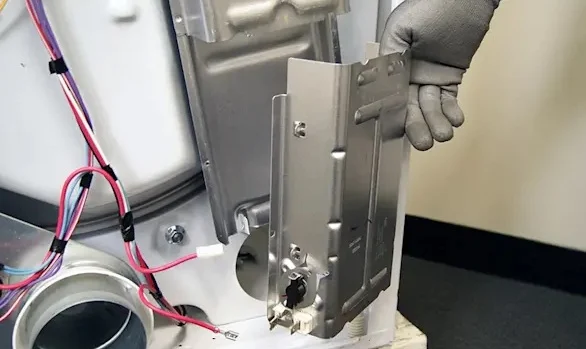
This step-by-step guide explains how to diagnose a faulty dryer heating element and replace it safely. Learn the tools you need, common symptoms of failure, and how to test your dryer after the repair.
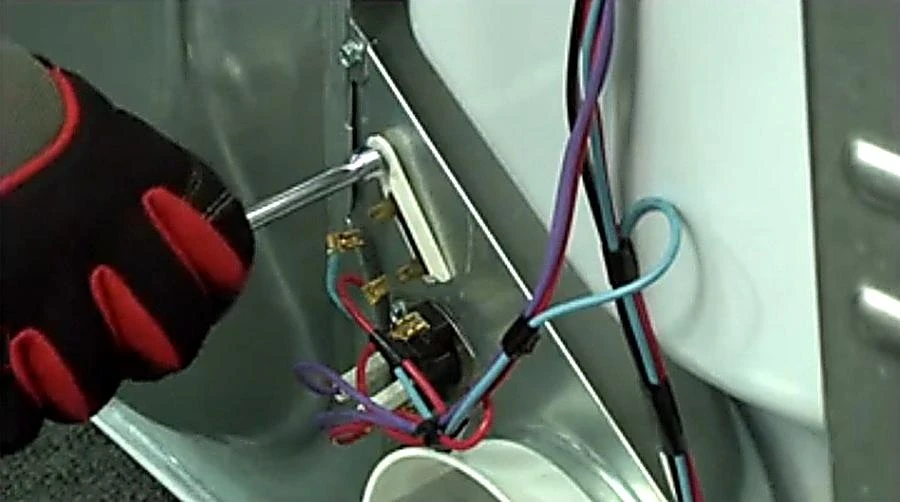
This Sears Home Services guide shows how to replace a thermal fuse in a dryer, including safety tips, troubleshooting steps, and best practices to maintain drying performance.

Learn why your dryer is squeaking and how to fix the problem with Sears Home Services.
A dryer drum is the main interior component of a clothes dryer where clothes are placed to be dried. It rotates during the drying cycle, allowing heated air to circulate through the clothes.
A dryer filter, commonly known as a lint filter, is a component of a clothes dryer that captures lint and other debris from clothes during the drying process, preventing them from clogging the dryer vent.
A dryer pedestal is a platform that elevates a dryer off the ground, making it easier to load and unload laundry while also providing additional storage space in some models.
A dryer rack is an accessory for clothes dryers that provides a stationary platform to dry items without tumbling, ideal for delicate or bulky items, or shoes that might be damaged by the usual drying cycle.
Whirlpool dryer not heating? Get expert Whirlpool dryer repair for gas and electric models. Fast, reliable service to restore heat today!
The most common reasons your Samsung dryer is blowing cold air are an open heating element, a failed thermal cut-off fuse, or a defective PCB.
The most common reasons your Bosch dryer is not drying are a clogged vent tube, open heating element or a bad wire connector.
The most common reasons your Hotpoint dryer is not heating are an open heating element, failed thermal cut-off fuse or a faulty thermal fuse.
The most common reasons your Maytag dryer has no heat are an open heating element, failed thermal cut-off fuse or a faulty thermal fuse.
The most common reasons your Samsung dryer has no heat are an open heating element, failed thermal cut-off fuse or a faulty thermal fuse.