 Appointment Lookup
 213-596-2538
LG dryer not drying completely? Learn the top causes—clogged vents, bad sensors, heating issues—and when to call a pro for fast repair.
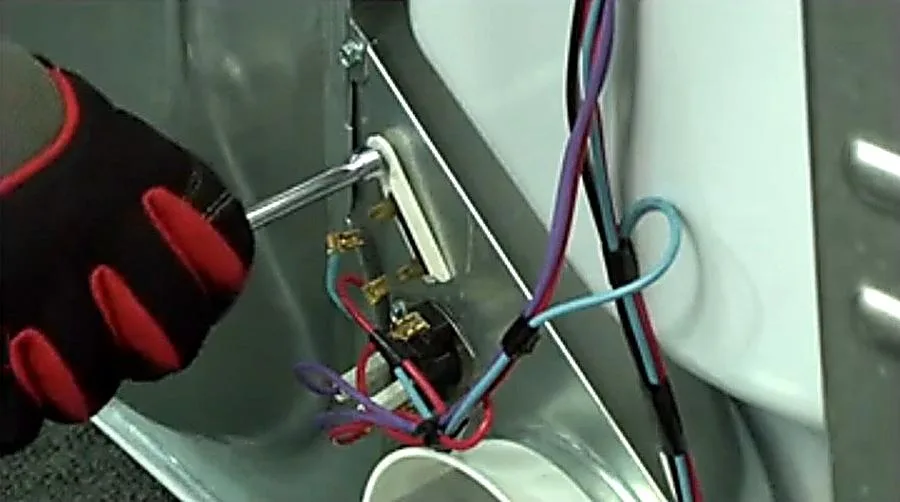
Dryers depend on proper airflow and safe temperature regulation to operate effectively and safely. A thermal fuse is a small but critical safety device inside your dryer. If it overheats due to airflow obstruction or other problems, the fuse “blows” and stops the dryer from running — and it cannot be reset once it fails.
To fix this issue and get your dryer working again, you will need to replace the thermal fuse in your dryer.
KEY TAKEAWAYS
The thermal fuse is designed to prevent overheating. It blows when the dryer’s internal temperatures rise above safe operating levels — often caused by blocked vents, excessive lint buildup, or a restricted airflow system.
Once the fuse is blown, electrical continuity is broken, and either the dryer won’t start or your dryer won’t heat.
Pro Tip: A blown thermal fuse typically prevents an electric dryer from running while a gas dryer often won’t heat when its thermal fuse is blown.
If you feel unsure about performing this repair yourself, a Sears Home Services technician can handle the replacement and inspect your dryer’s airflow system to prevent future issues.
• 1/4-inch nut driver
• Flat-blade screwdriver
• Work gloves
• Vacuum cleaner or shop vac
• Dryer vent cleaning brush#
This video shows how to replace the thermal fuse in a common type of dryer:
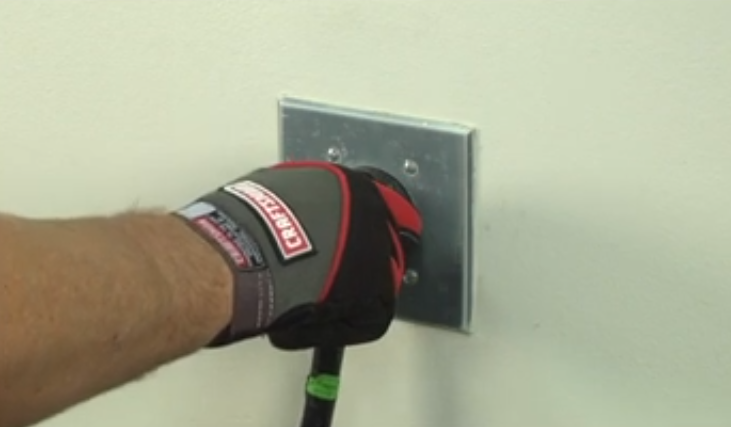
Safety first: unplug the dryer from the electrical outlet before starting any work. For a gas dryer, shut off the gas supply valve.
Wear work gloves to protect your hands.
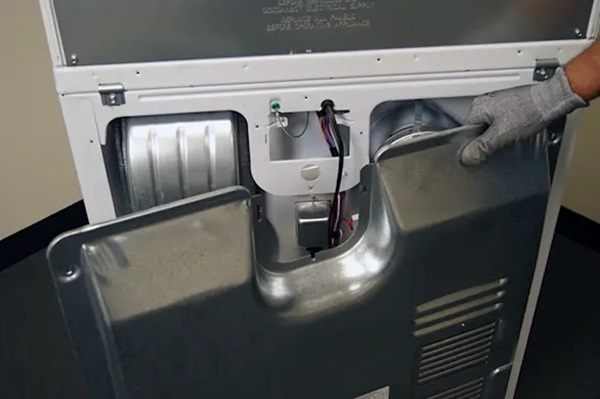
The thermal fuse is often located on the back panel of the dryer near the blower housing.
Remove the access panel screws with a nut driver and set the panel aside.
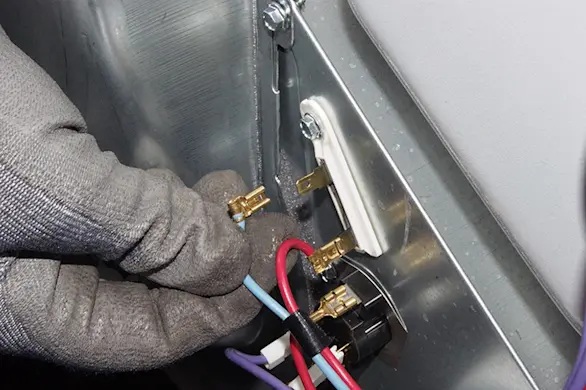
Carefully disconnect the wires attached to the old thermal fuse.
Use your nut driver to remove the mounting screw and take the fuse out of the housing.
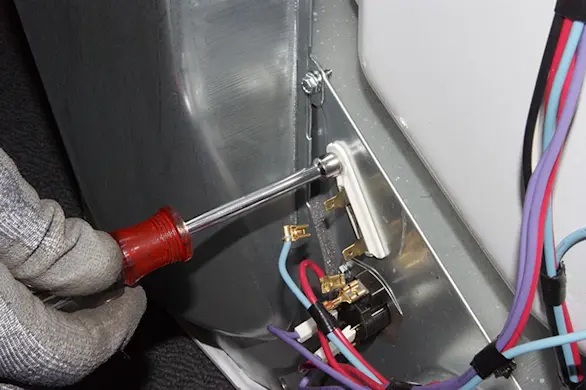
Place the new thermal fuse where the old one was mounted and secure it with the screw.
Push the wire connectors firmly onto the fuse terminals (wire order usually does not matter).
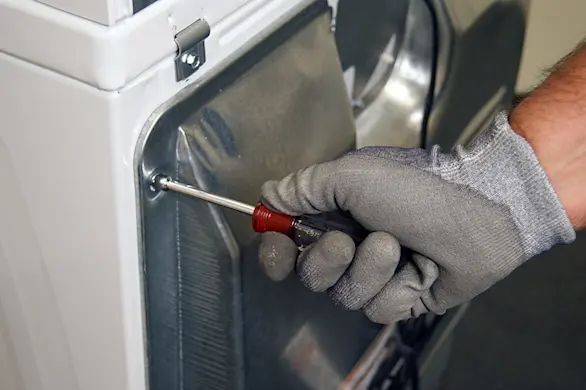
Replace the access panel and tighten all screws. Plug the dryer power cord back into the wall outlet.
Open the gas supply cut-off valve if you have a gas dryer.
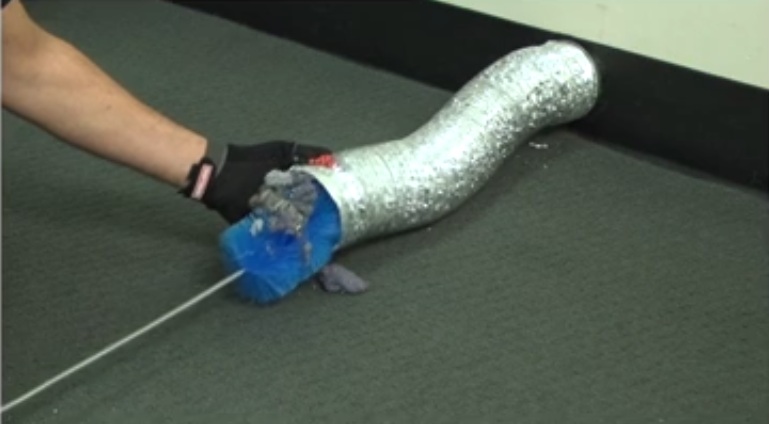
To help ensure the new fuse doesn’t blow prematurely, clean your dryer’s vent hose and exhaust system to remove lint and debris. Good airflow prevents overheating.
Note: The location of the dryer thermal fuse varies by model. If your dryer is different from the one shown above, find the location on the parts diagram for your model on our Sears PartsDirect.
Here’s a parts diagram image that shows another typical location of the dryer thermal fuse:

You'll need to unplug the dryer and remove the front panel to access the thermal fuse when it's in this location.
Remember: If you feel unsure about performing these steps yourself, a Sears Home Services technician can handle the thermal fuse replacement and inspect your dryer’s airflow system to prevent future issues.
Taking the time to clean the vent system and following these dryer use and maintenance practices will help keep your appliance in top shape and prevent repeated blown fuses.
Count on our knowledgeable technicians to provide thorough dryer repairs, ensuring your appliance operates at peak performance for years to come.
Loading scheduler options...
LG dryer not drying completely? Learn the top causes—clogged vents, bad sensors, heating issues—and when to call a pro for fast repair.
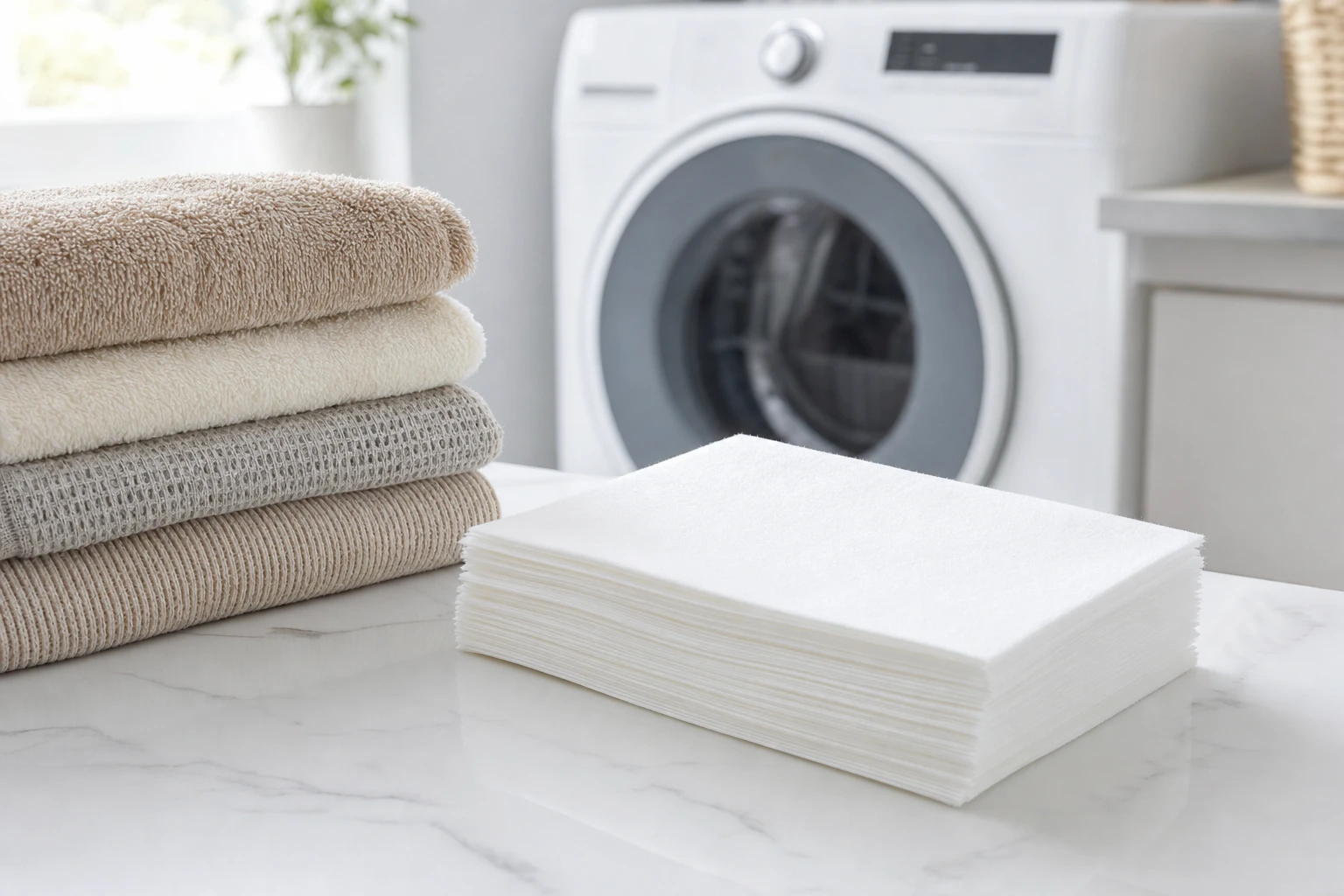
Are dryer sheets toxic? Learn what's really in them, health and dryer risks, safer alternatives, and when to call a pro for dryer repair.
When your dryer won’t stay running during a cycle, it can throw a huge wrench in your laundry routine.

Discover the reasons why your dryer is not drying and get expert troubleshooting tips to fix common drying problems.
A dryer drum is the main interior component of a clothes dryer where clothes are placed to be dried. It rotates during the drying cycle, allowing heated air to circulate through the clothes.
A dryer filter, commonly known as a lint filter, is a component of a clothes dryer that captures lint and other debris from clothes during the drying process, preventing them from clogging the dryer vent.
A dryer pedestal is a platform that elevates a dryer off the ground, making it easier to load and unload laundry while also providing additional storage space in some models.
A dryer rack is an accessory for clothes dryers that provides a stationary platform to dry items without tumbling, ideal for delicate or bulky items, or shoes that might be damaged by the usual drying cycle.
Whirlpool dryer not heating? Get expert Whirlpool dryer repair for gas and electric models. Fast, reliable service to restore heat today!
The most common reasons your Samsung dryer is blowing cold air are an open heating element, a failed thermal cut-off fuse, or a defective PCB.
The most common reasons your Bosch dryer is not drying are a clogged vent tube, open heating element or a bad wire connector.
The most common reasons your Hotpoint dryer is not heating are an open heating element, failed thermal cut-off fuse or a faulty thermal fuse.
The most common reasons your Maytag dryer has no heat are an open heating element, failed thermal cut-off fuse or a faulty thermal fuse.
The most common reasons your Samsung dryer has no heat are an open heating element, failed thermal cut-off fuse or a faulty thermal fuse.