 Appointment Lookup
 213-596-2538
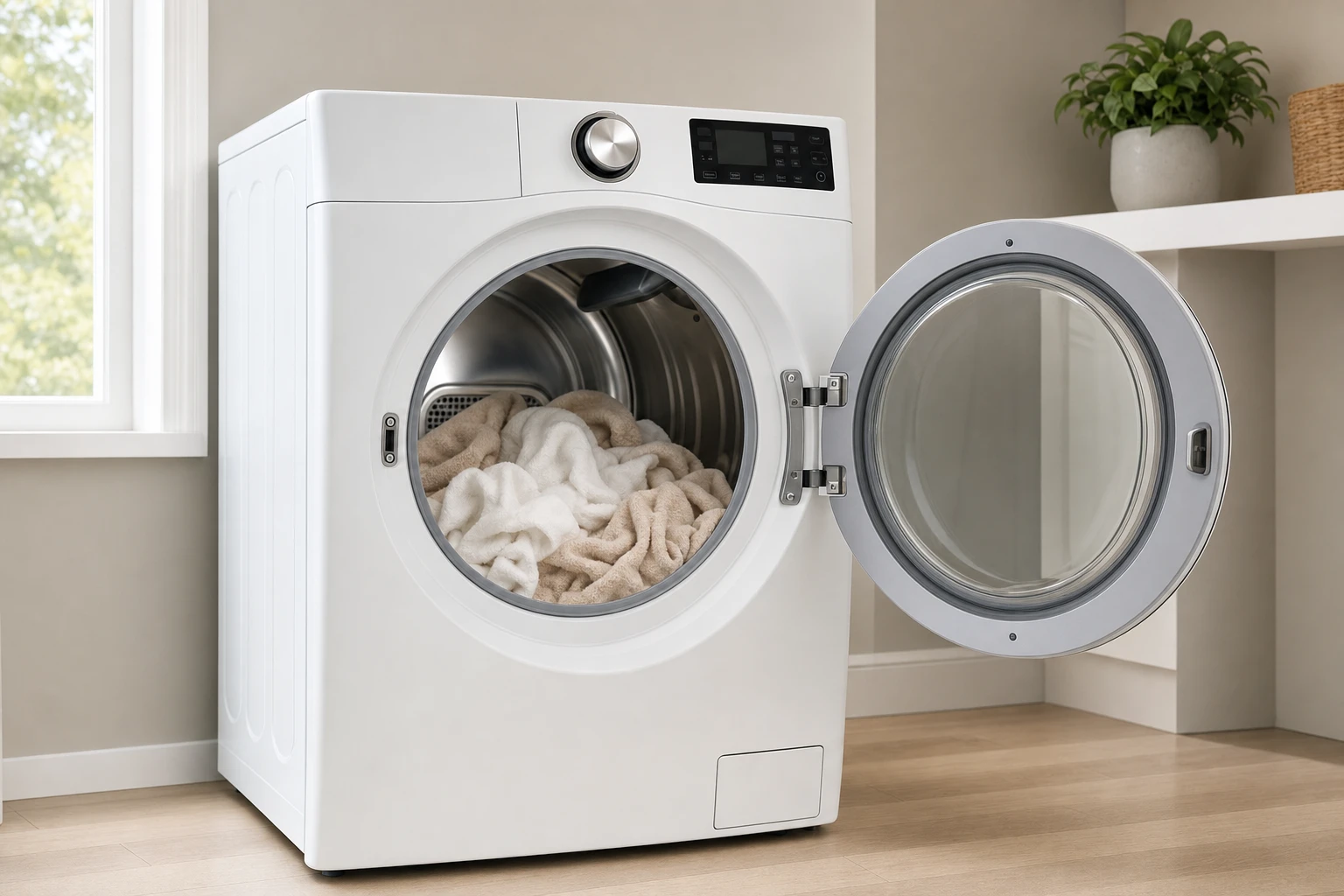
LG dryer not drying completely? Learn the top causes—clogged vents, bad sensors, heating issues—and when to call a pro for fast repair.

If your dryer isn't heating up, it's more than just a nuisance – it's a laundry day disaster waiting to happen.
Luckily, our experts have compiled five simple DIY solutions to troubleshoot and fix the issue, saving you both time and frustration. Before you call in a professional, give these tips a try and get your dryer back in action.
KEY TAKEAWAYS
They call them clothes dryers for a reason. They're supposed to actually dry your clothes. So when you've got wet clothes after running a load in the dryer, your appliance isn’t doing its job.
Before you panic, though, not all dryer problems require a visit from a technician. Derrick Baylor, an appliance expert at Sears, offers his advice for troubleshooting common problems that could lead to a dryer not heating up — and simple ways to fix them.
Some of the most common reasons why your dryer is not getting hot include:
Read on for more details about how to resolve these problems when your dryer is not getting hot.
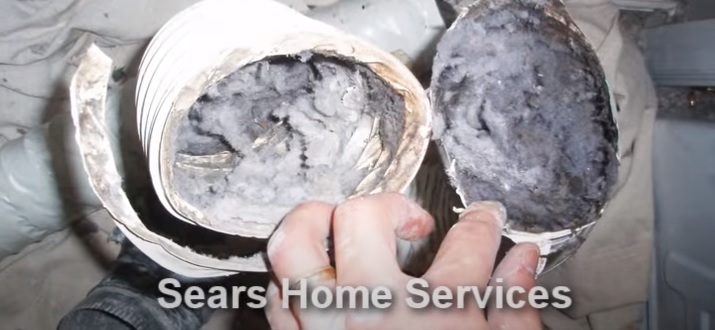
This is the most common cause of a dryer not heating. To check if your venting is clogged, start a timed dry on high heat. Go to the exhaust vent outside and use your hand to verify that the air is very warm and exiting at a decent flow. If there's little airflow, your venting likely needs to be cleaned or replaced. If the temperature's too low, there may be an operational issue with the dryer, which should be checked by an authorized service technician.

Is there a proper electrical or gas supply to the dryer? Dryers get their electricity from a 240-volt circuit supplied by two 120-volt lines. If only one of the lines is working, the dryer will run but not heat up. With gas, the appliance won't heat if your gas is off. Both issues should be checked by a professional.
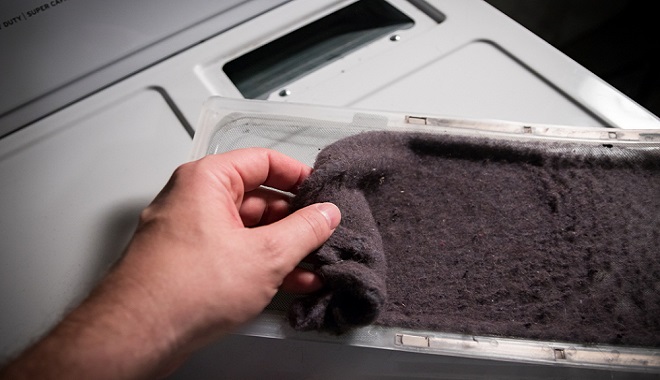
If your lint screen is plugged up or dirty, it will reduce airflow and prevent clothes from drying. Remove as much excess lint as you can and soak the lint screen in hot water and dish soap. If needed, use a soft toothbrush to scrub the screen clean.
What type of load are you drying? If you mixed large and small items, that might be the problem. Washing and drying similar items together is imperative to proper performance. This is especially true on an auto dry cycle. Putting things like towels and sheets together can cause the dryer to heat at a lower level and sometimes even shut off, thinking the items are dry. The smaller or lighter clothes will be dry, but the larger, heavier items will still be damp.
The dryer might not even be to blame — the issue could be with the washer. If your washing machine isn't draining completely or isn't spinning enough water out of the clothes, it will be harder for the dryer to do its job.
When your dryer isn't working, there are times when it's best to have a Sears Technician diagnose and fix the problem instead of attempting a DIY repair.

You'll typically need to schedule a Sears Technician to examine and repair your dryer when it blows a thermal fuse. A clogged exhaust vent duct system usually causes the thermal fuse to blow. The dryer overheats and trips the thermal fuse when hot exhaust air can’t make it through the duct system to the outside of your home. Other problems such as faulty thermostats or temperature sensors can also cause the thermal fuse to blow. Having a service technician diagnose and repair the problem will ensure that the problem gets fixed properly and permanently.

When the heating element breaks in your dryer, the appliance will stop heating and clothes won’t get dry. Sometimes, the heating element can short to the metal inside the cabinet and cause an electrocution hazard. It’s best to have a service technician examine and repair the dryer when the heating element breaks.

Thermostats inside the dryer control drying temperature and prevent the dryer from overheating. When a thermostat breaks, the dryer can overheat or not heat at all. Because a dryer typically has several thermostats, it’s best to have a service technician examine your dryer and fix the problem.

A dryer with a dial timer typically has a timer motor that moves the control dial through the cycle. If the dial doesn’t move and dryer keeps running without stopping, the timer motor may be defective. Other problems can prevent the control dial from advancing to the end of the cycle so it's important to have a service technician diagnose and repair a timer failure.
Some electrical failures are way too complicated for DIY'ers to diagnose and repair on their own. Finding and fixing electrical issues can be dangerous. Also, finding and repairing issues with the gas supply system in a gas dryer can be dangerous. Schedule a Sears Technician to diagnose and fix your dryer when you’re unable to determine why it won’t run or heat.
Many appliance repair DIY'ers view videos on YouTube and fix their dryers themselves. Although advanced repairs on gas and electric dryers are dangerous and risky, you may be able to troubleshoot some basic dryer failures on your own by watching our safe and easy-to-follow DIY repair videos.
Always unplug the dryer and shut off the gas supply before attempting any DIY repair and troubleshooting procedure.
For an electric dryer that won’t heat, follow the troubleshooting tips in this video.
When you have a gas dryer that doesn’t heat, follow the troubleshooting steps in this video.
Sears dryer repair technicians know all the top dryer brands such as Whirlpool, Frigidaire, Samsung, GE, LG and Kenmore. We can fix your dryer no matter where you bought it.
Sears Home Services has more than 1,500+ local repair technicians across the US who are highly trained and skilled to fix your dryer.
Our techs repaired over a million laundry appliances in the past year, so they have the experience needed to repair your dryer the right way. Choose the nationwide leader in appliance repair to fix your dryer when you encounter a failure. Schedule your dryer repair now.
Also, it's a good idea to prevent these types of issues before they cause the need for a professional repair. Get appliance maintenance and cleaning on your dryer every year. Dryers are the number-one cause of house fires, so making sure yours is in tip-top shape is vital.
Sears Technicians will vacuum excess lint, check the venting, and make sure the electrical components, drum rollers, motor and electric heating element (or if it's gas, gas burner assembly) are humming right along.
A lack of dryer heat often stems from a clogged vent, damaged heating element, blown thermal fuse, or simply an overloaded cycle.
When your DIY troubleshooting doesn't resolve the problem, schedule dryer repair through Sears Home Services for a professional fix.
Count on our knowledgeable technicians to provide thorough dryer repairs, ensuring your appliance operates at peak performance for years to come.
Loading scheduler options...
LG dryer not drying completely? Learn the top causes—clogged vents, bad sensors, heating issues—and when to call a pro for fast repair.
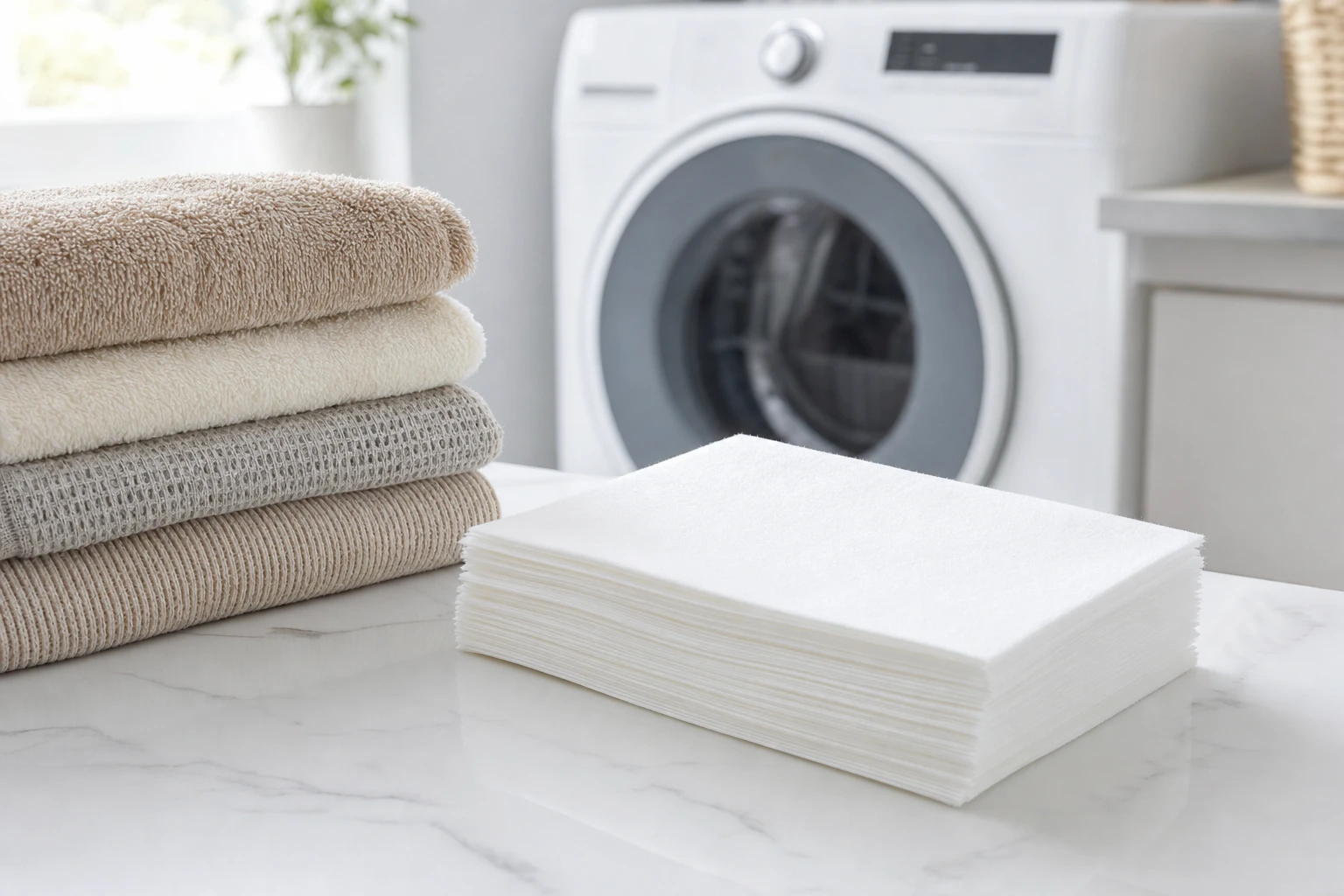
Are dryer sheets toxic? Learn what's really in them, health and dryer risks, safer alternatives, and when to call a pro for dryer repair.
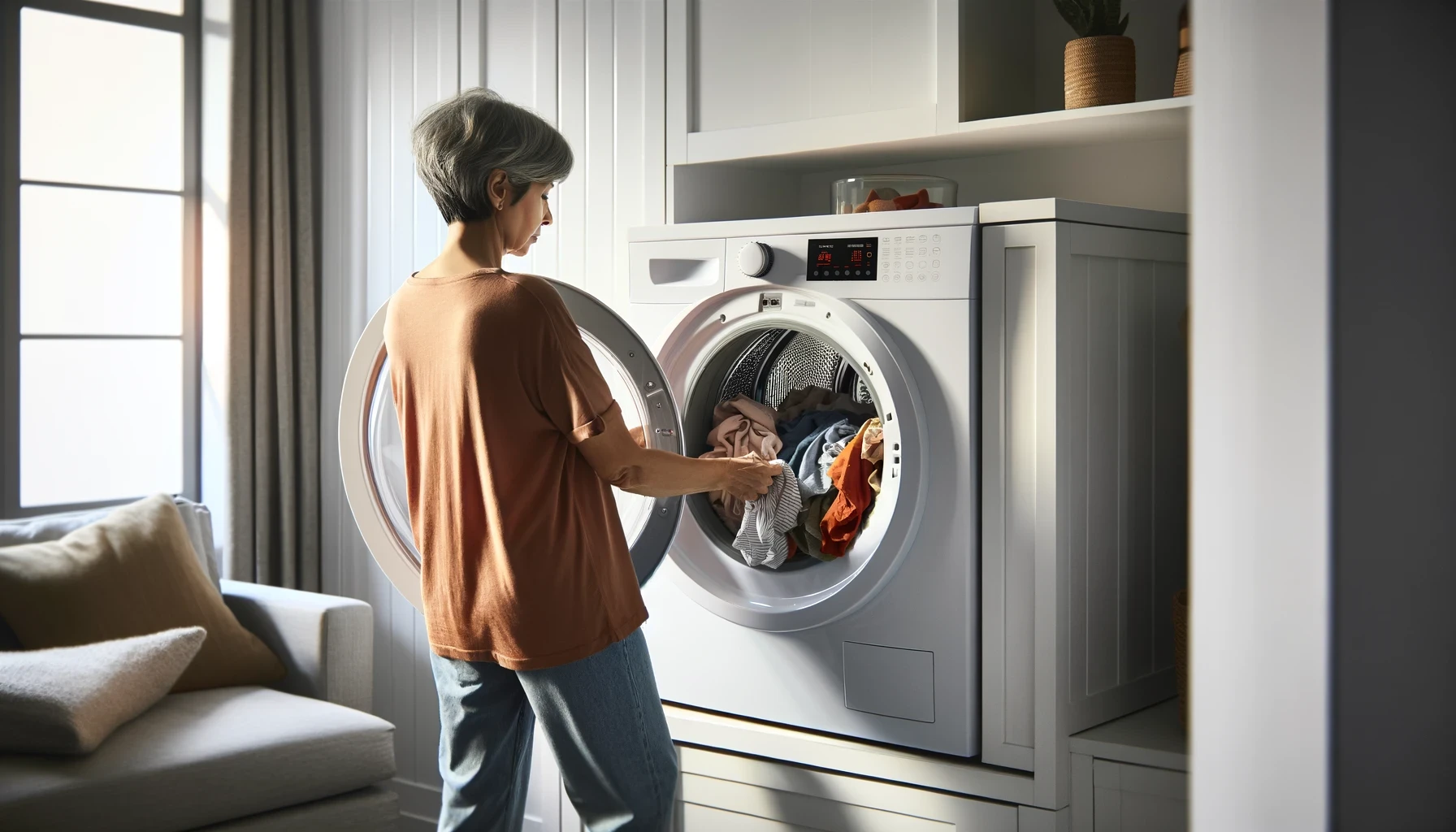
When your dryer won’t stay running during a cycle, it can throw a huge wrench in your laundry routine.

Discover the reasons why your dryer is not drying and get expert troubleshooting tips to fix common drying problems.
A dryer drum is the main interior component of a clothes dryer where clothes are placed to be dried. It rotates during the drying cycle, allowing heated air to circulate through the clothes.
A dryer filter, commonly known as a lint filter, is a component of a clothes dryer that captures lint and other debris from clothes during the drying process, preventing them from clogging the dryer vent.
A dryer pedestal is a platform that elevates a dryer off the ground, making it easier to load and unload laundry while also providing additional storage space in some models.
A dryer rack is an accessory for clothes dryers that provides a stationary platform to dry items without tumbling, ideal for delicate or bulky items, or shoes that might be damaged by the usual drying cycle.
Whirlpool dryer not heating? Get expert Whirlpool dryer repair for gas and electric models. Fast, reliable service to restore heat today!
The most common reasons your Samsung dryer is blowing cold air are an open heating element, a failed thermal cut-off fuse, or a defective PCB.
The most common reasons your Bosch dryer is not drying are a clogged vent tube, open heating element or a bad wire connector.
The most common reasons your Hotpoint dryer is not heating are an open heating element, failed thermal cut-off fuse or a faulty thermal fuse.
The most common reasons your Maytag dryer has no heat are an open heating element, failed thermal cut-off fuse or a faulty thermal fuse.
The most common reasons your Samsung dryer has no heat are an open heating element, failed thermal cut-off fuse or a faulty thermal fuse.