 Appointment Lookup
 213-596-2538
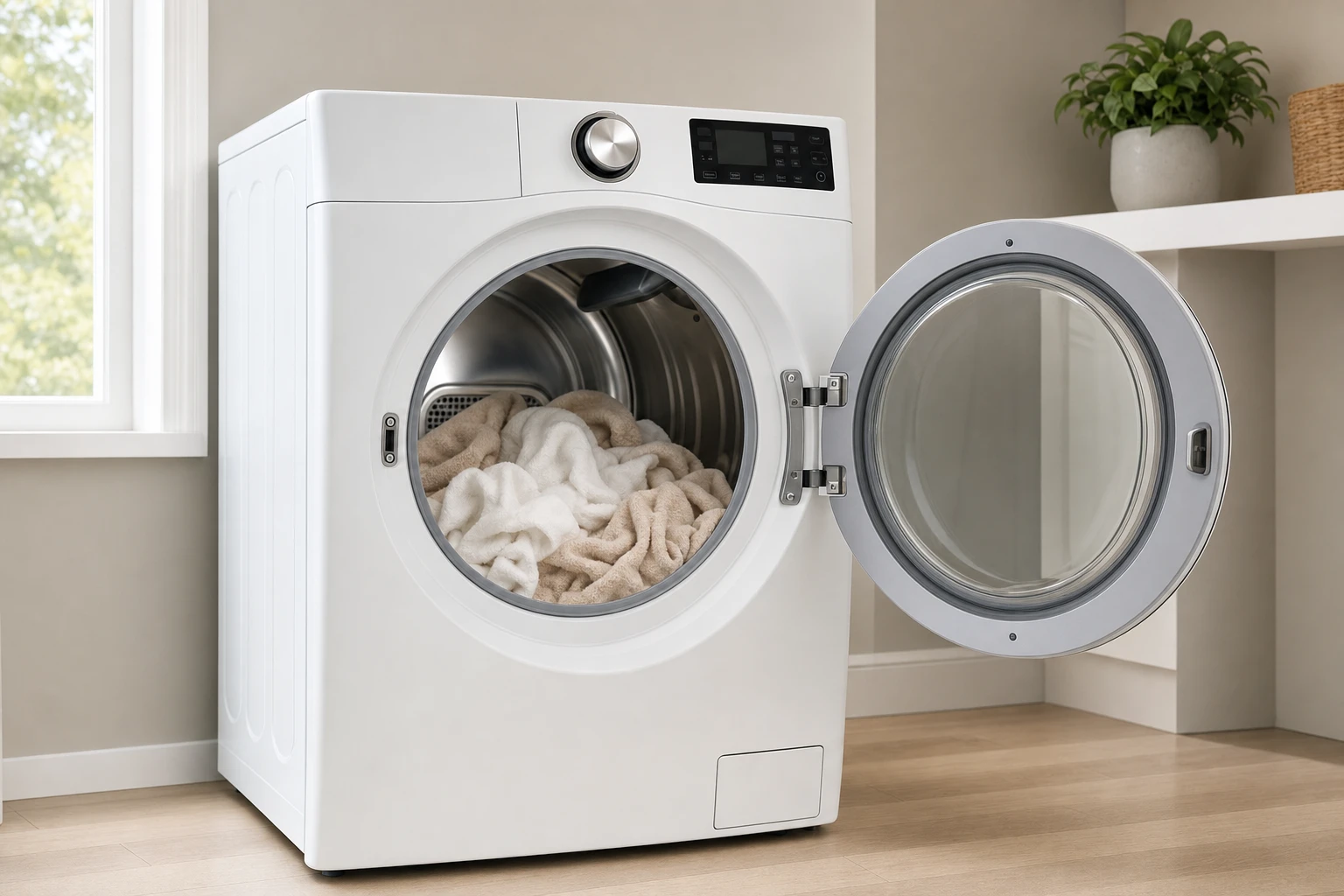
LG dryer not drying completely? Learn the top causes—clogged vents, bad sensors, heating issues—and when to call a pro for fast repair.

When your dryer isn’t drying your clothes, it can be frustrating and inconvenient.
It's not unusual for heavier items like comforters, jeans or towels to have a few damp patches when the drying cycle ends, especially in a mixed load of light and heavy fabrics. But when the whole load is still wet, you need to figure out why and fix the clothes dryer.
A dryer’s failure to function properly is often caused by one of several common issues. Here’s a breakdown of potential reasons and how to address them.
KEY TAKEAWAYS
Lint buildup on the lint screen or in the exhaust vent restricts airflow through the dryer needed to dry clothes. This is the #1 cause of clothes dryer drying problems.
When the dryer blow can’t expel the moist air from the clothes, the garments continue to tumble around in a warm and humid dryer drum.
Remove lint and debris from the lint screen before starting every load.
Monthly, wash the lint screen with water and a soft-bristled brush to remove fabric softener and dryer sheet residue from the screen as shown in this video:
Remove the flexible exhaust vent behind the dryer and clear lint out of that component using a vacuum cleaner and lint brush if needed.
Clean lint buildup out of the exhaust vent duct system that carries dryer exhaust air to the outside of your home. You can use a leaf blower or exhaust lint brush tool to clear the duct system. Make sure that the damper on the vent outlet on the outside of your home opens properly.
If you need or prefer to have a professional clean the dryer vent duct system for you, schedule dryer vent duct cleaning service and we’ll send a service provider to your home to clean the dryer vent.

When the drum is too full, clothes can’t tumble freely, preventing hot air from circulating effectively.
Reduce the size of your load and try drying again. Follow the dryer loading guidelines in the owner’s manual for your appliance.

If the heating element is damaged or broken, the dryer won’t produce the heat necessary to dry clothes.
When the dryer isn’t heating, follow the troubleshooting steps in this video to determine the cause of the problem and fix it:
If you’re unable to determine the cause of a heating failure and fix it on your own, schedule dryer repair service and we’ll send a Sears Home Services technician to your home to fix the dryer.

A gas dryer won’t heat when the dryer overheats and trips the thermal fuse. A clogged exhaust vent system is the #1 cause of a blown thermal fuse.
Note: A blown thermal fuse in an electric dryer will typically prevent the dryer from running (not heating).
Check the exhaust vent system and clear it as described in the first section above if you find it blocked.
To test the thermal fuse and gas dryer heating system to determine the cause of the heating failure, follow the steps in this video:
If your diagnosis indicates that the thermal fuse is blown, replace it as shown in this DIY video:
If you can’t find and fix the cause of a gas dryer heating problem on your own, have a dryer repair technician examine and fix the dryer.

Many modern dryers use a moisture sensor to determine when clothes are dry.
The moisture sensor consists of two metal bars that detect conductivity of electric current through wet clothes. When clothes are dry, the metal bars no longer detect conductivity and the control considers the clothes dry.
If the moisture sensors are coated with dryer sheet residue and lint, the metal bars won’t detect conductive moisture in the clothes and the dryer control will end the cycle while the clothes are still wet or moist.
Clean the moisture sensor bars with a damp cloth to remove residue and lint.
By addressing these problems that cause poor drying quickly, you can restore the performance of your appliance so it dries clothes efficiently every time.

Proper dryer maintenance helps prevent drying problems and will keep your appliance in top shape and lasting longer.
Follow the maintenance tips in this video to keep your dryer working smoothly:
Schedule annual dryer maintenance by a Sears Home Services technician. Our dryer tech will vacuum lint and dust out of the inside of your dryer cabinet where this buildup can cause a fire if not removed regularly. The technician will also check the heating and exhaust system, drive system, electrical system and controls and make any adjustments necessary to keep your dryer in top shape.
Being proactive in maintaining your dryer will help you avoid unexpected breakdowns and keep the dryer working efficiently.
Slow or incomplete drying may signal a lint blockage, faulty heating element, or poor airflow. Use these tips to regain efficiency and protect your garments. If cleaning and maintenance don’t solve all your household woes, Sears Home Services can handle dishwasher appliance repair near me to keep every appliance performing at its best.
Reduced heat or airflow can leave clothes damp despite a full cycle. This blog flags blocked vents, worn heating elements, or defective thermostats as common culprits. If quick checks don’t help, a deeper examination might be needed. Look to dryer repair service near me for a targeted fix that restores full drying power.
Count on our knowledgeable technicians to provide thorough dryer repairs, ensuring your appliance operates at peak performance for years to come.
Loading scheduler options...
LG dryer not drying completely? Learn the top causes—clogged vents, bad sensors, heating issues—and when to call a pro for fast repair.
Are dryer sheets toxic? Learn what's really in them, health and dryer risks, safer alternatives, and when to call a pro for dryer repair.
When your dryer won’t stay running during a cycle, it can throw a huge wrench in your laundry routine.
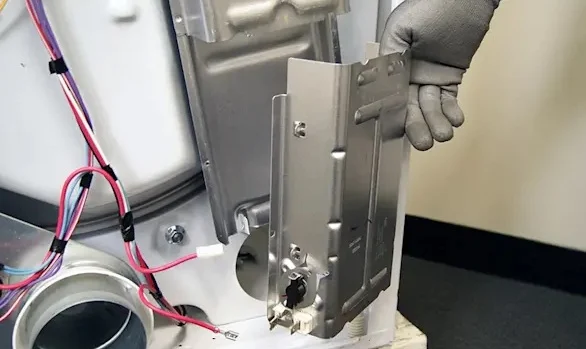
This step-by-step guide explains how to diagnose a faulty dryer heating element and replace it safely. Learn the tools you need, common symptoms of failure, and how to test your dryer after the repair.
A dryer drum is the main interior component of a clothes dryer where clothes are placed to be dried. It rotates during the drying cycle, allowing heated air to circulate through the clothes.
A dryer filter, commonly known as a lint filter, is a component of a clothes dryer that captures lint and other debris from clothes during the drying process, preventing them from clogging the dryer vent.
A dryer pedestal is a platform that elevates a dryer off the ground, making it easier to load and unload laundry while also providing additional storage space in some models.
A dryer rack is an accessory for clothes dryers that provides a stationary platform to dry items without tumbling, ideal for delicate or bulky items, or shoes that might be damaged by the usual drying cycle.
Whirlpool dryer not heating? Get expert Whirlpool dryer repair for gas and electric models. Fast, reliable service to restore heat today!
The most common reasons your Samsung dryer is blowing cold air are an open heating element, a failed thermal cut-off fuse, or a defective PCB.
The most common reasons your Bosch dryer is not drying are a clogged vent tube, open heating element or a bad wire connector.
The most common reasons your Hotpoint dryer is not heating are an open heating element, failed thermal cut-off fuse or a faulty thermal fuse.
The most common reasons your Maytag dryer has no heat are an open heating element, failed thermal cut-off fuse or a faulty thermal fuse.
The most common reasons your Samsung dryer has no heat are an open heating element, failed thermal cut-off fuse or a faulty thermal fuse.