 Appointment Lookup
 213-596-2538

Discover top load washer troubleshooting tips for common issues like water leaks, excessive vibrations, failure to fill with water, detergent residue, and startup problems.

A clogged washer drain hose might throw a wrench into laundry day, but there's no need to worry. Understanding the causes of these blockages, learning straightforward methods to clear them, and implementing tips to prevent future issues can keep your appliances running smoothly. Sears Home Services equips homeowners with the necessary tools and knowledge to tackle common appliance challenges. Ready to clear that clog and get your washer working again?
KEY TAKEAWAYS
Understanding why a washer drain hose clogs can save you from unexpected disruptions in your laundry schedule. Often, these clogs result from a combination of materials and environmental factors that can be managed with regular maintenance and a bit of know-how.
Identifying what leads to a blockage is the first step toward prevention and solution. Here’s what typically gets in the way:
Recognizing early signs of a clog can prevent more serious issues, such as machine damage or flooding. Keep an eye out for these indicators:
Taking swift action not only resolves current clogs but can also prevent future issues, keeping your appliance in top condition:
By addressing the causes of clogs and responding to early symptoms, you can maintain the efficiency of your washing machine and avoid the hassle of unexpected repairs. With these tips and proactive measures, your laundry routine will run smoother and your machine will last longer.
Restoring the draining function of your washing machine is easier than you think. Here's a step-by-step guide on how to unclog your washer drain hose safely and effectively.
Before you begin, gather all the necessary tools and materials for a smooth and efficient unclogging process. You will need:
Proper preparation can prevent spills and ensure safety. To get ready for the unclogging process, follow these steps:
There are a couple of effective methods to remove clogs from your washer's drain hose. Here’s how to apply each method:
After successfully unclogging the drain hose, reconnect it to the washing machine and drain pipe, and run a cycle to verify it's draining correctly. If you're still wondering "how do I drain a washing machine?" after these steps, it's time to seek professional help.
Proper maintenance of your washer drain hose will prevent future clogs and provide long-term washer performance. By incorporating a few routine practices, you can keep your washing machine's drainage system efficient and clog-free.
Regular inspections and maintenance can reduce the risk of clogs. Here's what you should include in your routine:
A simple yet effective way to catch debris before it reaches the drain hose is by using a mesh lint trap:
Incorporating an annual deep cleaning into your maintenance routine can greatly boost the performance and longevity of your washing machine:
By following these maintenance tips and incorporating regular checks, you can extend the life of your washing machine and reduce the likelihood of inconvenient clogs. Keeping your washer in optimal condition not only improves its efficiency but also saves you time and money on potential repairs.
Don’t let a simple oversight lead to bigger problems down the road. Schedule your yearly washer maintenance with Sears Home Services today, and rest easy knowing your washing machine will run smoothly year-round. Let us help you maintain the performance and reliability of your appliance—schedule your service appointment now and experience the peace of mind that comes with the care of the experts you trust!
If frequent clogs keep returning despite thorough drain-hose cleanings, the underlying cause may lie deeper in the pump or tub assembly. Rather than dismantle your washer further, consider a wash machine repair near me lookup. An experienced technician can nip stubborn drainage issues in the bud.
With years of experience, our technicians possess the skills to repair your washer, regardless of the issue.
Loading scheduler options...
Discover top load washer troubleshooting tips for common issues like water leaks, excessive vibrations, failure to fill with water, detergent residue, and startup problems.
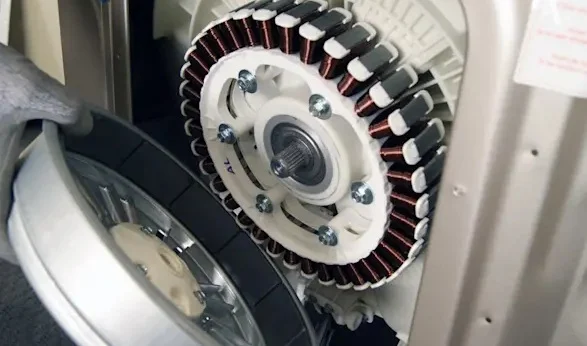
Kenmore washer showing LE? Discover what this motor error means, common causes, DIY fixes, and when to call for professional repair.

Whirlpool washer F21 error? Learn what this long drain code means and follow step-by-step fixes to get your washer draining properly again.

When your washing machine starts vibrating and shaking, it's not just an inconvenience—it's a disruptive event that demands immediate attention.
The drum is the core part of the washer that holds your laundry and enables the cleaning process through rotation, agitation, and rinsing.
Hard water is water that contains high levels of dissolved minerals, particularly calcium and magnesium. It contrasts with soft water, which has lower concentrations of these minerals.
A washing machine pedestal is a platform that raises the washer off the ground, providing easier access to the appliances and often includes additional storage space such as drawers.
A washer tub is the interior part of a washing machine where clothes are placed for washing, typically made of stainless steel, plastic, or porcelain-coated metal, designed to hold water and withstand the agitation or spinning during the wash cycle.
The most common reasons your LG washer is leaking from bottom are a clogged water valve assembly, broken motor or a cracked drain hose.
The most common reasons your GE washer won't start cycle are a malfunctioning electronic control board, jammed door lock assembly or a faulty user interface.
The most common reasons your Whirlpool washer is not rinsing are a faulty lid switch, a bad water-level pressure switch, or a defective timer.
The most common reasons your GE washer is not filling are a clogged water valve assembly, malfunctioning electronic control board or a bad water level pressure switch.
The most common reasons your Samsung washer top load is not filling with water are a clogged water valve, a malfunctioning PCB, or a cracked hose.
The most common reasons your Samsung washer is noisy are a damaged suspension rod, malfunctioning electronic control board or a broken motor.