 Appointment Lookup
 213-596-2538

Find expert tips for finding the cause of excessive frost inside your freezer.

A frost-free freezer might sound ideal, but not all freezers are built that way. Chest freezers don’t defrost themselves. Most, but not all, upright freezers do have an automatic defrost system. You'll need to defrost an upright freezer if it doesn't have an automatic defrost system.
Over time, frost can build up on the walls and shelves of your freezer if it doesn’t defrost on its own, reducing its efficiency.
Knowing when and how to defrost your freezer will help you keep it running smoothly and save you money in the long run. Let’s break down why defrosting matters, how often to do it, and the right way to tackle the job.
KEY TAKEAWAYS
Freezers work hard to keep your food frozen at a consistent temperature. However, frost buildup can interfere with cooling, causing your freezer to work overtime.
To understand why defrosting a freezer matters, let’s start with an explanation of what causes frost in a freezer.
Frost inside a freezer is caused by warm, moist air entering the freezer compartment. The water vapor condenses and freezes on the cold surfaces inside the freezer to create snowy frost.
The sources of warm, moist air entering the freezer include:
When frost builds up on the walls and shelves of your freezer, it can:
By defrosting your freezer regularly, you help maintain its performance, optimize storage space, and extend its life. Also, a stable environment in your freezer, achieved by removing ice buildup, helps reduce freezer burn and improves the quality and safety of your frozen foods.
Finally, knowing why defrosting a freezer matters requires an understanding of the difference between an upright freezer with an automatic defrost system and a chest or upright freezer that requires manual defrosting.
An upright freezer with an automatic defrost system has an evaporator with cooling fins and a fan positioned behind the back all inside the freezer. The evaporator fan blows air across the evaporator fins and then throughout the freezer to cool the compartment and freeze the food.
Every 8 hours or so, the freezer will enter the automatic defrost mode. Here’s how the automatic defrost system works:
Chest freezers and manual defrost upright freezers don’t use an evaporator with fins and an evaporator fan to cool the freezer compartment and freeze items inside the freezer.
The evaporator inside the chest freezer is refrigerant tubing that runs through the inside walls of the freezer just inside the freezer compartment liner.
In a manual defrost upright freezer, the evaporator coils are also located behind the inner walls of the freezer compartment and many upright freezers run evaporator cooling lines through freezer shelves as well. Essentially, the shelves and wall act as the evaporator surface, causing frost to build up on the shelf surfaces and walls as the cold air circulates around them.
Because of the design of the cooling system in chest freezers and manual-defrost upright freezers, there is no central evaporator cooling system that can be heated and defrosted so you have to defrost the walls and shelves yourself in these types of freezers.
Chest freezers and manual-defrost upright freezers typically require defrosting about once a year or when frost buildup exceeds a quarter of an inch.
When you keep your freezer in the garage or a similar area that isn’t climate-controlled (air conditioned), then warm moist air will cause lots of frost to build up as you open the lid or door. Also, if you open the freezer door or lid frequently (once or twice daily), frost will also build up quickly.
You may need to defrost the freezer twice a year or more as if you open the freezer frequently or you have the freezer in the garage or similar area.
To avoid having to store lots of food, let your food supply dwindle if possible for a week or two before defrosting.
Follow these steps to defrost your freezer:
Start by moving the frozen food to ice chests to keep it cold and then unplug the freezer.
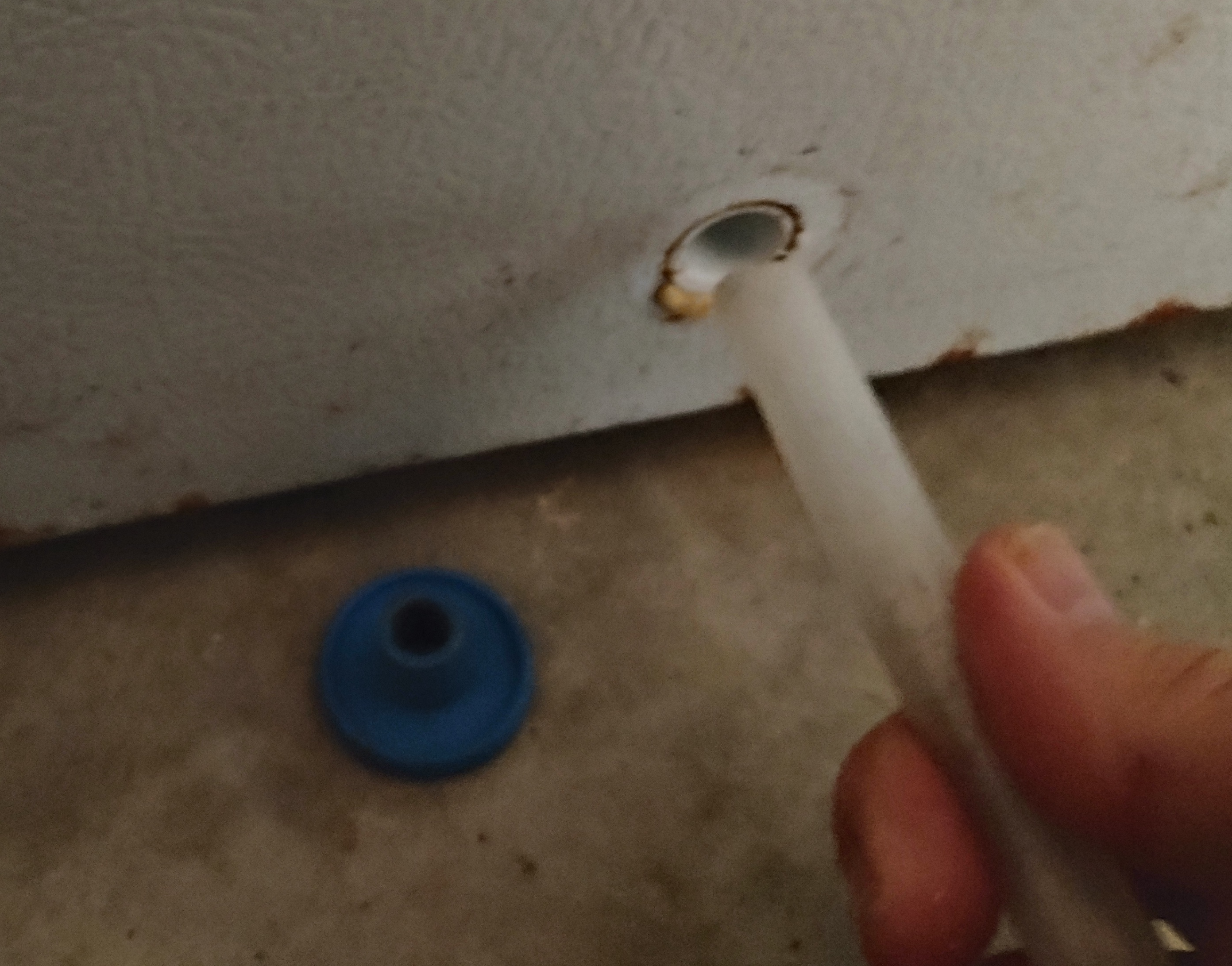
Follow these steps to deal with water that will drain out of the freezer during the defrost process:
If you use a drain pan to collect water, you’ll need to monitor the water level in the pan and empty it during the defrost process to prevent it from overflowing.
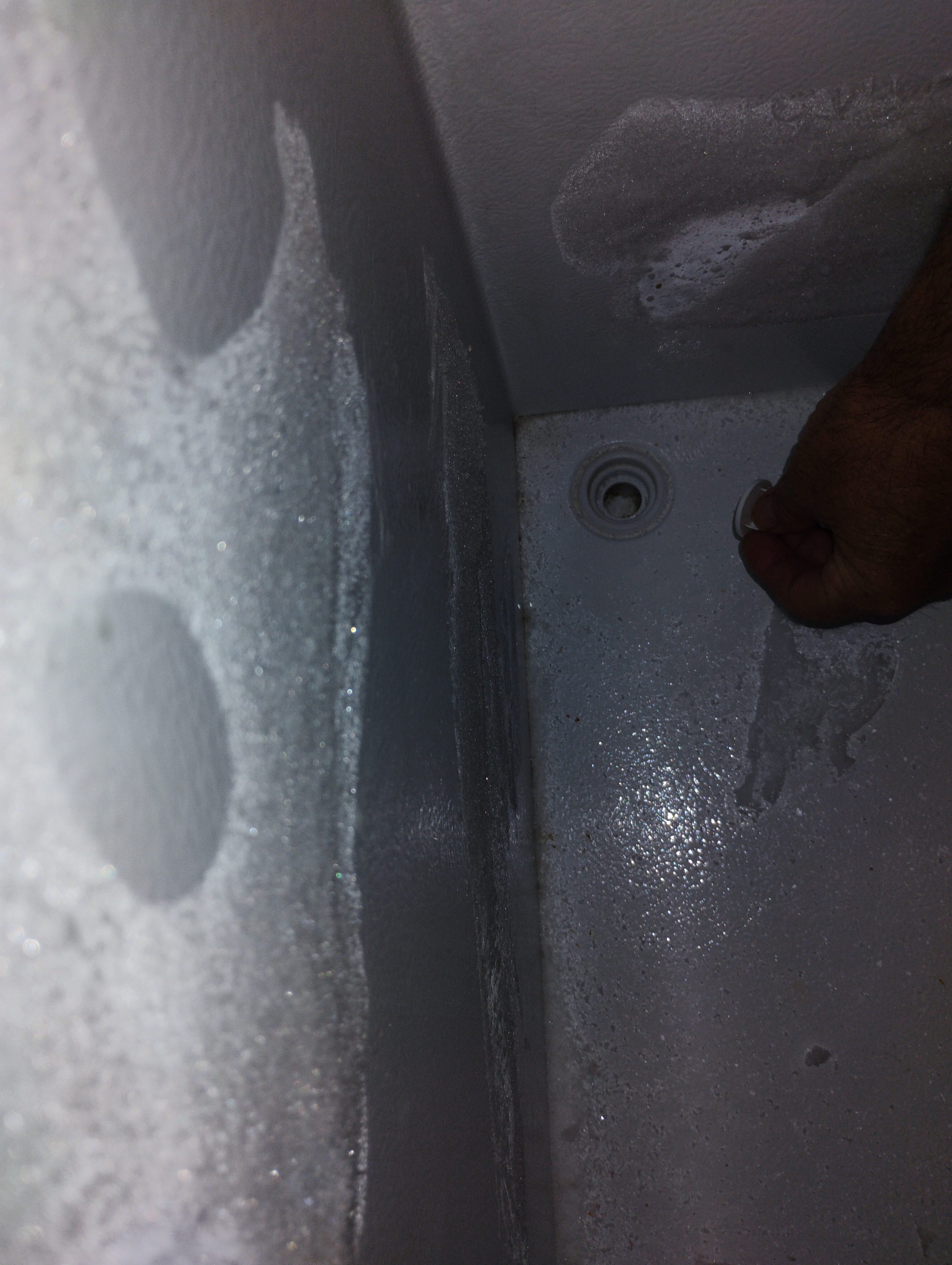
Pull out the internal defrost drain plug from the bottom of the freezer compartment so water will drain out of the cabinet during defrosting.
Plug the freezer back in and make sure it starts cooling.
Restock the food and monitor the freezer to make sure that it maintains the right temperature.
If the freezer doesn’t cool properly, schedule freezer repair service and we’ll send a technician to your home to fix the problem.
A little regular maintenance goes a long way in extending the life of your freezer, minimizing frost buildup and keeping your freezer operating efficiently. Follow these simple maintenance and usage practices to help keep your freezer in top shape:
A damaged or loose door or lid gasket seals allows warm air to enter the freezer, leading to excessive frost. Inspect the seal regularly and replace it if necessary.
Here’s a DIY video that shows how to replace the door seal on a refrigerator that has the same type of door seal gasket as many upright freezers:
If your freezer has a bad door seal or lid seal and you need to have a technician replace it, schedule freezer repair and we’ll install a new one for you.
Keep the freezer 70% to 85% full. Too much stuff in there will limit air circulation within the appliance — and too little will cause all the cold air to spill out of the freezer every time you open the door or lid.
Keep things evenly dispersed near the middle of the shelves arrange items with space between them to keep from interfering with proper air circulation inside the freezer compartment.
Warm food releases moisture, contributing to frost formation. Let leftovers cool to room temperature before storing them in the freezer.
Every time you open the door or lid, warm, moist air enters the freezer compartment. Plan your freezer visits to minimize how often and how long the door stays open.
Use bins or baskets to group similar items together. This makes it easier to find what you need and reduces how long the lid stays open.
Properly sealed containers reduce moisture and prevent frost from forming on your food.
Although you’ll rarely see condenser coils on a chest freezer, some upright freezers do have condenser coils on the back of the unit or underneath the freezer.
Dirty coils won’t cool down refrigerant before it enters the evaporator, resulting in poor cooling performance. Clean the condenser coils when they’re coated with lint and dust (typically twice per year).
Even frost-free models can experience occasional buildup. Check your freezer every few months and address frost promptly to prevent larger issues.
Annual professional freezer maintenance will keep your freezer in top shape and running smoothly. Our technician will visit your home and check all parts of your freezer including the wiring, condenser coils, lid or door gasket and the cold control thermostat or electronic control.
The tech will recommend any repairs needed and make adjustments necessary to keep your freezer operating efficiently and safely.
Professional freezer maintenance is especially beneficial if you’re storing a large amount of meat or produce in your freezer that you can’t afford to lose because of an unexpected freezer failure.
By staying proactive with maintenance and organization, you’ll keep your freezer running smoothly for years to come.
Defrosting your freezer might not top your list of favorite chores, but it’s a small effort that pays off with energy savings and better performance.
If it’s been a while since your last defrost session, now’s the perfect time to give your freezer some attention.
Sears technicians know all the top freezer brands. We can maintain your appliance no matter where you bought it.
Loading scheduler options...
Find expert tips for finding the cause of excessive frost inside your freezer.

Get expert tips on how to prevent ice buildup in your freezer from Sears Home Services.

Learn the ideal deep freezer temperature setting (0°F), how to adjust dial controls correctly, prevent freezer burn, improve energy efficiency, and keep food safe long-term.
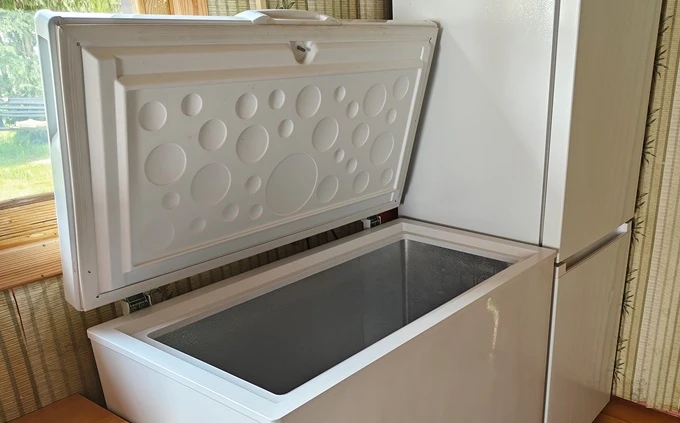
Expert chest freezer maintenance tips to boost efficiency, prevent breakdowns, and extend appliance lifespan.
A freezer bag is a specially designed plastic bag used for the cold storage of food in the freezer, offering protection against freezer burn and preserving the food's freshness and flavor over extended periods.
A freezer compressor is a vital component of a freezer's refrigeration system, functioning as a pump to circulate refrigerant through the system, which cools the interior by absorbing and expelling heat.
A freezer door gasket is a flexible seal that outlines the edge of the freezer door, ensuring an airtight closure to maintain cold temperatures inside and prevent warm air from entering.
A manual defrost freezer is an appliance that needs to be switched off and allowed to thaw periodically to remove accumulated ice, ensuring efficient operation and storage space maximization.
The most common reasons your LG freezer is leaking water are a clogged drain tube, cracked water tubing or a bad evaporator.
The most common reasons your Maytag freezer is leaking water are a clogged drain tube, cracked water tubing or a bad evaporator.
The most common reasons your Electrolux freezer is leaking water are a clogged drain tube, cracked water tubing or a bad evaporator.
The most common reasons your Frigidaire freezer is leaking water are a clogged drain tube, cracked water tubing or a bad evaporator.
The most common reasons your Kenmore freezer compressor is not running are a failed compressor, malfunctioning electronic control board or a bad evaporator.
The most common reasons your Haier freezer is leaking water are a clogged drain tube, cracked water tubing or a bad evaporator.