 Appointment Lookup
 213-596-2538

Find expert tips for finding the cause of excessive frost inside your freezer.
The Right Freezer Temperature Setting
How to Set a Freezer Dial Thermostat Correctly
What Is the Best Freezer Setting for Energy Savings?
3 Telltale Signs Your Freezer Temperature Is Too High
How to Stop Temperature Swings and Prevent Freezer Problems
Your 5-Minute Checklist for a Perfect, Safe Deep Freezer
Frequently Asked Questions

You spent hundreds of dollars on that deep freezer and hundreds more filling it with food. But is it effectively protecting your investment?
Maybe not if you don’t have the settings adjusted properly and the freezer positioned correctly.
According to Sears Home Services technicians, incorrect freezer temperature settings are one of the top causes of food spoilage complaints.
In this piece, we’ll explain the proper deep freezer temperature setting to use and provide best practices and safety tips to keep freezer food delicious and safe.
KEY TAKEAWAYS
The difference between perfectly preserved meals and a freezer full of tough, wasted meat can be just a few degrees.
For maximum food safety and quality, the ideal deep freeze temperature is exactly 0°F (-18°C).
This isn't just a suggestion; it's the standard recommended by food safety experts like the U.S. Food and Drug Administration (FDA) to keep food safe indefinitely.
While true, simply freezing the water in your food isn't enough. Think of temperatures between 32°F and 0°F as a 'slow-motion button'--the processes that ruin flavor and texture are still happening, just very gradually.
Reaching 0°F is like pressing the 'pause button.' At this safe temperature for freezing food long term, the microbial and enzymatic activity that causes spoilage effectively stops.
This simple temperature setting is the key to preserving your food's taste, color, and nutritional value for months to come.
Food stored constantly at 0°F remains safe from bacterial growth, though quality will gradually decline over a long period of time.
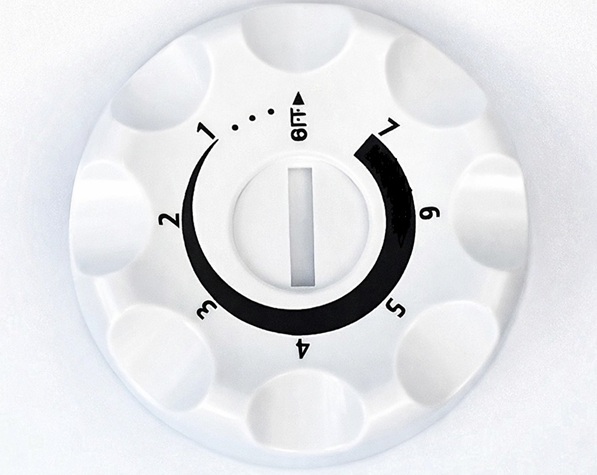
Quick Answer:
If your freezer has a 1–7 dial, start at 4, wait 24 hours, and adjust using a thermometer until the temperature reaches 0°F.
It’s easy to set your freezer temperature to 0°F when you have a digital control. But how do you set a dial thermostat to maintain the perfect freezer temperature? Let’s find out.
That dial inside your freezer, typically marked with numbers like 1 through 7, is one of the most misunderstood features.
It's easy to assume the numbers correspond to a specific temperature, but a number on the dial does not equal degrees. For example, a "7" does not mean 7 degrees.
For most deep freezers, using the middle setting (4) will keep the freezer at 0°F.
This principle is the same for nearly every model, so whether you have a chest freezer or an upright freezer, a higher number almost always means a colder setting.
Finding the sweet spot on the dial that holds your freezer at a steady 0°F (-18°C) is a simple process.
The goal is to find the lowest setting that consistently maintains that 0°F target. This protects your food without wasting energy.
To truly know if you're hitting that crucial 0°F target, you need an accurate temperature measurement.
The best tool for the job is a freezer thermometer, which is designed specifically for the cold, stable environment inside a freezer.
Getting an accurate reading is simple. Here's the right way to do it:
Once you have an accurate reading, you can adjust your freezer's temperature setting if needed.
Sticking to 0°F (-18°C) is the best freezer setting for energy savings.
This temperature provides the perfect balance, ensuring your food stays safe for the long haul without forcing the appliance to run constantly. It's the most efficient setting for both food preservation and your budget, giving you complete food safety without wasting electricity.
It's tempting to think that colder is always better, but dialing your freezer down to -10°F won't make your food any safer---it will just make your electricity bill higher.
For every degree you drop below the recommended 0°F, your freezer has to work significantly harder, using more energy for no added benefit. This is because the appliance is fighting a bigger temperature difference between the inside of the freezer and the ambient air in your home or garage.
If your freezer seems to run all the time even at the right setting, a hidden problem might be to blame.
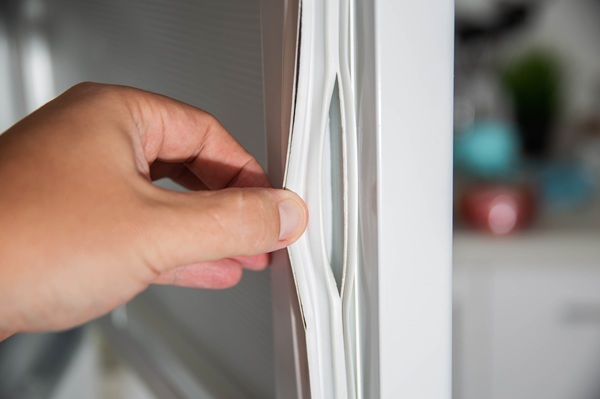
A leaky door or lid seal is a common energy thief, forcing your deep freezer to fight a losing battle against warm air.
Try this simple test:
If you can pull the bill out without any resistance, your seal isn't tight, and it's likely causing the freezer compressor to run constantly and costing you money every month.
If the deep freezer door gasket is loose torn or broken, replace it or schedule freezer repair service to have a Sears technician replace the gasket for you.
Yes. One of the best ways to save energy when using your freezer is to minimize how many times you open the door or lid—and how long you keep it open.
Each time you open the lid or door, cold air escapes and the compressor will need to run to cool the freezer back down.
Organize foods inside your freezer to minimize how long you keep the door or lid open and try to keep freezer openings to a minimum.
When you don’t have a thermometer in the freezer or a digital display showing the actual temperature, your food itself is an accurate indicator of a freezer not cooling properly.
One of the most reliable signs your freezer temperature is too high is soft ice cream. If you can scoop it easily right out of the container, your temperature is almost certainly above 0°F.
Because ice cream contains sugar and fat, it is often the first thing to soften when temperatures begin to creep up, making it an excellent, built-in thermometer.
Excessive frost buildup is another clear warning. While a little frost is normal, thick ice coating the walls or your food packages points to a problem.
This usually means the door seal is failing and letting in warm, moist air, or that the freezer is struggling with temperature swings. This is often why a chest freezer is not cold enough but running constantly---it's fighting a losing battle against temperature instability.
Finally, look for widespread freezer burn. Those gray, leathery patches on your meat are the result of moisture escaping the food. This drying-out process speeds up dramatically when temperatures fluctuate above 0°F.
The secret to preventing freezer burn with correct temp is consistency; a steady 0°F locks that vital moisture in, preserving both taste and texture.
These 3 symptoms all point to one core issue: temperature instability. A freezer that wavers above 0°F compromises food quality. Left unchecked, the instability can eventually impact food safety.
Fortunately, maintaining that consistent chill is easier than you might think.
You might be surprised to learn that one of the biggest deep freezer temperature fluctuation causes is an empty freezer.
A freezer packed with frozen food acts like a giant, solid ice block. Every frozen item helps hold the cold, creating what's called thermal mass. When you open the door, this block of cold keeps the air temperature from rising quickly.
An empty freezer, full of just air, loses its chill almost instantly.
Pro Tip: If you don't have enough food, fill empty space with jugs of frozen water. They act as thermal "batteries," holding the cold.
Beyond keeping it full, you also need to let your freezer breathe—inside and out.

Keep the proper ventilation clearance around the freezer cabinet.
Ensuring there’s enough space around your freezer for air to circulate freely helps the compressor run more efficiently and reduces the risk of overheating.
Refer the owner’s manual or installation guide for the clearance specifications for your model.
Pro Tip: Most freezers operate most efficiently when located in an area where the ambient temperature will not fall below 40°F or rise above 110°F. Place your freezer in a location where the temperature will stay within the recommended guidelines in your owner’s manual.

Inside a freezer are small vents that circulate cold air, ensuring everything stays evenly frozen from top to bottom.
If you accidentally block these vents with a big box of burgers or a frozen turkey, you create warm spots. This forces the freezer to work harder and leads to temperature instability that causes freezer burn.
Following these tips and maintaining your freezer properly will help protect your food and keep your freezer running efficiently.
Because you now know that the ideal deep freezer temperature is a specific, science-backed target, use this quick action plan to lock in food quality and safety.

Quick Freezer Health Checklist:
If your freezer can’t maintain a steady 0°F even after adjustment, a professional inspection can help prevent food loss and rising energy bills.
By following these simple freezer safety tips, you're now equipped to maintain a safe temperature for freezing food in your deep freezer, protecting your family's health and your food investments with confidence.
Sears technicians know all the top freezer brands. We can maintain your appliance no matter where you bought it.
Loading scheduler options...
Find expert tips for finding the cause of excessive frost inside your freezer.

Get expert tips on how to prevent ice buildup in your freezer from Sears Home Services.
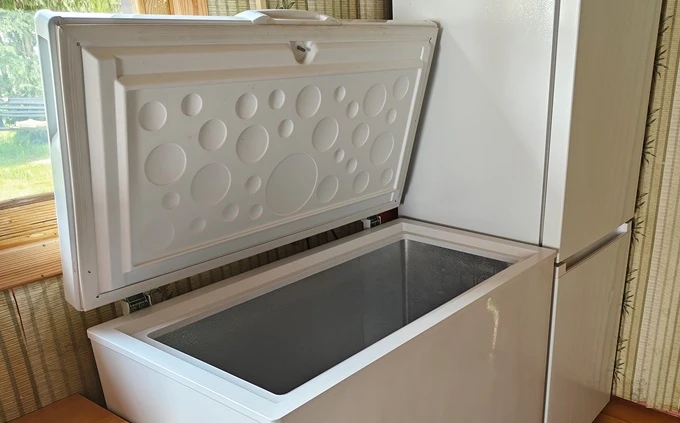
Expert chest freezer maintenance tips to boost efficiency, prevent breakdowns, and extend appliance lifespan.

Can a freezer be too full? Get the facts and expert tips from Sears Home Services.
A freezer bag is a specially designed plastic bag used for the cold storage of food in the freezer, offering protection against freezer burn and preserving the food's freshness and flavor over extended periods.
A freezer compressor is a vital component of a freezer's refrigeration system, functioning as a pump to circulate refrigerant through the system, which cools the interior by absorbing and expelling heat.
A freezer door gasket is a flexible seal that outlines the edge of the freezer door, ensuring an airtight closure to maintain cold temperatures inside and prevent warm air from entering.
A manual defrost freezer is an appliance that needs to be switched off and allowed to thaw periodically to remove accumulated ice, ensuring efficient operation and storage space maximization.
The most common reasons your LG freezer is leaking water are a clogged drain tube, cracked water tubing or a bad evaporator.
The most common reasons your Maytag freezer is leaking water are a clogged drain tube, cracked water tubing or a bad evaporator.
The most common reasons your Electrolux freezer is leaking water are a clogged drain tube, cracked water tubing or a bad evaporator.
The most common reasons your Frigidaire freezer is leaking water are a clogged drain tube, cracked water tubing or a bad evaporator.
The most common reasons your Kenmore freezer compressor is not running are a failed compressor, malfunctioning electronic control board or a bad evaporator.
The most common reasons your Haier freezer is leaking water are a clogged drain tube, cracked water tubing or a bad evaporator.