 Appointment Lookup
 213-596-2538

When your dryer won’t stay running during a cycle, it can throw a huge wrench in your laundry routine.
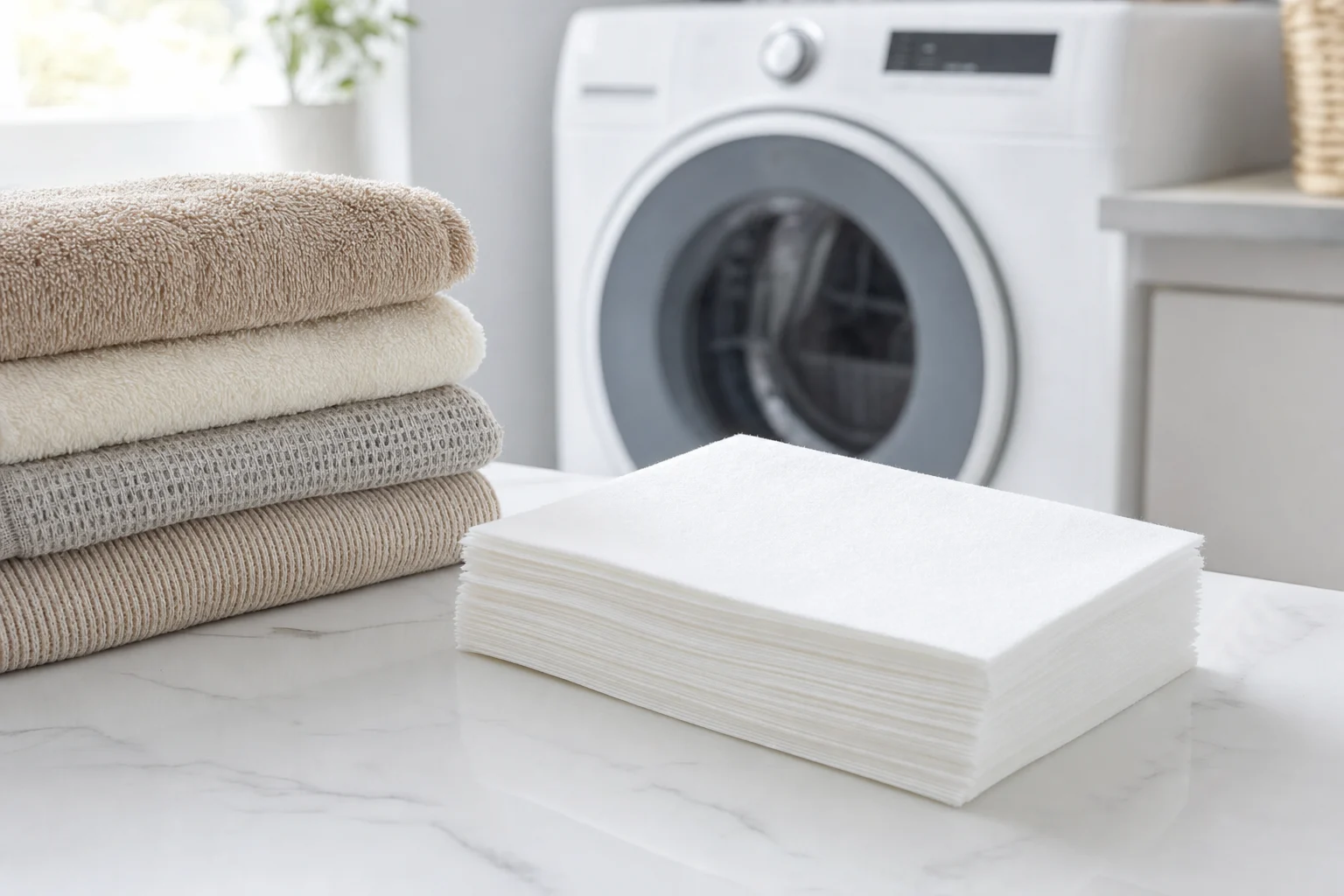
Dryer sheets are not classified as acutely toxic, but they contain fragrances and softening chemicals that can trigger allergies, skin irritation, or breathing issues in sensitive people. They also leave a waxy residue that coats your lint screen and moisture sensor, which reduces dryer efficiency and creates a fire risk over time. If you use dryer sheets in every load, the bigger issue is usually appliance performance, not immediate health danger. This guide breaks down what's actually inside a dryer sheet, who should be cautious, how residue damages your dryer, and safer alternatives worth trying.
KEY TAKEAWAYS
Most dryer sheets are a thin polyester or cellulose sheet coated with fabric-softening chemicals and fragrance. When the dryer heats up, those coatings melt and transfer onto your clothes, reducing static and adding scent. Understanding what's on that sheet helps explain both the health questions and the dryer-performance issues that come with regular use.
Quats are the workhorse ingredient. These positively charged compounds bond to fabric fibers, making them feel softer and reducing the static charge that builds during tumbling. They're effective — and they're also the main source of the waxy residue that ends up on your lint screen.
Fragrance blends can contain dozens of individual chemicals, some of which release as VOCs when heated. A 2011 University of Washington study found scented dryer sheets vented compounds like acetaldehyde and benzene through dryer exhaust. Fragrance-free versions cut most of this exposure.
The sheet itself is the delivery system. Polyester versions don't break down and end up in landfills; cellulose versions are more biodegradable. Neither is dangerous to touch, but both leave behind coating residue inside your dryer.
For most healthy adults, occasional dryer-sheet use isn't going to cause acute harm. The concerns are real but concentrated in specific groups and long-term exposure scenarios. Here's what the research actually shows versus what gets exaggerated online.
Residue transferred to clothing is a known cause of contact dermatitis. If you notice itching, redness, or a rash — especially on areas where fabric sits tight against skin — try eliminating dryer sheets for two weeks. Symptoms usually resolve quickly.
People with asthma, chronic bronchitis, or fragrance sensitivities can react to VOCs vented from the dryer. The U.S. EPA notes that indoor VOC concentrations can be higher than outdoor levels, and scented laundry products contribute. Venting your dryer properly to the outdoors matters here.
Children, pets, and people with chemical sensitivities absorb and react to chemicals differently than healthy adults. Pediatricians often recommend fragrance-free laundry products for infants because their skin is thinner and more permeable, and their airways are smaller.
Yes — this is the part most homeowners overlook. The same coating that softens your clothes also builds up inside the dryer, and over months and years it causes measurable performance problems.
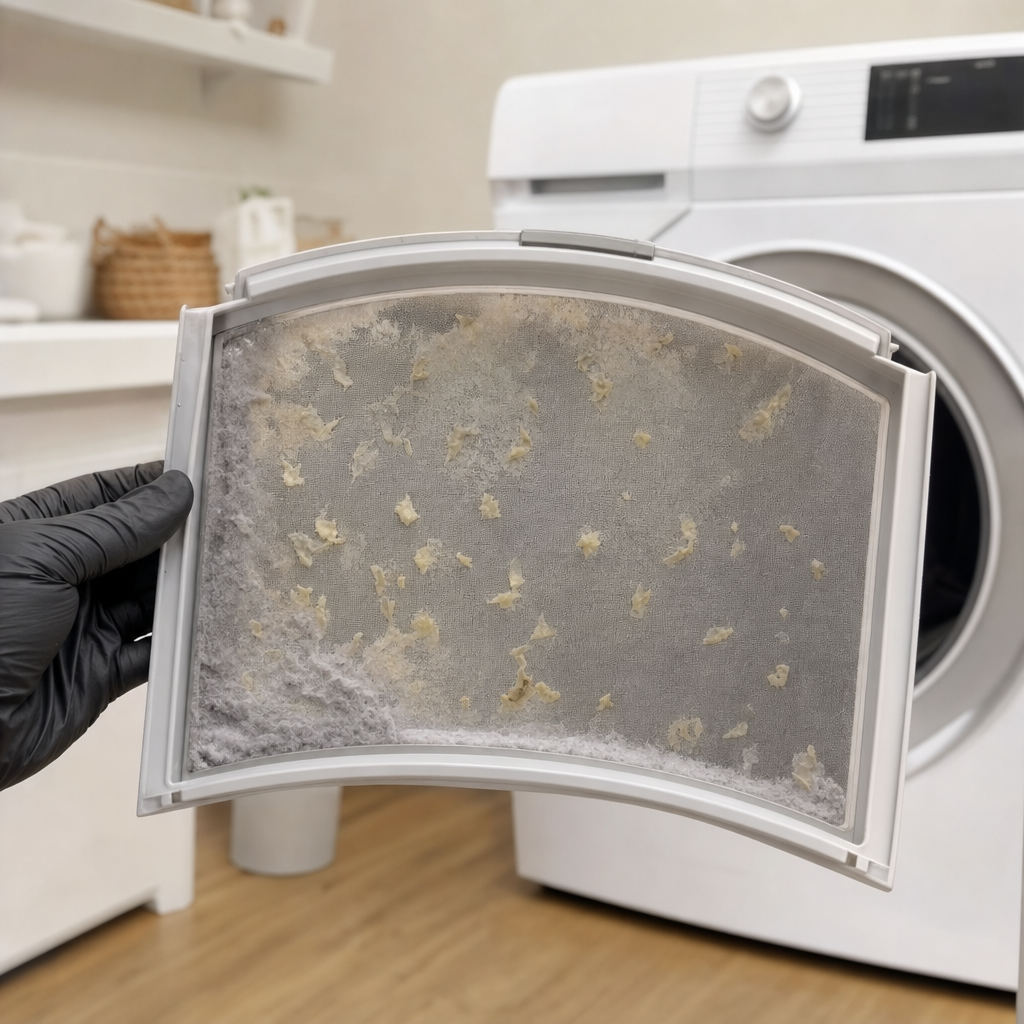
Hold your lint screen under running water. If water beads up and rolls off instead of flowing through, the mesh is coated with softener residue. That blocked screen restricts airflow, forcing the dryer to work harder and run longer.
Most modern dryers use two thin metal strips inside the drum to sense when clothes are dry. Softener residue coats those strips and insulates them, so the dryer misreads moisture levels — either shutting off with damp clothes still inside or running well past when the load is dry. If you're noticing this, our guide to common dryer symptoms and fixes walks through the diagnostic steps.
The U.S. Fire Administration attributes roughly 2,900 home dryer fires each year primarily to failure to clean the appliance. Restricted airflow from lint and residue buildup causes the heating element to cycle longer and hotter than designed. That's a slow-building risk that gets worse the longer it's ignored.
⚠️ Warning: If your dryer smells hot, burns clothes, or trips the breaker, stop using it immediately and schedule professional dryer repair. Continuing to run a dryer with restricted airflow is a fire hazard.
Households with small kids or pets need to think about dryer sheets a little differently. The exposure paths are different, and small bodies are more sensitive.
Used dryer sheets that fall out of the laundry basket are attractive to dogs, cats, and toddlers. Quats can cause vomiting, drooling, and mouth irritation if chewed or swallowed. Keep both new and used sheets out of reach.
Many pediatricians recommend skipping dryer sheets entirely for infant clothing, sleep sacks, and crib sheets. Fragrance-free detergent plus wool dryer balls gives you soft laundry without the chemical residue.
If your laundry room shares air with living areas — common in apartments and open floor plans — VOCs from scented sheets circulate throughout the home. A properly vented dryer moves most of this outdoors, but leaks in the vent line let it back inside.
You have real options. None of these are perfect for every household, but they cut chemical exposure and reduce residue buildup in your dryer at the same time.

Wool dryer balls are the most popular swap. Three to six balls per load bounce around, separating clothes and speeding drying time by 10-25%. They last for years, add no chemicals, and reduce static reasonably well — especially if you don't overdry the load.
Unscented sheets from brands like Seventh Generation or Grab Green skip the fragrance VOCs but still contain softening agents. They're a middle-ground option: less chemical exposure, but they'll still leave some residue on your lint screen.
A half-cup of white vinegar in the rinse cycle softens fabric and reduces static without any dryer additives. Combine that with sorting synthetics from cottons (synthetics generate most of the static) and you often don't need dryer sheets at all.
| Option | Cost per load | Chemical exposure | Dryer residue |
|---|---|---|---|
| Traditional dryer sheets | Low | Higher (fragrance + quats) | High |
| Fragrance-free sheets | Low | Lower | Moderate |
| Wool dryer balls | Very low (reusable) | None | None |
| White vinegar in wash | Very low | None | None |
Some dryer problems clean up with a lint-screen wash. Others need diagnostic work. Here's how to tell which situation you're in.
If a load that used to take 45 minutes now takes 75, airflow is your first suspect. Work through these checks in order:
A dryer that stops mid-cycle is usually protecting itself — a thermal fuse or high-limit thermostat has tripped because of restricted airflow or a failing heating element. This isn't a DIY fix for most homeowners. If your dryer is also making unusual sounds, review our guide on why a dryer squeaks or the noisy dryer symptom page to narrow down the cause.
Sears Home Services dispatches 1,500+ manufacturer-trained technicians with an average of 10+ years of experience. On a dryer call, the tech typically:
You get an exact quote — parts and labor — that doesn't change once provided, backed by our service guarantee. If you decline the repair, you pay only the diagnostic fee ($90-$150 typical depending on the appliance).
We complete 1.1 million orders per year with over 500,000 5-star ratings, are available 6 days a week, and offer appliance protection coverage through Sears Protect for households that want ongoing coverage. Same-day appointments may be available in your area.
Count on our knowledgeable technicians to provide thorough dryer repairs, ensuring your appliance operates at peak performance for years to come.
Loading scheduler options...
When your dryer won’t stay running during a cycle, it can throw a huge wrench in your laundry routine.

Discover the reasons why your dryer is not drying and get expert troubleshooting tips to fix common drying problems.
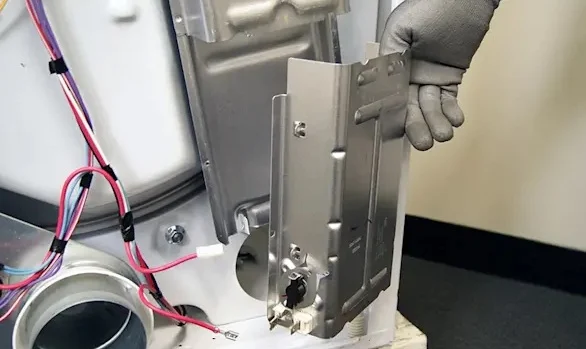
This step-by-step guide explains how to diagnose a faulty dryer heating element and replace it safely. Learn the tools you need, common symptoms of failure, and how to test your dryer after the repair.
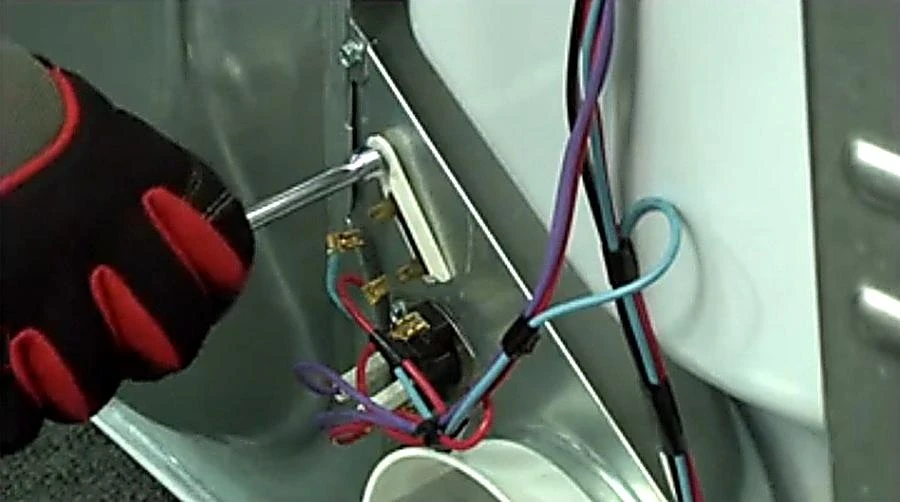
This Sears Home Services guide shows how to replace a thermal fuse in a dryer, including safety tips, troubleshooting steps, and best practices to maintain drying performance.
A dryer drum is the main interior component of a clothes dryer where clothes are placed to be dried. It rotates during the drying cycle, allowing heated air to circulate through the clothes.
A dryer filter, commonly known as a lint filter, is a component of a clothes dryer that captures lint and other debris from clothes during the drying process, preventing them from clogging the dryer vent.
A dryer pedestal is a platform that elevates a dryer off the ground, making it easier to load and unload laundry while also providing additional storage space in some models.
A dryer rack is an accessory for clothes dryers that provides a stationary platform to dry items without tumbling, ideal for delicate or bulky items, or shoes that might be damaged by the usual drying cycle.
Whirlpool dryer not heating? Get expert Whirlpool dryer repair for gas and electric models. Fast, reliable service to restore heat today!
The most common reasons your Samsung dryer is blowing cold air are an open heating element, a failed thermal cut-off fuse, or a defective PCB.
The most common reasons your Bosch dryer is not drying are a clogged vent tube, open heating element or a bad wire connector.
The most common reasons your Hotpoint dryer is not heating are an open heating element, failed thermal cut-off fuse or a faulty thermal fuse.
The most common reasons your Maytag dryer has no heat are an open heating element, failed thermal cut-off fuse or a faulty thermal fuse.
The most common reasons your Samsung dryer has no heat are an open heating element, failed thermal cut-off fuse or a faulty thermal fuse.