 Appointment Lookup
 213-596-2538

Learn how an electric dryer works to get your clothes dry.
Why Is My LG Dryer Not Drying Clothes All the Way?
Is a Clogged Vent or Lint Filter Causing Poor Drying?
Could a Faulty Moisture Sensor Be the Problem?
Are You Overloading the Dryer or Using the Wrong Cycle?
Is the Heating Element, Thermistor, or Thermal Fuse Failing?
When Should You Call a Professional for LG Dryer Repair?
Frequently Asked Questions
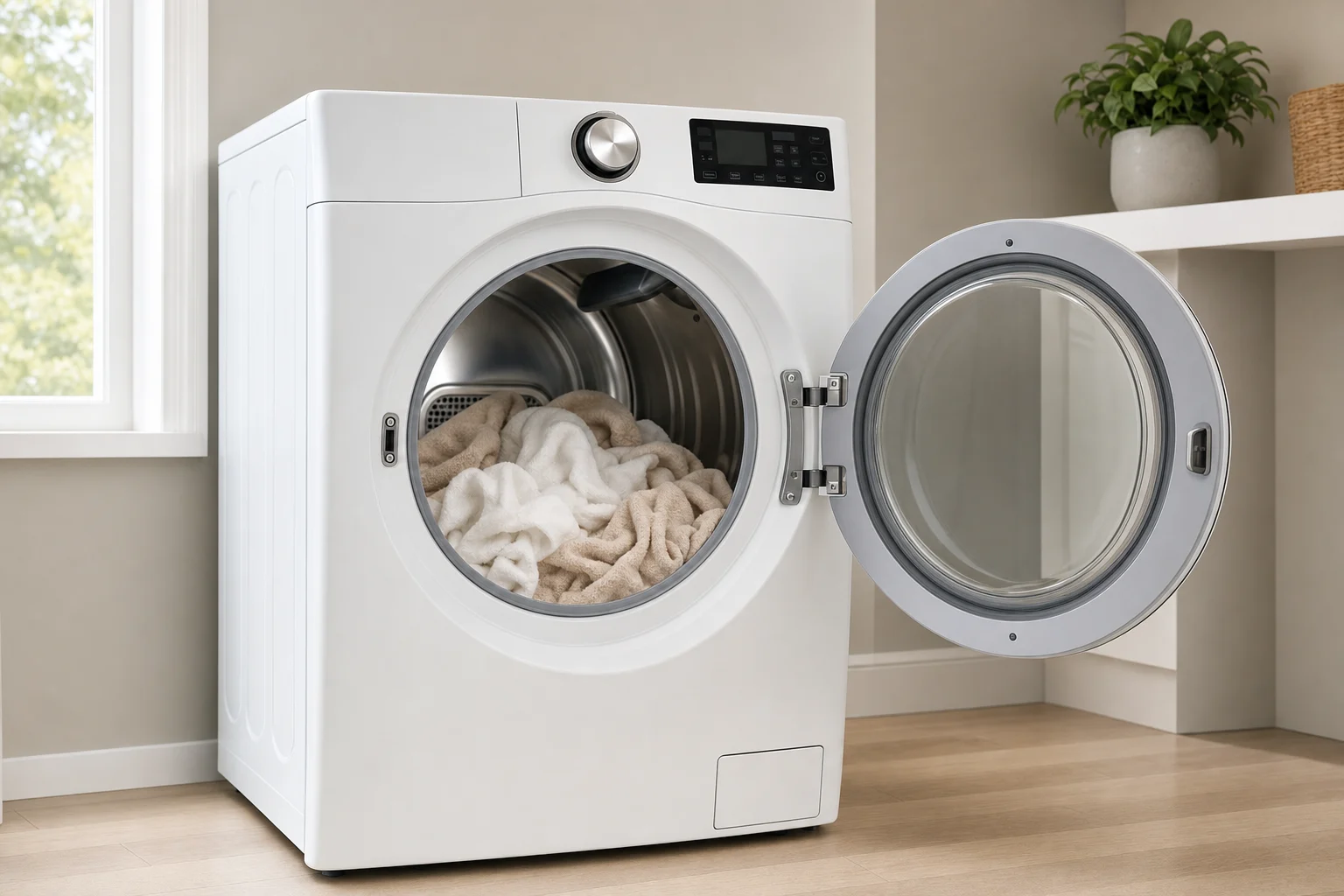
An LG dryer usually fails to dry clothes completely because of a clogged lint filter or blocked exhaust vent, a dirty moisture sensor, an overloaded drum, or a failing heating element or thermostat. Clearing airflow restrictions and reducing load size fixes most cases, but electrical and heating component failures typically require a manufacturer-trained technician. This guide walks through the exact checks to run in order, what a normal drying cycle should look like, and how to tell when the fix is a two-minute cleaning versus a repair that needs professional tools and parts.
KEY TAKEAWAYS
When an LG dryer runs a full cycle but leaves clothes damp, the cause almost always falls into one of three buckets: airflow, sensing, or heat. Airflow issues (lint, vents, ducts) are by far the most common. Sensor issues are second. Heat-element failures are third but the most disruptive when they happen.
Before you tear anything apart, work through a short check list. Most drying complaints get resolved without a service call.
If the Timed Dry test produces hot, dry clothes, your problem is a sensor or cycle-selection issue. If clothes are still cool and damp after 20 minutes on high, you have an airflow or heat problem.
Match your symptom to the right section below. If you already know the LG dryer isn't drying at all, skip to the heating and sensor sections.
Yes — this is the #1 cause of an LG dryer not drying completely. When exhaust airflow drops, wet air stays trapped in the drum, cycles run long, and the heating element cycles off on its high-limit thermostat before clothes finish drying. Over time, restricted airflow also shortens the life of the heating element and blower.
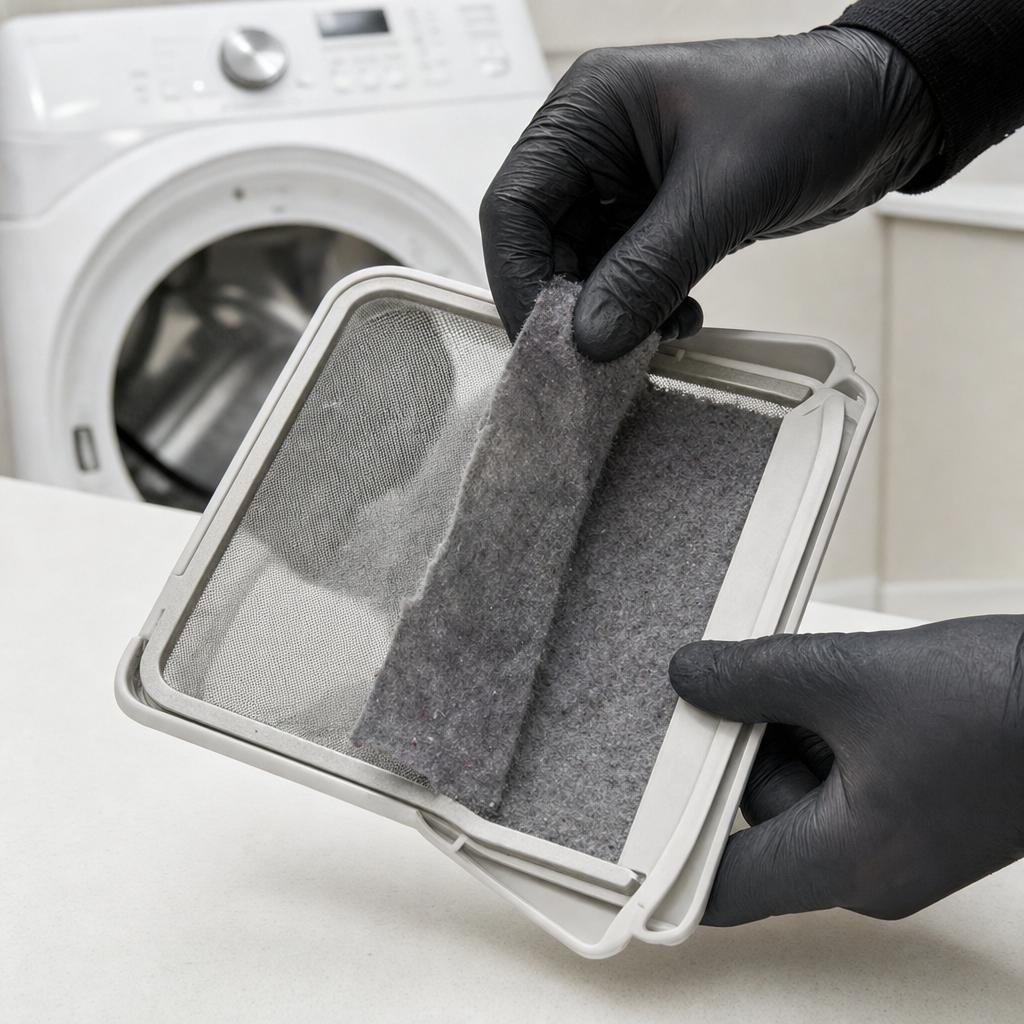
Pull the filter out and remove the visible lint after every load — but that's not enough. Fabric softener and dryer sheets leave a film that clogs the mesh even when it looks clear. Once a month:
A filter that holds water on top instead of letting it drain through is a filter that is choking your dryer.
Go outside while the dryer is running. Put your hand near the vent hood. You should feel strong, warm airflow — enough to lift a tissue. Weak or barely-warm airflow means the duct between the dryer and the wall is restricted.
Check the vent hood flapper. If it's stuck shut with lint or a bird has built a nest behind it (this happens more than you'd think), airflow drops to almost nothing.
All four are signs the full duct run — from the back of the dryer through the wall to the exterior hood — needs professional cleaning. Long duct runs, runs with multiple elbows, and second-floor laundry rooms accumulate lint faster and should be cleaned annually. See our full guide to cleaning an LG dryer for step-by-step maintenance.
⚠️ Warning: Heavy lint accumulation in a dryer duct is the leading cause of home dryer fires. According to the U.S. Consumer Product Safety Commission, thousands of dryer fires are reported each year, most tied to lint buildup.
LG dryers use two small metal bars inside the drum to sense moisture. Wet clothes complete a circuit across the bars; as clothes dry, resistance goes up and the control board ends the cycle. When the bars are coated with fabric softener residue or laundry chemical film, they read "dry" even when clothes are still soaked.
This is why your dryer runs for 25 minutes and shuts off with a damp load — the sensor lied to the control board.
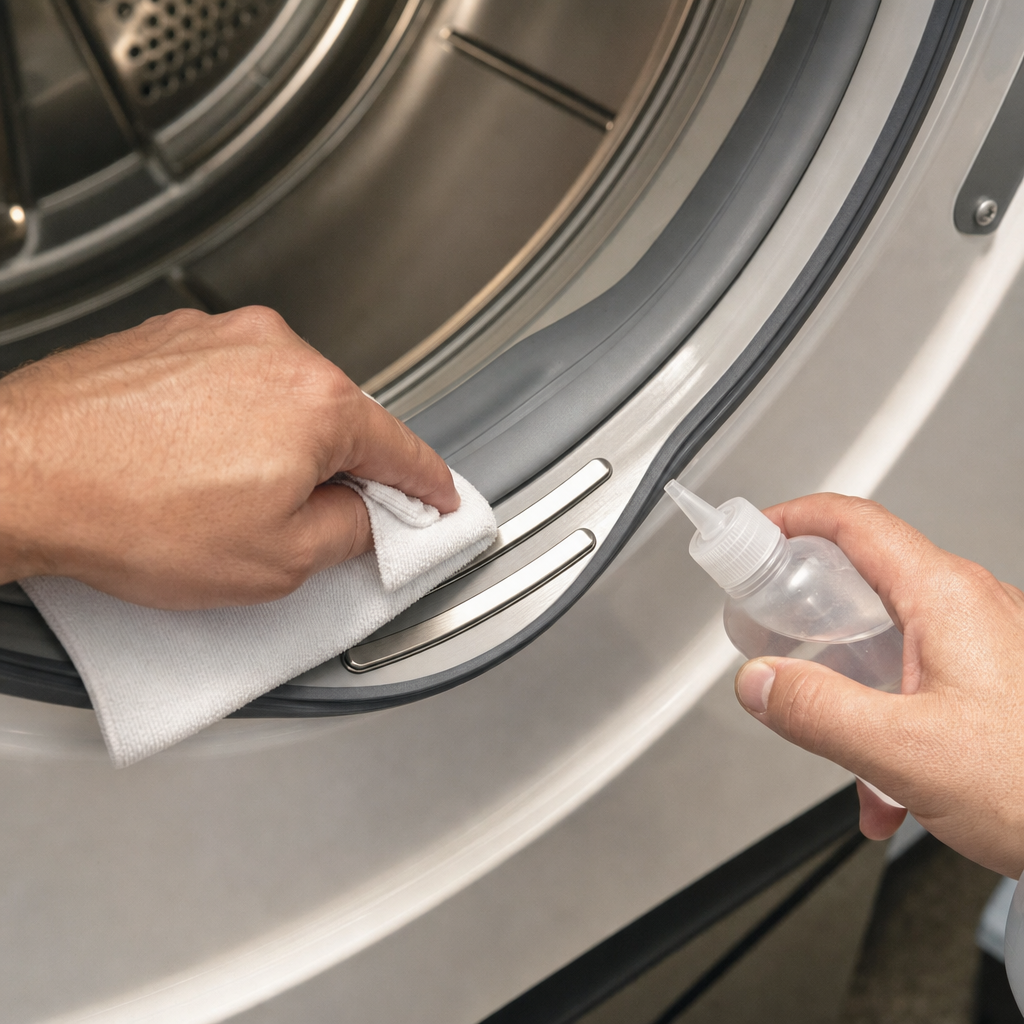
Open the dryer door. Look at the front interior lip of the drum opening, just below where the door lint filter housing sits. You'll see two thin, curved metallic strips running parallel to each other — usually one to two inches long. Those are the sensor bars.
Repeat monthly if you use dryer sheets or liquid fabric softener.
Run a Timed Dry cycle at High Heat for 40 minutes with a normal load. Timed Dry ignores the moisture sensor entirely. If clothes come out fully dry on Timed Dry but wet on Auto/Sensor cycles, the sensor is your culprit. If they're still damp on Timed Dry, move to the heat section below.
This one is embarrassing to hear but common. LG drums are large, and it's easy to stuff them.
The drum should be no more than three-quarters full with dry clothes before the cycle starts. Clothes need room to tumble and expose surface area to warm air. A packed drum stays wet in the middle no matter how long the cycle runs.
If your washer's final spin is weak — bad bearings, unbalanced load, worn drive belt — clothes leave the washer holding a lot of extra water. Even a perfect dryer can't recover from that. Run a Spin Only cycle on the washer. Clothes should come out damp, not dripping. If they're dripping, the washer is the real problem.
When the drum tumbles but air stays cool, a heat component has failed. These repairs involve high-voltage wiring, gas connections, and disassembly — leave them to a technician.
The thermistor tells the control board the drum's air temperature. A failed thermistor makes the dryer over- or under-heat. A blown thermal fuse — usually the result of a previous overheat from clogged vents — kills heat entirely and sometimes shuts down the whole dryer. If your LG dryer isn't working at all, a blown thermal fuse is a leading suspect.
On gas models, a weak igniter or failed gas valve coil produces the same symptom — tumbling with no heat. These parts test with a multimeter but require pulling the dryer apart. This is professional territory.
| Task | DIY or Pro? |
|---|---|
| Clean lint filter | DIY |
| Clean moisture sensor bars | DIY |
| Reduce load size / change cycle | DIY |
| Clean exhaust duct run | Pro |
| Replace heating element | Pro |
| Replace thermistor or thermal fuse | Pro |
| Diagnose gas valve or igniter | Pro |
| Control board diagnosis | Pro |
Sears Home Services dispatches manufacturer-trained technicians who diagnose the failure, explain what's wrong in plain language, and get your written approval before any work starts. Most technicians carry commonly needed LG parts — heating elements, thermistors, thermal fuses, sensors — on the truck. Book online for LG appliance repair or call to check for same-day availability.
The diagnostic fee runs $90 to $150 depending on the appliance, and it's waived if you proceed with the repair. Your technician provides an exact quote — parts and labor — that doesn't change once provided. You approve the cost before any work begins. For homeowners who want ongoing coverage across appliances and HVAC, a home service plan can offset future repair costs. Ready to book? Schedule professional dryer repair online in a couple of minutes. Common questions are answered in our repair FAQ.
Count on our knowledgeable technicians to provide thorough dryer repairs, ensuring your appliance operates at peak performance for years to come.
Loading scheduler options...
Learn how an electric dryer works to get your clothes dry.

Discover how ventless dryers work and if they're right for your home. Learn about energy-saving designs, types, benefits, and maintenance tips.

Learn how a gas dryer works so you can use it safely and efficiently.
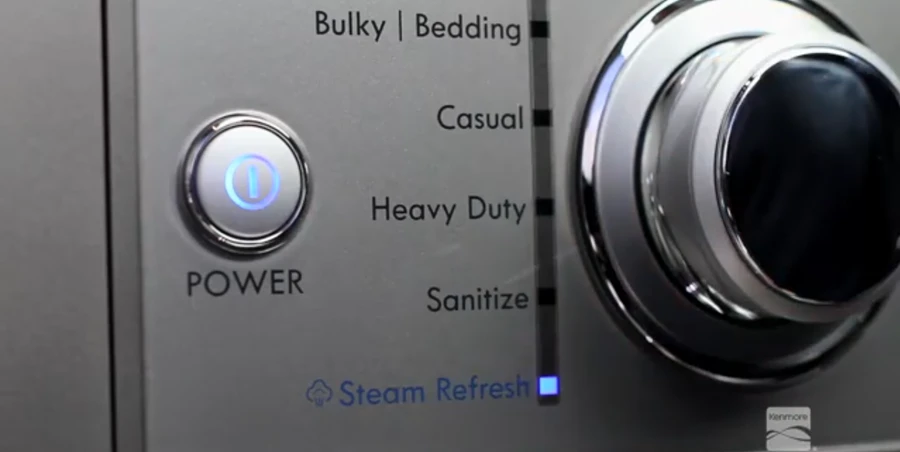
Learn how steam dryers work and how to keep them working smoothly.
A dryer drum is the main interior component of a clothes dryer where clothes are placed to be dried. It rotates during the drying cycle, allowing heated air to circulate through the clothes.
A dryer filter, commonly known as a lint filter, is a component of a clothes dryer that captures lint and other debris from clothes during the drying process, preventing them from clogging the dryer vent.
A dryer pedestal is a platform that elevates a dryer off the ground, making it easier to load and unload laundry while also providing additional storage space in some models.
A dryer rack is an accessory for clothes dryers that provides a stationary platform to dry items without tumbling, ideal for delicate or bulky items, or shoes that might be damaged by the usual drying cycle.
Whirlpool dryer not heating? Get expert Whirlpool dryer repair for gas and electric models. Fast, reliable service to restore heat today!
The most common reasons your Samsung dryer is blowing cold air are an open heating element, a failed thermal cut-off fuse, or a defective PCB.
The most common reasons your Bosch dryer is not drying are a clogged vent tube, open heating element or a bad wire connector.
The most common reasons your Hotpoint dryer is not heating are an open heating element, failed thermal cut-off fuse or a faulty thermal fuse.
The most common reasons your Maytag dryer has no heat are an open heating element, failed thermal cut-off fuse or a faulty thermal fuse.
The most common reasons your Samsung dryer has no heat are an open heating element, failed thermal cut-off fuse or a faulty thermal fuse.