 Appointment Lookup
 213-596-2538
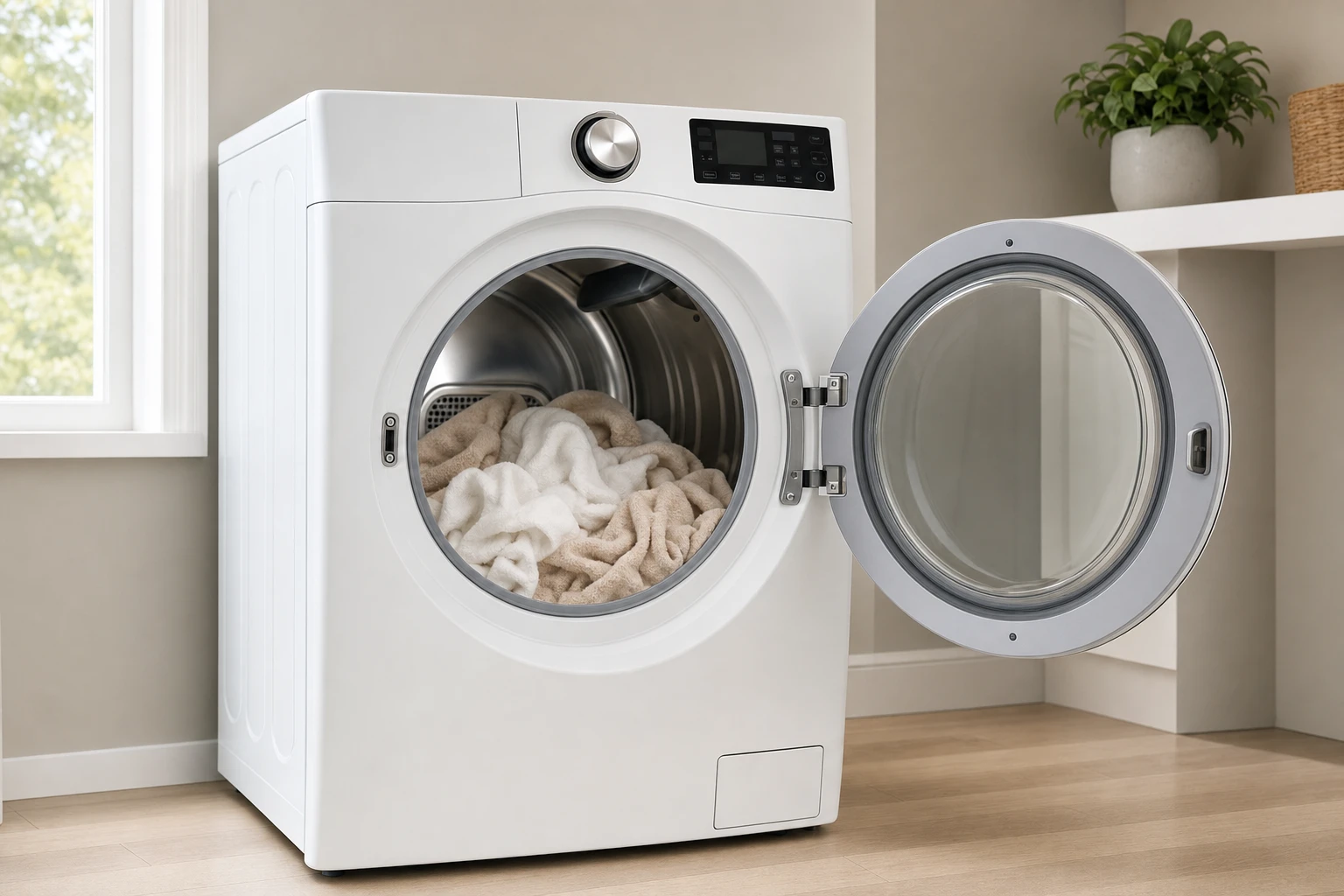
LG dryer not drying completely? Learn the top causes—clogged vents, bad sensors, heating issues—and when to call a pro for fast repair.

Electric dryers have been a staple in modern laundry rooms for decades, providing an efficient way to dry clothes without the need for outdoor clothes lines or cumbersome drying racks.
While dryers may seem straightforward—tumble and heat your clothes until dry—they actually use sophisticated mechanisms to determine when your laundry is perfectly dry.
In this article, we’ll explore the inner workings of two common types of electric dryers: those with an electro-mechanical timer and those with an electronic control board. We’ll dive into how each type manages automatic drying cycles and knows when to stop drying, ensuring your clothes come out just right.
KEY TAKEAWAYS
At their core, all electric dryers function by:
Where dryers differ is in how they monitor the drying process and determine when to end the cycle.
An electro-mechanical timer dryer relies on a simple and durable mechanical system with electrical contacts and a cycling thermostat to control drying cycles. This type of dryer has been in use for decades and remains popular for its affordability and reliability.
The dryer has an electric timer motor connected to a cam gear and rotary dial. You set the desired drying cycle by turning the dial.
When you start the dryer, the electric timer motor rotates the cam that pushes metal contacts to control electric current flow to circuits in the dryer to perform functions such as heating, timer advancement and drive motor operation.
A bi-metal operating thermostat cycles the electric heating element on and off to maintain the right air temperature inside the dryer drum (around 130 degrees).
In an automatic drying mode, the dryer depends on the operating thermostat to control timer advancement.
A clothes dryer that uses an electro-mechanical dryer is fairly simple to diagnose and repair in most situations. For example, here is a popular DIY troubleshooting video that shows how to diagnose and repair a heating problem in a common dryer with a control timer:
You can gain a thorough understanding of how the control timer system works in a dryer by viewing that video.
If you have a dryer failure that you can’t fix on your own, schedule dryer repair service and we’ll send a Sears Home Services technician to your home to fix the problem for you.
Clothes dryers with control timers offer these benefits:
Although they have these distinct advantage over electronically-controlled dryers, they typically aren’t as precise at moisture detection in clothes and can sometimes waste energy by continuing the cycle when clothes are completely dry.
Electronic dryers represent the modern evolution of laundry appliances.
These machines use a control board with temperature and moisture sensors to regulate cycles with impressive accuracy.
The electronic control board is essentially the brain of the dryer. It uses internal logic and input from sensors to control heat and cycle timing.
Moisture sensors inside the drum play a pivotal role in automatic drying. These sensors measure the electrical conductivity of the laundry load: wet clothes conduct electricity better, while dry clothes reduce conductivity.
The moisture sensor inside the drum play a pivotal role in automatic drying. Here’s how the automatic cycle works:
Electronically controlled dryers off these advantages:
On the downside, electronic dryers can be more expensive upfront and may require professional repairs if the control board or sensors fail.
No matter which type of dryer you own, proper maintenance can extend its lifespan and keep it working efficiently. Follow these expert tips to keep your clothes dryer in top shape:
Before starting every load, clean the lint filter screen to ensure proper airflow.
Monthly, wash the lint screen using water and a soft-bristle brush to remove fabric softener sheet residue and ensure proper air flow through the dryer. This brief video shows how to wash the lint screen:
Keeping the exhaust vent duct system clear of lint and debris is essential to efficient electric dryer performance.
Failure to keep the exhaust vent duct system clear can result in longer dry times and dryer overheating.
For dryers that use moisture sensor bars, wipe the sensors periodically to ensure accurate readings.
Deposits on moisture sensor bars can cause the control to stop the automatic drying cycle while clothes are still damp.

Scheduling professional dryer maintenance and cleaning every year is essential to safe and efficient dryer operation.
Lint and dust can build up inside the dryer cabinet and cause a fire hazard. Having a service technician clean and maintain the dryer will prevent this problem. The technician will open the dryer cabinet and clean out lint and dust during annual preventive maintenance.
The technician will also check and adjust all aspects of electric dryer operation including:
By maintaining your dryer properly and understanding how the appliance works, you can enjoy fresh, dry laundry without the hassle.
Electric dryers rely on a heating element and precise controls to warm and circulate air around your clothes. This explanation clarifies the basic science behind faster, more efficient drying. If your dishwasher isn’t functioning as intended, let Sears Home Services help with dishwasher repair service near me. A fully operational home is all about balanced maintenance.
Electric dryers rely on a heating element and fan to circulate hot air around tumbling garments. The blog explains how thermostats and safety fuses monitor temperatures. When heat output dwindles, internal coils or wiring could be at fault. Look up dryer fix near me to diagnose potential electrical hazards quickly.
Count on our knowledgeable technicians to provide thorough dryer repairs, ensuring your appliance operates at peak performance for years to come.
Loading scheduler options...
LG dryer not drying completely? Learn the top causes—clogged vents, bad sensors, heating issues—and when to call a pro for fast repair.

Discover how ventless dryers work and if they're right for your home. Learn about energy-saving designs, types, benefits, and maintenance tips.

Learn how a gas dryer works so you can use it safely and efficiently.
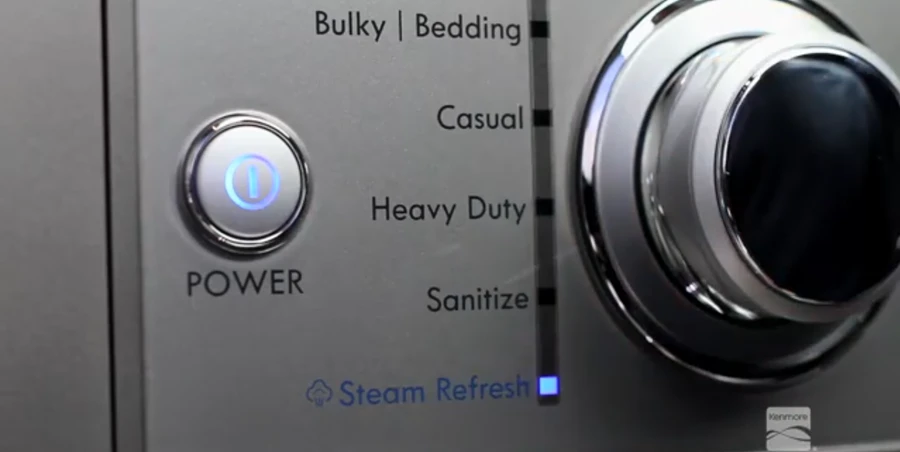
Learn how steam dryers work and how to keep them working smoothly.
A dryer drum is the main interior component of a clothes dryer where clothes are placed to be dried. It rotates during the drying cycle, allowing heated air to circulate through the clothes.
A dryer filter, commonly known as a lint filter, is a component of a clothes dryer that captures lint and other debris from clothes during the drying process, preventing them from clogging the dryer vent.
A dryer pedestal is a platform that elevates a dryer off the ground, making it easier to load and unload laundry while also providing additional storage space in some models.
A dryer rack is an accessory for clothes dryers that provides a stationary platform to dry items without tumbling, ideal for delicate or bulky items, or shoes that might be damaged by the usual drying cycle.
Whirlpool dryer not heating? Get expert Whirlpool dryer repair for gas and electric models. Fast, reliable service to restore heat today!
The most common reasons your Samsung dryer is blowing cold air are an open heating element, a failed thermal cut-off fuse, or a defective PCB.
The most common reasons your Bosch dryer is not drying are a clogged vent tube, open heating element or a bad wire connector.
The most common reasons your Hotpoint dryer is not heating are an open heating element, failed thermal cut-off fuse or a faulty thermal fuse.
The most common reasons your Maytag dryer has no heat are an open heating element, failed thermal cut-off fuse or a faulty thermal fuse.
The most common reasons your Samsung dryer has no heat are an open heating element, failed thermal cut-off fuse or a faulty thermal fuse.