 Appointment Lookup
 213-596-2538
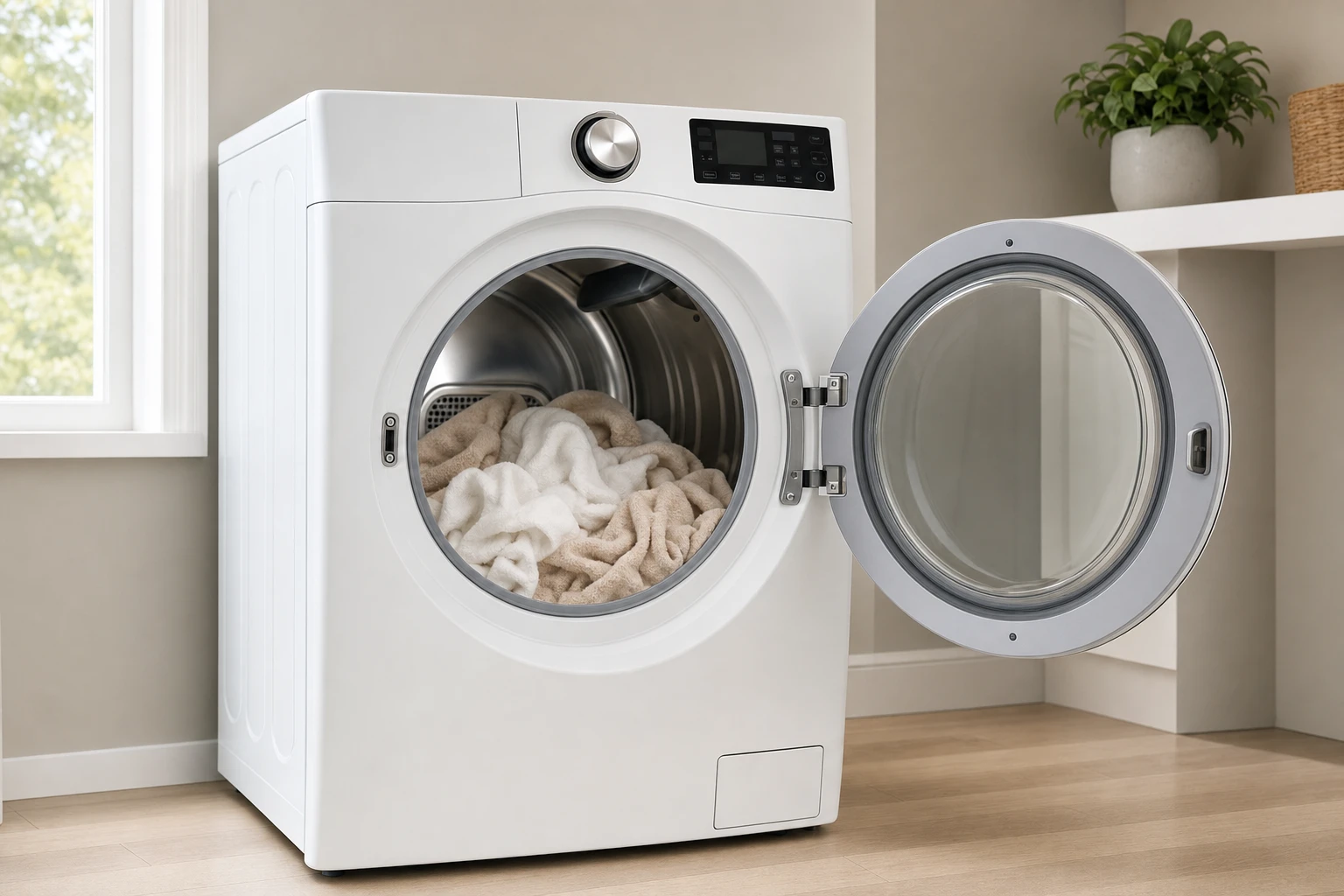
LG dryer not drying completely? Learn the top causes—clogged vents, bad sensors, heating issues—and when to call a pro for fast repair.

When it comes to doing laundry, most of us don’t give much thought to the inner workings of our clothes dryer.
Gas dryers combine heat, airflow, and basic mechanical engineering to make your laundry routine more efficient. By understanding how they work, you can appreciate the technology behind the warmth of freshly dried clothes—and keep your appliance running smoothly.
KEY TAKEAWAYS
A gas dryer is a common household appliance that uses natural gas or propane as a fuel source to generate heat. Unlike its electric counterpart, a gas dryer heats up faster and is often considered more energy-efficient, depending on utility rates. Here’s how it works in five simple steps:
The process begins when you load your clothes into the drum and set your desired drying cycle. The gas dryer uses electricity to power its control system, motor, and fan, but the heat source is primarily fueled by gas. Once you press start, the machine begins its work.
Gas dryers are equipped with a burner assembly that’s responsible for generating heat. Here’s what happens:
This heating process is carefully monitored by safety mechanisms to prevent gas leaks or overheating.
A fan or blower pulls in ambient air from the room. This air passes over the gas burner’s heat exchanger, where it’s heated. The hot air is then circulated through the drum, enveloping the tumbling clothes and evaporating moisture.
As the heated air absorbs moisture from your clothes, it becomes humid. The dryer vents this moist air out through an exhaust system, typically connected to a duct leading outside your home. This keeps the dryer running efficiently and prevents excess humidity from accumulating indoors.
Some dryers have moisture sensor bars that detect dampness in garments being tumbled and dried in the drum. When the moisture sensor bars no longer detect dampness in clothes, the dryer stops heating and goes into the cool down portion of the drying cycle.
Once the drying cycle is complete, many dryers include a cool-down phase. During this time, the heat is reduced or eliminated, and the drum continues to tumble to minimize wrinkles. This step ensures your clothes are not only dry but also easy to handle and fold.
For wrinkle prevention, some dryer will briefly tumble the clothes periodically after the cycle ends if you don’t remove the garments right away when the cycle ends.
When you encounter gas dryer problems, follow the troubleshooting tips in the owner’s manual to fix the problem. If those tips don’t help, we have some additional DIY troubleshooting advice below that may help you resolve common gas dryer problems.
When your gas dryer won’t heat, you could have a problem with the gas supply to the dryer, or problems with the flame sensor, gas valve coils, high-limit thermostat, operating thermostat, thermal cut-off fuse, thermal fuse, igniter or timer. That’s a long list of potential problems, so we’ve produced this popular DIY troubleshooting video to help you fix the problem:
By the way, this troubleshooting video gives an excellent explanation of the burner ignition process in a gas dryer as well.
If you’re unable to resolve the heating problem yourself, schedule dryer repair service and we’ll visit your home and fix the issue for you.
When your gas dryer won't start or run, it could have a bad door switch, a broken start switch or an issue with the power supply. Learn about a few easy tests you can run, including how to use a multimeter to make sure current is flowing between the components, to locate and fix the part causing the problem in this DIY troubleshooting video:
If you’re unable to resolve the starting failure on your own, schedule dryer repair service and we’ll fix the problem for you.
To keep your gas dryer running smoothly and safely follow these maintenance tips.
Always clean the lint screen filter after each use to maintain airflow and prevent fire hazards.
Also, wash the lint screen monthly as show in this video to remove residue and fabric softener buildup that can inhibit air flow through the dryer:
Ensure the exhaust vent duct system to the outside of your home is clear and free of obstructions to avoid carbon monoxide buildup.
Follow these steps to clean the exhaust vent duct system in your dryer:
Some vent duct systems can be challenging to clean on your own. If you need us to clean the dryer vent duct system for you, schedule dryer vent cleaning and we’ll send a technician to thoroughly clear lint and debris from the entire dryer exhaust vent system in your home.
Periodically inspect the gas lines and connections for leaks or wear.
Shut of the gas supply valve to the dryer and schedule dryer repair service if you detect problems with the gas lines or connections or smell gas leaking from the dryer.
Check the operation of your carbon monoxide detector yearly and replace the batteries at the same time or as needed to make sure this safety device works properly.
A clogged dryer vent can lead to carbon monoxide buildup in your home. You’ll want to make sure that this safety device is constantly working to keep you and your household safe.
To keep your dryer operating safely and efficiently, schedule professional dryer maintenance and we’ll send a service technician to your home to thoroughly inspect, clean and maintain your gas dryer.
The technician will check all gas lines and connections for safety. He or she will also check all dryer components and operations and make any adjustments necessary so the dryer operates safely and efficiently.
During dryer cleaning and maintenance service, our technician will open your dryer cabinet and vacuum lint and debris out of the cabinet. Lint inside the dryer cabinet is one of the leading causes of fires in homes.
Knowing how a gas dryer works will help you understand how to effectively use it safely and keep it in top shape. And remember, Sears Home Services is always here to help you out with anything you need regarding your gas dryer and other home appliances.
Count on our knowledgeable technicians to provide thorough dryer repairs, ensuring your appliance operates at peak performance for years to come.
Loading scheduler options...
LG dryer not drying completely? Learn the top causes—clogged vents, bad sensors, heating issues—and when to call a pro for fast repair.

Learn how an electric dryer works to get your clothes dry.

Discover how ventless dryers work and if they're right for your home. Learn about energy-saving designs, types, benefits, and maintenance tips.
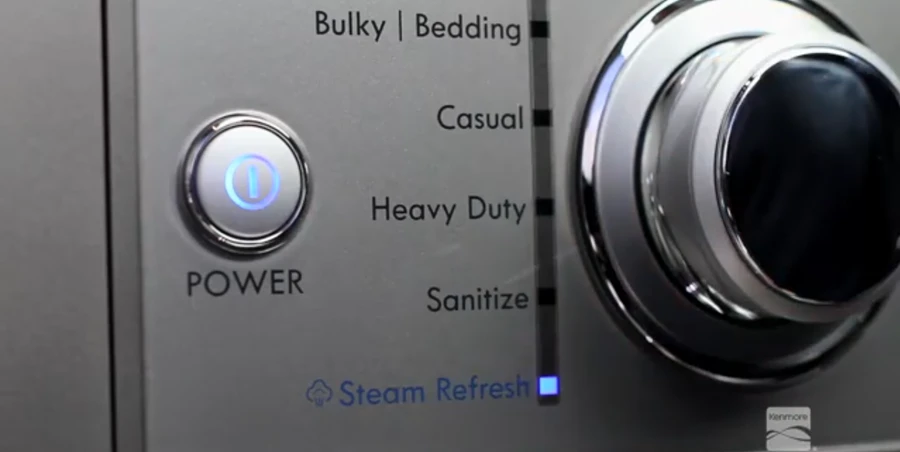
Learn how steam dryers work and how to keep them working smoothly.
A dryer drum is the main interior component of a clothes dryer where clothes are placed to be dried. It rotates during the drying cycle, allowing heated air to circulate through the clothes.
A dryer filter, commonly known as a lint filter, is a component of a clothes dryer that captures lint and other debris from clothes during the drying process, preventing them from clogging the dryer vent.
A dryer pedestal is a platform that elevates a dryer off the ground, making it easier to load and unload laundry while also providing additional storage space in some models.
A dryer rack is an accessory for clothes dryers that provides a stationary platform to dry items without tumbling, ideal for delicate or bulky items, or shoes that might be damaged by the usual drying cycle.
Whirlpool dryer not heating? Get expert Whirlpool dryer repair for gas and electric models. Fast, reliable service to restore heat today!
The most common reasons your Samsung dryer is blowing cold air are an open heating element, a failed thermal cut-off fuse, or a defective PCB.
The most common reasons your Bosch dryer is not drying are a clogged vent tube, open heating element or a bad wire connector.
The most common reasons your Hotpoint dryer is not heating are an open heating element, failed thermal cut-off fuse or a faulty thermal fuse.
The most common reasons your Maytag dryer has no heat are an open heating element, failed thermal cut-off fuse or a faulty thermal fuse.
The most common reasons your Samsung dryer has no heat are an open heating element, failed thermal cut-off fuse or a faulty thermal fuse.