 Appointment Lookup
 802-552-4364

Discover the top 5 furnace problems and solutions in 2026. Trust Sears Home Services for expert help and reliable solutions.

Loading scheduler...
GE double ovens combine convenience with advanced cooking technology, allowing you to prepare multiple dishes simultaneously at different temperatures.
When these sophisticated appliances experience problems, understanding common issues and their solutions can help you determine whether to attempt DIY fixes or call for professional service.
GE manufactures several types of double oven configurations, each with unique features and potential concerns:
Wall-mounted double ovens with vertical stacking
Range units with double oven configurations
Combination convection and conventional systems
Smart-enabled models with connectivity features
Self-cleaning models with specialized cleaning cycles
Each configuration contains complex electronic systems, heating elements, temperature sensors, and control panels that require specific troubleshooting and appliance repair approaches.
If your GE double oven isn't maintaining proper temperature:
Verify temperature settings and cooking mode selections
Test actual oven temperature with an oven-safe thermometer
Check for blocked vents that might restrict airflow
Inspect door seals for damage that might allow heat to escape
Examine heating elements for visible damage or uneven heating
Temperature issues often stem from sensor problems, calibration errors, or failing heating elements.
When food cooks unevenly despite proper recipe preparation:
Ensure proper rack positioning for the specific cooking mode
Verify that bakeware isn't overcrowding the oven cavity
Check that both upper and lower heating elements are functioning
Test different rack positions to find optimal placement
Consider using convection mode if available for more even results
Uneven results might indicate heating element or fan circulation problems in convection models.
GE double oven control panels may experience several issues:
Unresponsive touch controls or buttons
Error codes appearing during operation
Display malfunctions or blank screens
Programming difficulties or memory issues
Unexpected shutdowns during cooking cycles
Control panel problems often relate to electronic control boards, wiring issues, or power supply fluctuations. You’ll oven need to schedule wall oven repair to fix a problem with the control panel and/or electronic control board.
If the self-cleaning cycle fails to work properly:
Ensure the oven door is completely closed and locked
Verify that the correct cleaning cycle has been selected
Check if excessive food debris is preventing proper operation
Test if regular baking functions still work correctly
Look for error codes that might indicate specific problems
Self-cleaning issues often relate to door lock mechanisms, temperature sensors, or control board problems.
Door problems might include:
Misalignment affecting proper closure
Lock mechanisms that fail to engage or release
Damaged hinges causing uneven movement
Broken door springs affecting operation
Seal deterioration allowing heat to escape
Door issues can affect both cooking performance and safety functions.
Before calling for appliance repair service, consider these safe troubleshooting approaches:
Verify power supply: Check circuit breakers and reset if necessary
Inspect power cord: Look for damage or loose connections (if applicable)
Test outlet: Plug another appliance into the same outlet to confirm power
Reset electronics: Disconnect power for 2-3 minutes to reset internal systems
Check for power fluctuations: Determine if other appliances experience similar issues
Test actual temperature with an oven thermometer: Place a thermometer in the center of the oven to verify actual temperature
Observe heating elements: Watch for even glowing during preheating
Check the temperature sensor: Inspect for damage or displacement
Attempt control calibration: Some models allow manual temperature adjustment
Monitor preheat time: Excessive time might indicate element problems
Clean touch panel surface: Remove residue that might affect responsiveness
Test each function separately: Identify specific features that aren't working
Document error codes: Note any codes that appear for reference
Reset control panel: Disconnect power to reset electronics
Check for moisture: Ensure control area hasn't been exposed to liquids
Examine door alignment: Check for even gaps when closed
Test door springs: Open door halfway to see if it stays in position
Inspect door gaskets: Look for tears, deformation, or hardening
Check hinges: Watch for smooth, even door movement
Test lock mechanism: Listen for lock engagement during self-clean mode
Certain situations require professional wall oven repair expertise:
Electrical issues involving internal wiring or control boards
Heating element replacement (particularly hidden elements)
Temperature sensor failures requiring calibration
Complex electronic or digital display malfunctions
Door lock mechanism failures, especially related to self-cleaning function
Gas supply issues (for gas double oven models)
Smart technology or connectivity problems
Proper oven appliance maintenance can prevent many common issues:
Clean interior surfaces regularly with appropriate products
Wipe spills promptly to prevent baked-on residue
Use correct self-cleaning procedures according to your model's guidelines
Keep door seals clean and free from food particles
Clean control panels with appropriate non-abrasive products
Maintain proper ventilation around the appliance
Schedule yearly professional oven appliance maintenance to keep your oven in top shape and lasting longer
GE double ovens often feature specialized cooking modes that can affect troubleshooting:
Conventional Bake: Uses bottom heating element primarily
Convection Bake: Adds fan circulation for even cooking
Broil: Uses top element at high temperature
Roast: Combines elements for specific cooking results
Proof: Low-temperature setting for bread rising
Warm: Low-heat setting for food holding
Problems might affect only certain modes, helping isolate the specific components involved.
When your sophisticated oven requires expert attention, Sears Home Services offers specialized repair:
Factory-trained technicians familiar with all GE double oven models
Authentic replacement parts that maintain performance and warranty
Comprehensive diagnostic assessment of both oven cavities
Warranty-backed repairs for peace of mind
Complete operational testing following service
Maintenance recommendations to prevent future issues
Our technicians understand the complex technology and precise engineering behind GE double ovens, ensuring your repair meets manufacturer specifications.
Don't compromise your cooking capabilities with a malfunctioning double oven. Whether you're experiencing temperature inconsistencies, control panel issues, or door problems, our qualified technicians can restore your GE double oven to optimal condition.
For reliable, professional service from technicians who understand the specific needs of GE appliances, contact Sears Home Services today at Sears Appliance Repair.
Understanding your specific model's features can help with troubleshooting:
Profile Series: Often includes convection technology and advanced electronics
Café Series: Features professional styling with specialized cooking modes
Monogram Series: Luxury models with premium components and technology
Standard Models: Reliable conventional systems with essential features
Each product line may have unique components and common issues specific to their design.
Problems with your GE double oven can affect energy efficiency:
Door seal issues allow heat to escape, increasing energy consumption
Temperature calibration problems may result in longer cooking times
Faulty controls might cause ovens to remain on longer than necessary
Ventilation restrictions can reduce heating efficiency
Element failures may cause compensation from other components
Proper repair and maintenance not only restore functionality but can also improve energy efficiency and reduce operating costs.
When repairs require component replacement, using genuine GE parts ensures:
Proper fit and function within your specific model
Continued warranty coverage where applicable
Original equipment quality and reliability
Compatibility with existing systems and controls
Proper safety certification for critical components
Our technicians use authentic parts designed specifically for your GE double oven model.

Book online in less than a minute.

Apply your diagnostic fee to the costs of repair.

Save up to $150 on your repair if you enroll in a home warranty.
Discover the top 5 furnace problems and solutions in 2026. Trust Sears Home Services for expert help and reliable solutions.
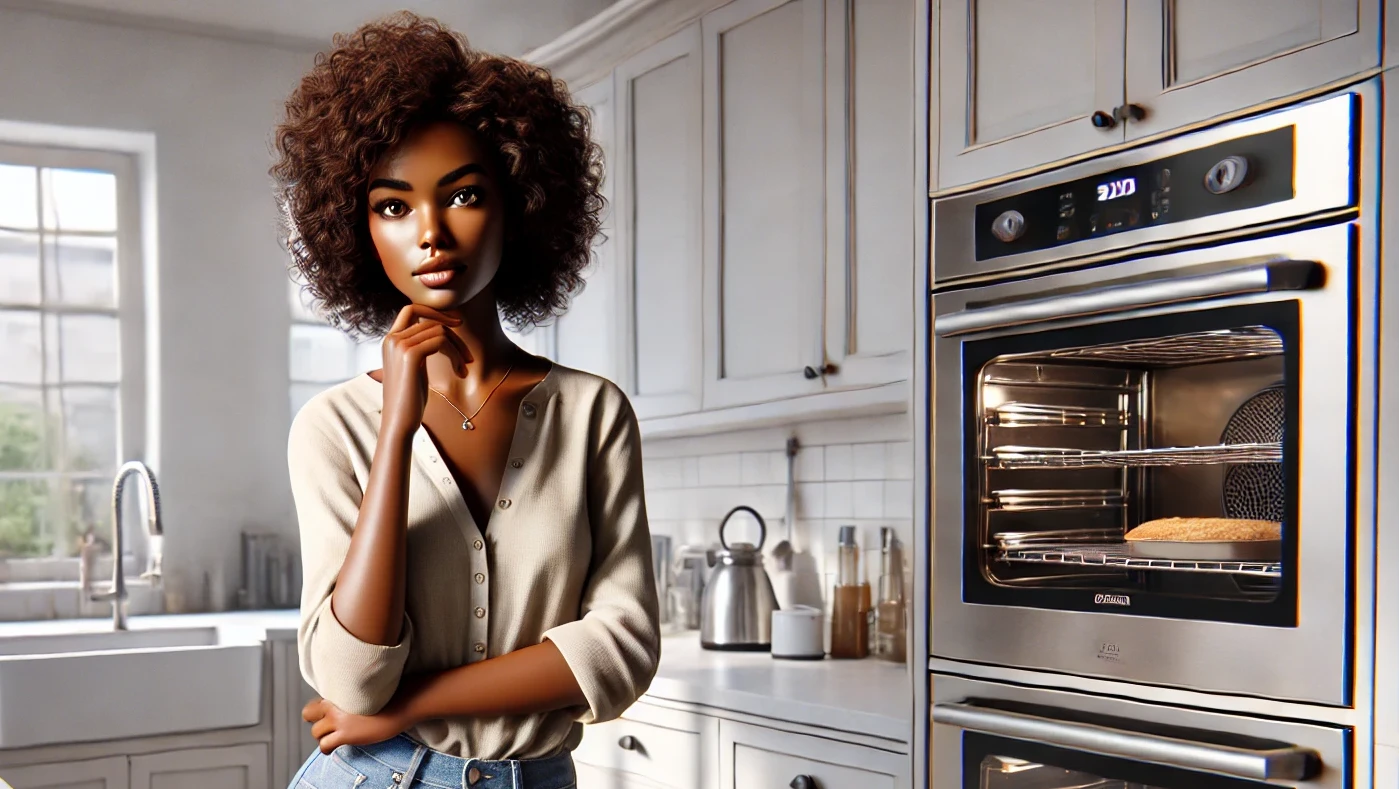
Learn how to test oven temperature accurately and make control adjustments so your oven works properly.

Identifying the root cause becomes paramount when your oven starts acting up.

Learn how to calibrate oven temperature accurately for perfect cooking results every time.
The drum is the core part of the washer that holds your laundry and enables the cleaning process through rotation, agitation, and rinsing.
The 608 Certification, mandated by the Environmental Protection Agency (EPA), is required for HVAC technicians to legally handle refrigerants. It ensures technicians understand refrigerant types, environmental impact, and proper handling techniques.
A compressor is a mechanical device that increases the pressure of a gas by reducing its volume, essential in various systems including refrigerators, air conditioners, and HVAC units for cooling and refrigeration processes.
A condenser is a component of HVAC and refrigeration systems, responsible for releasing absorbed heat from the refrigerant into the outside air or a water line, thus facilitating the cooling process.
We're in your neighborhood, and we'll fix it no matter where you bought it.
Schedule service your way