 Appointment Lookup
 213-596-2538
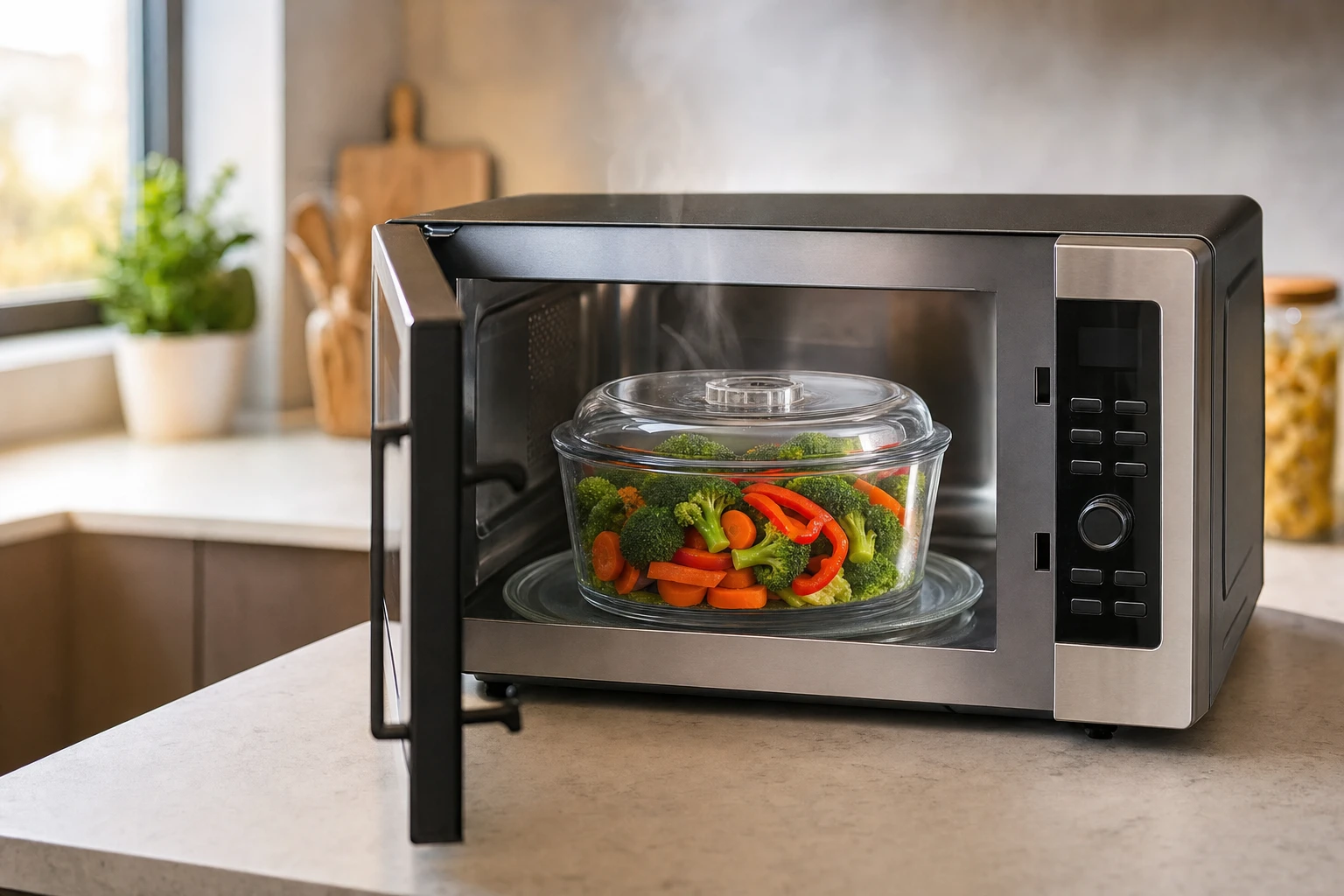
What is a microwave steamer? Learn how it works, what foods it cooks best, safety tips, and how to avoid damaging your built-in microwave.
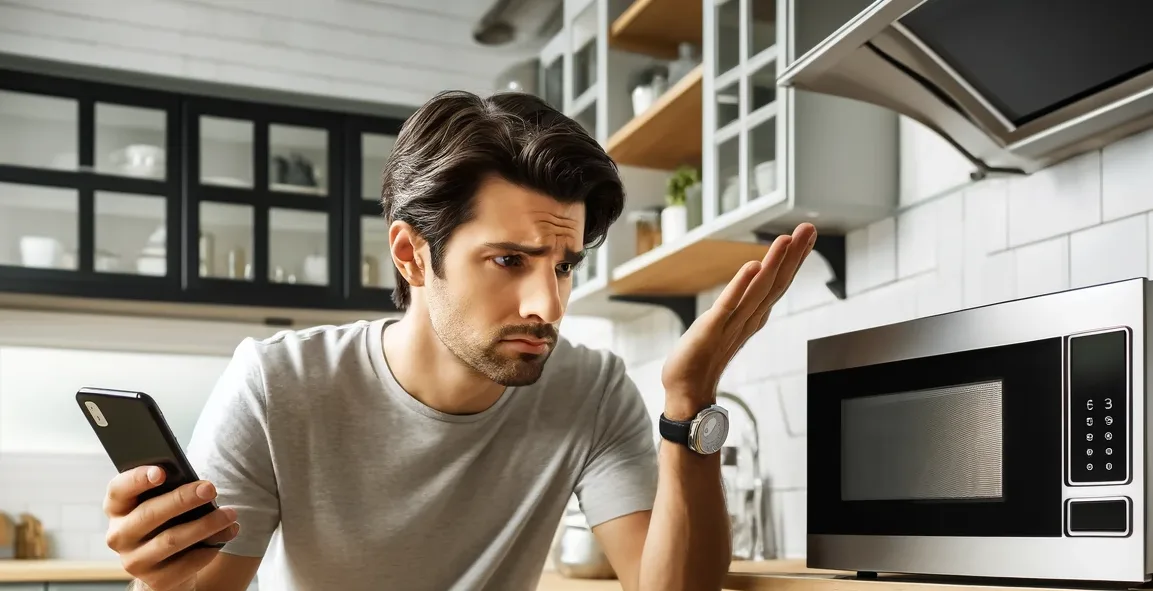
When your microwave starts acting up, you might find yourself asking, "is it worth repairing a microwave?" This question is not uncommon, and the answer often depends on several key factors. These factors include whether is it a built-in model, the age of your microwave, the cost of repair, and the possible benefits of repairing versus replacing. Let's explore these factors in detail to help you make a well-informed decision.
KEY TAKEAWAYS
The decision to repair or replace a microwave depends on certain crucial factors.
Countertop and over-the-range microwaves typically last an average of 9-10 years. Built-in microwaves often last more than 15 years. If your microwave is near or past its retirement age, replacing it might be a better option due to the increased likelihood of recurring issues and lack of replacement parts.
For countertop and microhood models, you’ll almost always be better off replacing the appliance rather than repairing it once its warranty has ended. Microwave repairs can easily match or exceed the replacement cost of these models.
For a built-in microwave, you’ll typically want to repair the appliance and keep it for as long as possible because it matches the oven and other kitchen appliances. It can be difficult to buy a matching replacement for a built-in microwave.
If the cost of repairing a microwave comes close to or exceeds the price of a new one, it might make more financial sense to replace it. However, if the costs of repairing are relatively low and the microwave isn’t too old, it could be worth repairing the microwave.
Frequent malfunctions could indicate that your microwave is nearing the end of its lifespan. In such cases, investing in a new microwave could save you from continuous repair costs.
Repairing your microwave has several advantages:
At Sears Home Services, we have experienced microwave repair experts who can diagnose your microwave and fix it quickly. We have access to repair parts for all major microwave brands. Get in touch today to schedule microwave oven repair.
While there are benefits to repairing a microwave, there are also situations where it might be more practical to replace it.

When you need to replace your microwave, visit our Sears.com Upgrade page to find special offers and financing to help make your appliance replacement easy and seamless. You’ll find appliance package deals that will enable you to transform your entire kitchen all at once.
When pondering whether it is worth repairing a microwave and possibly your other kitchen appliances, remember that the final decision depends on your specific situation and needs.
Consulting with a microwave technician can offer valuable insights into whether a repair is feasible. A technician can diagnose the issue, identify necessary parts, and estimate the cost of repairing a microwave oven.
Obtaining multiple repair quotes allows you to compare prices and determine the best option for your budget. Remember, the cheapest quote isn’t always the best choice; quality and reliability of repairs are important factors too.
Also, consider any manufacturer warranty that may still be valid. Many microwaves come with warranties that cover certain repairs or replacements for a specific period. Checking your warranty can help you determine if the costs of repairing a microwave would be covered partially or fully by the manufacturer.
By seeking expert advice, getting multiple quotes, and considering your warranty, you can make an informed decision and get the best value for your money.
To get the best advice and help with a microwave repair, schedule service through our Sears Home Services website. We’ll send an experienced and knowledgeable technician to your home to help you fix your microwave failure.
With years of expertise, our technicians can swiftly diagnose and repair your microwave, ensuring it's back in working order in no time.
Loading scheduler options...
What is a microwave steamer? Learn how it works, what foods it cooks best, safety tips, and how to avoid damaging your built-in microwave.

Discover the top causes of microwave malfunctions in 2026 with Sears Home Services.

Several factors can impact how long a microwave lasts.

Find out how magnetrons work in microwave ovens to cook food.
A microwave waveguide cover is a small, often mica or plastic piece inside the microwave that covers the opening where microwaves enter the cooking chamber, protecting the microwave's internal components from food splatter and ensuring efficient distribution of the microwaves.
A microwave diode is an electrical component that allows current to flow in one direction only, playing a crucial role in converting incoming electrical power into the microwave energy that cooks the food.
A microwave sensor is a technologically advanced feature in modern microwave ovens that measures vapor (steam) emitted by the food, adjusting the cooking time and power levels automatically for optimal results.
A microwave magnetron is a component in microwave ovens that generates the microwaves used to cook food.
The most common reasons a Whirlpool microwave light won't turn on are a defective control panel, a burned out light bulb, or a malfunctioning PCB.
The most common reasons your Kenmore Elite microwave has no power are a bad thermostat, malfunctioning electronic control board or a broken switch.
The most common reasons your Whirlpool microwave is not working are a bad thermostat, malfunctioning electronic control board or a broken switch.
The most common reasons your Samsung microwave is not turning on are a bad thermostat, malfunctioning electronic control board or an inoperative power supply board.
The most common reasons your Samsung microwave won't close are a warped door assembly, a broken door latch, or a bent door hinge.
The most common reasons your Frigidaire microwave stopped working are a malfunctioning electronic control board, bad thermostat or a broken switch.