 Appointment Lookup
 213-596-2538
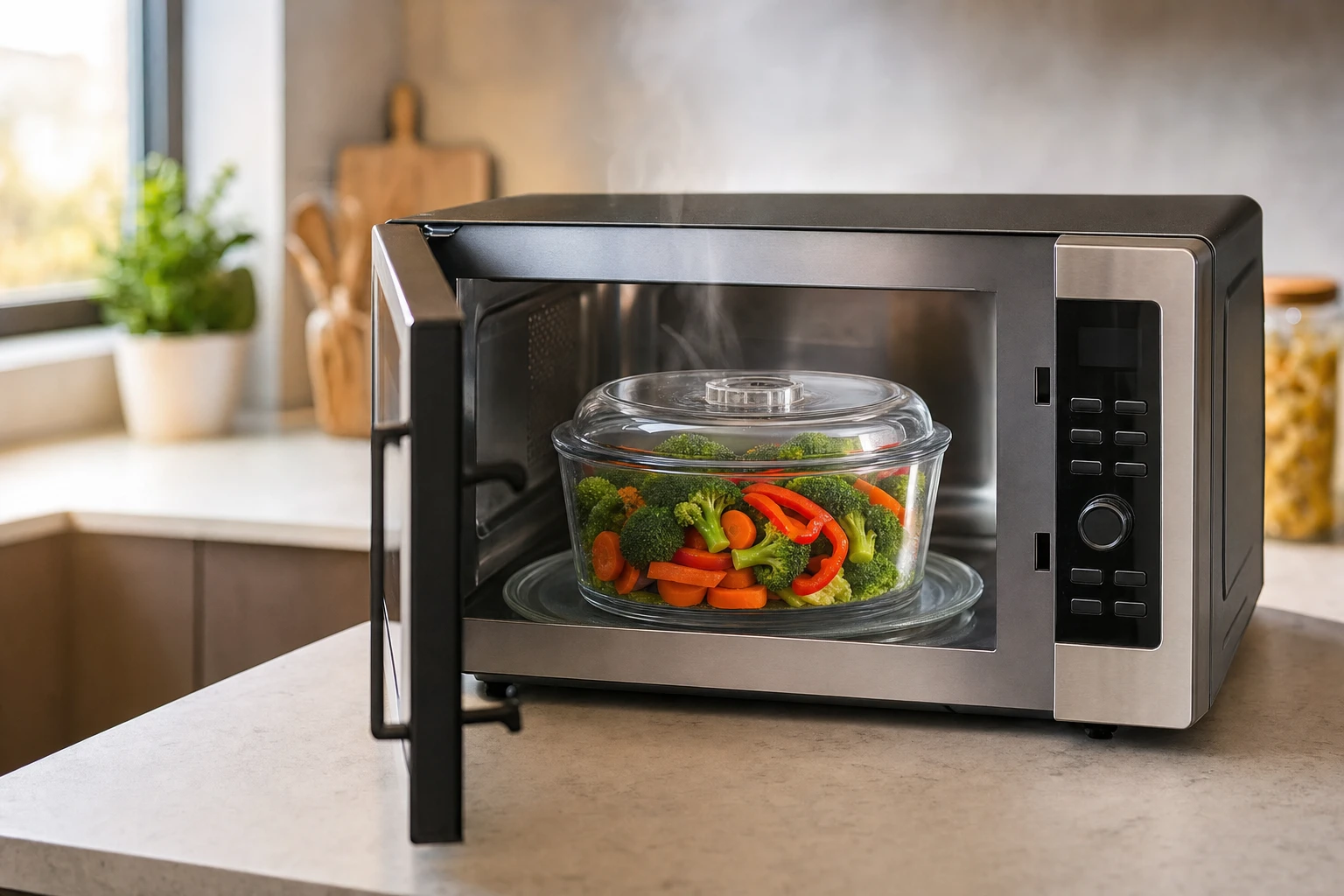
What is a microwave steamer? Learn how it works, what foods it cooks best, safety tips, and how to avoid damaging your built-in microwave.

In the world of kitchen appliances, microwaves are indispensable. However, like any other electronic device, they can encounter multiple issues. In 2026, we’ve identified the top causes of microwave malfunctions, helping you understand why your microwave might not be working as expected.
Whether it's the microwave light not turning on, the fan not working, the microwave failing to heat, or the turntable not spinning, understanding the root cause of the microwave problem can guide you on whether to fix it yourself, consult a professional microwave repairman, or replace the microwave.
KEY TAKEAWAYS
Microwaves are convenient kitchen appliances, but like any other electronic devices, they can experience various failures. There are many reasons why your microwave won’t work right.
Here are common causes and safe resolutions for microwave malfunctions.
When the microwave has no power at all, start by making sure that its power cord is plugged in. Next, make sure the electrical outlet is working. Plug a small lamp or appliance into the electrical outlet. If the outlet has no power, reset the house circuit breaker for the outlet. If the outlet is still dead, you’ll need to have an electrician fix the electrical outlet.
If the electrical outlet is okay and power cord is plugged in securely, a failed electronic control board or internal wire failure could be preventing the microwave from powering up. A service technician will need to diagnose and repair these types of failures. You may also consider replacing the microwave when it won’t work at all.
If you have a Samsung microwave needing repair, we can help. Our local technicians offer Samsung repair near you, to get your microwave working again quickly. We also offer repair for most other major brand microwaves.
When the microwave won’t start, one of these failures could be causing the problem.
The same failures listed above except for a broken door switch will prevent the microwave from heating while it runs. A technician will need to diagnose and repair the problem or you can replace the microwave when it won’t heat.
If you notice sparks inside your microwave while it's running, it could be because foil or utensils are inside, or the interior paint could be chipped, exposing the metal of the microwave. If there are spatters of food inside your microwave, they could be continuing to cook when you turn it on, which can also cause sparks. Clean the internal cavity of your microwave thoroughly.
You can repair some types of arc marks and burns using touch-up paint.
This video will walk you through that process and show you some ways that you can avoid burning your microwave in the future.
For microwaves that are not stainless steel on the inside, you can repair arc marks up to the size of a quarter using this touch-up paint, but only if the marks appear on the inside walls, the floor, or the ceiling. Don't attempt repairs on the outer frame, or the door. Any repairs to the door or frame could affect the shielding and cause radiation leaks. And don’t attempt repairs on burn marks larger than a quarter, as that could be a sign of a more serious problem and should be checked out by a service technician. Also, don't use this repair on microwaves with a stainless steel the inside, because the paint won’t stick.
If you’re unable to repair arc marks or burns inside the cavity, schedule service by a technician or replace the microwave.
A burnt out light bulb often prevents the internal light or cooktop light from working in your microwave. Check the owner’s manual for your model to see if you can replace the light bulb yourself. Follow the instructions in the manual to replace the light if you find that procedure covered.
In many microwaves, the internal light needs to be replaced or fixed by a service technician. Schedule service or continue to use the microwave without the internal light. You can also replace the microwave when the internal light quits working and you’re unable to safely fix the problem yourself.
If replacing the light bulb doesn’t fix the problem, a wiring failure, bad light socket or defective control could be preventing the light from working. Schedule microwave oven repair or replace it unless you can do without the light.
When the turntable in your microwave isn’t rotating, first check that it's properly aligned on the turning mechanism. It can easily become loose and fail to turn properly. Aligning the turntable properly may fix the problem.
Next, check the settings to make sure turntable rotation is selected. Adjust the turntable setting if necessary.
If the above troubleshooting tips don’t help, then a bad turntable motor or a wiring failure could be preventing the tray from rotating. You’ll need to have a service technician diagnose the problem and fix the microwave when the turntable won’t move. You can also replace the microwave.
When the touchpad isn’t working, try unplugging the microwave power cord for 3 minutes to reset the electronic control board. Plug the microwave back in to restore electrical power. The touchpad may work normally. If not, you’ll need to have the microwave repaired because the control board or touchpad will likely need replacing. You can also replace the microwave instead of repairing it.
Don’t attempt microwave repairs that aren’t covered in the owner’s manual. Microwaves have a high-voltage capacitor that retains a lethal electrical charge even when the microwave power cord is unplugged. Also, a service technician needs to test the microwave for radiation leakage following any disassembly or repair. Don’t risk your health and safety by attempting DIY microwave repairs.
Schedule microwave service through Sears Home Services when your microwave needs repair.
Because microwaves are inexpensive appliances, it’s often less expensive to replace the unit rather than repairing it. We can help you with that, too.
To seamlessly replace your microwave (and other appliances if needed), visit our Sears.com Upgrade page to conveniently select a new appliance or appliances and get help with special financing.
We’ve consolidated all help, financing offers and savings into one location on our Upgrade page to make it easy for you to replace your appliances now. No hassles and no waiting.
Sears carries a wide selection of microwaves and other appliances from top brands like Kenmore, GE, Samsung and LG. Get your new home appliances right away.
Sears Home Services is here to help you manage your home easier whether it involves troubleshooting, repair or appliance replacement. Trust us to help you take care of everything in your house so you can truly enjoy your home.
With years of expertise, our technicians can swiftly diagnose and repair your microwave, ensuring it's back in working order in no time.
Loading scheduler options...
What is a microwave steamer? Learn how it works, what foods it cooks best, safety tips, and how to avoid damaging your built-in microwave.

Is it worth repairing a microwave? Find out the pros and cons of repairing your microwave at Sears Home Services.

Several factors can impact how long a microwave lasts.

Find out how magnetrons work in microwave ovens to cook food.
A microwave waveguide cover is a small, often mica or plastic piece inside the microwave that covers the opening where microwaves enter the cooking chamber, protecting the microwave's internal components from food splatter and ensuring efficient distribution of the microwaves.
A microwave diode is an electrical component that allows current to flow in one direction only, playing a crucial role in converting incoming electrical power into the microwave energy that cooks the food.
A microwave sensor is a technologically advanced feature in modern microwave ovens that measures vapor (steam) emitted by the food, adjusting the cooking time and power levels automatically for optimal results.
A microwave magnetron is a component in microwave ovens that generates the microwaves used to cook food.
The most common reasons a Whirlpool microwave light won't turn on are a defective control panel, a burned out light bulb, or a malfunctioning PCB.
The most common reasons your Kenmore Elite microwave has no power are a bad thermostat, malfunctioning electronic control board or a broken switch.
The most common reasons your Whirlpool microwave is not working are a bad thermostat, malfunctioning electronic control board or a broken switch.
The most common reasons your Samsung microwave is not turning on are a bad thermostat, malfunctioning electronic control board or an inoperative power supply board.
The most common reasons your Samsung microwave won't close are a warped door assembly, a broken door latch, or a bent door hinge.
The most common reasons your Frigidaire microwave stopped working are a malfunctioning electronic control board, bad thermostat or a broken switch.