 Appointment Lookup
 802-552-4364
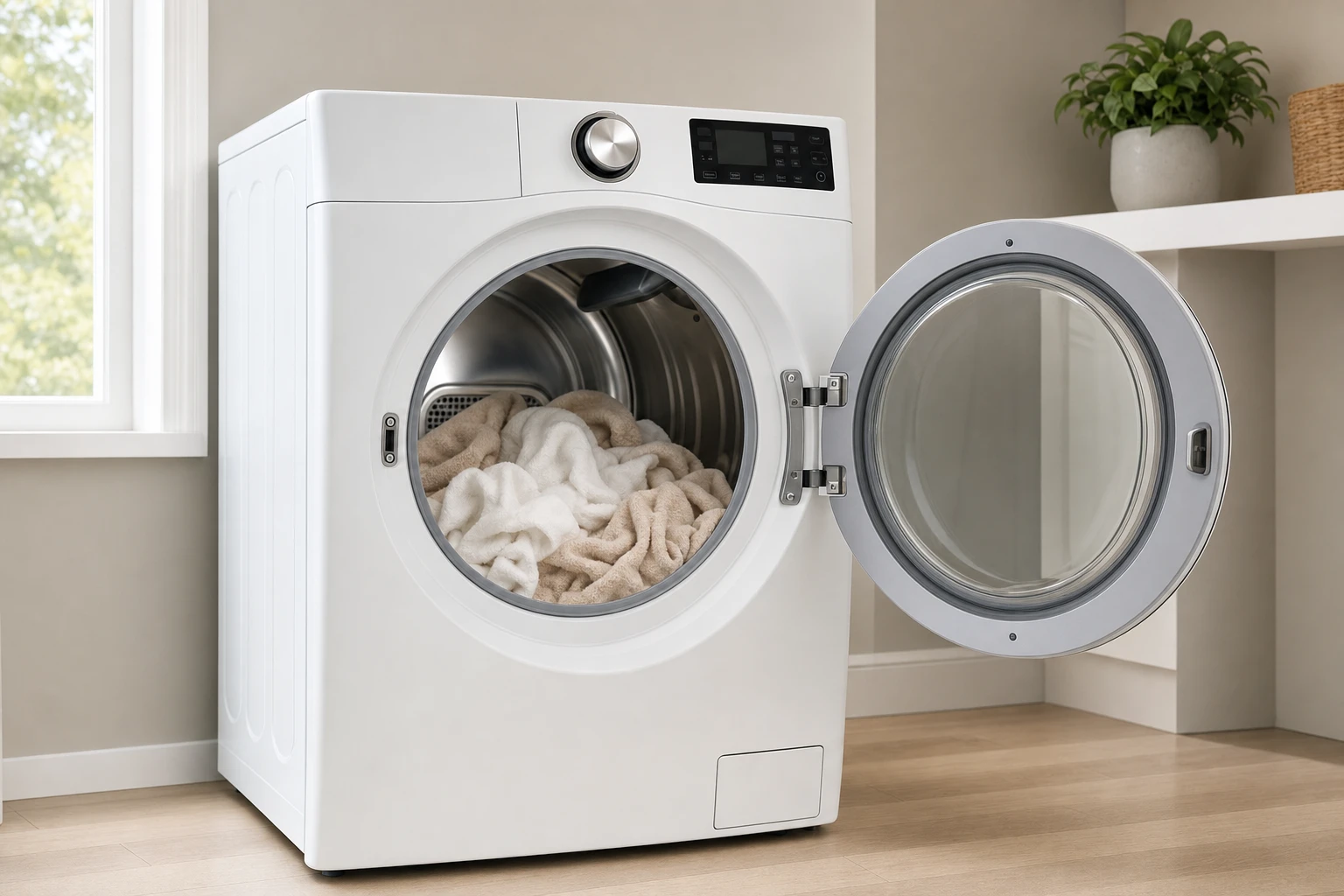
LG dryer not drying completely? Learn the top causes—clogged vents, bad sensors, heating issues—and when to call a pro for fast repair.

Loading scheduler...
Fisher & Paykel dryers are known for their innovative design and reliable performance, but like any appliance, they occasionally need maintenance or repair.
As experienced technicians who’ve serviced thousands of these specialized dryers, we can help you identify and resolve the most common issues before calling a professional.
If your Fisher & Paykel dryer won't turn on, several simple issues could be responsible:
Ensure the dryer is properly plugged into a functioning outlet
Test the outlet with another appliance to confirm it's working
Verify your home's circuit breaker hasn't tripped
Inspect the power cord for damage or loose connections
Fisher & Paykel dryers have a safety feature that prevents operation when the door isn't fully closed.
How to check:
Ensure the door is completely shut
Listen for a click when closing the door, indicating the switch is engaging
Inspect the door latch for damage or misalignment
Clean any lint build-up around the door seal that might prevent proper closing
Sometimes the problem lies with the control board or user interface.
Troubleshooting steps:
Reset your dryer by unplugging it for 5 minutes, then reconnecting
Check for error codes on the display (consult your manual for specific code meanings)
Test different cycle settings to see if any will activate
If using a digital model, verify child lock isn't activated
A common frustration is when your dryer operates but clothes remain damp after a full cycle.
The most frequent cause of poor drying is a clogged lint filter, which restricts airflow and extends drying time.
Maintenance tips:
Remove and clean the lint filter before every load
Wash the filter with warm soapy water monthly to remove invisible residue from fabric softeners
Allow the filter to dry completely before reinstalling
Vacuum the lint filter housing area to remove accumulated debris
Fisher & Paykel dryers require proper ventilation to remove hot, moist air.
How to check and fix:
Inspect the external vent while the dryer is running – you should feel strong airflow
Disconnect the vent hose and check for obstructions like lint build-up or bird nests
Clean the entire vent path from dryer to exterior
Ensure the outdoor vent cover opens and closes properly
Consider shortening or straightening the vent path if possible
Schedule professional dryer duct cleaning yearly to keep the exhaust air path clear
Fisher & Paykel dryers are designed for specific load capacities, and exceeding these limits prevents proper airflow.
Solution:
Reduce load size to allow clothes to tumble freely
Follow the capacity guidelines in your owner's manual
Consider drying heavy items (like towels) separately from lighter fabrics
Allow adequate space for hot air circulation
Using the wrong cycle for your fabric type can result in under-drying.
Optimization tips:
Use the automatic sensor dry cycles for most loads
Select higher heat settings for heavier fabrics
Use timed dry for very heavy items that might confuse the moisture sensors
Remember that "eco" or energy-saving cycles may take longer to complete
Fisher & Paykel dryers should operate relatively quietly, with just the sound of tumbling clothes and air movement. Unusual noises often indicate specific problems:
Common causes and fixes:
Worn drum support rollers or bearings may need replacement
Check for items caught in the drum seal or baffle
Apply a small amount of high-temperature lubricant to movable parts if recommended in your manual
Inspect the blower wheel for obstructions
Possible solutions:
Check for buckles, buttons, or heavy zippers hitting the drum
Ensure the dryer is level on the floor to prevent vibration
Verify all shipping materials were removed during installation
Inspect for clothing wrapped around the drum, creating an unbalanced load
Troubleshooting steps:
Confirm the dryer is sitting level on a solid, even floor
Check and tighten any loose screws on the front panel or console
Inspect drum support rollers for wear
Verify the drive belt is properly tensioned and not damaged
Modern Fisher & Paykel dryers display specific error codes to help diagnose problems.
Here are some common codes and their meanings:
This warning appears when airflow is restricted.
Resolution steps:
Clean the lint filter thoroughly
Check for and remove any obstructions in the exhaust system
If the warning persists after cleaning, the airflow sensor may need service
Codes related to temperature issues (often displayed as E4, E5, or similar, depending on your model).
Troubleshooting approach:
Reset the dryer by disconnecting power for 5 minutes
Ensure the dryer isn't positioned in an extremely cold area
Check ventilation for proper airflow
A persistent error may indicate a faulty temperature sensor requiring replacement
Schedule dryer repair service when you’re unable to resolve the temperature sensor problem on your own and clear the error code.
These typically require professional diagnosis but try these steps first:
Power cycle the dryer by unplugging for 5 minutes
Check for signs of water damage or electrical issues
Refer to your owner's manual for specific error code information
Contact a qualified dryer repair technician for complex control system problems
Preventive maintenance can extend the life of your dryer and prevent common issues:
Clean the lint filter before every load
Vacuum behind and underneath the dryer quarterly
Clean the moisture sensors (typically located on the drum exit grille) with vinegar and a soft cloth every 6 months
Check and clean the entire vent system annually
Use the appropriate amount of high-quality detergent when washing clothes to prevent residue
Avoid over-drying, which wastes energy and can damage fabrics
Clean the drum interior occasionally with a damp cloth to remove residue
Schedule professional dryer appliance maintenance service every year to keep your dryer in to shape and lasting longer
Fisher & Paykel dryers include several unique features that set them apart:
These dryers use sophisticated sensors to detect moisture levels and adjust drying time accordingly. For optimal performance:
Don't mix very heavy items with lightweight fabrics
Ensure sensors are clean and free of residue
Start with dry load for most accurate sensing
This system optimizes airflow for more efficient drying:
Keep the entire ventilation system clean
Ensure adequate clearance around the dryer for proper air circulation
Follow load size recommendations to maintain optimal performance
This feature helps prevent wrinkles by periodically tumbling clothes after the cycle ends:
For best results, remove clothes promptly when the cycle completes
If you can't unload immediately, use this feature to prevent set-in wrinkles
This feature automatically stops after a predetermined time to save energy
While many Fisher & Paykel dryer issues can be resolved with DIY troubleshooting, some situations require professional attention:
Electrical problems (burning smells, sparking, or tripped breakers)
Mechanical failures (drum not turning, severe noise, or vibration)
Control system malfunctions that persist after reset attempts
Gas dryer issues related to the ignition or gas supply
Complex error codes that don't resolve with basic troubleshooting
Our Sears Home Services technicians are specially trained to work on Fisher & Paykel dryers and have access to factory-authorized parts. Contact our customer service team for prompt, professional assistance with Fisher & Paykel Dryer Repair services.

Book online in less than a minute.

Apply your diagnostic fee to the costs of repair.

Save up to $150 on your repair if you enroll in a home warranty.
LG dryer not drying completely? Learn the top causes—clogged vents, bad sensors, heating issues—and when to call a pro for fast repair.
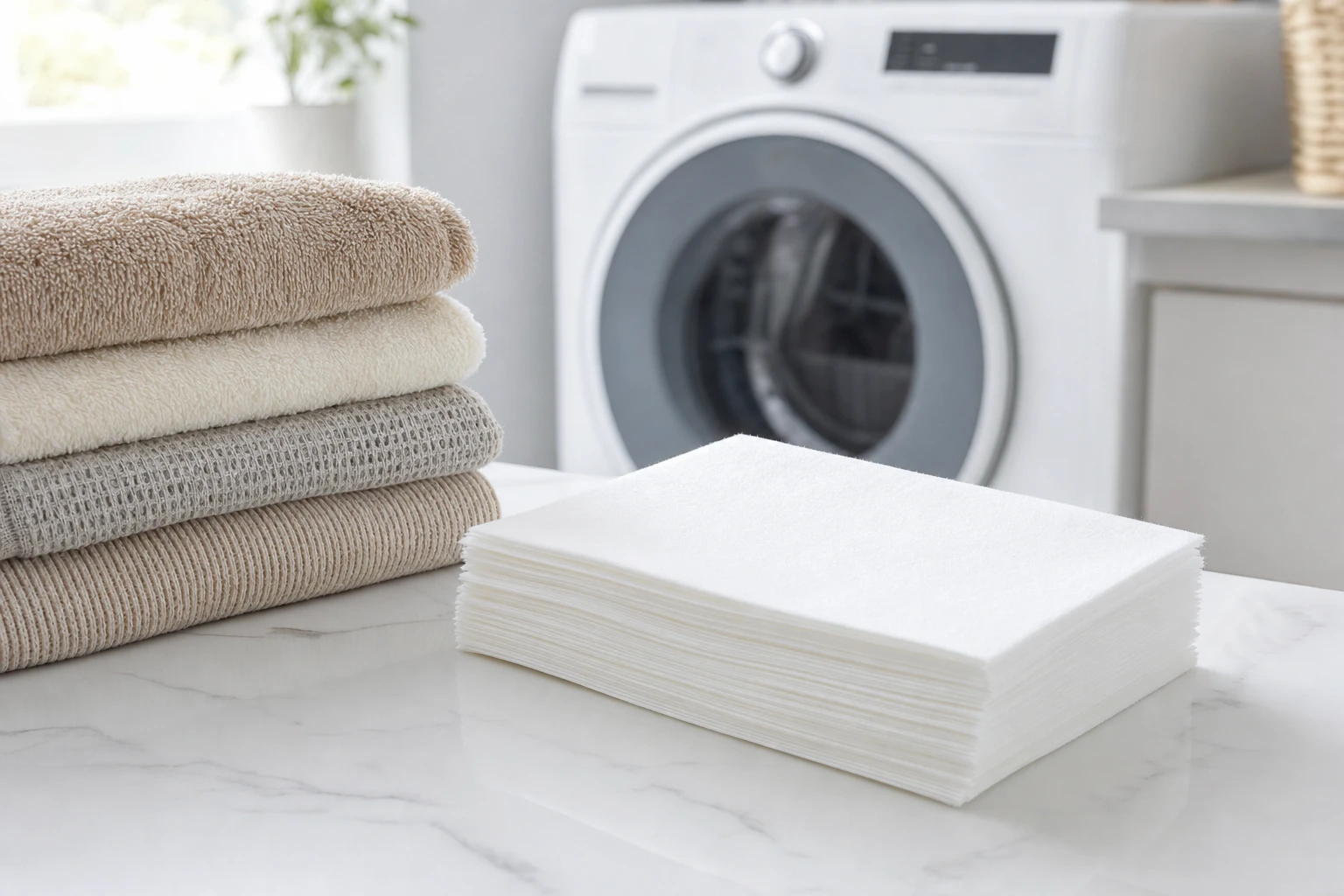
Are dryer sheets toxic? Learn what's really in them, health and dryer risks, safer alternatives, and when to call a pro for dryer repair.
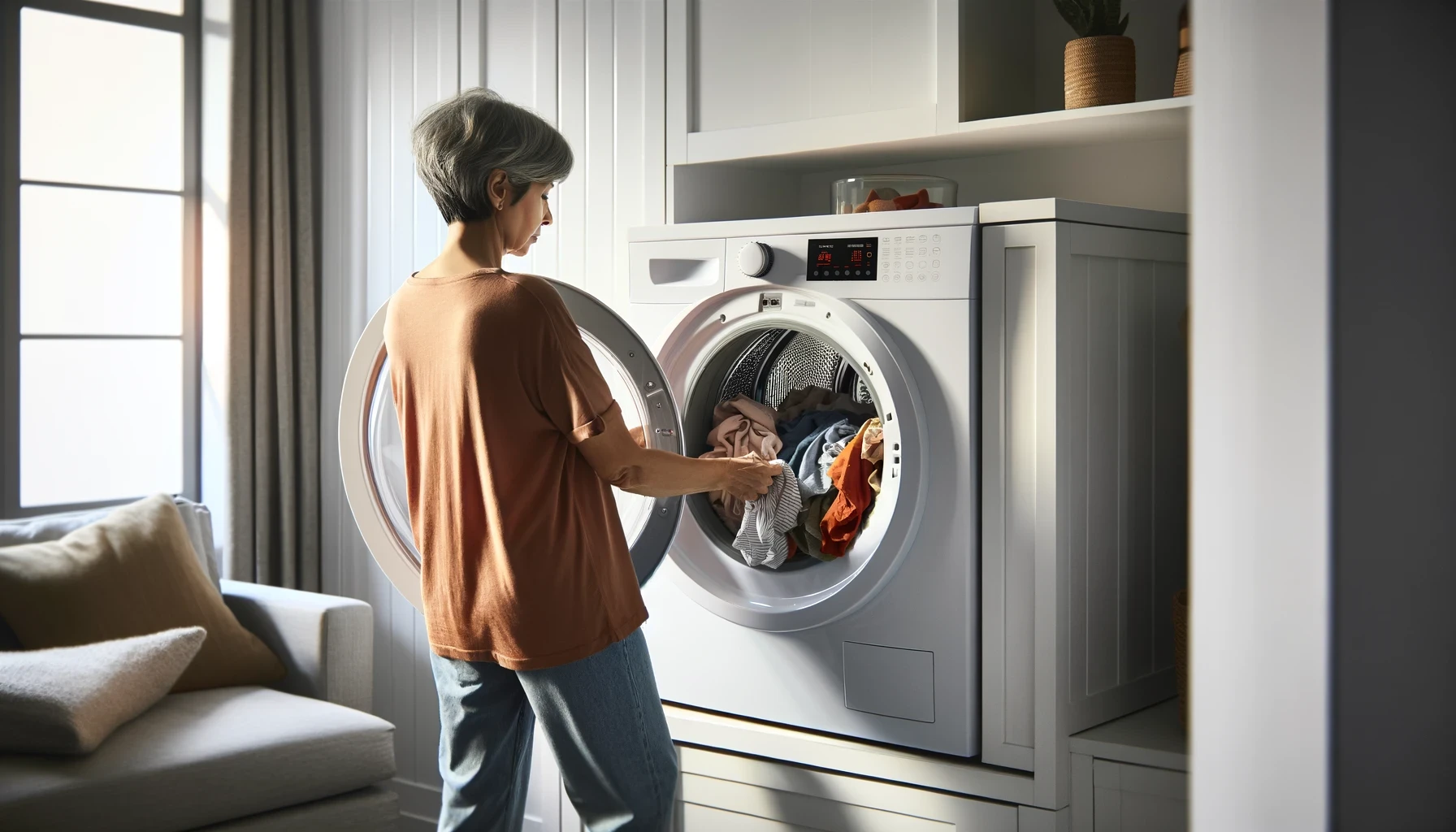
When your dryer won’t stay running during a cycle, it can throw a huge wrench in your laundry routine.

Discover the reasons why your dryer is not drying and get expert troubleshooting tips to fix common drying problems.
A dryer drum is the main interior component of a clothes dryer where clothes are placed to be dried. It rotates during the drying cycle, allowing heated air to circulate through the clothes.
A dryer filter, commonly known as a lint filter, is a component of a clothes dryer that captures lint and other debris from clothes during the drying process, preventing them from clogging the dryer vent.
A dryer pedestal is a platform that elevates a dryer off the ground, making it easier to load and unload laundry while also providing additional storage space in some models.
A dryer rack is an accessory for clothes dryers that provides a stationary platform to dry items without tumbling, ideal for delicate or bulky items, or shoes that might be damaged by the usual drying cycle.
We're in your neighborhood, and we'll fix it no matter where you bought it.
Schedule service your way