 Appointment Lookup
 213-596-2538

Discover the top 11 reasons why your refrigerator is not cooling. Get expert tips and solutions from Sears Home Services.

It can be difficult when you suddenly find your Whirlpool fridge not cooling even though its freezer is working just fine. Or maybe this situation has been building up over the last several weeks. The fridge section has been getting gradually warmer while everything in the freezer stays frozen solid. Either way, it’s time to fix the problem so your milk and fresh foods don’t keep spoiling.
So, what could be causing this? There are several common issues that could be the culprit behind why your Whirlpool fridge is not cooling but the freezer is still operating normally. Let’s explore the potential causes and how you can address them.
KEY TAKEAWAYS

One of the first things to check when your fridge isn’t cooling properly is whether the air vent ducts between the freezer and refrigerator compartments are blocked.
Whirlpool refrigerators rely on air circulation to keep both sections cool. The freezer generates cold air, which the refrigerator then uses.
If the air vent ducts are blocked by food item, the cold air won’t make it to the fridge, leading to inadequate cooling. Sometimes, ice or frost can build up inside the duct and prevent refrigerator section cooling.
Check for any obstructions near the vents in the refrigerator and freezer section. The owner’s manual for your Whirlpool fridge typically shows where are vents are located.
Move any items that are blocking air supply or return vent ducts. If a duct is clogged with ice or frost, defrost the area to clear the clog.
Schedule refrigerator repair to have a technician fix the problem if you’re unable to restore cooling to the fridge on your own.

Condenser coils are responsible for releasing heat from the refrigerator and freezer. Over time, these coils can become clogged with dust, dirt, and debris, reducing their efficiency and causing your fridge to overheat and fail to cool properly.
In some Whirlpool refrigerators, this issue tends to affect the fridge section quicker than the freezer because the freezer is typically more insulated and houses the evaporator.
Cleaning the condenser coils is a fairly simple task. Unplug the refrigerator and locate the coils, which are often located at the back or underneath the appliance. Use a vacuum or coil cleaning brush to remove the buildup and restore proper airflow.
Here’s a video that provides more details and advice for cleaning the condenser coils:
If you want a Sears Home Services technician to visit your home and clean the condenser coils, schedule refrigerator maintenance service and we’ll complete this task for you.

The evaporator fan is what helps circulate the cold air from the freezer to the refrigerator. If the fan malfunctions or becomes obstructed by ice or debris, cold air won’t flow into the fridge, causing it to remain warm. While the freezer compartment will still work because it’s near the evaporator, the fridge section will feel the effects of poor air circulation.
The automatic defrost system melts frost off the evaporator fins every 8 hours or so to maintain efficient cooling throughout the refrigerator.
If the defrost system fails due to problems such as bad defrost bi-metal thermostat, broken defrost heater or wiring failure, the air passages through the evaporator fins will become clogged and air won’t reach the refrigerator even though the freezer will continue to cool.
Listen for any strange noises or lack of noise from the evaporator fan.
If the fan doesn’t run, troubleshoot fan problems as shown in this video:
If you hear loud buzzing noises from the fan, the fan blades may be hitting ice and frost buildup at the bottom of the evaporator due to a defrost system failure. If you find excessive frost on the evaporator (whether the evaporator fan blades are hitting the ice or not) troubleshoot the automatic defrost system as shown in this video:
The air damper controls the flow of cold air between the fridge and freezer.
If it becomes stuck or fails to open properly, cold air won’t make it into the fridge, resulting in poor cooling performance. This issue is often caused by a malfunctioning damper control or a mechanical failure.
Check if the air damper is opening and closing properly when the fridge is running. If it’s stuck closed or not responding to adjustments, you may need to replace the damper control or fix any underlying mechanical issues.

The thermistor is a small temperature sensor that helps regulate the temperature inside the refrigerator section. It communicates with the fridge’s control board to ensure the right temperature is maintained.
If the thermistor malfunctions, it could send incorrect readings to the control board, causing the fridge to stay warmer than it should. While the freezer might still be cooling properly, the fridge will be affected.
If you're handy with electrical work, you can unplug the fridge and test the thermistor’s resistance using a multimeter to determine if it's the source of the issue. Here’s a video that shows how to check a refrigerator thermistor:
The control board regulates the temperature and operation of the fridge and freezer.
If the control board becomes faulty, it can send incorrect signals to the cooling system, causing inconsistent cooling. Often, this results in the fridge not getting cold while the freezer still works as expected.
Diagnosing a control board issue can be difficult without professional help, as it may involve complex electronic components. If you suspect the control board is at fault, it’s a good idea to schedule refrigerator repair to have a technician inspect and replace the board if necessary.
Refrigerants are essential for transferring heat and keeping your Whirlpool fridge and freezer cool.
If the refrigerant level gets low, the freezer may still function, but the fridge will suffer. Low refrigerant can be caused by leaks in the system, which require professional attention to repair.
If you suspect a refrigerant leak or low refrigerant levels, schedule appliance repair service to have a certified technician visit your home and repair the fridge. They can locate the leak, repair it, and recharge the refrigerant to restore cooling efficiency.
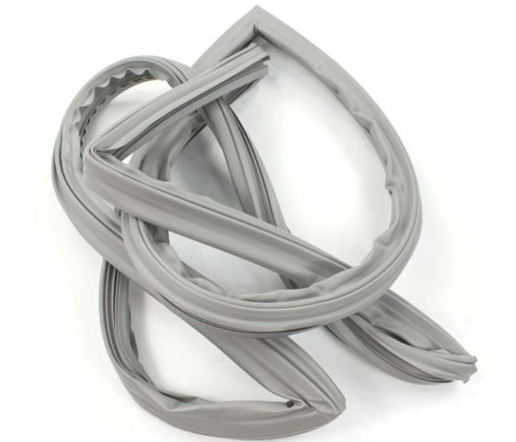
The door seal around your fridge is an important component that keeps the cold air in and prevents warm air from entering.
If the door seal becomes cracked, torn, or worn out, warm air can enter the fridge, making it harder for the appliance to maintain a cool temperature. The freezer, however, may still function properly despite a damaged refrigerator door seal.
Inspect the door seal for any visible damage. You can test it by closing the fridge door on a piece of paper—if you can easily pull the paper out, it’s time to replace the seal.
Here’s a video that shows how to replace the door seal in a common type of Whirlpool fridge:
When your fridge isn’t cooling but the freezer is still doing its job, the problem usually lies in issues related to airflow, fan operation, temperature regulation, or even dirty coils.
By checking for these common causes and addressing them, you can restore proper cooling to your Whirlpool fridge.
If you're not comfortable troubleshooting these issues on your own, it’s always a good idea to have a professional technician repair the fridge.
Taking action quickly will help ensure your Whirlpool fridge runs efficiently and prevents food spoilage.
Backed by years of experience, our technicians possess the skills necessary to fix your refrigerator. And because our techs our local, they can fix it for you fast.
Loading scheduler options...
Discover the top 11 reasons why your refrigerator is not cooling. Get expert tips and solutions from Sears Home Services.
Discover the most common problems with Samsung refrigerators, including cooling issues, total cooling failure, and ice maker malfunctions. Learn how to troubleshoot these issues and find reliable repair solutions with Sears Home Services.
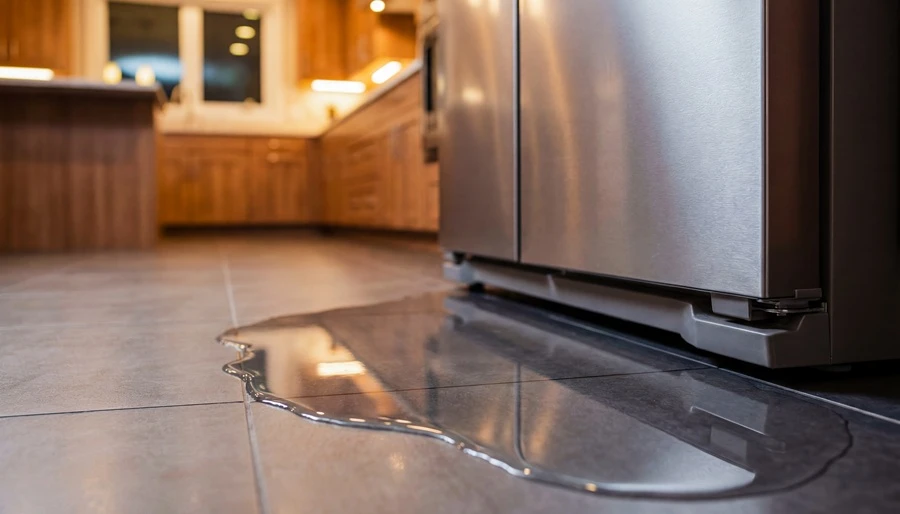
A leaking refrigerator is more than a household inconvenience—it can pose serious safety and health risks. This guide explains why refrigerators leak, the dangers involved, and the essential steps homeowners should take to protect their home, family, and appliance.

When your refrigerator starts making strange noises, distinguishing between normal sounds and potential problems becomes essential.
A compressor is a mechanical device that increases the pressure of a gas by reducing its volume, essential in various systems including refrigerators, air conditioners, and HVAC units for cooling and refrigeration processes.
A condenser is a component of HVAC and refrigeration systems, responsible for releasing absorbed heat from the refrigerant into the outside air or a water line, thus facilitating the cooling process.
A dual ice maker is a feature in some refrigerators that includes two separate ice makers: one in the fridge compartment and another in the freezer section. This setup doubles the appliance's ice-making capacity.
A French-door refrigerator features two doors that open side-by-side on the top section for the refrigerator compartment, with a bottom freezer drawer, combining style, efficiency, and easy access to both refrigerated and frozen goods.
The most common reasons your LG refrigerator icemaker reset button is not working are a faulty icemaker, a malfunctioning PCB, or a defective water valve.
The most common reasons your Samsung refrigerator is leaking water are a clogged defrost drain, cracked dispenser water tubing or a damaged evaporator.
The most common reasons your Kenmore Elite refrigerator stopped working are a locked compressor, damaged evaporator or a defective electronic control board.
The most common reasons your Maytag refrigerator stopped working are a locked compressor, damaged evaporator or a defective electronic control board.
The most common reasons your Kenmore refrigerator is noisy are a faulty ice maker assembly, defective electronic control board or a locked compressor.
The most common reasons your Kenmore refrigerator fan is not working are a defective electronic control board, damaged evaporator or a locked compressor.