 Appointment Lookup
 213-596-2538
When your dryer won’t stay running during a cycle, it can throw a huge wrench in your laundry routine.

An electric dryer not getting hot is a huge obstacle to getting your laundry done and frustration can quickly set in. Damp clothes mean laundry piling up, and it's easy to assume a costly repair or dryer replacement is on the horizon.
However, understanding the common reasons behind a dryer failing to heat can help you troubleshoot and solve the problem quickly, potentially saving you time and money.
KEY TAKEAWAYS
Let's examine the key reasons your electric dryer is not getting hot.

Your electric dryer runs on a 240-volt power supply made up of two 120-volt legs. If one of these legs is missing due to a tripped breaker or faulty outlet, the dryer motor may run, but the heating element won't heat.
Always check your electrical panel first, ensuring both breakers controlling the dryer are on. If you suspect that the electrical outlet is faulty, have an electrician examine and fix the outlet if it’s bad.

A heating element generates the heat that dries your clothes. Over time, heating elements can burn out or break due to regular use.
To test the element, unplug the dryer and access the heating element.
Using a multimeter set to measure resistance (ohms), check continuity. You should measure near 15 ohms of resistance through the heating element in most dryers. If there's no continuity, the element has failed and needs replacement.
Here’s a video that shows how to replace the heating element in a common type of dryer:
If you’re not completely confident that you can check and replace the dryer heating element yourself, schedule dryer repair and we’ll send a Sears Home Services technician to your home to fix the dryer for you.

Poor airflow from lint buildup on the lint screen or blocked exhaust vent ducting can cause your dryer to overheat, tripping a safety device called a thermal cut-off fuse.
Inspect your dryer's venting regularly, and clean it thoroughly to maintain proper airflow.
If the fuse has tripped, you'll have to replace it, as thermal fuses are single-use components. Always clear out lint and vent blockages to avoid repeated fuse failure.

Your dryer uses thermostats and/or sensors to regulate drying temperature.
If a thermostat malfunctions, it may prematurely signal that your dryer has reached the correct heat level, shutting down the heating element too soon or preventing it from heating altogether.
To diagnose a heating failure in a dryer with an electro-mechanical timer, follow the steps in this popular YouTube video to find the cause of the problem:
Replace any failed components in the heating circuit.
If your dryer uses an electronic control board, you’ll typically need to have a service technician check the temperature sensor. If you can find the tech sheet for your dryer in the console or inside the dryer, you can unplug the dryer power cord and check the resistance of the temperature sensor (also called the thermistor) using a multimeter. You should measure around 11K ohms of resistance (11,000 ohms) through the temperature sensor at room temperature. Replace the temperature sensor if resistance is off by more than 1000 ohms.

A dryer with a mechanical timer could have a faulty electrical contact inside the timer that fails to send current to the heating element. The video in the section above shows how to test the timer to see whether the contact for the heating element works. Replace the time if it’s defective.
Dryers that use an electronic control board can have a similar failure. A bad heater relay on the circuit board won’t send current to the heating element. A service technician typically needs to diagnose this type of failure. Schedule service unless you see damage such as burn marks or a melted heater relay on the circuit board and decide to replace the control board on your own.

One leg of the electrical current going to the heating element travels through the motor centrifugal switch as a safety feature. The element won’t heat unless the motor is running and spinning the blower motor to circulate air through the dryer. If the motor centrifugal switch fails, the heating element won’t get the current for heating. Although rare, this failure can prevent your dryer from heating. This is a failure that typically needs to be diagnosed and repair by a technician.
While discovering your electric dryer isn't heating can initially be frustrating, identifying and addressing the root cause can often be straightforward.
Start by examining basic issues like power supply and venting, then move to internal components such as the heating element, thermostats, or control systems. And remember—when in doubt, calling in a trusted appliance repair professional is always a smart decision to get your dryer running hot again safely.
Count on our knowledgeable technicians to provide thorough dryer repairs, ensuring your appliance operates at peak performance for years to come.
Loading scheduler options...
When your dryer won’t stay running during a cycle, it can throw a huge wrench in your laundry routine.

Discover the reasons why your dryer is not drying and get expert troubleshooting tips to fix common drying problems.
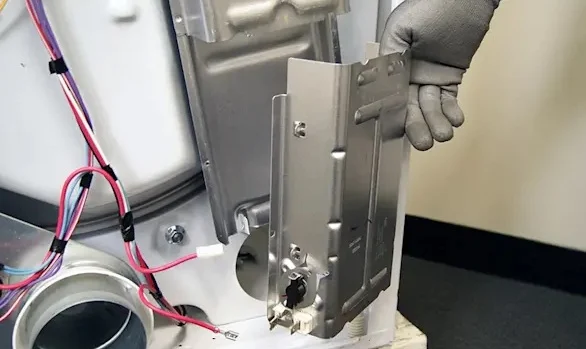
This step-by-step guide explains how to diagnose a faulty dryer heating element and replace it safely. Learn the tools you need, common symptoms of failure, and how to test your dryer after the repair.
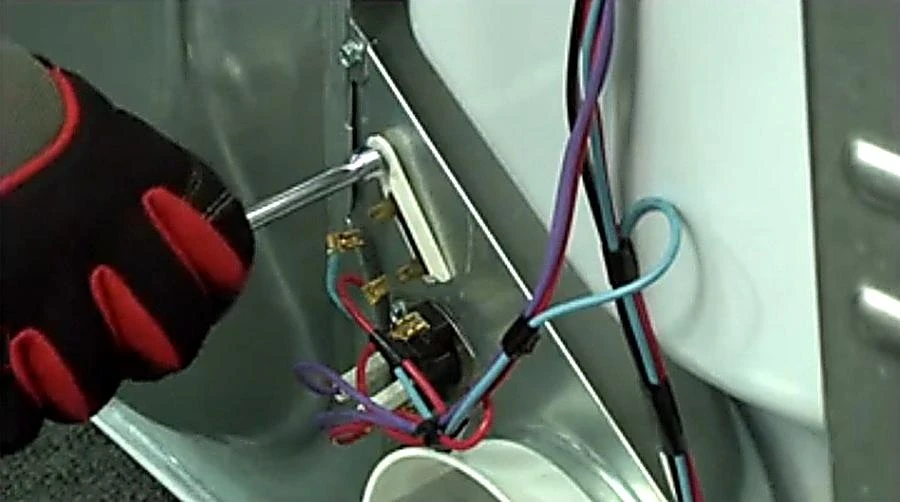
This Sears Home Services guide shows how to replace a thermal fuse in a dryer, including safety tips, troubleshooting steps, and best practices to maintain drying performance.
A dryer drum is the main interior component of a clothes dryer where clothes are placed to be dried. It rotates during the drying cycle, allowing heated air to circulate through the clothes.
A dryer filter, commonly known as a lint filter, is a component of a clothes dryer that captures lint and other debris from clothes during the drying process, preventing them from clogging the dryer vent.
A dryer pedestal is a platform that elevates a dryer off the ground, making it easier to load and unload laundry while also providing additional storage space in some models.
A dryer rack is an accessory for clothes dryers that provides a stationary platform to dry items without tumbling, ideal for delicate or bulky items, or shoes that might be damaged by the usual drying cycle.
Whirlpool dryer not heating? Get expert Whirlpool dryer repair for gas and electric models. Fast, reliable service to restore heat today!
The most common reasons your Samsung dryer is blowing cold air are an open heating element, a failed thermal cut-off fuse, or a defective PCB.
The most common reasons your Bosch dryer is not drying are a clogged vent tube, open heating element or a bad wire connector.
The most common reasons your Hotpoint dryer is not heating are an open heating element, failed thermal cut-off fuse or a faulty thermal fuse.
The most common reasons your Maytag dryer has no heat are an open heating element, failed thermal cut-off fuse or a faulty thermal fuse.
The most common reasons your Samsung dryer has no heat are an open heating element, failed thermal cut-off fuse or a faulty thermal fuse.