 Appointment Lookup
 213-596-2538
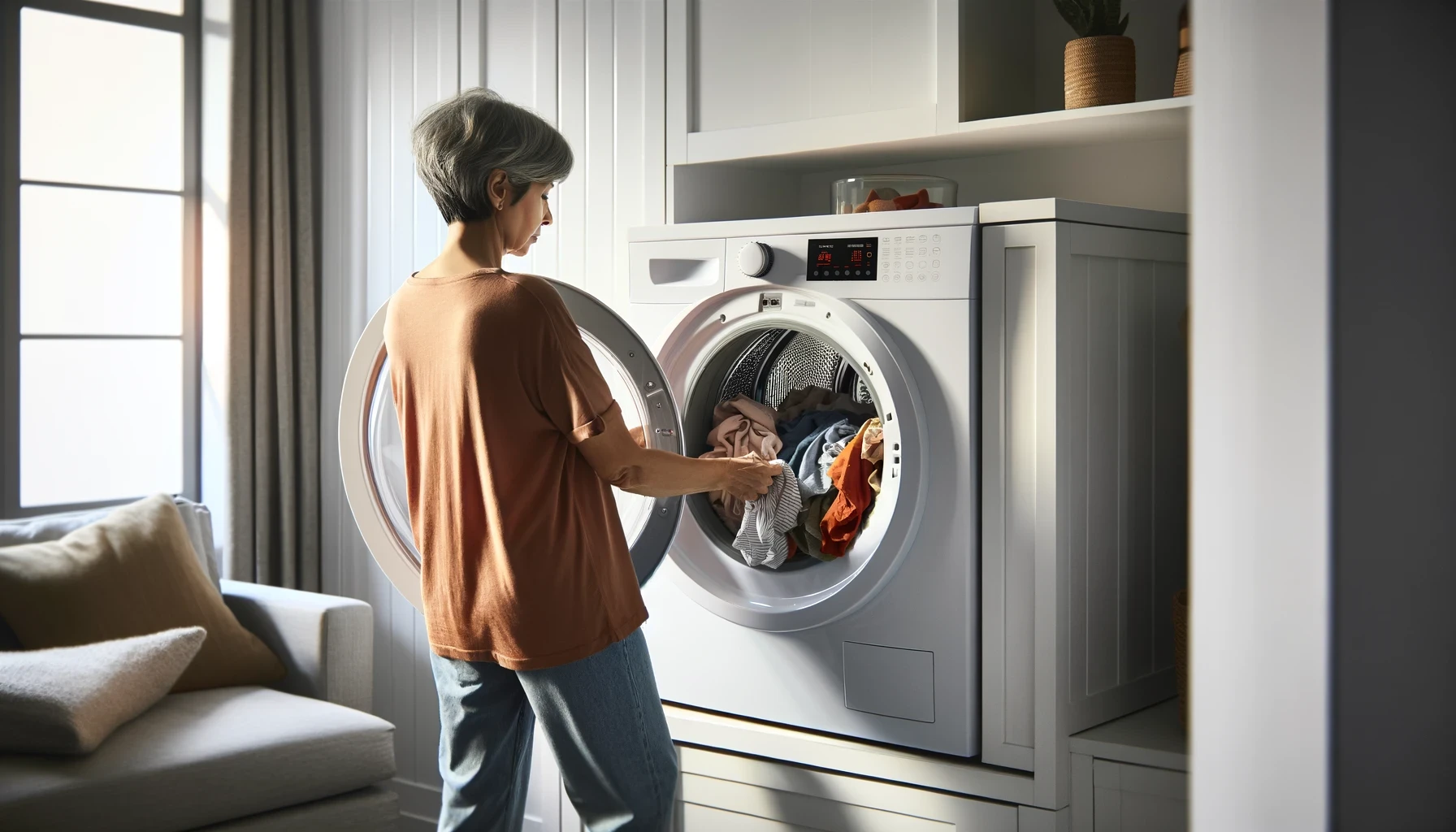
When your dryer won’t stay running during a cycle, it can throw a huge wrench in your laundry routine.

It can be frustrating to find your clothes dryer stopping in the middle of a drying cycle and discover that your clothes are still damp.
Many different issues in your dryer can cause this failure. A clogged exhaust vent system, weak drive motor or friction in the drive system are the most likely causes of a dryer stopping. With these failures, the dryer may restart after the overheated motor cools down.
A loose wiring connection can cause the dryer motor to lose electric current and stop in the middle of the cycle. A weak or damaged door strike or door catch could be allowing the dryer door to pop open slightly during the cycle to stop the dryer. A dirty moisture sensor could detect that clothes are dry when they’re still wet.
Investigate these potential causes to find out why your dryer keeps stopping and get expert advice for maintaining your dryer to prevent future problems.
KEY TAKEAWAYS
Several different issues can cause the dryer to overheat. A clogged dryer exhaust vent duct or a clogged lint screen can cause the dryer to overheat. A problem with the temperature sensor, thermostat or heating element can also cause overheating.
When the dryer motor gets too hot, it can stop until the dryer and motor cool down.
Follow these troubleshooting tips if you detect that the dryer is overheating.
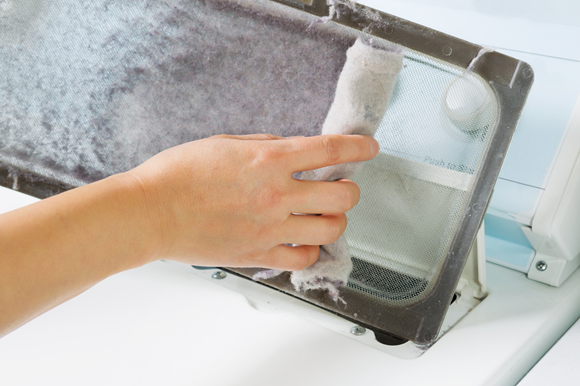
If the lint screen is covered with a thick layer of lint, clean it. Remember to clean the lint screen before starting the cycle for each load of laundry.
Dryer softener sheet residue and fabric softener residue can build up on the dryer lint screen and inhibit airflow. Clean the dryer lint screen monthly to remove deposits and softener residue. Here’s a video that shows how to wash the lint screen:
Check the flexible vent hose behind the dryer and clean lint from that area if it’s clogged. Check and clean the entire duct system to the outside of your home to keep exhaust air flowing through the dryer for proper heating.

You may need to have a service technician check this issue for you. Schedule dryer repair service if you’re not confident that you disassemble the dryer and check heating components on your own.
To check the heating element on your own, unplug the dryer and access the heating element by opening the dryer cabinet. Here’s a video that shows how to access (and replace) a dryer heating element in the most common type of clothes dryer:
Check the dryer element coil for a broken section that could be shorting out to the metal in the element housing and causing the element to heat constantly. You’ll likely see burn marks on metal around the break if this is happening. Replace the heating element if it’s damaged.
Other failures in the heating system such as a bad temperature sensor, faulty thermostat or stuck relay on the control board typically need to be checked by a technician. Schedule appliance service when you suspect that a problem in the heating system is causing the dryer to overheat.
Excessive friction in the drum drive system can cause the motor to overheat and stop. Open the dryer door and spin the drum by hand to see if it’s difficult to rotate. You should be able to spin the drum counterclockwise with a firm push when it’s empty. If it’s extremely difficult to rotate the drum or you hear metal scraping or thumping as you rotate the drum, check the felt seal, drum glide bearing and drum support rollers for wear or damage and replace any damaged or worn drive components.
Many dryers use a belt switch to detect whether the drive belt is in place and working properly. If the belt slips or the belt idler pulley is worn or damaged, the dryer may stop because the belt switch detects a problem. Examine the drive belt and idler pulley. Replace any worn or damaged parts.
Here’s a video that shows how to access and replace the drive belt in the most common type of clothes dryer:
This video will also help you access other drive components mentioned above.
If you’re not completely confident that you can open the dryer cabinet and inspect/repair drive components on your own, schedule dryer repair service and we’ll send a Sears Home Services technician to your home to examine and fix the dryer.
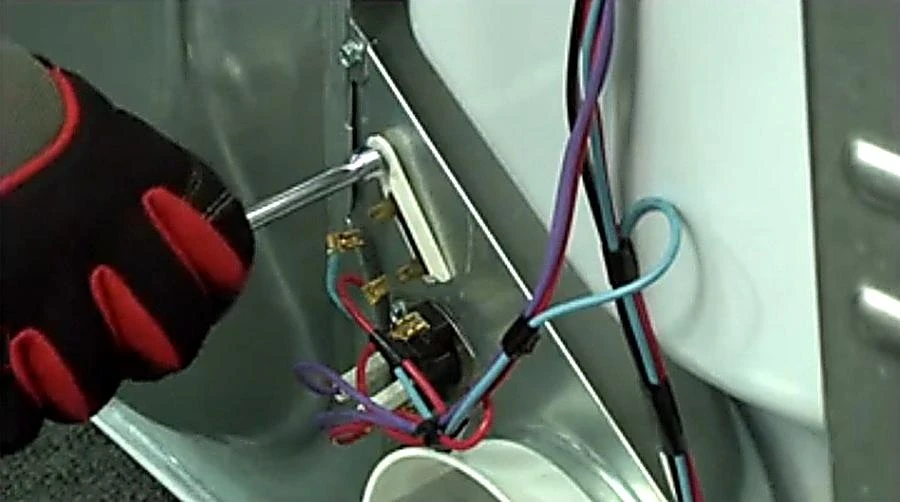
Unplug the dryer and check wiring connections on the control and motor if you’re confident that you can safely complete this troubleshooting step. Otherwise, have a technician check the wiring if the dryer motor stops intermittently for seemingly no reason and you suspect loose wiring.
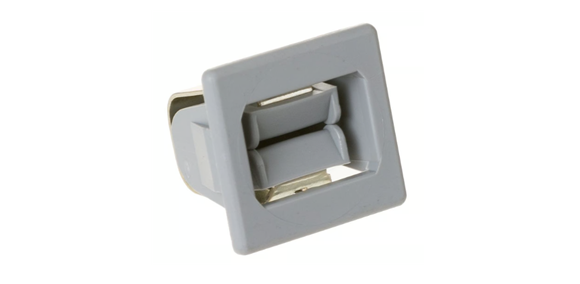
The dryer door must remain firmly shut and the door switch must be engaged for the dryer to stay running.
Check the door strike and door catch for wear, debris in the door catch or damage. Remove any debris from the door catch. Replace any cracked or damaged components.
Check the door switch. Tighten the door switch mounting screws if they’re loose. Replace the door switch if it’s damaged and not working properly.

Many dryers use moisture sensor bars to detect moisture in tumbling garments. The bars can get coated with dryer softener sheet residue, fabric softener residue and lint.
You'll typically find the moisture sensor bars on the lint screen housing just inside the opening to the dryer.
If the moisture sensor bars are dirty, they won’t detect moisture in the clothes and the cycle will end while clothes are still damp.
Check the moisture sensor bars and clean them if they’re dirty.
These troubleshooting tips should help you find and fix the cause of your dryer stopping or help you know when to have a technician examine and fix the dryer.
To help keep your dryer in top shape and avoid stopping problem going forward, schedule annual professional dryer maintenance and we’ll send a Sears Home Services technician to your home to tune up and clean the dryer so it works smoothly and lasts longer.
Trust Sears Home Services with all of your appliance repair and maintenance needs.
Count on our knowledgeable technicians to provide thorough dryer repairs, ensuring your appliance operates at peak performance for years to come.
Loading scheduler options...
When your dryer won’t stay running during a cycle, it can throw a huge wrench in your laundry routine.

Discover the reasons why your dryer is not drying and get expert troubleshooting tips to fix common drying problems.
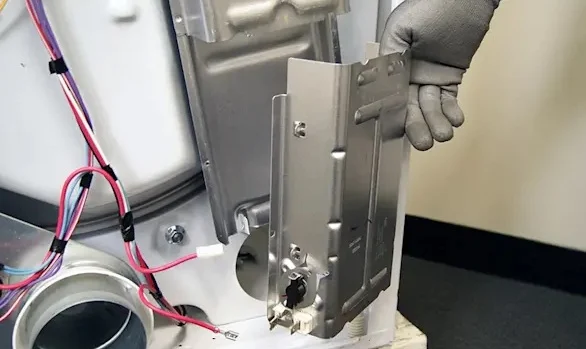
This step-by-step guide explains how to diagnose a faulty dryer heating element and replace it safely. Learn the tools you need, common symptoms of failure, and how to test your dryer after the repair.
This Sears Home Services guide shows how to replace a thermal fuse in a dryer, including safety tips, troubleshooting steps, and best practices to maintain drying performance.
A dryer drum is the main interior component of a clothes dryer where clothes are placed to be dried. It rotates during the drying cycle, allowing heated air to circulate through the clothes.
A dryer filter, commonly known as a lint filter, is a component of a clothes dryer that captures lint and other debris from clothes during the drying process, preventing them from clogging the dryer vent.
A dryer pedestal is a platform that elevates a dryer off the ground, making it easier to load and unload laundry while also providing additional storage space in some models.
A dryer rack is an accessory for clothes dryers that provides a stationary platform to dry items without tumbling, ideal for delicate or bulky items, or shoes that might be damaged by the usual drying cycle.
Whirlpool dryer not heating? Get expert Whirlpool dryer repair for gas and electric models. Fast, reliable service to restore heat today!
The most common reasons your Samsung dryer is blowing cold air are an open heating element, a failed thermal cut-off fuse, or a defective PCB.
The most common reasons your Bosch dryer is not drying are a clogged vent tube, open heating element or a bad wire connector.
The most common reasons your Hotpoint dryer is not heating are an open heating element, failed thermal cut-off fuse or a faulty thermal fuse.
The most common reasons your Maytag dryer has no heat are an open heating element, failed thermal cut-off fuse or a faulty thermal fuse.
The most common reasons your Samsung dryer has no heat are an open heating element, failed thermal cut-off fuse or a faulty thermal fuse.