 Appointment Lookup
 213-596-2538
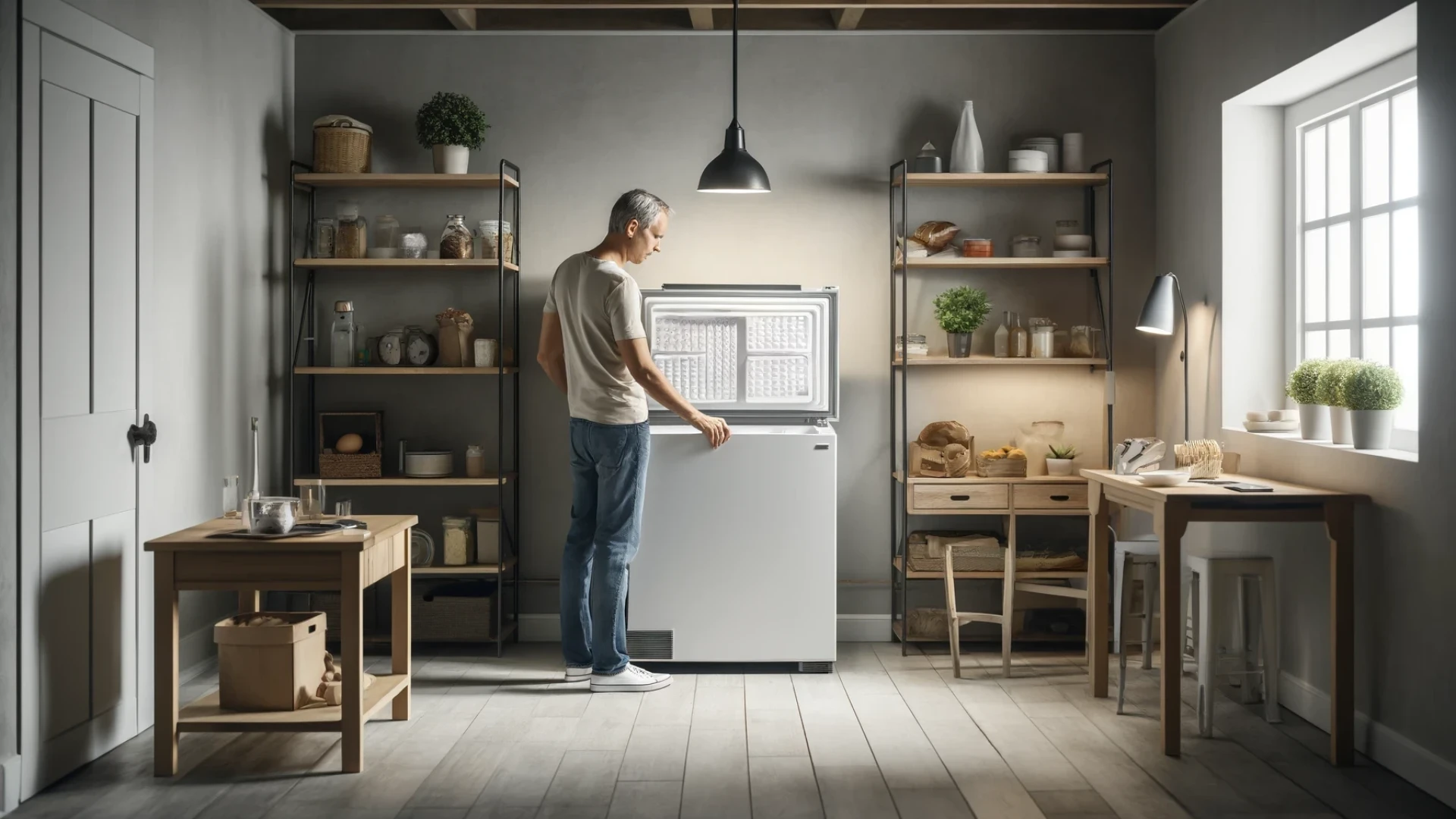
Learn how to tackle and prevent ice buildup in your freezer with our practical guide. Discover common causes, effective removal techniques, and tips for maintaining a frost-free appliance.

Maintaining the correct freezer temperature is essential for preserving food quality and ensuring safety. The U.S. Food and Drug Administration (FDA) recommends setting your freezer temperature to 0°F or below. This temperature halts bacterial growth, keeping your food safe for extended periods of time.
KEY TAKEAWAYS
Freezing food at 0°F effectively stops bacterial growth, preventing spoilage and foodborne illnesses. While freezing doesn't kill bacteria, it keeps them dormant, ensuring your food remains safe.
Additionally, maintaining this temperature helps preserve the nutritional value and taste of your food.

While some freezers have digital controls that allow you to specifically set freezer temperature at exactly 0-degrees, many freezers have a numbered control dial or that allows you to set and adjust freezer temperature.
Using the middle setting on a numbered dial control will often set your freezer temperature to 0-degrees but not always. Refer to the owner’s manual for temperature settings for numbered dials for guidelines on maintaining the proper 0-degrees temperature.

To ensure your freezer maintains the ideal temperature, follow these expert tips:
Maintaining your freezer at 0°F (-18°C) balances food safety and energy consumption. Setting it lower can increase energy usage without significant benefits, while higher temperatures may compromise food safety.
Ensure your freezer is well-sealed and not overfilled to allow proper air circulation, which aids in maintaining consistent temperatures and energy efficiency.
While food remains safe indefinitely at 0°F (-18°C), quality can degrade over time. To maintain optimal taste and texture, follow these tips.
When you freezer won’t maintain the safe 0-degrees temperature even after adjusting the thermostat, follow these troubleshooting tips to address the problem.
A torn or damaged door or lid seal will allow warm, moist air to enter the freezer and interfere with cooling.
Inspect the door and lid seal and replace it if it’s torn or damaged. Here’s a DIY video that shows how to replace a refrigerator door seal like the one that you’ll typically find on an upright freezer:
Smear a thin coat of petroleum jelly on the freezer door or lid seal every few months to keep it flexible and sealing properly.
Ample airflow through the machine compartment of the freezer is needed to prevent the compressor from overheating and shutting off due to its overload switch tripping.
Keep at least 1-inch of clearance around the top and side of the freezer cabinet to ensure proper ventilation air flow.
Clean dusty louver vents yearly to keep air flowing through machine compartment covers and other areas designed for ventilation airflow.
For freezers with condenser coils on the back or bottom of the unit, clean dust and dirt from the coils every 6 months to ensure efficient cooling operation in the freezer.
Dirty condenser coils can cause the compressor to overheat. Also, dirty coils won’t cool down refrigerant properly before it enters the evaporator. This will inhibit proper cooling in the freezer.
Schedule annual freezer maintenance to keep your freezer in top shape and operating properly. The technician will check the freezer controls and all cooling components and make adjustments as necessary to ensure maximum cooling efficiency.
Professional maintenance will help you avoid unnecessary freezer repair and will also extend the longevity of your freezer.
If you notice cooling problems or the freezer stops cooling altogether, schedule freezer repair and we’ll send a Sears Home Services technician to your home to fix the problem.
Maintaining your freezer at the recommended temperature ensures food safety, preserves quality, and promotes energy efficiency. Regular monitoring and proper storage practices will help you get the most out of your freezer.
Yes, you can set it lower, but it will increase energy consumption without significant benefits to food safety or quality. Maintaining 0°F is sufficient for most household needs.
Check your freezer's temperature monthly or if you notice changes in its performance. Regular checks help ensure food safety and appliance efficiency.
Adjust the thermostat to lower the temperature and monitor it over the next 24 hours. If it doesn't stabilize, inspect the door or lid seal for leaks and replace the seal if it’s damaged. If these tips don’t help, schedule freezer repair service to have a service technician diagnose and fix the cooling problem.
If the food still contains ice crystals or is at 40°F or below, it can typically be safely refrozen, although there may be a loss in quality. However, if the food has been above 40°F for more than two hours, discard it to prevent foodborne illness.
Trust our skilled technicians to repair your freezer promptly, regardless of where you bought it.
Loading scheduler options...
Learn how to tackle and prevent ice buildup in your freezer with our practical guide. Discover common causes, effective removal techniques, and tips for maintaining a frost-free appliance.

Is it worth repairing a freezer? Explore the pros and cons and make the right choice for your budget with Sears Home Services.

Discover why your freezer is only freezing at the bottom with Sears Home Services.

Learn how chest freezers work and how to troubleshoot common problems.
A freezer bag is a specially designed plastic bag used for the cold storage of food in the freezer, offering protection against freezer burn and preserving the food's freshness and flavor over extended periods.
A freezer compressor is a vital component of a freezer's refrigeration system, functioning as a pump to circulate refrigerant through the system, which cools the interior by absorbing and expelling heat.
A freezer door gasket is a flexible seal that outlines the edge of the freezer door, ensuring an airtight closure to maintain cold temperatures inside and prevent warm air from entering.
A manual defrost freezer is an appliance that needs to be switched off and allowed to thaw periodically to remove accumulated ice, ensuring efficient operation and storage space maximization.
The most common reasons your LG freezer is leaking water are a clogged drain tube, cracked water tubing or a bad evaporator.
The most common reasons your Maytag freezer is leaking water are a clogged drain tube, cracked water tubing or a bad evaporator.
The most common reasons your Electrolux freezer is leaking water are a clogged drain tube, cracked water tubing or a bad evaporator.
The most common reasons your Frigidaire freezer is leaking water are a clogged drain tube, cracked water tubing or a bad evaporator.
The most common reasons your Kenmore freezer compressor is not running are a failed compressor, malfunctioning electronic control board or a bad evaporator.
The most common reasons your Haier freezer is leaking water are a clogged drain tube, cracked water tubing or a bad evaporator.