 Appointment Lookup
 419-558-4893

Learn about home warranties and how they work to safeguard your home. Trust Sears Home Services for reliable protection.

For many homeowners, understanding what a home warranty covers can be confusing. We’re here to provide some easy-to-follow clarity.
It’s easy to assume everything is protected—until a sudden breakdown reveals otherwise. To avoid surprises, it’s essential to understand what home warranty plans actually include and how they differ from homeowners insurance.
A home warranty typically helps cover the repair or replacement costs of major systems (like plumbing, electrical, and HVAC) and appliances (such as ovens, washers, and refrigerators) due to normal wear and tear. But coverage isn’t universal or unlimited—each plan comes with specific inclusions, exclusions, and caps.
In this article, we’ll break down what’s commonly covered under home warranty plans, how system and appliance protection differs, and where your homeowners insurance leaves off. By understanding the scope and limits, you’ll be better equipped to choose a plan that aligns with your home's needs—and your budget.
KEY TAKEAWAYS
When it comes to home warranty coverage, there are two primary types that homeowners should understand: systems coverage and appliance coverage. Systems coverage focuses on the essential home systems that keep a house functional and comfortable. This includes major infrastructure like the HVAC system for heating and cooling, plumbing for water supply and drainage, and electrical systems that power your entire home. If these critical components break down due to normal wear and tear, a home warranty can help cover repair or replacement costs, reducing unexpected financial strain.
On the other hand, appliance coverage centers on major appliances that make daily life more convenient. This can include kitchen essentials such as refrigerators, ovens, and dishwashers, as well as laundry appliances like washers and dryers. In some cases, coverage extends to other important household devices, ensuring that common breakdowns won’t derail your routine.
Home warranty providers often offer flexible plan types to suit different needs. A systems-only plan focuses exclusively on mechanical and structural systems, while an appliances-only plan covers just the household devices. For broader protection, a comprehensive plan combines both, offering peace of mind for both your home’s infrastructure and the appliances you rely on every day. Choosing the right mix depends on your home’s age, condition, and your comfort with potential repair costs.
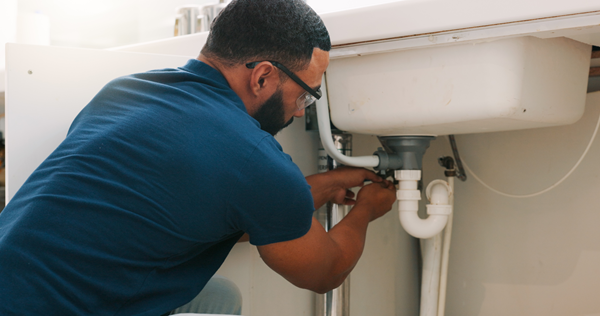
A home warranty can be a valuable safeguard for the essential systems that keep your home running smoothly. These policies typically cover a wide range of mechanical and structural components, providing repair or replacement options when parts fail due to normal wear and tear. Here’s a closer look at the most common home systems included in warranty coverage.
The HVAC system is one of the most expensive and vital components in any home. Coverage often includes heating units, furnaces, and boilers, as well as air conditioning units, heat pumps, and associated ductwork. Thermostats—whether traditional or smart—are also typically included. However, there may be limitations, such as coverage caps on ductwork length or exclusions for certain high-efficiency or specialized systems.
Plumbing systems form the backbone of your home’s water supply and waste removal. Warranty coverage often extends to interior water and drain lines, faucets, toilets, showerheads, and other fixtures. The water heater—whether tank-style or tankless—is a critical component usually covered. Many plans also include well pumps, sump pumps, and even septic system components. Limitations might exclude outdoor plumbing, damage from freezing, or pre-existing issues.
A home’s electrical systems ensure safe and consistent power distribution. Coverage typically includes interior wiring, breaker panels, circuit breakers, outlets, switches, and built-in lighting. Some warranties cover doorbell wiring and exhaust fans. While these protections are valuable, there are often limits—for example, most plans exclude wiring outside the main home or upgrades required to meet new code standards.
Beyond the core systems, many home warranties also extend to additional features that improve daily life. This can include the garage door opener and related mechanical parts, pool and spa equipment, and even home security systems. These add-ons can offer peace of mind for homeowners with specialized equipment that might otherwise be costly to repair.
Replacing or repairing these home systems can quickly become expensive, especially for older homes or those with heavy usage. A home warranty service contract helps manage those costs by providing a predictable service fee rather than a surprise repair bill. Understanding the scope of coverage—and its limitations—ensures you choose a plan that truly protects the systems you rely on every day. By reviewing the details before committing, you can maximize your warranty’s value and keep your home’s essential infrastructure in top condition.

Home warranty companies can also provide valuable protection for the major appliances you depend on every day. These plans typically include kitchen, laundry, and select specialty appliances, helping you avoid costly repairs or replacements when equipment fails due to normal use.
Most policies cover core kitchen equipment, including the refrigerator—often with provisions for the ice maker and water dispenser—along with the dishwasher, oven or range, and built-in microwave. Many also include coverage for the garbage disposal, which can be prone to motor or jam-related issues. This coverage ensures that even large, costly appliances can be repaired or replaced without overwhelming out-of-pocket expenses.
In the laundry room, warranties typically protect the washer and dryer, as well as their water and electrical connections. Whether you have a traditional top-loader, high-efficiency front-loader, or a gas dryer, a warranty can help ensure these essentials remain operational.
Some home warranty companies’ plans extend to additional convenience items such as a central vacuum system, ceiling fans, and other built-ins like wine coolers or trash compactors. While these may not be as critical as major home appliances such as the refrigerator or washer, repairing them can still be costly without coverage.
Home warranty coverage for appliances often comes with certain conditions. These may include age limits (for example, excluding units over a set number of years old), brand or model restrictions, and capacity limits for large appliances. Cosmetic damage is typically not covered, and some warranties may exclude pre-existing issues. Understanding these specifics before purchasing a plan ensures you know exactly what protection you’re getting.
By covering repair or replacement costs for essential kitchen, laundry, and specialty appliances, a home warranty can help you maintain a functional and comfortable home—without unexpected financial surprises.
While a home warranty can provide valuable protection, it’s important to understand its exclusions and limits before purchasing a plan. Knowing what’s not covered helps you avoid surprises when filing a claim.
Most policies will not cover pre-existing conditions, meaning problems that existed before the warranty began, whether known or unknown. Issues caused by improper installation, unauthorized repairs, or failure to meet building codes are also typically excluded. If a system or appliance violates current code standards, the warranty company generally won’t cover the cost of bringing it up to compliance.
Home warranties usually require proper upkeep. Damage caused by neglect, misuse, or lack of regular maintenance often isn’t covered. While most warranties address normal wear and tear, they may set limits on repair costs or exclude items that are too far beyond their useful life.
Major structural components like the roof, foundation, windows, and doors are generally outside the scope of coverage. For example, a roof leak is rarely included unless you purchase a specific roof coverage add-on.
Items located outside the main home—such as sprinkler systems, landscaping equipment, and outdoor lighting—are typically excluded unless explicitly listed in the plan. Even when outdoor features like pools or spas are covered, warranties may limit coverage to mechanical components only.
Understanding these exclusions and limitations of an extended warranty ensures you choose the right warranty, set realistic expectations, and protect your budget from uncovered repairs.

A home warranty is designed to make repairs or replacements for covered items straightforward and predictable. When something breaks down, the process starts with a service request to your warranty company—usually through an online portal or by phone. Many providers offer 24/7 claim submission, with response times ranging from a few hours to a couple of days depending on urgency and availability.
Once your request is received, the warranty company assigns a qualified service provider to your case. The technician visits your home, diagnoses the issue, and reports their findings to the warranty company. Based on your contract, the company then determines whether the repair is covered.
If the item qualifies, the provider will either repair it or, if repairs aren’t cost-effective, replace it. The decision often depends on the cost of fixing versus replacing, availability of parts, and the age or condition of the item.
You’ll typically pay a predetermined service fee — similar to a deductible — directly to the technician. While this fee covers the visit and labor for most repairs, there may be additional costs for non-covered work, code upgrades, or exceeding coverage limits.
Understanding this process helps you set clear expectations and get the most value from your home warranty.
To maximize the value of your home warranty, it’s essential to follow maintenance guidelines and understand exactly what your plan covers. Many warranties require regular upkeep of systems and appliances to keep coverage valid. This might include seasonal servicing of your HVAC system, flushing your water heater, or cleaning refrigerator coils. Neglecting maintenance could lead to denied claims.
Keep thorough documentation of any service work performed, including receipts, invoices, and inspection reports. If you ever need to file a claim, this proof of maintenance can make the approval process smoother and help avoid disputes with the warranty provider.
Be sure to review your contract carefully so you understand coverage limits. These caps determine the maximum amount the company will pay for repairs or replacements, and exceeding them may leave you with out-of-pocket costs. Likewise, know when your warranty will repair an item versus replace it, as cost and availability of parts can influence this decision.
Finally, don’t overlook the fine print. Small details in the contract can make a big difference in what’s covered, the claims process, and any exclusions. By staying proactive, organized, and informed, you can ensure your home warranty delivers the protection and peace of mind you expect.
Ready to get a home warranty for your home? Get a free quote for a Sears Protect plan now.
Learn about home warranties and how they work to safeguard your home. Trust Sears Home Services for reliable protection.

What does a home warranty cover? Find out now.

Discover the top advantage of having a home warranty with Sears Home Services.

A home warranty for rental property helps landlords manage repair costs, improve tenant satisfaction, and protect long-term property value.
The 608 Certification, mandated by the Environmental Protection Agency (EPA), is required for HVAC technicians to legally handle refrigerants. It ensures technicians understand refrigerant types, environmental impact, and proper handling techniques.
A compressor is a mechanical device that increases the pressure of a gas by reducing its volume, essential in various systems including refrigerators, air conditioners, and HVAC units for cooling and refrigeration processes.
A condenser is a component of HVAC and refrigeration systems, responsible for releasing absorbed heat from the refrigerant into the outside air or a water line, thus facilitating the cooling process.
A capacitor in an AC unit is an electrical component that stores and releases electrical energy to help start the motor and stabilize the voltage during operation.
When your Payne central air conditioner won’t turn on or isn’t cooling, check for power problems, a failed capacitor, or a clogged condensate drain. This guide covers quick, safe troubleshooting steps and explains when to call Sears Home Services for expert central AC repair.
When your ICP central air conditioner won’t turn on or isn’t cooling, check for power problems, a failed capacitor, or a clogged condensate drain. This guide covers quick, safe troubleshooting steps and explains when to call Sears Home Services for expert central AC repair.
When your Heil central air conditioner won’t turn on or isn’t cooling, check for power problems, a failed capacitor, or a clogged condensate drain. This guide covers quick, safe troubleshooting steps and explains when to call Sears Home Services for expert central AC repair.
When your Carrier central air conditioner won’t turn on or isn’t cooling, check for power problems, a failed capacitor, or a clogged condensate drain. This guide covers quick, safe troubleshooting steps and explains when to call Sears Home Services for expert central AC repair.
When your Comfortmaker central air conditioner won’t turn on or isn’t cooling, check for power problems, a failed capacitor, or a clogged condensate drain. This guide covers quick, safe troubleshooting steps and explains when to call Sears Home Services for expert central AC repair.
When your Ruud central air conditioner won’t turn on or isn’t cooling, check for power problems, a failed capacitor, or a clogged condensate drain. This guide covers quick, safe troubleshooting steps and explains when to call Sears Home Services for expert central AC repair.