 Appointment Lookup
 419-558-4893

Learn about home warranties and how they work to safeguard your home. Trust Sears Home Services for reliable protection.

Owning a rental property comes with many responsibilities—from finding reliable tenants to keeping the home in excellent condition.
Unexpected repair costs for appliances and systems can quickly eat into profits. That’s why many landlords are turning to home warranties for rental properties as a smart way to protect their investment.
KEY TAKEAWAYS
A home warranty is a service contract that helps cover the cost of repairing or replacing major home systems and home appliances when they break down due to normal wear and tear.
For landlords, this means having predictable expenses instead of worrying about costly surprises when covered items fail.
Unlike homeowners insurance, which covers damage from events like fire, theft, or natural disasters, a home warranty focuses on the everyday breakdowns of items such as:
By covering these essentials, a rental property home warranty helps keep the home safe, comfortable, and attractive to tenants.

When a covered system or appliance breaks down, the landlord or tenant can contact the home warranty company. The provider sends a qualified technician to diagnose and repair the problem. In most cases, the landlord pays only a modest service call fee rather than the full repair or replacement cost.
This straightforward process makes property management easier and reduces the hassle and stress of unexpected maintenance emergencies.
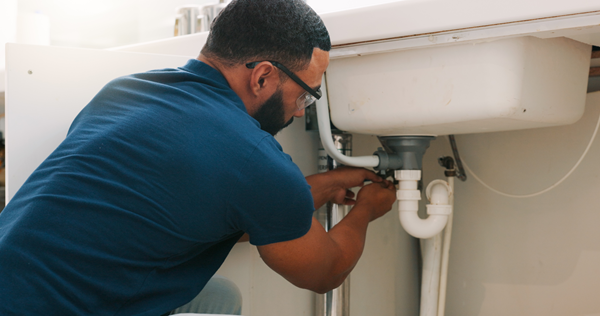
Not all home warranty plans are the same. Landlords should look for:
Sears Home Services offers customizable rental property home warranty plans designed to meet landlords’ unique needs, ensuring peace of mind and cost-effective protection of investment property.
Learn about home warranties and how they work to safeguard your home. Trust Sears Home Services for reliable protection.

What does a home warranty cover? Find out now.

This guide explains what home warranties typically cover, from major systems like HVAC and plumbing to appliances like refrigerators and washers. It also highlights common exclusions and how coverage works so you can choose the right plan with confidence.

Discover the top advantage of having a home warranty with Sears Home Services.
The 608 Certification, mandated by the Environmental Protection Agency (EPA), is required for HVAC technicians to legally handle refrigerants. It ensures technicians understand refrigerant types, environmental impact, and proper handling techniques.
A compressor is a mechanical device that increases the pressure of a gas by reducing its volume, essential in various systems including refrigerators, air conditioners, and HVAC units for cooling and refrigeration processes.
A condenser is a component of HVAC and refrigeration systems, responsible for releasing absorbed heat from the refrigerant into the outside air or a water line, thus facilitating the cooling process.
A capacitor in an AC unit is an electrical component that stores and releases electrical energy to help start the motor and stabilize the voltage during operation.
When your Payne central air conditioner won’t turn on or isn’t cooling, check for power problems, a failed capacitor, or a clogged condensate drain. This guide covers quick, safe troubleshooting steps and explains when to call Sears Home Services for expert central AC repair.
When your ICP central air conditioner won’t turn on or isn’t cooling, check for power problems, a failed capacitor, or a clogged condensate drain. This guide covers quick, safe troubleshooting steps and explains when to call Sears Home Services for expert central AC repair.
When your Heil central air conditioner won’t turn on or isn’t cooling, check for power problems, a failed capacitor, or a clogged condensate drain. This guide covers quick, safe troubleshooting steps and explains when to call Sears Home Services for expert central AC repair.
When your Carrier central air conditioner won’t turn on or isn’t cooling, check for power problems, a failed capacitor, or a clogged condensate drain. This guide covers quick, safe troubleshooting steps and explains when to call Sears Home Services for expert central AC repair.
When your Comfortmaker central air conditioner won’t turn on or isn’t cooling, check for power problems, a failed capacitor, or a clogged condensate drain. This guide covers quick, safe troubleshooting steps and explains when to call Sears Home Services for expert central AC repair.
When your Ruud central air conditioner won’t turn on or isn’t cooling, check for power problems, a failed capacitor, or a clogged condensate drain. This guide covers quick, safe troubleshooting steps and explains when to call Sears Home Services for expert central AC repair.