 Appointment Lookup
 213-596-2538

Discover the top 11 reasons why your refrigerator is not cooling. Get expert tips and solutions from Sears Home Services.

Dealing with a glitchy ice maker during those hot summer days? No need to sweat it! Dive into our DIY repair tips to get your refrigerator's ice maker back on track. From clearing blocked water lines to fixing motor module issues, we'll guide you through each step to ensure you can confidently handle repairs.
Discover clear solutions for common snags like low ice production and persistent water leaks, complete with easy-to-follow instructions. We’ve also thrown in some useful maintenance tips to keep your ice maker humming all summer. Not sure whether to tackle the repairs yourself or call in the pros? We’re here to help you decide with straightforward, actionable advice.
KEY TAKEAWAYS
Keeping your drinks icy cold all summer long hinges on a well-functioning ice maker. The components of your ice maker collaborate to ensure you're never without the ice you need for your summer refreshments. This understanding not only helps in tackling malfunctions but also empowers you with the knowledge to keep things running smoothly.
Get to know the parts that make your ice maker tick. Understanding these will help you identify and fix issues more effectively.
Discover how your ice maker turns water into ice, step by step. Knowing this process is crucial for troubleshooting.
Ensuring the right environment and settings for your ice maker can prevent many common issues.
By grasping how your ice maker operates and maintaining these optimal conditions, you can efficiently tackle common problems and perform necessary repairs yourself. For more complex issues, professional help is just a call away.
Recognizing issues early is key to fixing your ice maker promptly. Here’s a rundown of typical problems that might arise, with insights on what causes them and how you can swiftly address them.
Understand why your ice maker may not be producing enough ice and how to fix it. A blocked water line should be checked and cleared of any obstructions. The water inlet valve might be faulty and need inspection or replacement. If the ice maker module is dysfunctional, evaluate its operation and consider a replacement if it fails to function properly.
Room conditions can critically affect ice production. Ensure that the room temperature remains within the manufacturer’s recommended range to prevent slow ice production or ice maker shutdown.
The temperature of the water entering your ice maker can influence ice quality and shape. Adjust your refrigerator’s settings to ensure the water is sufficiently cool, which can improve ice production and quality.
High demand for ice in hot weather can strain your ice maker. You can manage this by reducing ice consumption during peak times or considering an upgrade to a model with a larger production capacity.
By pinpointing and understanding these common ice maker issues, you can effectively troubleshoot and resolve them. Should you encounter a complex problem or require professional assistance, consider reaching out to a qualified technician.
Summer can be tough on your ice maker, but with the right know-how, you can tackle common issues yourself. Explore some DIY repair tips to keep your ice maker running smoothly.
Leaks in your ice maker could stem from a blocked or frozen water line, a faulty inlet valve, or a damaged water supply line. Inspecting and replacing damaged parts as necessary can resolve these leaks.
A stuck or malfunctioning control arm can impede ice production. Resetting or replacing the control arm might get things moving again.
A frozen water line can stop your ice maker from producing ice. Thawing the line with a hairdryer on low heat or simply unplugging the refrigerator for a natural defrost might solve the problem.
When ice tastes off or production drops, it might be time to change a clogged or old water filter. Replacing the water filter can restore both taste and efficiency.
If ice cubes are not being ejected, the issue might be a broken ejector assembly. Replacing this component can get your ice maker back in operation.
Tackling these issues can help you maintain a functional ice maker throughout the summer. For complex problems, or if you're unsure about a repair, consulting a professional technician is a wise choice.
Proper cleaning and regular maintenance are essential for smooth operation of your ice maker. Here's how to ensure it continues to function effectively.
Before cleaning, unplug the ice maker and remove any stored ice. Use warm soapy water and a soft cloth to clean the interior and exterior surfaces. It's important to clean the ice bin and ice chute regularly, as dirt can accumulate over time.
Store your ice in a clean, airtight container to prevent contamination. Be mindful not to overfill the ice bin, as this can cause ice to clump and slow down production. If the ice develops an unusual taste or odor, consider installing a water filter.
Regularly check and adjust the water pressure. Low water pressure can lead to slow ice production or produce small, hollow ice cubes, while high water pressure may cause leaks or overflow. Also, ensure that the ice maker is well-ventilated; regularly dust the vents and keep them free from obstructions to maintain optimal performance.
Choosing whether to undertake repairs yourself or enlist a professional involves weighing various factors.
For those with a bit of experience in appliance repair and confidence in their skills, tackling minor ice maker issues can be a cost-effective option. Online tutorials and guides can aid in navigating simpler problems.
Complex issues, especially those involving electrical components or requiring specialized tools, call for professional intervention. For Samsung models in particular, opting for Samsung ice maker repair ensures high-quality results, as technicians bring expertise, specialized tools, and access to replacement parts that might not be readily available otherwise. Professional services also come with warranties, offering peace of mind that the repair is protected.
Professionals can accurately diagnose problems, reducing the risk of further damage that might occur with DIY attempts. They ensure your ice maker is restored to optimal condition swiftly, helping avoid inconvenience during the hot months.
Keeping your ice maker in top condition lets you enjoy refreshing, ice-cold beverages all summer. If you're facing issues beyond basic troubleshooting, don't hesitate to call in the experts. Schedule a repair with us today and chill your drinks with confidence! Reach out now for professional service that guarantees a swift, effective solution.
Backed by years of experience, our technicians possess the skills necessary to fix your refrigerator. And because our techs our local, they can fix it for you fast.
Loading scheduler options...
Discover the top 11 reasons why your refrigerator is not cooling. Get expert tips and solutions from Sears Home Services.

Discover the most common problems with Samsung refrigerators, including cooling issues, total cooling failure, and ice maker malfunctions. Learn how to troubleshoot these issues and find reliable repair solutions with Sears Home Services.
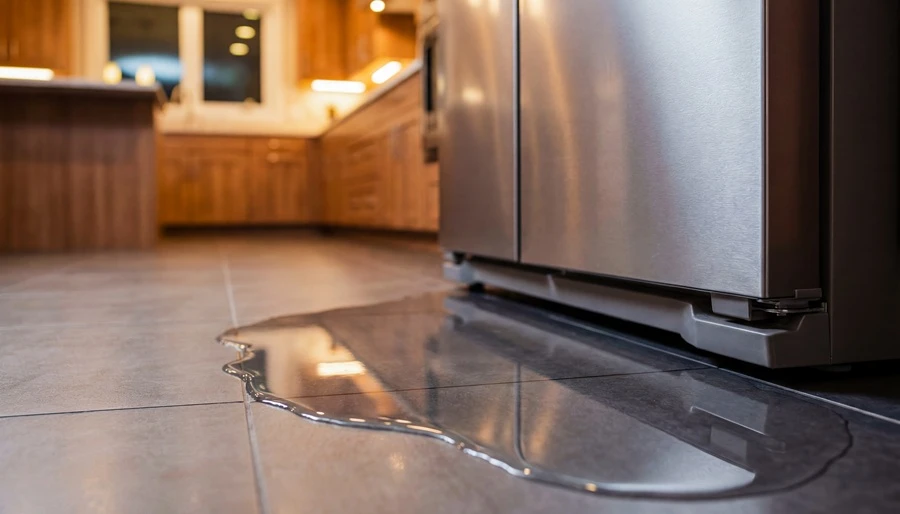
A leaking refrigerator is more than a household inconvenience—it can pose serious safety and health risks. This guide explains why refrigerators leak, the dangers involved, and the essential steps homeowners should take to protect their home, family, and appliance.

When your refrigerator starts making strange noises, distinguishing between normal sounds and potential problems becomes essential.
A compressor is a mechanical device that increases the pressure of a gas by reducing its volume, essential in various systems including refrigerators, air conditioners, and HVAC units for cooling and refrigeration processes.
A condenser is a component of HVAC and refrigeration systems, responsible for releasing absorbed heat from the refrigerant into the outside air or a water line, thus facilitating the cooling process.
A dual ice maker is a feature in some refrigerators that includes two separate ice makers: one in the fridge compartment and another in the freezer section. This setup doubles the appliance's ice-making capacity.
A French-door refrigerator features two doors that open side-by-side on the top section for the refrigerator compartment, with a bottom freezer drawer, combining style, efficiency, and easy access to both refrigerated and frozen goods.
The most common reasons your LG refrigerator icemaker reset button is not working are a faulty icemaker, a malfunctioning PCB, or a defective water valve.
The most common reasons your Samsung refrigerator is leaking water are a clogged defrost drain, cracked dispenser water tubing or a damaged evaporator.
The most common reasons your Kenmore Elite refrigerator stopped working are a locked compressor, damaged evaporator or a defective electronic control board.
The most common reasons your Maytag refrigerator stopped working are a locked compressor, damaged evaporator or a defective electronic control board.
The most common reasons your Kenmore refrigerator is noisy are a faulty ice maker assembly, defective electronic control board or a locked compressor.
The most common reasons your Kenmore refrigerator fan is not working are a defective electronic control board, damaged evaporator or a locked compressor.