 Appointment Lookup
 213-596-2538
When your dryer won’t stay running during a cycle, it can throw a huge wrench in your laundry routine.

Perhaps nothing can disrupt a peaceful household quicker than a grinding, screeching or thumping dryer. But don’t panic, we’ll help you quickly identify the cause of the noise and provide expert advice to fix it—or have a technician fix it.
In this article, we’ll point out the common causes of the various dryer noises. We’ll also provide safe DIY advice for fixing common dryer failures that cause those awful sounds.
Relax, we’ve got this covered.
KEY TAKEAWAYS
Before we cover component failures that cause the different types of dryer noises, try these basic troubleshooting tips that can help eliminate some noises.
If these basic and simple troubleshooting tips don’t help eliminate the dryer noise, then read on to get help with finding and resolving more complicated problems causing loud dryer noises.
A grinding noise in your dryer typically means parts inside are wearing out or coming loose. The sound of metal scraping against metal signals the need for immediate attention.

Dryer drum glides or bearings help the drum spin smoothly. When these components wear out, the metal-to-metal contact often causes a grinding noise.
Inspect the edges of the drum where it contacts the front panel. If the glides or bearings appear worn or damaged, replace them as shown in this DIY repair video:
If you’re not confident that you can safely disassemble the dryer and replace these components on your own, schedule dryer repair service and we’ll send a Sears Home Services technician to your home to fix the problem.

Frigidaire, Electrolux and some GE and Kenmore dryers use a ball hitch mechanism to support the back of the dryer drum as it spins during the cycle. When the plastic bearing on this component wears out, the dryer will typically make a grinding noise.
Here’s an image that shows that ball hitch component:

To access and replace that part, you’ll need to unplug the dryer, remove the top panel, control console, front dryer panel and other dryer parts and components. Although an advanced appliance DIY repair enthusiast would likely be able to complete this repair, we recommend that you have a service technician install a new dryer ball hitch kit if you have this type of dryer and hear grinding noise from the back of the dryer drum.

The drum rollers support the dryer drum as it spins. Over time, these rollers can wear out, and they won’t continue to support the dryer drum properly so you may begin hearing grinding or scraping noise.
Worn drum support rollers may also cause the drum glides and drum bearing to deteriorate and fail so you may need to replace multiple parts to fix a dryer grinding noise when it’s caused by worn support rollers.
Here’s a DIY repair video that shows how to safely access, check and replace drum rollers in your clothes dryer:
These expert tips should help you find and fix the cause of grinding noises in your dryer. Don’t hesitate to have a service technician fix the dryer if you’re unable to repair the problem on your own.
Squealing noises often signal a problem with rotating parts that aren’t properly lubricated, are worn out or have become misaligned.
The drum rollers support the dryer drum as it spins. Over time, these rollers can wear out, causing them to squeak.
The video in the section above shows how to access and replace drum support rollers.
Spin the drum support rollers by hand. If a roller doesn’t rotate smoothly and squeaks when you spin it, replace that support roller.

The idler pulley keeps tension on the dryer belt. When the pulley’s bearing wears out, it creates a loud squealing noise that can escalate with continued use.
Unplug the dryer and access the idler pulley by removing the dryer’s front panel. Manually spin the pulley. A noisy or wobbly pulley needs replacing.
Here’s a YouTube video that shows how to access and replace the idler pulley in a common type of dryer:
Replace the idler pulley if it’s worn out and squealing.

A loose or fraying dryer belt can also make your dryer squeak. The belt wraps around the drum and motor, helping the drum rotate. Over time, the drive belt can wear out, stretch, fray or crack, leading to noise.
Unplug the dryer and lift the top panel to inspect the belt for signs of wear. Replace the belt if it looks frayed, worn or damaged.
Here’s a video that shows how to replace the dryer drive belt in a common type of clothes dryer:

Although less common, a squeaky motor could be the root of the problem.
Dryer motors have internal bearings that can wear out over time and begin to squeak or squeal.
Although the dryer will typically keep running for several weeks with a worn bearing, eventually motor will lock up or overheat and quit running because of the worn out bearing.
If you didn’t find the cause of the squealing noise by checking the above components and the sound is coming from the drive motor, you’ll likely need to replace the motor.
Replacing the drive motor is more complicated than the other repairs described above. The video below shows how to replace the motor but if you’re not confident that you can replace that part on your own, schedule dryer repair service and we’ll send a Sears Home Services technician to your home to replace the motor.
How to replace a dryer drive motor:
Thumping often occurs when the dryer drum wobbles or rotates unevenly. This noise can worsen over time, so don’t ignore it.
If the basic troubleshooting tips at the top of this article such as reducing load size, removing foreign objects from garment pockets and stabilizing the dryer leveling legs don’t resolve a dryer thumping noise, then one or more of the drum support rollers may have flat spot causing the thumping noise. This type of thumping noise will sound fast as the flat spot of the roller hits the drum frequently as the drum rotates.
If you hear this type of thumping noise, access the drum rollers as shown in the video provided in the above section and replace any drum rollers with flat spots to eliminate the thumping noise.
Taking preventive measures saves you time and money in the long run by helping prevent dryer failures – including those that cause noise.
A loud dryer shouldn’t interrupt your household routine. By pinpointing the source of the noise and following these steps, you’ll restore your dryer’s quiet efficiency in no time.
If quick steps from the blog don’t calm the noise, more thorough checks are crucial. Rely on appliance dryer repair near me to keep your dryer from shaking itself apart.
Count on our knowledgeable technicians to provide thorough dryer repairs, ensuring your appliance operates at peak performance for years to come.
Loading scheduler options...
When your dryer won’t stay running during a cycle, it can throw a huge wrench in your laundry routine.

Discover the reasons why your dryer is not drying and get expert troubleshooting tips to fix common drying problems.
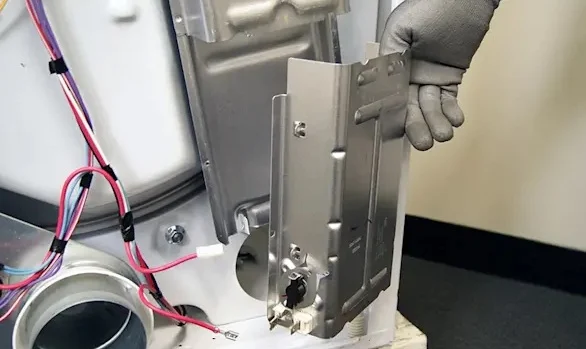
This step-by-step guide explains how to diagnose a faulty dryer heating element and replace it safely. Learn the tools you need, common symptoms of failure, and how to test your dryer after the repair.
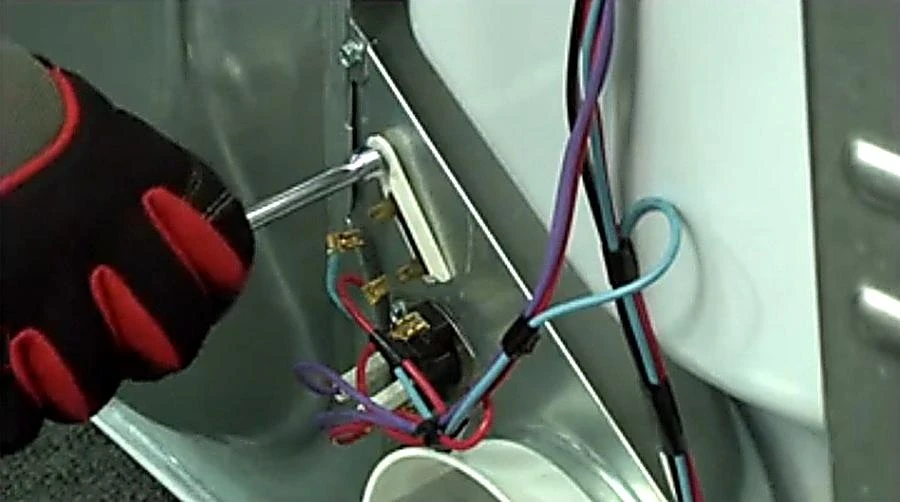
This Sears Home Services guide shows how to replace a thermal fuse in a dryer, including safety tips, troubleshooting steps, and best practices to maintain drying performance.
A dryer drum is the main interior component of a clothes dryer where clothes are placed to be dried. It rotates during the drying cycle, allowing heated air to circulate through the clothes.
A dryer filter, commonly known as a lint filter, is a component of a clothes dryer that captures lint and other debris from clothes during the drying process, preventing them from clogging the dryer vent.
A dryer pedestal is a platform that elevates a dryer off the ground, making it easier to load and unload laundry while also providing additional storage space in some models.
A dryer rack is an accessory for clothes dryers that provides a stationary platform to dry items without tumbling, ideal for delicate or bulky items, or shoes that might be damaged by the usual drying cycle.
Whirlpool dryer not heating? Get expert Whirlpool dryer repair for gas and electric models. Fast, reliable service to restore heat today!
The most common reasons your Samsung dryer is blowing cold air are an open heating element, a failed thermal cut-off fuse, or a defective PCB.
The most common reasons your Bosch dryer is not drying are a clogged vent tube, open heating element or a bad wire connector.
The most common reasons your Hotpoint dryer is not heating are an open heating element, failed thermal cut-off fuse or a faulty thermal fuse.
The most common reasons your Maytag dryer has no heat are an open heating element, failed thermal cut-off fuse or a faulty thermal fuse.
The most common reasons your Samsung dryer has no heat are an open heating element, failed thermal cut-off fuse or a faulty thermal fuse.