 Appointment Lookup
 213-596-2538
Find out how long microwave ovens last and what you can do to keep your microwave lasting longer.

Is a microwave safe? This is a question often asked by many who use this convenient kitchen appliance. To address this and other related queries, this guide will delve into the various aspects of microwave safety. We will discuss the features of microwave ovens, choosing the right materials, cooking tips, health concerns, and maintenance advice. Let's explore these details and ensure that your microwave cooking is both safe and efficient!
KEY TAKEAWAYS
Microwave ovens use electromagnetic waves, known as microwave radiation, to heat food. Many people wonder, "Is a microwave safe?" due to concerns about radiation. However, microwave radiation is non-ionizing, meaning it doesn't have the potential to ionize atoms or molecules unlike X-rays or gamma rays.
For safe microwave usage, follow these guidelines:
Common misconceptions about microwave safety include:
Modern microwave ovens are equipped with a range of safety mechanisms such as child lock and safety locks to prevent accidental operation. They also have an automatic shut-off feature that turns off the microwave after a certain period of inactivity, preventing potential accidents or overheating. At Sears.com, we provide high-quality microwave ovens with these essential safety features, ensuring your peace of mind while cooking.
Is melamine microwave safe? Is glass microwave safe? How about ceramic? These are some of the common questions when it comes to choosing the right materials for microwave usage.
Look for containers labeled as 'microwave-safe.' They are made from materials such as glass, ceramic, and certain types of plastic like polypropylene or high-density polyethylene (HDPE). So yes, glass is microwave safe, as is ceramic. Melamine, on the other hand, is not typically safe for microwave use, unless specifically marked as such.
Avoid materials that can pose potential hazards, such as metal, aluminum foil, containers with metallic accents, and plastic containers not labeled as microwave-safe or made from materials like polystyrene (Styrofoam).
Is a microwave safe for all types of cooking? Yes, but here are some tips to ensure a safe and successful microwave cooking experience:
Always refer to your microwave's user manual for specific instructions and safety guidelines.
It's important to dispel myths and understand the effects of microwave radiation on health. Microwaves use non-ionizing radiation which is unable to alter DNA or cause mutations that can lead to cancer.
Exposure to high levels of microwave radiation can cause thermal burns, but microwave ovens are designed with safety features that prevent radiation leakage. However, safety precautions should be taken for vulnerable individuals like pregnant women, young children, and people with pacemakers or other electronic medical devices.
At Sears, we prioritize your well-being. Our range of microwaves is designed with the latest technology and safety features, ensuring optimal performance and safety.
Regular cleaning and maintenance of your microwave can prevent potential fire hazards. Inspect the door seal for any signs of damage or wear and replace it if necessary. Clean the inside of your microwave frequently.
If you see arc or burn marks inside the microwave, follow the tips in this video to fix the spots:
If you encounter any safety issues or suspect a microwave malfunction, schedule microwave oven repair with the trusted experts at Sears Home Services. We have experienced professionals who can diagnose and repair any safety-related issues, ensuring your microwave oven's continued safe operation.
Loading scheduler options...
Find out how long microwave ovens last and what you can do to keep your microwave lasting longer.
Keeping your microwave clean improves performance, prevents odors, and helps your appliance last longer. In this guide, Sears Home Services experts share five simple microwave cleaning tips.
Learn how a microwave works and discover the science behind it. Find out how microwaves heat your food quickly and efficiently.
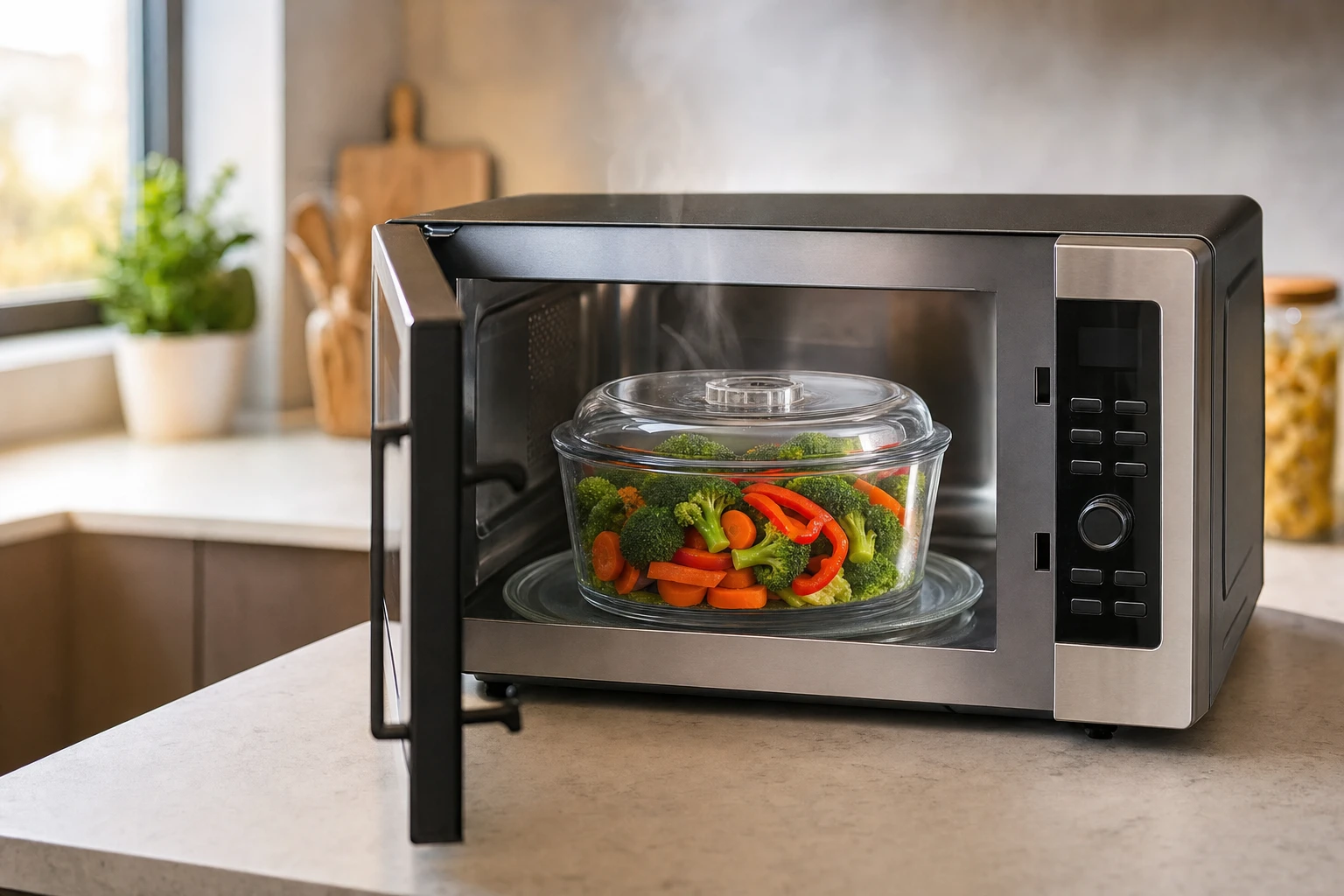
What is a microwave steamer? Learn how it works, what foods it cooks best, safety tips, and how to avoid damaging your built-in microwave.
A microwave waveguide cover is a small, often mica or plastic piece inside the microwave that covers the opening where microwaves enter the cooking chamber, protecting the microwave's internal components from food splatter and ensuring efficient distribution of the microwaves.
A microwave diode is an electrical component that allows current to flow in one direction only, playing a crucial role in converting incoming electrical power into the microwave energy that cooks the food.
A microwave sensor is a technologically advanced feature in modern microwave ovens that measures vapor (steam) emitted by the food, adjusting the cooking time and power levels automatically for optimal results.
A microwave magnetron is a component in microwave ovens that generates the microwaves used to cook food.
The most common reasons a Whirlpool microwave light won't turn on are a defective control panel, a burned out light bulb, or a malfunctioning PCB.
The most common reasons your Kenmore Elite microwave has no power are a bad thermostat, malfunctioning electronic control board or a broken switch.
The most common reasons your Whirlpool microwave is not working are a bad thermostat, malfunctioning electronic control board or a broken switch.
The most common reasons your Samsung microwave is not turning on are a bad thermostat, malfunctioning electronic control board or an inoperative power supply board.
The most common reasons your Samsung microwave won't close are a warped door assembly, a broken door latch, or a bent door hinge.
The most common reasons your Frigidaire microwave stopped working are a malfunctioning electronic control board, bad thermostat or a broken switch.