 Appointment Lookup
 213-596-2538
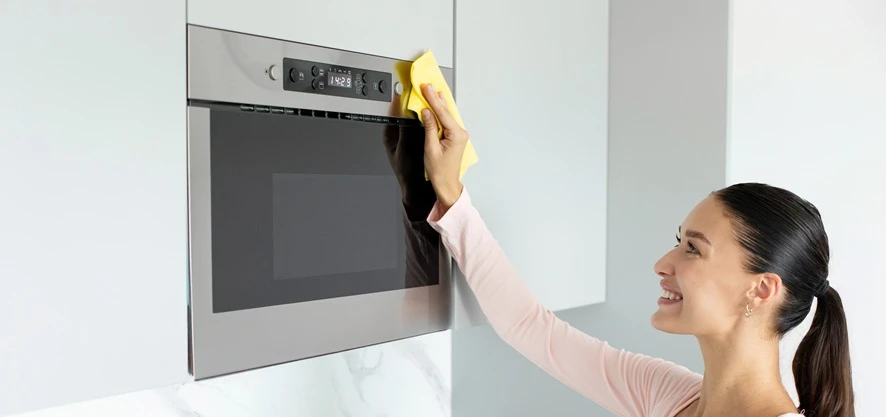
Keeping your microwave clean improves performance, prevents odors, and helps your appliance last longer. In this guide, Sears Home Services experts share five simple microwave cleaning tips.
Your microwave oven is probably the most used appliance in your kitchen, heating everything from leftovers to your morning coffee.
But how long does a microwave typically last?
Understanding your microwave’s lifespan, knowing how to extend it, and recognizing signs it’s time for a replacement can help you get the most out of this essential appliance.
KEY TAKEAWAYS
On average, a microwave oven lasts about 7 to 10 years.
Several factors influence how long your microwave will keep running, including brand, frequency of use, and maintenance.
Well-maintained microwaves from reputable brands can even exceed the 10-year mark.
Frequent use, such as several times daily, can reduce lifespan slightly. Microwaves that receive less rigorous use, with proper care and maintenance, often enjoy a longer life.

Taking good care of your microwave extends its usefulness and prevents costly repairs. Here are practical steps to prolong your microwave’s life:
If you see arc marks inside the microwave cavity, you can repair them using the procedure shown in this video:
If the arc mark is too big or you need to have a technician repair an arc mark for you, schedule microwave repair service.

No matter how well you take care of it, your microwave will eventually wear out. Recognizing when your microwave is nearing the end of its lifespan helps avoid sudden breakdowns or safety risks.
Consider replacing your microwave if:

When it's time to replace your microwave, especially if you want the new model to fit the same space, keep these tips in mind:
Understanding your microwave’s expected lifespan, practicing careful maintenance, and knowing when and how to choose a replacement ensures you always have reliable heating at your fingertips.
Loading scheduler options...
Keeping your microwave clean improves performance, prevents odors, and helps your appliance last longer. In this guide, Sears Home Services experts share five simple microwave cleaning tips.

Learn how a microwave works and discover the science behind it. Find out how microwaves heat your food quickly and efficiently.

Discover the answer to the question, 'Is a microwave safe?' with Sears Home Services. Learn about microwave safety and find the right appliances for your home.
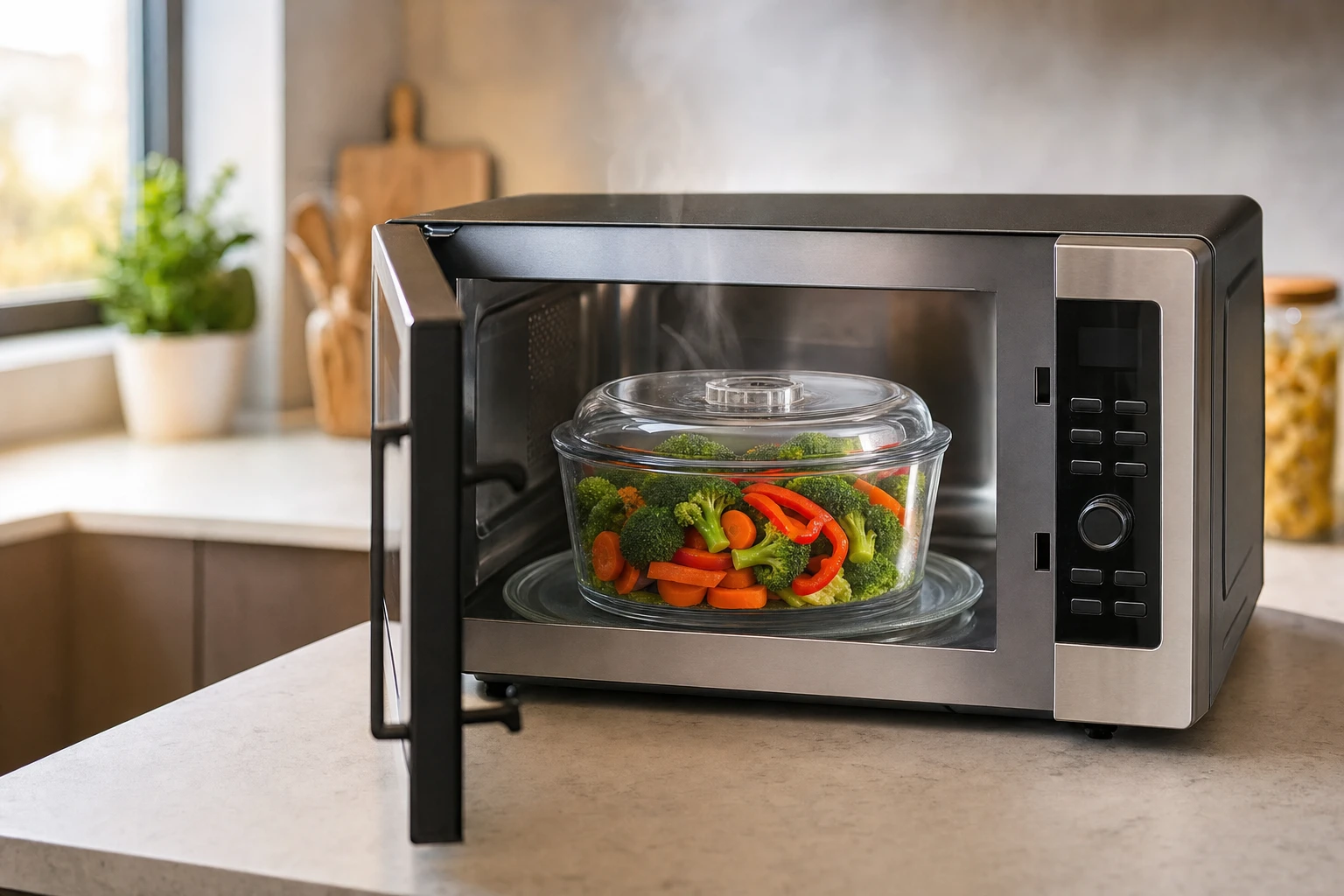
What is a microwave steamer? Learn how it works, what foods it cooks best, safety tips, and how to avoid damaging your built-in microwave.
A microwave waveguide cover is a small, often mica or plastic piece inside the microwave that covers the opening where microwaves enter the cooking chamber, protecting the microwave's internal components from food splatter and ensuring efficient distribution of the microwaves.
A microwave diode is an electrical component that allows current to flow in one direction only, playing a crucial role in converting incoming electrical power into the microwave energy that cooks the food.
A microwave sensor is a technologically advanced feature in modern microwave ovens that measures vapor (steam) emitted by the food, adjusting the cooking time and power levels automatically for optimal results.
A microwave magnetron is a component in microwave ovens that generates the microwaves used to cook food.
The most common reasons a Whirlpool microwave light won't turn on are a defective control panel, a burned out light bulb, or a malfunctioning PCB.
The most common reasons your Kenmore Elite microwave has no power are a bad thermostat, malfunctioning electronic control board or a broken switch.
The most common reasons your Whirlpool microwave is not working are a bad thermostat, malfunctioning electronic control board or a broken switch.
The most common reasons your Samsung microwave is not turning on are a bad thermostat, malfunctioning electronic control board or an inoperative power supply board.
The most common reasons your Samsung microwave won't close are a warped door assembly, a broken door latch, or a bent door hinge.
The most common reasons your Frigidaire microwave stopped working are a malfunctioning electronic control board, bad thermostat or a broken switch.