 Appointment Lookup
 213-596-2538

Discover the top 11 reasons why your refrigerator is not cooling. Get expert tips and solutions from Sears Home Services.
Why Knowing the Difference Matters
DIY Troubleshooting: What You Can Fix Yourself
Refrigerator Issues That Require Professional Repair
Warning Signs You Should Stop DIY Troubleshooting Immediately
Cost Comparison: DIY vs. Professional Refrigerator Repair
How Professional Refrigerator Repair Protects Your Appliance
How to Decide Between DIY and Professional Refrigerator Repair
Final Thoughts: Know Your Limits and Protect Your Refrigerator
Frequently Asked Questions
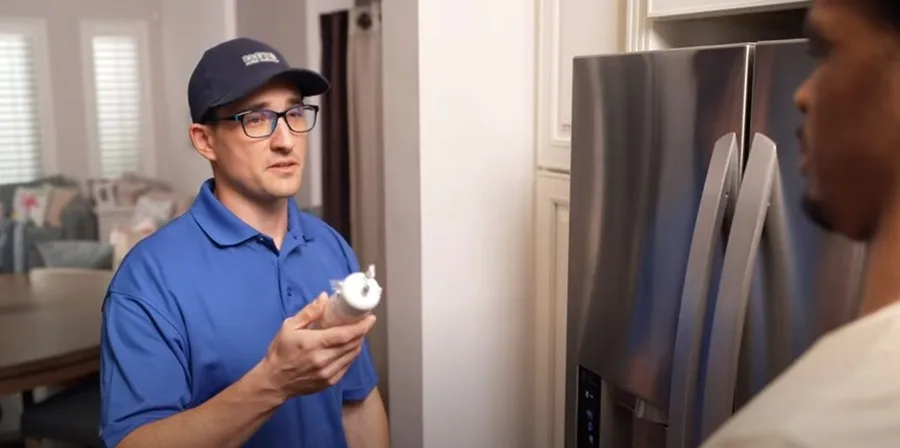
When your refrigerator starts acting up, the first question most homeowners ask is simple: Can I fix this myself, or do I need professional refrigerator repair?
With countless DIY videos and quick fixes online, it’s tempting to troubleshoot refrigerator problems on your own. Sometimes, that works. Other times, DIY refrigerator repair can make the problem worse, create safety risks, or even void your refrigerator warranty.
This guide breaks down which refrigerator problems you can safely troubleshoot yourself and when it’s smarter (and safer) to call an appliance repair service—before a small issue turns into an expensive one. We’ll help you protect your appliance, your budget, and your home.
KEY TAKEAWAYS
Acting quickly when your fridge shows signs of trouble can prevent bigger, costlier failures. The challenge is knowing how to decide when your refrigerator needs professional repair vs. DIY troubleshooting.
Refrigerators are complex appliances that combine electrical systems, moving parts, and refrigerant. While some refrigerator troubleshooting tasks are simple, others require specialized tools and training.
Understanding how to know when your refrigerator needs professional repair vs. DIY troubleshooting helps you avoid risks, reduce costs, and preserve warranty coverage.
Smart decision-making can save money—and sometimes save your refrigerator entirely.

Some refrigerator problems are minor and can be resolved with basic DIY troubleshooting. These fixes focus on maintenance, airflow, and settings, not internal components.
If you’re comfortable with using basic tools and carefully following safety practices, start here.
When your fridge isn’t cooling as expected, start with the basics:

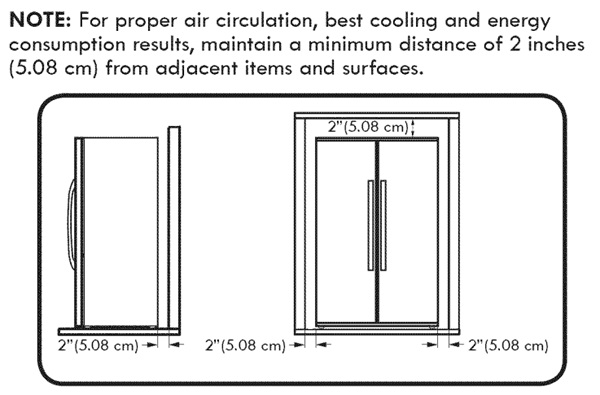
Here’s a DIY video that shows you how to clean refrigerator condenser coils:
If the ice maker stops producing ice:
Here's an example of how to reset the ice maker in a common Samsung refrigerator:
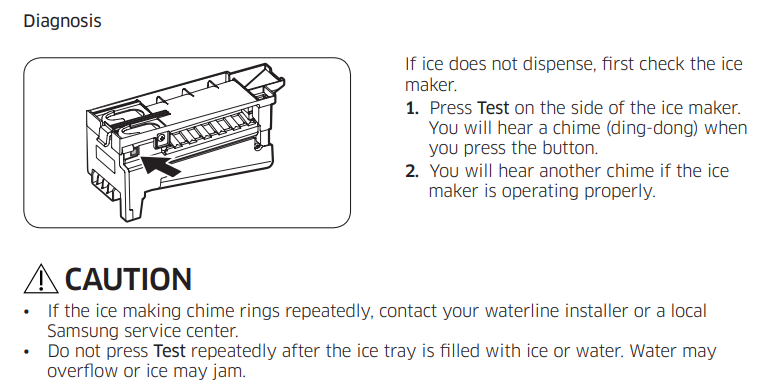
If the ice maker still doesn’t work, you’ll likely need to schedule professional refrigerator repair service.
A refrigerator that runs nonstop doesn’t always mean a serious failure. Common causes include:
Addressing these issues can restore normal operation without professional refrigerator repair.
If you notice your refrigerator leaking water:
Persistent leaks, however, may signal internal problems that require refrigerator service by a licensed appliance repair technician.
Some refrigerator problems go beyond DIY troubleshooting. Attempting these repairs without training can be dangerous and costly.
A fridge making noise—especially grinding, clicking, or buzzing—can indicate:
These components are not DIY-friendly and should be handled by a professional appliance repair service. A refrigerator technician can isolate the source, test components, and replace parts correctly.
If your fridge stopped working entirely or isn’t cold at all, the issue may involve:
These repairs require specialized tools and certification to handle refrigerant safely.
Stop DIY troubleshooting immediately if you notice:
Refrigerator electrical problems pose serious safety risks and require professional appliance repair.
If the same refrigerator problems keep returning after troubleshooting, it’s a sign the root cause hasn’t been addressed. Continued DIY attempts can shorten your appliance lifespan. Underlying causes need expert diagnosis by a service technician to prevent further damage.
Always stop and call for professional refrigerator repair if you notice:
Unplug the refrigerator if safe to do so and contact a professional right away if you encounter these issues.
Refrigerator safety should always come first.

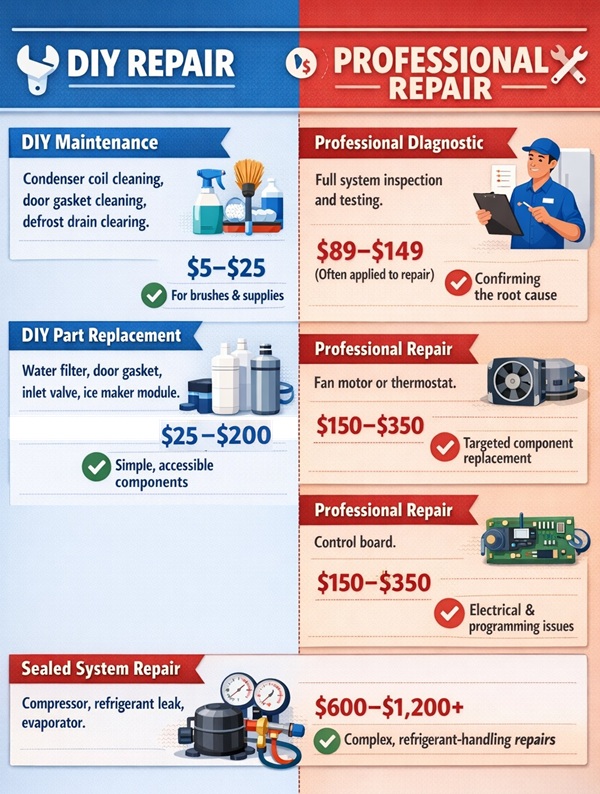
DIY refrigerator repair may seem cheaper upfront, but mistakes can lead to higher repair costs later.
Professional appliance repair ensures the problem is fixed correctly the first time and can prevent costly secondary damage.
Typical DIY repair costs:
Average refrigerator repair cost (professional):
Professional repairs are almost always more expensive than DIY repairs, but professional repairs are almost always more precise and dependable.
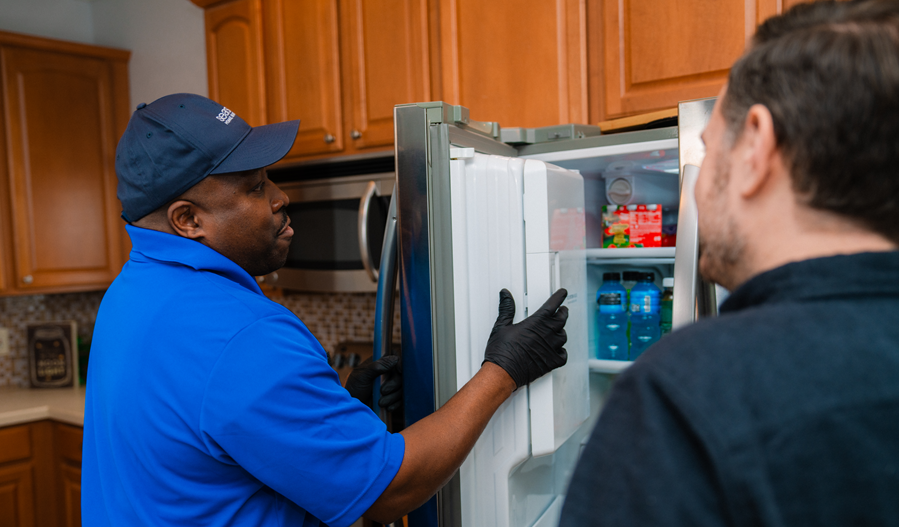
Hiring a refrigerator repair service provides:
Professional visits also include safety checks—verifying voltage, inspecting wiring, testing fans and sensors, and confirming proper refrigerant charge when applicable.
With nationwide coverage and decades of experience, Sears Home Services is a trusted advisor for homeowners facing refrigerator repairs.
Use this quick framework to determine how to know when your refrigerator needs professional repair vs. DIY troubleshooting.
When in doubt, stay safe -- schedule professional refrigerator repair.
DIY refrigerator troubleshooting has its place—but knowing when to stop is just as important as knowing how to start. When safety, cost, or uncertainty comes into play, professional refrigerator repair is the smartest move.
If your refrigerator problems persist or worsen, contacting a trusted appliance repair service such as Sears Home Services can protect your investment and restore peace of mind.
Backed by years of experience, our technicians possess the skills necessary to fix your refrigerator. And because our techs our local, they can fix it for you fast.
Loading scheduler options...
Discover the top 11 reasons why your refrigerator is not cooling. Get expert tips and solutions from Sears Home Services.
Discover the most common problems with Samsung refrigerators, including cooling issues, total cooling failure, and ice maker malfunctions. Learn how to troubleshoot these issues and find reliable repair solutions with Sears Home Services.
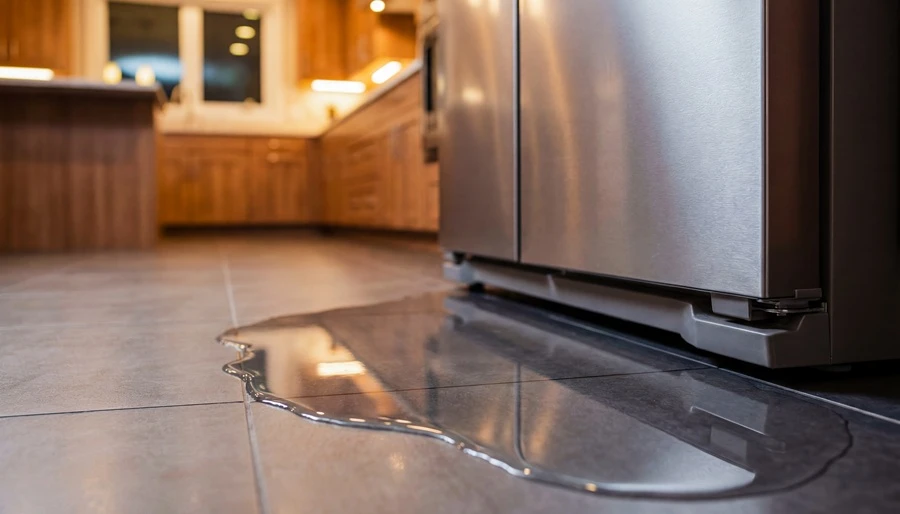
A leaking refrigerator is more than a household inconvenience—it can pose serious safety and health risks. This guide explains why refrigerators leak, the dangers involved, and the essential steps homeowners should take to protect their home, family, and appliance.

When your refrigerator starts making strange noises, distinguishing between normal sounds and potential problems becomes essential.
A compressor is a mechanical device that increases the pressure of a gas by reducing its volume, essential in various systems including refrigerators, air conditioners, and HVAC units for cooling and refrigeration processes.
A condenser is a component of HVAC and refrigeration systems, responsible for releasing absorbed heat from the refrigerant into the outside air or a water line, thus facilitating the cooling process.
A dual ice maker is a feature in some refrigerators that includes two separate ice makers: one in the fridge compartment and another in the freezer section. This setup doubles the appliance's ice-making capacity.
A French-door refrigerator features two doors that open side-by-side on the top section for the refrigerator compartment, with a bottom freezer drawer, combining style, efficiency, and easy access to both refrigerated and frozen goods.
The most common reasons your LG refrigerator icemaker reset button is not working are a faulty icemaker, a malfunctioning PCB, or a defective water valve.
The most common reasons your Samsung refrigerator is leaking water are a clogged defrost drain, cracked dispenser water tubing or a damaged evaporator.
The most common reasons your Kenmore Elite refrigerator stopped working are a locked compressor, damaged evaporator or a defective electronic control board.
The most common reasons your Maytag refrigerator stopped working are a locked compressor, damaged evaporator or a defective electronic control board.
The most common reasons your Kenmore refrigerator is noisy are a faulty ice maker assembly, defective electronic control board or a locked compressor.
The most common reasons your Kenmore refrigerator fan is not working are a defective electronic control board, damaged evaporator or a locked compressor.