 Appointment Lookup
 213-596-2538

Learn how a pressure regulator works on a gas range.
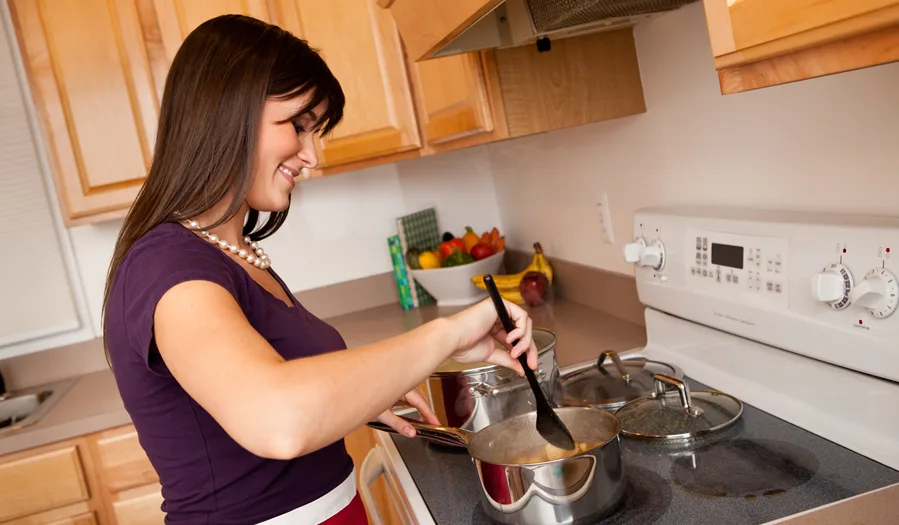
Electric ranges have become a staple in modern kitchens, providing a convenient and efficient way to cook. Unlike gas ranges, electric ranges rely on electricity to heat cooking surfaces and ovens, offering a safer and more energy-efficient option for many households.
But how exactly does an electric range work? In this article, we’ll break down the inner workings of an electric range, explore its components, and cover some essential maintenance tips. By the end, you’ll have a clear understanding of how your electric range helps you prepare delicious meals every day.
KEY TAKEAWAYS
An electric range is a type of kitchen appliance that combines both an electric stove and oven, allowing you to cook on the stovetop and bake or roast within the oven compartment. These ranges are popular for their ease of use, steady heat control, and fewer safety risks compared to gas appliances.
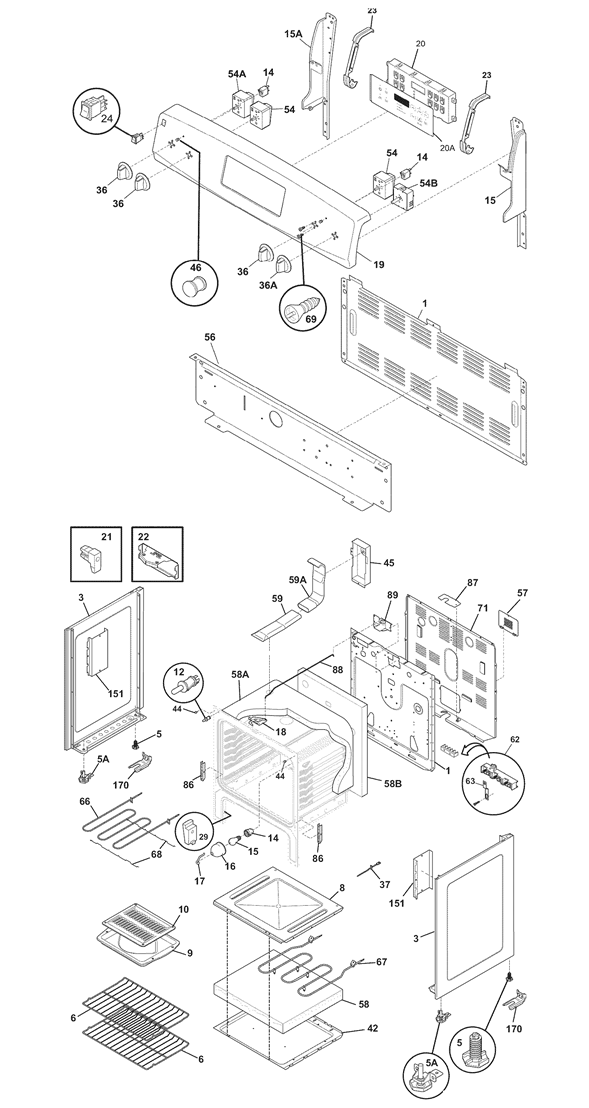
To understand how an electric range works, let’s first look at its key components:
When you turn on an electric stovetop burner, a few steps occur to generate heat:
Step 1: Turning burner control knob on the control panel allows electricity to flow to the coil or ceramic element.
Step 2: The heating element’s resistance to the electricity causes it to heat up. This principle, known as Joule heating, is the same process that warms up an electric space heater.
Step 3: The stovetop burner will continue to heat up until it reaches the desired temperature, and then the control switch maintains that temperature by cycling the element on and off.
The electric oven functions in much the same way as the stovetop but involves more complex temperature control to ensure consistent cooking.
Step 1: When you set the oven to a specific temperature, electricity flows to the oven’s heating elements (usually at the top and bottom).
Step 2: These elements warm up and distribute heat evenly across the oven interior.
Step 3: The oven’s temperature constantly monitors the oven cavity temperature, cycling the heating elements on and off to keep it consistent.

Electric ranges have several benefits:
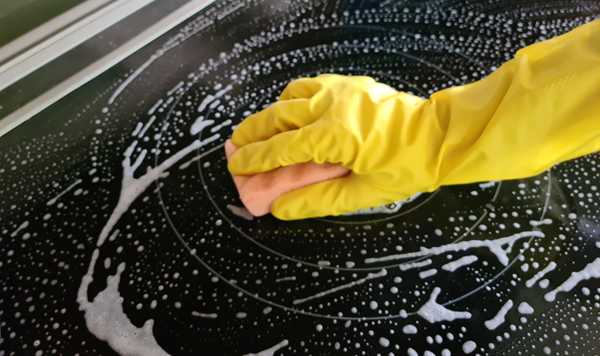
To keep your electric range working efficiently and safely, consider these maintenance tips:
If your electric range isn’t functioning correctly, these DIY troubleshooting tips might help.
An inadequate power supply, wiring failure, bad bake element, defective temperature sensor or failed electronic control board all could all prevent an electric oven from heating. Watch this video from Sears PartsDirect to see how to troubleshoot the problem.
If you’re unable to find and fix the oven heating problem yourself, schedule range repair service to have a Sears Home Services technician resolve the issue.
A failed element, wiring failure or a broken surface element control switch could be the reason that a stovetop element is not working. Follow the DIY troubleshooting steps in this video to resolve the problem on your own.
If you’re unable to fix the surface element heating problem on your own, schedule repair service and we’ll send a technician to your home to fix the issue for you.
When your range doesn't work at all, it's likely that the range has no electrical power for the display or controls. Possible causes are a tripped house circuit breaker for the range, a problem with the outlet cord (not plugged in or broken) or an internal wiring failure.
Check the house circuit breaker for your range and reset the breaker if you find it tripped.
Unplug the range and check the terminal block on the back of the range for loose wires or broken terminals. Replace the terminal block if damaged.
A blown thermal fuse can prevent the control from powering up on some ranges. Some ranges have a relay control board that supplies power to the display and controls so a failed relay control board could prevent the range from working.
If you’re unable to find the cause of the power problem, schedule range repair service and we’ll send a tech to your home to fix the range for you.
Understanding the workings of an electric range can help you make the most of this appliance and ensure it operates safely and efficiently for years to come. By knowing how each part functions—from the stovetop burners to the oven’s heating elements—you’re better equipped to troubleshoot issues, maintain the appliance, and make delicious meals with confidence.
Our technicians have the experience to tackle any range issue. Count on us to get you cooking again in no time.
Loading scheduler options...
Learn how a pressure regulator works on a gas range.

Learn how gas stoves work and how to safely use the cooktop and oven.
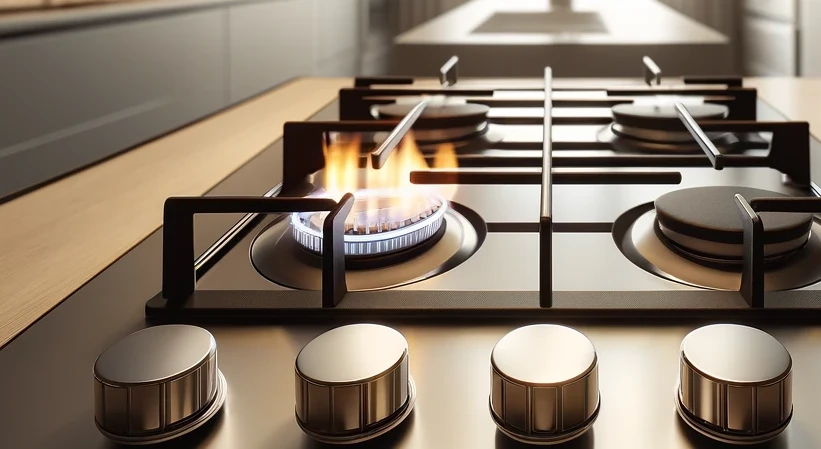
Discover 7 reasons why your cooktop burner flame is too high. Get expert tips on how to adjust the flame on a gas stove from Sears Home Services.

Find out why your gas stove is clicking and how to fix the problem.
A convection range is a kitchen appliance that features a convection oven, which uses a fan and exhaust system to circulate hot air around the food, resulting in faster, more even cooking and baking compared to conventional ovens.
A drop-in range is a type of kitchen stove that is designed to be fitted into a pre-existing space in kitchen cabinetry, mounted on a platform, flanked by cabinetry, and often featuring a custom panel at the bottom.
A dual fuel range combines the precision of an electric oven with the responsiveness of a gas cooktop, offering the best of both worlds for cooking enthusiasts.
BTU, or British Thermal Unit, measures the amount of heat required to raise the temperature of one pound of water by one degree Fahrenheit.
The most common reasons your Frigidaire range is not heating are a faulty igniter, inoperative electronic control board or a broken bake element.
The most common reasons your Whirlpool range burner is not working are a bad switch, faulty igniter or a cracked ceramic glass top.
The most common reasons your Jenn-Air range display is not working are an inoperative electronic control board, inopertive control panel or a dead power supply board.
The most common reasons your GE cooktop burner is not working are a cracked igniter switch, broken igniter or a cracked main top.
The most common reasons your Frigidaire range burner is not working are a bad switch, faulty igniter or a cracked ceramic glass top.
The most common reasons your KitchenAid range is not working are an inoperative electronic control board, faulty igniter or a bad switch.