 Appointment Lookup
 213-596-2538

Learn how an electric dryer works to get your clothes dry.

Curious about how ventless dryers work and if one is right for you? While drying clothes without a traditional vent might seem tricky, efficient technology makes it possible. Ventless dryers are ideal for small spaces or areas lacking vent infrastructure, using recirculation and condensation to remove moisture. This method not only dries clothes effectively but also protects fabrics and conserves energy. Knowing how ventless dryers function can help you decide if they’re a good fit for your home. It also makes it easier to recognize when something isn't working properly and may need repair.
KEY TAKEAWAYS
The energy-saving design of a ventless dryer manages moisture inside the unit instead of expelling it outside. This allows for flexible installation in places where a vented dryer won’t work. The way these dryers operate is unique.
Ventless dryers use a closed-loop system to manage airflow and moisture. Instead of releasing moist air outside, they recirculate and filter it within the appliance. Here’s a simplified comparison:
This process makes ventless dryers more energy-efficient, as they recycle hot air rather than continuously heating new air from the room.
Three main processes define how ventless dryers efficiently handle moisture: drying, condensing, and draining:
Drying: The dryer circulates hot air through the drum, causing moisture to evaporate from the clothes. This hot air breaks down and removes water molecules trapped in the fabric.
Condensing: Once the air inside the drum is saturated with moisture, condensation separates water from the air. For condenser models, the moist air passes over a heat exchanger, where it cools and condenses into water. Heat pump models use a heat exchanger to capture moisture while recycling warm air.
Draining: The dryer collects the condensed water in a removable reservoir or drains it through a hose into a plumbing system. This step safely removes excess moisture, so the dryer will be ready for the next cycle.
These processes make ventless dryers particularly suited for enclosed spaces, as they don’t release hot air or humidity into the room.
One of the biggest advantages of ventless dryers is their flexibility in placement. Without the need for an external vent, these dryers fit almost anywhere. This makes them perfect for small apartments, condos, or homes without built-in venting systems.
The ability to install a ventless dryer in unconventional spaces provides more options for homeowners and renters, making laundry care accessible and convenient.
Ventless dryers come in several varieties, each offering unique benefits and working mechanisms. Understanding how each type operates can help you make a well-informed choice, especially if you’re looking for a model that best fits your energy efficiency needs and available space. Here are the primary types of ventless dryers you should know about.
Condenser dryers are a popular type of ventless dryer that use a straightforward moisture-removal system. They work by heating the air inside the drum to dry clothes, then passing this moisture-laden air through a heat exchanger. The air cools as it passes over the heat exchanger, which causes the moisture to condense into liquid water. This water collects in a reservoir that needs periodic emptying or drains through a hose into a nearby drain.
Key Points About Condenser Dryers:
Heat pump dryers take energy efficiency to the next level, using a more advanced system to dry clothes. Instead of generating heat directly, they use a heat pump to remove moisture from the air. The heat pump captures and reuses hot air by cycling it through the drum. As the moist air exits the drum, the heat pump cools the air, condenses the moisture, and then reuses the warm, dry air to continue the drying process.
Key Points About Heat Pump Dryers:
All-in-one washer dryers combine washing and drying in a single compact unit, providing a practical solution for homes with minimal space. These machines use either condensation or heat pump technology to dry clothes, depending on the model. The drying process is similar to standalone ventless dryers, with the appliance first washing the clothes and then using its drying mechanism to complete the cycle.
Key Points About All-in-One Washer Dryers:

Ventless dryers offer a range of benefits that make them appealing for many households, but there are some things to keep in mind. Evaluating these pros and cons can help you decide if a ventless dryer suits your needs.
Ventless dryers stand out for their energy efficiency and flexible installation options. These features make them a practical choice for homes and apartments with limited space or ventilation access. Here’s what makes ventless dryers attractive:
While ventless dryers offer numerous benefits, there are some trade-offs to consider:
Before investing in a ventless dryer, assess the following factors to be sure it’s the right fit for your home:
Despite their growing popularity, ventless dryers are often misunderstood. Here are some common myths and the truth behind them:

Proper maintenance is the best way to keep your ventless dryer running efficiently for years. By following a regular care routine and knowing when to seek professional help, you can avoid common problems and costly repairs. Let’s break down how to maintain your dryer and troubleshoot issues that may arise.
Regular upkeep can greatly improve your dryer’s performance and longevity. Here are basic steps to follow:
To keep your ventless dryer in top shape, schedule a professional maintenance check once a year. A qualified technician will inspect internal components, clear any hidden lint buildup, and make sure the dryer is operating efficiently. This preventative measure helps catch potential problems early and prolongs the appliance’s lifespan. For more information, check out our dryer maintenance services.
Despite your best efforts, ventless dryers may occasionally experience problems. Here are some common issues and their possible solutions:
Certain issues require the expertise of a trained technician. If you notice any of the following, consider scheduling a dryer repair:
Maintaining your ventless dryer with regular care and scheduling a professional dryer maintenance check each year can keep it running efficiently and extend its lifespan. If you encounter persistent issues or your dryer shows signs of trouble, don’t hesitate to arrange a dryer repair to prevent further damage. By staying proactive, you can enjoy reliable performance from your appliance for years to come.
Ventless dryers rely on a heat exchanger to condense moisture, eliminating the need for external venting. This guide highlights their benefits and covers best practices for maintenance. For other household repairs—like a dishwasher struggling with clogs—Sears Home Services is your go-to for dishwasher repairs, ensuring efficiency throughout your home.
Ventless dryers condense moisture without relying on external exhaust vents. This blog details the closed-loop process and water-collection methods. Occasional cleanings of the heat exchanger or reservoir help keep them performing at full capacity. If you see repeated damp loads or error codes, schedule a dryer repair man near me to check for clogs or failing sensors.
Count on our knowledgeable technicians to provide thorough dryer repairs, ensuring your appliance operates at peak performance for years to come.
Loading scheduler options...
Learn how an electric dryer works to get your clothes dry.

Learn how a gas dryer works so you can use it safely and efficiently.
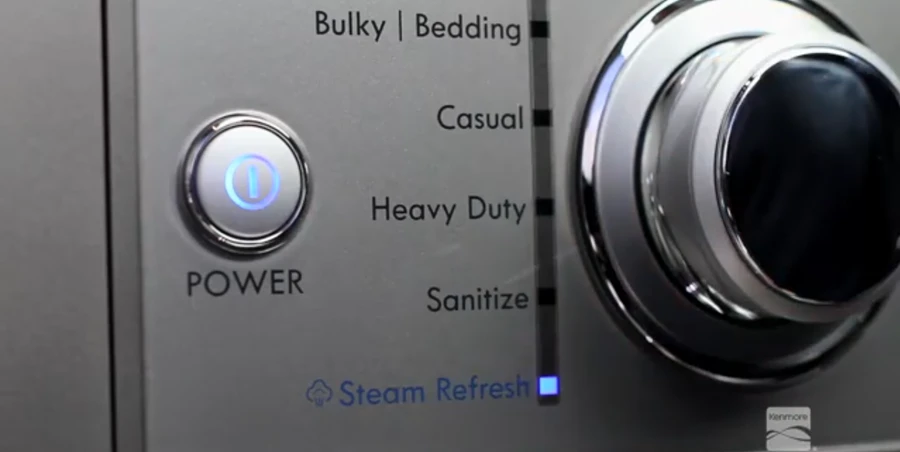
Learn how steam dryers work and how to keep them working smoothly.

Discover the reasons why your dryer is not drying and get expert troubleshooting tips to fix common drying problems.
A dryer drum is the main interior component of a clothes dryer where clothes are placed to be dried. It rotates during the drying cycle, allowing heated air to circulate through the clothes.
A dryer filter, commonly known as a lint filter, is a component of a clothes dryer that captures lint and other debris from clothes during the drying process, preventing them from clogging the dryer vent.
A dryer pedestal is a platform that elevates a dryer off the ground, making it easier to load and unload laundry while also providing additional storage space in some models.
A dryer rack is an accessory for clothes dryers that provides a stationary platform to dry items without tumbling, ideal for delicate or bulky items, or shoes that might be damaged by the usual drying cycle.
Whirlpool dryer not heating? Get expert Whirlpool dryer repair for gas and electric models. Fast, reliable service to restore heat today!
The most common reasons your Samsung dryer is blowing cold air are an open heating element, a failed thermal cut-off fuse, or a defective PCB.
The most common reasons your Bosch dryer is not drying are a clogged vent tube, open heating element or a bad wire connector.
The most common reasons your Hotpoint dryer is not heating are an open heating element, failed thermal cut-off fuse or a faulty thermal fuse.
The most common reasons your Maytag dryer has no heat are an open heating element, failed thermal cut-off fuse or a faulty thermal fuse.
The most common reasons your Samsung dryer has no heat are an open heating element, failed thermal cut-off fuse or a faulty thermal fuse.