 Appointment Lookup
 213-596-2538

Discover the top 11 reasons why your refrigerator is not cooling. Get expert tips and solutions from Sears Home Services.

Disposing of a refrigerator might seem like a straightforward task, but there’s more to it than just hauling it to the curb. Old refrigerators contain hazardous materials that can harm the environment if not handled correctly.
Whether you’re replacing an old fridge with a new one, taking it to a landfill, or storing it temporarily before disposal, this guide will ensure you do it safely and responsibly.
KEY TAKEAWAYS
Retailers often offer refrigerator disposal services when you buy a new appliance. Many major stores will take your old fridge when delivering your new one, often for a nominal fee. Here’s what to expect.

Before finalizing your order, ask the retailer about their refrigerator haul-away service. Most retailers charge between $20 and $50, but some include the service for free as part of promotional deals.
Empty the fridge completely and clean it thoroughly to avoid mold, mildew, or lingering smells during transit. Leave the doors slightly open if pickup is delayed to prevent odor buildup.
Retailers are often required to recycle appliances responsibly. They should recover refrigerants, safely dispose of hazardous components, and recycle as much material as possible.

Transporting an old refrigerator to a landfill yourself requires preparation and adherence to local regulations. Follow these steps to ensure proper disposal:
Call ahead to confirm that the facility accepts refrigerators. Many landfills require you to schedule a drop-off and may charge a disposal fee ranging from $15 to $50.
Federal law mandates the removal of refrigerants (such as Freon) before disposing of refrigerators. Only certified professionals can perform this task.
Your landfill might offer refrigerant removal services or recommend a certified technician.
Secure the fridge in your vehicle to prevent it from shifting or tipping over during the drive. Use straps or bungee cords to hold it in place, and lay it flat only if absolutely necessary.
If you need to store the fridge temporarily before disposal, take precautions to ensure safety and prevent environmental hazards:
Place the refrigerator in a garage, shed, or covered outdoor area. Avoid areas prone to flooding or moisture buildup, which can damage the appliance or attract pests.
Always remove or lock the doors to prevent accidental entrapment, especially if children live nearby. Use heavy-duty tape to secure the doors shut, or unhinge them entirely.
Remove any remaining liquid from the drain pan and wipe down the interior. A clean appliance is easier to handle and won’t create unpleasant smells.
Proper refrigerator disposal isn’t just about convenience—it’s about protecting the environment. Old refrigerators often contain hazardous materials such as refrigerants, oil, and insulating foam. Improper disposal can release harmful greenhouse gases and violate local and federal laws.
The U.S. Environmental Protection Agency (EPA) oversees the proper disposal of appliances like refrigerators. Many states and municipalities also enforce their own regulations, so familiarize yourself with the rules in your area to avoid fines or penalties.
Before hauling your old refrigerator to the landfill, consider other options:
If your refrigerator still works, some organizations might accept it for reuse. Habitat for Humanity ReStores or local shelters often take functional appliances.
Online marketplaces like Craigslist or Facebook Marketplace provide a platform for selling or giving away old appliances. Make sure to be honest about the fridge’s condition.
Many communities run recycling programs specifically for large appliances. Check with your city’s waste management department for details.
Disposing of a refrigerator responsibly requires planning and adherence to environmental guidelines. Whether you opt for retailer disposal, a landfill trip, or temporary storage, prioritize safety and environmental care. By following these steps, you’ll not only avoid fines but also contribute to a cleaner, greener future.
Backed by years of experience, our technicians possess the skills necessary to fix your refrigerator. And because our techs our local, they can fix it for you fast.
Loading scheduler options...
Discover the top 11 reasons why your refrigerator is not cooling. Get expert tips and solutions from Sears Home Services.
Discover the most common problems with Samsung refrigerators, including cooling issues, total cooling failure, and ice maker malfunctions. Learn how to troubleshoot these issues and find reliable repair solutions with Sears Home Services.
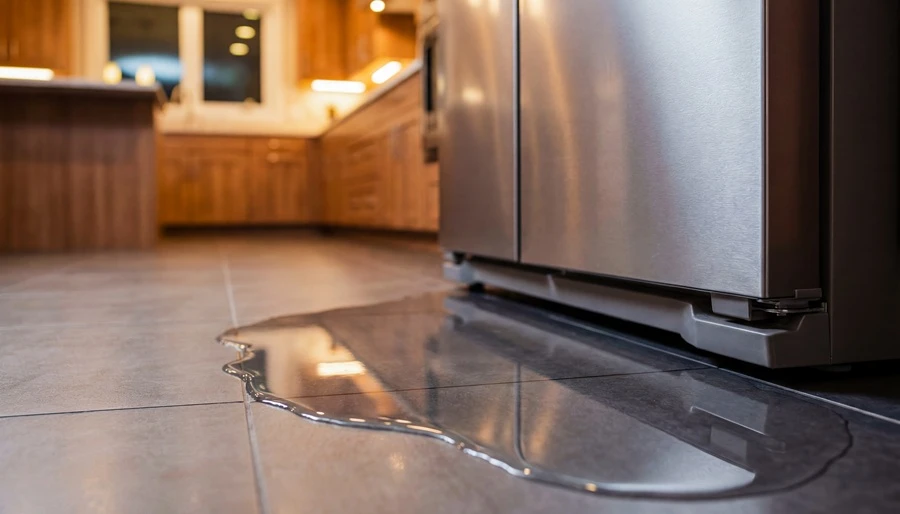
A leaking refrigerator is more than a household inconvenience—it can pose serious safety and health risks. This guide explains why refrigerators leak, the dangers involved, and the essential steps homeowners should take to protect their home, family, and appliance.
When your refrigerator starts making strange noises, distinguishing between normal sounds and potential problems becomes essential.
A compressor is a mechanical device that increases the pressure of a gas by reducing its volume, essential in various systems including refrigerators, air conditioners, and HVAC units for cooling and refrigeration processes.
A condenser is a component of HVAC and refrigeration systems, responsible for releasing absorbed heat from the refrigerant into the outside air or a water line, thus facilitating the cooling process.
A dual ice maker is a feature in some refrigerators that includes two separate ice makers: one in the fridge compartment and another in the freezer section. This setup doubles the appliance's ice-making capacity.
A French-door refrigerator features two doors that open side-by-side on the top section for the refrigerator compartment, with a bottom freezer drawer, combining style, efficiency, and easy access to both refrigerated and frozen goods.
The most common reasons your LG refrigerator icemaker reset button is not working are a faulty icemaker, a malfunctioning PCB, or a defective water valve.
The most common reasons your Samsung refrigerator is leaking water are a clogged defrost drain, cracked dispenser water tubing or a damaged evaporator.
The most common reasons your Kenmore Elite refrigerator stopped working are a locked compressor, damaged evaporator or a defective electronic control board.
The most common reasons your Maytag refrigerator stopped working are a locked compressor, damaged evaporator or a defective electronic control board.
The most common reasons your Kenmore refrigerator is noisy are a faulty ice maker assembly, defective electronic control board or a locked compressor.
The most common reasons your Kenmore refrigerator fan is not working are a defective electronic control board, damaged evaporator or a locked compressor.