 Appointment Lookup
 213-596-2538

When your dryer won’t stay running during a cycle, it can throw a huge wrench in your laundry routine.

When your dryer timer stops working correctly, it can throw off your laundry routine.
A malfunctioning timer might prevent the dryer from starting, advancing through cycles, or shutting off properly.
Fortunately, diagnosing and fixing the issue is often straightforward if you approach it step by step.
This guide will help you troubleshoot and repair a faulty dryer timer, starting with simple checks before moving on to more technical solutions.
KEY TAKEAWAYS

You turn your timer knob to a cycle and press the start button but you get nothing. You know the dryer has power because the drum light turns on when you open the dryer door.
In this situation, a worn or cracked dryer knob may not be rotating the time knob stem to the starting point of a dryer cycle.
Examine the dryer knob to see if it’s cracked. Replace the knob if it’s cracked or damaged.
If the front part of the knob isn’t cracked, pull the knob off the timer stem and look at the D-shaped shaft receptacle on the back of the dryer knob. If that shaft receptacle is cracked, broken or worn, replace the dryer knob.
When the dryer won’t start and a broken knob isn’t to blame, then a broken electrical contact inside the timer could be preventing the dryer from starting.
Before you condemn the timer, follow the steps in these troubleshooting videos for a gas and electric dryer to rule out other common causes that can prevent your dryer from starting.
Gas dryer won’t start troubleshooting video:
Electric dryer won’t start troubleshooting video:
When you’ve ruled out the common causes for a dryer not starting that are discussed in these videos, unplug the dryer and test the internal timer contacts using this procedure:

The meter should read near zero ohms of resistance through those two timer spades with the dryer dial set to run a cycle.
If the meter measure infinite resistance, replace the timer because that internal dryer contact is broken.
Here’s a video that shows how to replace a dryer timer:
When the dryer timer dial advances as it should but continues to run straight through the Off portion between dryer cycles, the contact described in the section above may be stuck and providing current to the drive motor and timer motor constantly.
Test the same internal timer contact described in the above section to see if the internal dryer contact is shutting off power to the drive motor and timer motor when the timer dial reaches the Off section between dryer cycles.

With the timer dial positioned on Off, follow the steps described in the above section to check the same internal dryer contact.
With the dial in the Off position, you should measure infinite resistance (signified by 1 in the far left side of some meters as shown in the image above).
If the meter measures near zero ohms of resistance with the dial in the Off position, replace the timer because that internal contact is stuck.
The timer has a motor that physically advances the dial during the cycle. If the drive motor runs but the dial never moves, the timer motor or an internal timer contact could be broken.
To check the timer motor, unplug the dryer and access the timer as described in the procedure in the first section above.

Unplug the wire harness from the timer motor and check resistance across the timer motor spades. You should measure 2,000 to 3,000 ohms. The resistance of some timer motors does differ, so as long as you measure 2,000 ohms of resistance or more, the dryer timer motor is likely okay.
If the meter measures infinite resistance, replace the timer because the timer motor is bad.
If the timer motor is okay, check the internal dryer contacts that provide current flow through the timer motor in the timed cycle and the automatic cycle.

To test the internal timer contact for a timed dryer cycle, plug the timer motor wire harness back into the motor and position the timer dial in a timed cycle. Unplug the wire harness with the orange, blue/white and black/white wires. Check resistance between the timer spades that connect to the blue/black and blue/white wires.
If you measure near zero ohms of resistance through those timer spades, then the internal dryer contact for the timed cycle is okay.
If you measure infinite resistance, then the internal dryer contact is broken. Replace the dryer timer.

To test the internal timer contact for the automatic cycle, check resistance through the timer spades that connect to the orange and blue/white wires.
If you measure near zero ohms of resistance through those timer spades, then the internal dryer contact for the timed cycle is okay.
If you measure infinite resistance, then the internal dryer contact is broken. Replace the dryer timer.
Troubleshooting and repairing a dryer timer doesn’t have to be overwhelming but some of the diagnostic steps described above are somewhat advanced and may be challenging for you to follow.
Start with the simplest checks, like inspecting the knob, and gradually work your way toward testing.
If you get to a point where you’re not completely confident that you can safely and accurately perform a diagnostic step described above, schedule dryer repair and we’ll send a Sears Home Services technician to your home to fix the dryer.
A broken timer can lead to over-drying or damp clothes, wasting energy and time. This post shows you how to pinpoint a faulty timer motor and suggests simple fixes if you’re comfortable with electrical components. If you notice malfunctioning electronics on your dishwasher, too, contact Sears Home Services for who fixes dishwashers and keep your kitchen routine hassle-free.
Broken dryer timers can halt cycles early or extend them indefinitely. This blog explains simple dial tests and motor verifications. If the machine keeps running or never starts, advanced wiring may need review. A dryer repair near me pro can replace defective timers to prevent wasted heat and electricity.
Count on our knowledgeable technicians to provide thorough dryer repairs, ensuring your appliance operates at peak performance for years to come.
Loading scheduler options...
When your dryer won’t stay running during a cycle, it can throw a huge wrench in your laundry routine.

Discover the reasons why your dryer is not drying and get expert troubleshooting tips to fix common drying problems.
This step-by-step guide explains how to diagnose a faulty dryer heating element and replace it safely. Learn the tools you need, common symptoms of failure, and how to test your dryer after the repair.
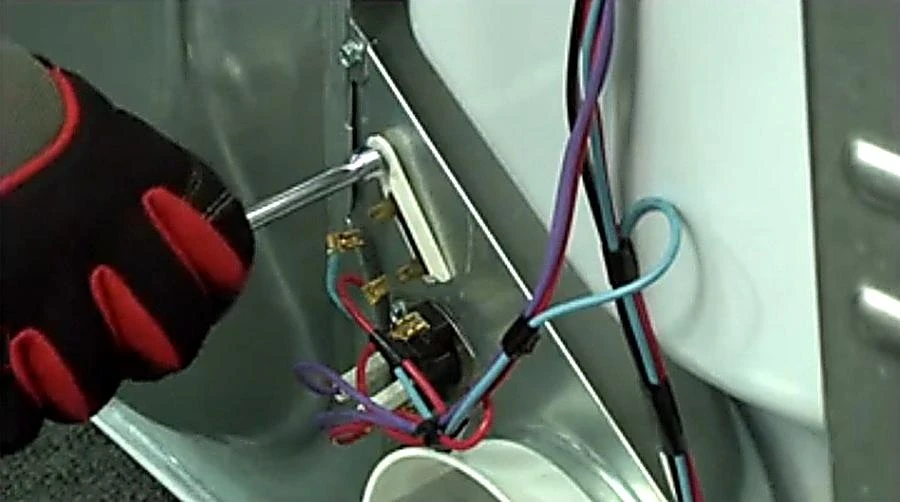
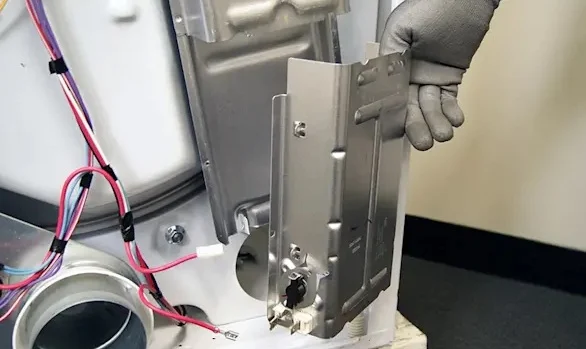
This Sears Home Services guide shows how to replace a thermal fuse in a dryer, including safety tips, troubleshooting steps, and best practices to maintain drying performance.
A dryer drum is the main interior component of a clothes dryer where clothes are placed to be dried. It rotates during the drying cycle, allowing heated air to circulate through the clothes.
A dryer filter, commonly known as a lint filter, is a component of a clothes dryer that captures lint and other debris from clothes during the drying process, preventing them from clogging the dryer vent.
A dryer pedestal is a platform that elevates a dryer off the ground, making it easier to load and unload laundry while also providing additional storage space in some models.
A dryer rack is an accessory for clothes dryers that provides a stationary platform to dry items without tumbling, ideal for delicate or bulky items, or shoes that might be damaged by the usual drying cycle.
Whirlpool dryer not heating? Get expert Whirlpool dryer repair for gas and electric models. Fast, reliable service to restore heat today!
The most common reasons your Samsung dryer is blowing cold air are an open heating element, a failed thermal cut-off fuse, or a defective PCB.
The most common reasons your Bosch dryer is not drying are a clogged vent tube, open heating element or a bad wire connector.
The most common reasons your Hotpoint dryer is not heating are an open heating element, failed thermal cut-off fuse or a faulty thermal fuse.
The most common reasons your Maytag dryer has no heat are an open heating element, failed thermal cut-off fuse or a faulty thermal fuse.
The most common reasons your Samsung dryer has no heat are an open heating element, failed thermal cut-off fuse or a faulty thermal fuse.