 Appointment Lookup
 802-613-1926


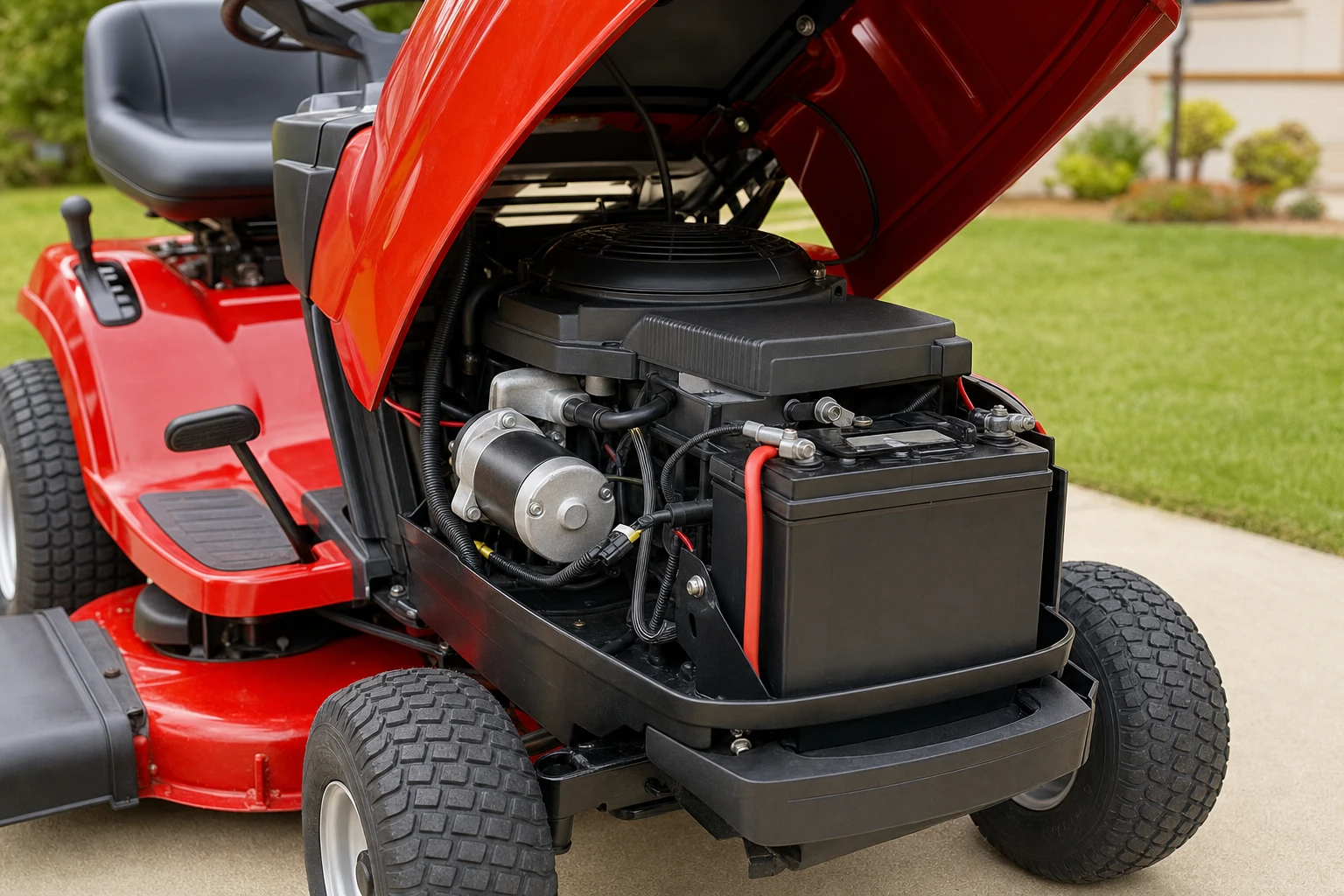
Learn how to test a riding mower starter with a multimeter, jumper cables, and bench test. Diagnose starter issues fast and know when to call a pro.

We’re in your neighborhood and we’ll fix it, no matter where you bought it.
Don't let your grass grow out of control because your push lawn mower won't start, vibrates too much or doesn't cut well. Let Sears Home Services help you get your mower going again with expert DIY troubleshooting and repair advice. We also have the genuine repair parts you need on our Sears PartsDirect website.
Follow the troubleshooting advice shown below to fix common lawn mower problems.
When you tip your lawn mower over for maintenance or cleaning and then can’t pull the starter cord, the cylinder is likely flooded with oil. Follow these steps to fix the problem:
A lot of white smoke will come out of the muffler as the engine sputters to life, because the engine is burning off the oil inside the cylinder. Once the engine burns off the oil, the mower should run smoothly.
Our How to Fix a Pull Cord Stuck After Tipping the Mower YouTube video illustrates this DIY repair procedure.
If you can’t pull the starter rope and you didn’t tip the mower over, a branch or other debris may be blocking the mower blade from moving. Put on some work gloves and tip the mower on its side with the air filter up. If you see a branch or other item under the mower deck that’s preventing the blade from spinning, remove it. Reconnect the spark plug, and you should now be able to start the mower.
If you didn't find anything blocking the blade, there might be a problem with the recoil starter. Disconnect the spark plug again and release the rope from the lawn mower handle. Remove the screws from the blower housing and pull the housing off the engine. Pull the starter rope to see if the recoil starter works. If the starter is locked up or cracked, replace it. Pull off the recoil starter guard and then release the recoil starter from the tabs on the blower housing. Remove the recoil starter and snap the new one into the tabs. Reinstall the recoil starter guard and then you're ready to reattach the blower housing to the engine.
If these DIY mower repair tips don’t help you fix the problem, have a repair technician examine and repair the problem.
When you can't start your mower, make sure the tank has fuel and that the fuel is fresh; stale fuel can become watery and won't ignite well. Tune up the mower's engine to give it the best chance of starting. Check the spark plug and replace it if it's covered with oil or other deposits.
If your mower uses a battery, charge or replace the battery if it won't power the starter to spin the engine. If you have to pull the starter rope to start the engine, replace the recoil starter if it doesn't spin the engine when you pull the rope. Replace the starter rope if it's broken.
Replace the safety switch or the ignition coil if the spark plug isn't getting current through the ignition system. The engine won't start if you hit a rock or stump and shear off the flywheel key, so replace the flywheel key if it's broken. Follow the DIY troubleshooting tips in our Lawn Mower Won’t Start: Spark Plug and Ignition Problems video when the engine isn't getting any spark.
Carburetor problems often prevent a mower engine from starting. Replace or rebuild the carburetor if it's clogged. Our Lawn Mower Won’t Start: Fuel, Ignition and Compression Problems video offers you more help with troubleshooting fuel problems.
If you’re unable to get your lawn mower started after following these DIY troubleshooting tips, have a professional repair expert fix the mower.
The carburetor blends air with fuel to form a combustible mixture that ignites in the cylinder to drive the piston. If the carburetor is clogged or damaged, the engine runs rough or won’t start. If the carburetor is clogged or damaged, replace it by following these steps.
Here's a YouTube video that describes the carburetor replacement procedure described above:
Replacing the carburetor on your lawn mower can restore gas flow to the engine so it starts and runs smoothly.
If you continue to have problems with the lawn mower starting and running properly after replacing the carburetor, have a professional service technician diagnose and fix the mower.
If you've recently tipped your mower for cleaning or maintenance, oil may have flooded the cylinder, making the rope hard to pull. To fix this:
If you haven’t tipped the mower, debris may be blocking the blade, or the recoil starter could be faulty. Check under the deck for obstructions or inspect the recoil starter mechanism. Replace it if it's cracked or locked up.
Start by checking the fuel quality — stale fuel won’t ignite well. Also inspect and replace the spark plug if it's dirty or oil-coated. If your mower has a battery, ensure it's charged.
Mechanical issues like a broken starter rope, faulty ignition coil, bad safety switch, or a sheared flywheel key can also prevent starting. Lastly, a clogged carburetor is a common cause — clean, rebuild, or replace it as needed.
To replace the carburetor:
A new carburetor restores proper fuel flow, helping the engine start and run smoothly. If problems persist, consult a service technician.
If your mower still won’t start or run smoothly after following DIY troubleshooting — such as clearing oil from the cylinder, inspecting the spark plug, or replacing the carburetor — it’s time to contact a qualified repair technician. Persistent ignition, compression, or fuel delivery issues may require specialized tools and expertise to diagnose and fix.
With more than 500k 5-Star Reviews, you don't have to take our word for it.

Find the parts and diagram to fix your Push Lawn Mower yourself. Sears PartsDirect carries millions of parts.

Find a local tech to fix your Push Lawn Mower and get you going.

Visit Sears.com to get the newest and most reliable Push Lawn Mower for your project.
Learn how to test a riding mower starter with a multimeter, jumper cables, and bench test. Diagnose starter issues fast and know when to call a pro.

Master summer lawn care with these tips on mowing, watering, planting, and pest control to keep your yard looking its best.

Navigating through common riding mower problems can be daunting, but understanding whether it's a DIY fix or a job for a repairman is crucial.

Find out if the ignition switch on your riding mower is bad. Learn how to diagnose ignition switch problems on your lawn tractor at Sears Home Services.
The drum is the core part of the washer that holds your laundry and enables the cleaning process through rotation, agitation, and rinsing.
The 608 Certification, mandated by the Environmental Protection Agency (EPA), is required for HVAC technicians to legally handle refrigerants. It ensures technicians understand refrigerant types, environmental impact, and proper handling techniques.
A compressor is a mechanical device that increases the pressure of a gas by reducing its volume, essential in various systems including refrigerators, air conditioners, and HVAC units for cooling and refrigeration processes.
A condenser is a component of HVAC and refrigeration systems, responsible for releasing absorbed heat from the refrigerant into the outside air or a water line, thus facilitating the cooling process.