 Appointment Lookup
 213-596-2538
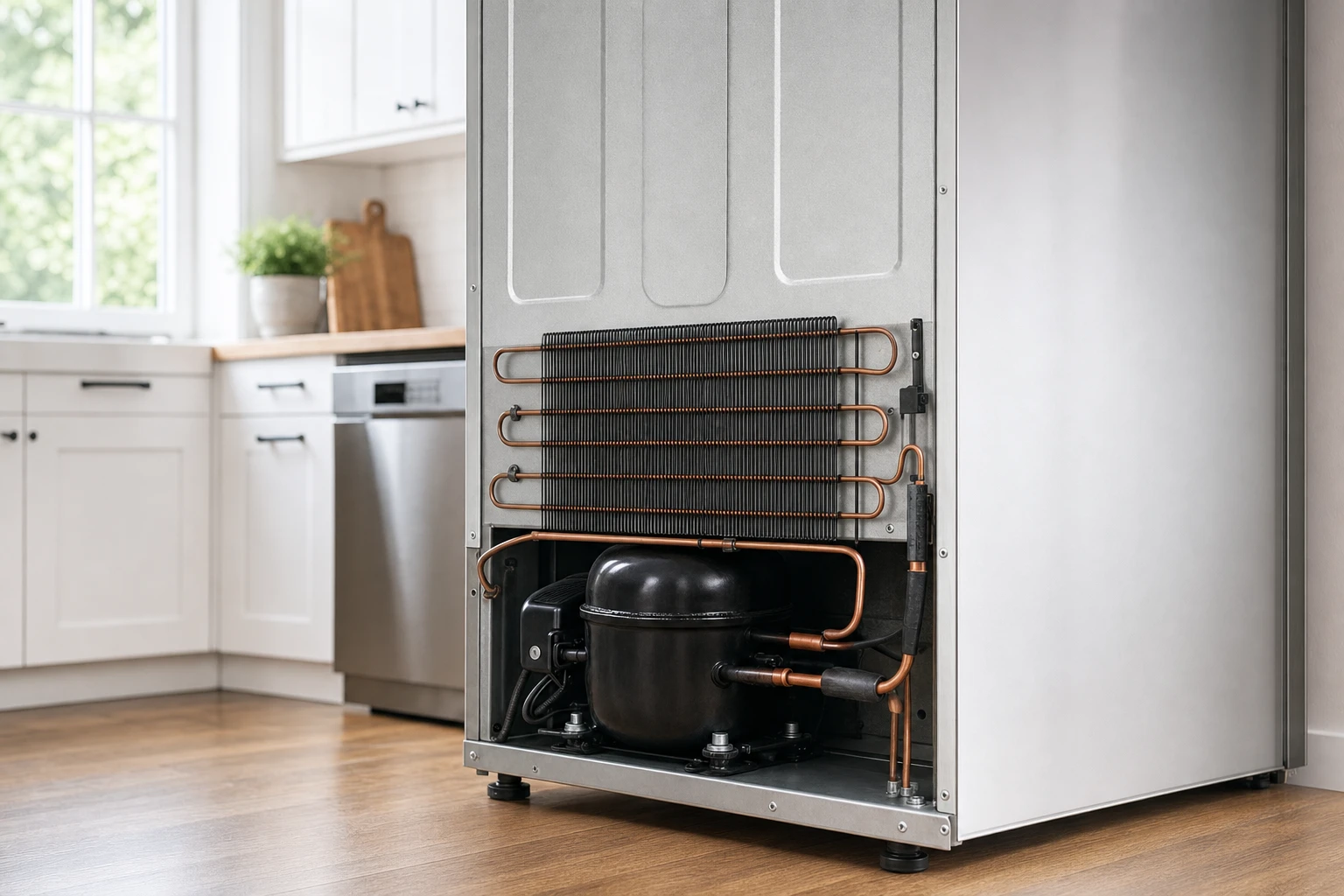
Learn what a freezer compressor is, how it works, signs it's failing, and when to repair or replace. Expert guide from Sears Home Services.
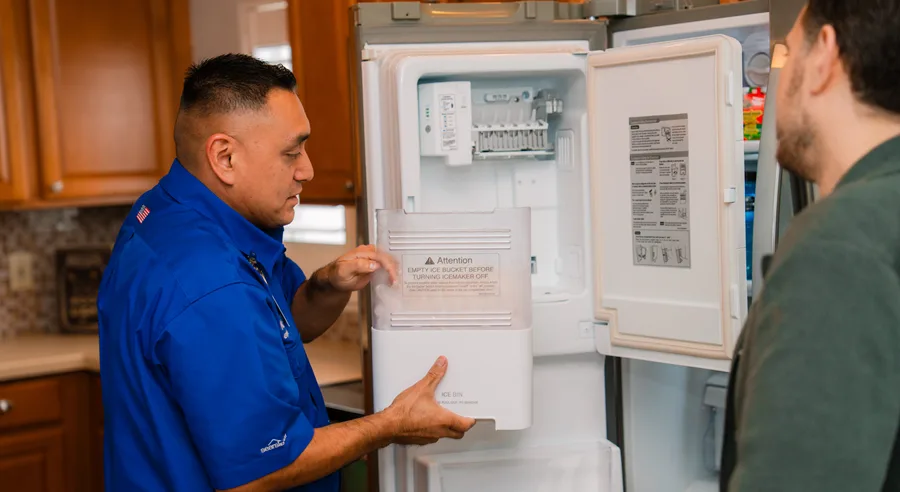
A slow or intermittent ice maker can be frustrating, especially when you rely on a steady supply of ice for drinks, parties, or everyday use.
The good news? Many of the common causes behind sluggish ice production are issues you can troubleshoot and fix on your own.
Let’s dive into the most likely culprits and how to get your ice maker back to full speed.
KEY TAKEAWAYS

Your ice maker’s performance depends heavily on your freezer’s temperature when the ice maker is located inside the freezer compartment.
Freezer compartment temperature can also affect ice production in the ice room of a French door refrigerator if the freezer compartment is the provider of cooling for the ice room. When the ice room is located on the left door of the French door refrigerator, you’ll see a vent openings that supply that cold air when you open the left-side door. The image below shows the air flow through the ice room.

The ice room in some French door refrigerators has its own evaporator cooling system instead of depending on the freezer compartment for cooling. Ice room cooling problems can cause low ice production.
When you see the ice room positioned in the top left corner of the refrigerator compartment as shown in the image below, the ice room typically has its own evaporator and cooling system.

If the freezer or ice room isn’t cold enough, the water in the ice maker won't freeze quickly, slowing down production. Ideally, your freezer should be set to 0°F.
Ice room temperature must be at 0-degrees as well to produce ice efficiently.
When the ice maker resides in the freezer compartment or the ice room in the door of a French door refrigerator is supplied with cooling air from the freezer compartment, check the freezer temperature setting.
Adjust the freezer temperature if it isn’t set at 0-degrees.
A faulty or dirty door gasket can let warm air in, raising the freezer’s temperature. Clean the gasket with warm, soapy water and replace it if it’s torn or loose.
Here’s a video that shows how to replace the refrigerator and freezer door gaskets in a common French door refrigerator:
Inspect the indoor ice room door gasket and replace that part if it’s torn or damaged.
The image below shows that part on a parts diagram for a common French door refrigerator.

Blocked air vents can limit cold air circulation through the refrigerator and freezer compartments.
Rearrange items in the freezer and refrigerator to ensure the vents remain unobstructed.
You can often find a diagram of air flow through the refrigerator and freezer compartments in the owner’s manual. An example of some air flow diagrams for common refrigerators are shown in the image below.

An ice cube or ice chips stuck in the ice chute can blog the ice dispenser door from closing. Warm air can enter the freezer or ice room through the partially open ice dispenser door to cause cooling problems in the freezer or ice room.
Check the ice chute for buildup of ice chips or an ice cube that’s propping the ice dispenser door open.

Clear the ice chute and that blockage if you find the ice dispenser door blocked.
If you suspect warm temperatures in your freezer or ice room, use an accurate thermometer to check the temperature.
If the actual temperature in the freezer or refrigerator is too high and you’re unable to determine the cause of the problem by following the troubleshooting tips described above, schedule refrigerator repair service to have a Sears Home Services technician fix the cooling and ice maker problems.
A proper water supply is essential for ice production. If water isn’t reaching your ice maker efficiently, it can lead to slow ice-making or no ice at all.
Check for these problems when you encounter intermittent ice production or you see smaller than normal ice cubes.
If your fridge uses a water filter, be sure that you replace that filter every 6 months or when the reminder light turns on at the control panel.
A clogged water filter can cause poor ice production.
A kink in the water supply line can restrict water flow. You’ll need to get a helper and carefully pull the refrigerator out to check the water supply line behind the fridge.
Straighten the water line and push the refrigerator back in if you found the supply line kinked. Replace the water supply line if it’s damaged or won’t allow water to flow properly after being kinked.
If you didn’t find a kink in the water supply line, a clog in the water supply cut-off valve could prevent proper water flow to the fridge and icemaker.
Sometimes you can clear a clog that is caused by mineral deposit from the water supply cut-off valve by simply cycling that valve shut and back open.
If that tactic doesn’t improve water flow or you suspect a problem with water pressure or flow through the water supply line going to your fridge, check the water pressure and flow by following these steps:
If water pressure or volume is low, have a plumber fix the water supply going to your refrigerator.
The water fill tube for the ice maker can get frozen and water won’t fill the ice mold when this component is blocked by an ice plug.
Check the fill tube and defrost it with a hair dryer on a low heat setting if you find it frozen.
A failed or clogged water inlet valve can prevent the ice maker from getting water or getting the right amount of water.
A water valve that’s stuck partially open can also cause water to trickle constantly through the fill tube. That trickling water can freeze up and clog the fill tube, causing ice production problems.
A service technician will typically need to diagnose and repair problems with a water inlet valve on your fridge. Schedule refrigerator repair service if you suspect that the water inlet valve isn’t working properly.
If you’re certain that the water inlet fill valve isn’t working and you want to replace it yourself, unplug the refrigerator and follow the steps in this DIY video to replace the water inlet valve yourself:
An ice cube stuck in the ejector arms can prevent the ice maker from working. Check this issue and clear the stuck cube using a wooden cooking spoon if necessary.
Some icemakers are controlled by electronic control boards. Resetting the control board can sometimes fix ice production problems.
To reset the control board on some ice makers, you can press and hold the Test button to cycle the unit. If you’re ice maker doesn’t have a test button, you may need to press and hold the Ice Cube Size Selector switch for 5 seconds to cycle the ice maker and reset the control board.
Another way to reset the control board for the ice maker (and all the control boards in the fridge) is to unplug the power cord or shut off the house circuit breaker for the refrigerator for 5 minutes to completely disconnect electrical power. Restore power and the control boards will reset. This may restore normal ice production in your fridge.
Sometimes, the ice production problem lies within the ice maker itself. Components like the thermostat, motor, or ejector arm can malfunction, causing delays in the ice-making cycle. When the ice maker isn’t working and you see physical damage to components, you’ll likely need to replace the ice maker or have a technician replace it.
In many cases, you can fix a slow or malfunctioning ice maker with basic troubleshooting steps or expert tips like the ones described above.
Use your refrigerator’s manual for guidance and consult safe and proven online repair videos for more complex tasks.
If the problem persists, it’s likely time to call in a professional.
Remember, regular maintenance can help prevent future icemaker issues. Replace your water filter on schedule, clean your freezer periodically, and schedule annual professional refrigerator maintenance to keep your entire fridge in top shape and operating efficiently.
With proper care, you can keep the ice flowing smoothly for years to come.
Backed by years of experience, our technicians possess the skills necessary to fix your refrigerator. And because our techs our local, they can fix it for you fast.
Loading scheduler options...
Learn what a freezer compressor is, how it works, signs it's failing, and when to repair or replace. Expert guide from Sears Home Services.

Discover the top 11 reasons why your refrigerator is not cooling. Get expert tips and solutions from Sears Home Services.
Discover the most common problems with Samsung refrigerators, including cooling issues, total cooling failure, and ice maker malfunctions. Learn how to troubleshoot these issues and find reliable repair solutions with Sears Home Services.
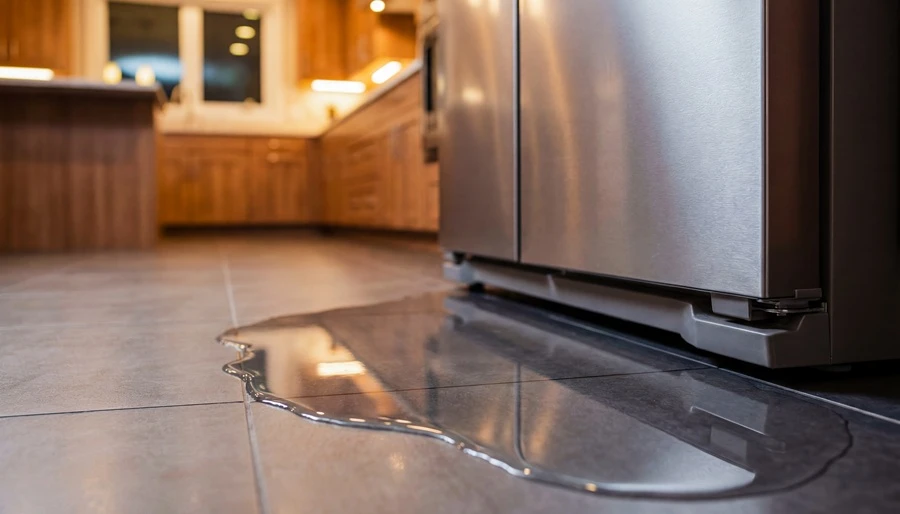
A leaking refrigerator is more than a household inconvenience—it can pose serious safety and health risks. This guide explains why refrigerators leak, the dangers involved, and the essential steps homeowners should take to protect their home, family, and appliance.
A compressor is a mechanical device that increases the pressure of a gas by reducing its volume, essential in various systems including refrigerators, air conditioners, and HVAC units for cooling and refrigeration processes.
A condenser is a component of HVAC and refrigeration systems, responsible for releasing absorbed heat from the refrigerant into the outside air or a water line, thus facilitating the cooling process.
A dual ice maker is a feature in some refrigerators that includes two separate ice makers: one in the fridge compartment and another in the freezer section. This setup doubles the appliance's ice-making capacity.
A French-door refrigerator features two doors that open side-by-side on the top section for the refrigerator compartment, with a bottom freezer drawer, combining style, efficiency, and easy access to both refrigerated and frozen goods.
The most common reasons your LG refrigerator icemaker reset button is not working are a faulty icemaker, a malfunctioning PCB, or a defective water valve.
The most common reasons your Samsung refrigerator is leaking water are a clogged defrost drain, cracked dispenser water tubing or a damaged evaporator.
The most common reasons your Kenmore Elite refrigerator stopped working are a locked compressor, damaged evaporator or a defective electronic control board.
The most common reasons your Maytag refrigerator stopped working are a locked compressor, damaged evaporator or a defective electronic control board.
The most common reasons your Kenmore refrigerator is noisy are a faulty ice maker assembly, defective electronic control board or a locked compressor.
The most common reasons your Kenmore refrigerator fan is not working are a defective electronic control board, damaged evaporator or a locked compressor.