 Appointment Lookup
 213-596-2538

Discover the 3 factors that affect the cost to fix a garbage disposal with Sears Home Services.

Once flood waters have receded, the fate of your appliances hangs in the balance. With insights from Sears Home Experts, you can navigate the daunting task of assessing water damage to washers, dryers, fridges, HVAC systems, and more. From preventive measures before the storm to post-flood cleanup, discover essential tips to guide you through safeguarding and salvaging your appliances for a smoother recovery process.
KEY TAKEAWAYS
How to prevent — and deal with — water damage to your washer, dryer, fridge, HVAC and other appliances.
Hurricanes, tornadoes, thunderstorms, floods — storm season is the time of year when Mother Nature can unleash her fury. As you batten down the hatches, what should you do with your appliances to help minimize damage? And once you’ve made it through the storm safely, it’s time to take stock of the damage. Are your appliances wet or standing in water? Then what? We’ve put together some tips to help homeowner’s navigate their way through their flooded home.
Appliances, electrical equipment, and HVAC (Heating, Ventilation, and Air Conditioning) systems should not be used immediately after a flood due to significant safety and operational concerns. Floodwaters can compromise the electrical components, motors, and internal mechanisms of these systems, leading to potential hazards such as short circuits, electrical fires, and malfunctioning parts. Before considering their use, it is crucial to have a qualified technician thoroughly inspect and assess the extent of water damage. Attempting to use flood-damaged appliances and HVAC systems without proper evaluation can pose serious risks to occupants, property, and further exacerbate the damage.
If the flooding was minimal, it may be possible to salvage some appliances. A qualified technician will be able to determine if the appliance can be safely repaired, and if so, the estimated cost of the repair versus replacement.
When dealing with water-damaged appliances, it is imperative to exercise caution to ensure safety and prevent further damage. If your appliances are still sitting in any water and power to the home is still on, have the utility company turn the power off. Don’t attempt to unplug an appliance that’s still in contact with water. If floodwater submerged electrical outlets, you’ll need to contact an electrician to assess the damage.
Once the water recedes, disconnect the appliances from the power source. To avoid further damaged, don’t try to run the appliance. Consult the manufacturer's guidelines or seek professional assistance from a repair tech to assess the extent of damage and determine if the appliances are salvageable. Prioritizing safety and professional expertise is paramount when addressing water-damaged appliances.
Once it is safe to do so, addressing wet appliances promptly is crucial to ensure sanitation and prevent mold and mildew growth. After your appliances have been disconnected from their power sources, thoroughly dry each appliance using absorbent towels or cloths, paying close attention to crevices and components where moisture can accumulate. Wipe down surfaces with a mixture of mild detergent and water to sanitize and remove any potential contaminants.
Ensure proper ventilation in the area by opening windows and using fans, but remember to avoid turning on the HVAC system until it has been professionally inspected. Running the HVAC system prematurely could inadvertently spread mold spores throughout your home, potentially exacerbating the situation. By following these steps, you're not only safeguarding your appliances but also creating a healthier and mold-resistant environment for your home.
Here are six of your biggest questions, answered.
You know what they say about an ounce of prevention. If a storm is on its way and there is a threat of flooding, it’s a good idea to unplug your fridge, dishwasher, washer and dryer, and cooking appliances. Unplugging them helps you avoid facing a room flooded with electrically charged water if the worst happens. (If you can, unplug your computer and phone, too, to protect them against a power surge.)
No. If appliances are still plugged in and those appliances, electric cords or even outlets are submerged, you have a very dangerous situation on your hands. The electricity can charge the standing water, and you could be electrocuted.
It’s tempting to fire up the washer and dryer after a storm if you have wet clothes, linens or other washables, but don’t do it. Water—even clean water—can damage the inner workings of the appliance, including the motor. Call a qualified service and repair expert to assess the damage.
An appliance technician can tell you for sure if you can repair damaged appliances, but the decision to repair or replace depends on several factors, including the following.
Travis Robertson, quality and process improvement manager for Sears Home Services, offers these guidelines for when to repair and when to replace specific appliances.
Replace motors, electrical components, safety controls and gas valves if needed. Replace wet controls on ranges, ovens and cooktops. In addition, have your service technician check the electrical contacts and connections on your washer and dryer for water damage.
Call in an expert to assess the situation and give you a diagnosis. You’ll likely need to replace—not repair—your home’s HVAC system if it's been damaged by water. Water corrodes, and corrosion can lead to safety reliability problems with your furnace, water heater and AC systems, gas and electric alike.
If you’ve experienced flooding in your home, trust the experts at Sears Home Services to fully assess damage to your appliances and HVAC system. With more than 70 years of experience helping homeowners with their home needs, we can help. Our technicians will thoroughly inspect your appliances and HVAC system to determine the extent of the water damage and advice on the proper course of action. Schedule an appointment today.
From refrigerators to dishwashers, our experienced technicians are equipped to repair all your kitchen appliances, providing fast and reliable service.
Loading scheduler options...
Discover the 3 factors that affect the cost to fix a garbage disposal with Sears Home Services.
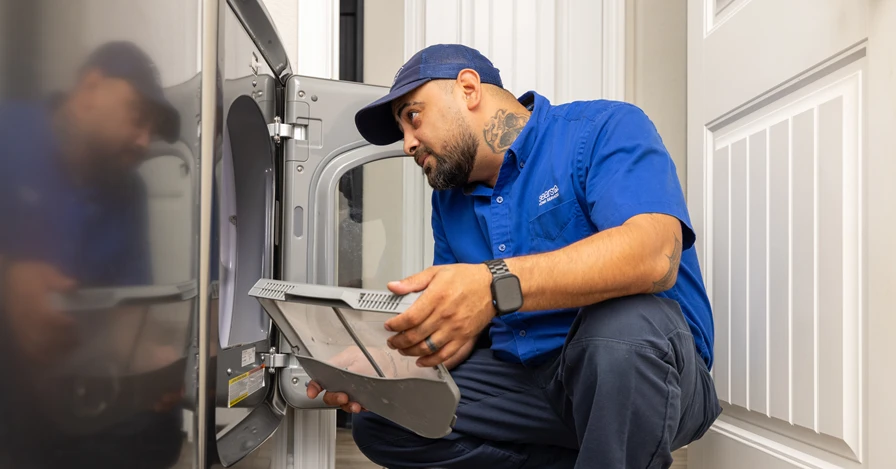
Knowing the potential appliance repair costs can be crucial for yearly planning and budgeting.
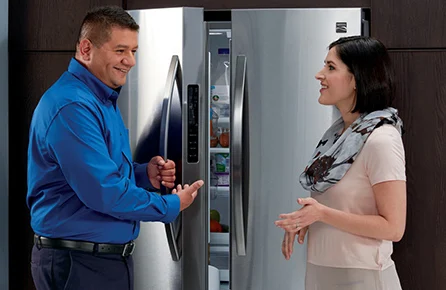
Find out how to get the most out of your appliance repair service appointment with these technician tips from Sears Home Services.

Master garbage disposal repair with our expert tips and step-by-step troubleshooting guide.
ENERGY STAR appliances are energy-efficient products that meet the strict energy efficiency specifications set by the U.S. Environmental Protection Agency or the U.S. Department of Energy. These appliances are designed to use less energy and water, leading to cost savings and a reduced environmental impact.
Wattage is the measure of electrical power expressed in watts (W), indicating the rate at which a device consumes energy.
Natural gas is a fossil fuel used primarily for heating, cooking, and electricity generation. It's a hydrocarbon gas mixture consisting mainly of methane, but it also contains smaller amounts of other hydrocarbons and sometimes sulfur compounds.
A washer screw is a fastening device that combines a screw and a washer, designed to distribute the load of a screwed fastening more evenly and to prevent the screw from loosening under vibration.
When your Payne central air conditioner won’t turn on or isn’t cooling, check for power problems, a failed capacitor, or a clogged condensate drain. This guide covers quick, safe troubleshooting steps and explains when to call Sears Home Services for expert central AC repair.
When your ICP central air conditioner won’t turn on or isn’t cooling, check for power problems, a failed capacitor, or a clogged condensate drain. This guide covers quick, safe troubleshooting steps and explains when to call Sears Home Services for expert central AC repair.
When your Heil central air conditioner won’t turn on or isn’t cooling, check for power problems, a failed capacitor, or a clogged condensate drain. This guide covers quick, safe troubleshooting steps and explains when to call Sears Home Services for expert central AC repair.
When your Carrier central air conditioner won’t turn on or isn’t cooling, check for power problems, a failed capacitor, or a clogged condensate drain. This guide covers quick, safe troubleshooting steps and explains when to call Sears Home Services for expert central AC repair.
When your Comfortmaker central air conditioner won’t turn on or isn’t cooling, check for power problems, a failed capacitor, or a clogged condensate drain. This guide covers quick, safe troubleshooting steps and explains when to call Sears Home Services for expert central AC repair.
When your Ruud central air conditioner won’t turn on or isn’t cooling, check for power problems, a failed capacitor, or a clogged condensate drain. This guide covers quick, safe troubleshooting steps and explains when to call Sears Home Services for expert central AC repair.