 Appointment Lookup
 213-596-2538

When tackling DIY appliance repair, safety should always be your top priority.

In the hustle and bustle of kitchen chores, a garbage disposal simplifies cleaning up after meals by grinding food waste into tiny pieces that are washed away with water. When this handy kitchen helper malfunctions, it can lead to a mess and an unwelcome interruption to your daily routine. Fortunately, with some basic knowledge and a few tools, most issues with garbage disposals can be resolved without needing to call a professional. Understanding how your disposal works will enable you to identify and address common issues effectively.
KEY TAKEAWAYS
Garbage disposals offer a convenient way to manage food waste, keeping sinks clean and reducing the amount of trash headed to the landfill. Positioned under the kitchen sink, this appliance shreds food waste into small pieces, small enough to pass through plumbing. The components, from the electric motor to the drain holes, work together to efficiently break down food waste. Using the disposal correctly will help keep the unit working problem-free.
A garbage disposal is a relatively simple machine. It consists of a motor that powers spinning blades (or impellers) to chop and grind food waste into small particles. Here's a closer look at its operation:
To extend the life of your disposal and prevent issues, follow these best practices:
Most common garbage disposal issues, from electrical malfunctions to mechanical hindrances, can often be diagnosed and resolved with some basic troubleshooting steps. Ensuring the electrical connections are secure is an important first step, as many problems stem from simple issues like unplugged units or tripped breakers. If the disposal won't turn on, the solution may be as straightforward as pressing a reset button or clearing a jam. Even when the disposal hums without grinding, a few simple tools and techniques can usually restore functionality. By systematically addressing these common setbacks, you can often fix your sink disposal without the need for professional assistance.
1. Identifying Electrical Connection Problems: Before attempting any repairs, make sure the problem isn't electrical.
2. Fixing a Garbage Disposal that Won't Turn On: If your disposal won't activate, follow these steps.
3. Resolving a Humming but Non-Turning Disposal: A humming sound indicates that the motor is running but the impellers aren’t moving.
Leaks and slow drainage in garbage disposals are common issues that can lead to bigger problems if not addressed promptly. A failed seal can cause leaks from the top, while internal wear and tear could cause the unit to leak from the bottom. Both scenarios require different approaches—tightening bolts or replacing gaskets for top leaks, and inspecting or potentially replacing the unit for bottom leaks. Slow drainage usually stems from clogs within the disposal or connected piping. Addressing these issues involves methods like using a plunger or cleaning out the trap, which can restore normal function and prevent future blockages. Properly diagnosing and fixing these problems not only prevents water damage but also maintains the efficiency of your kitchen’s waste disposal system.
1. Fixing a Garbage Disposal Leak from the Top: Leaks from the top usually occur due to a poor seal between the sink and the disposal.
2. Resolving a Leak from the Bottom: Leaks from the bottom are often more problematic and may indicate a failed internal seal.
3. Clearing a Slow-Draining Garbage Disposal: A slow drain can be frustrating and is usually caused by clogs or buildup.
By following the steps outlined in this guide, you can effectively diagnose and resolve many of the most common issues that affect garbage disposals. This knowledge not only saves you time but also helps in maintaining the efficiency of your disposal. However, certain problems can be complex, and attempting repairs without the proper expertise may lead to further damage or even personal injury.
If you encounter persistent issues with your garbage disposal or if you're not confident in your ability to safely perform repairs, don't hesitate to seek professional help. Schedule a repair appointment with Sears Home Services to ensure that your disposal is handled by experts. To prevent future problems and extend the life of your disposal, schedule routine maintenance with our skilled technicians. Regular professional servicing can help keep your disposal running smoothly and prevent unexpected breakdowns.
From refrigerators to dishwashers, our experienced technicians are equipped to repair all your kitchen appliances, providing fast and reliable service.
Loading scheduler options...
When tackling DIY appliance repair, safety should always be your top priority.
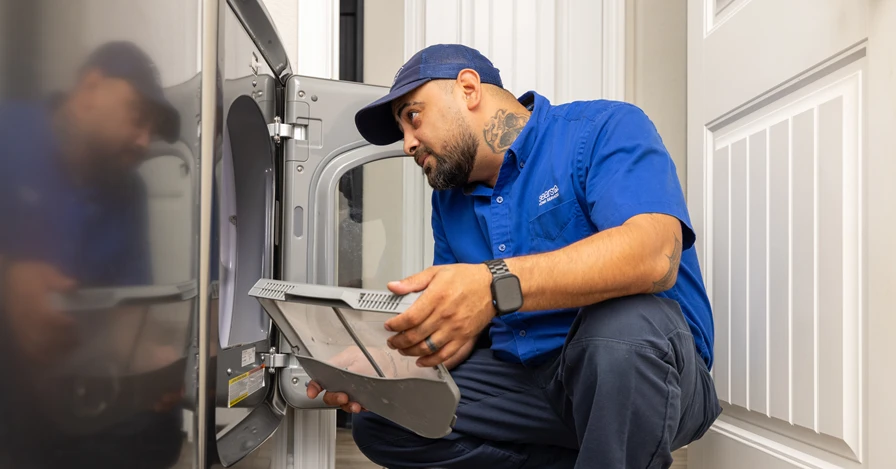
Knowing the potential appliance repair costs can be crucial for yearly planning and budgeting.

Discover the 3 factors that affect the cost to fix a garbage disposal with Sears Home Services.
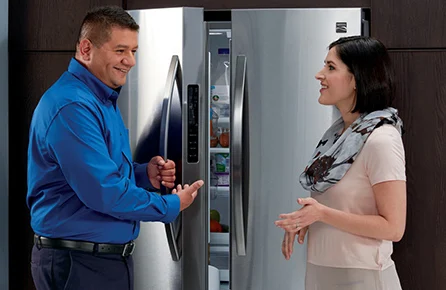
Find out how to get the most out of your appliance repair service appointment with these technician tips from Sears Home Services.
ENERGY STAR appliances are energy-efficient products that meet the strict energy efficiency specifications set by the U.S. Environmental Protection Agency or the U.S. Department of Energy. These appliances are designed to use less energy and water, leading to cost savings and a reduced environmental impact.
Wattage is the measure of electrical power expressed in watts (W), indicating the rate at which a device consumes energy.
Natural gas is a fossil fuel used primarily for heating, cooking, and electricity generation. It's a hydrocarbon gas mixture consisting mainly of methane, but it also contains smaller amounts of other hydrocarbons and sometimes sulfur compounds.
A washer screw is a fastening device that combines a screw and a washer, designed to distribute the load of a screwed fastening more evenly and to prevent the screw from loosening under vibration.
When your Payne central air conditioner won’t turn on or isn’t cooling, check for power problems, a failed capacitor, or a clogged condensate drain. This guide covers quick, safe troubleshooting steps and explains when to call Sears Home Services for expert central AC repair.
When your ICP central air conditioner won’t turn on or isn’t cooling, check for power problems, a failed capacitor, or a clogged condensate drain. This guide covers quick, safe troubleshooting steps and explains when to call Sears Home Services for expert central AC repair.
When your Heil central air conditioner won’t turn on or isn’t cooling, check for power problems, a failed capacitor, or a clogged condensate drain. This guide covers quick, safe troubleshooting steps and explains when to call Sears Home Services for expert central AC repair.
When your Carrier central air conditioner won’t turn on or isn’t cooling, check for power problems, a failed capacitor, or a clogged condensate drain. This guide covers quick, safe troubleshooting steps and explains when to call Sears Home Services for expert central AC repair.
When your Comfortmaker central air conditioner won’t turn on or isn’t cooling, check for power problems, a failed capacitor, or a clogged condensate drain. This guide covers quick, safe troubleshooting steps and explains when to call Sears Home Services for expert central AC repair.
When your Ruud central air conditioner won’t turn on or isn’t cooling, check for power problems, a failed capacitor, or a clogged condensate drain. This guide covers quick, safe troubleshooting steps and explains when to call Sears Home Services for expert central AC repair.