 Appointment Lookup
 213-596-2538
Washer not working? Learn the most common reasons your washing machine won't start, fill, spin, or drain—plus when to DIY and when to call a pro.
What to Do When Your Top-Load Washer is Leaking Water
What to Do If Your Top-Load Washing Machine is Vibrating or Thumping
What to Do If Your Top-Load Washer Doesn’t Fill With Water
What to Do If Your Washer Leaves Detergent Residue On Your Clothes
What to Do If Your Top-Load Washer Won’t Start
What to Do If Your Washer Stops Mid-Cycle
Frequently Asked Questions
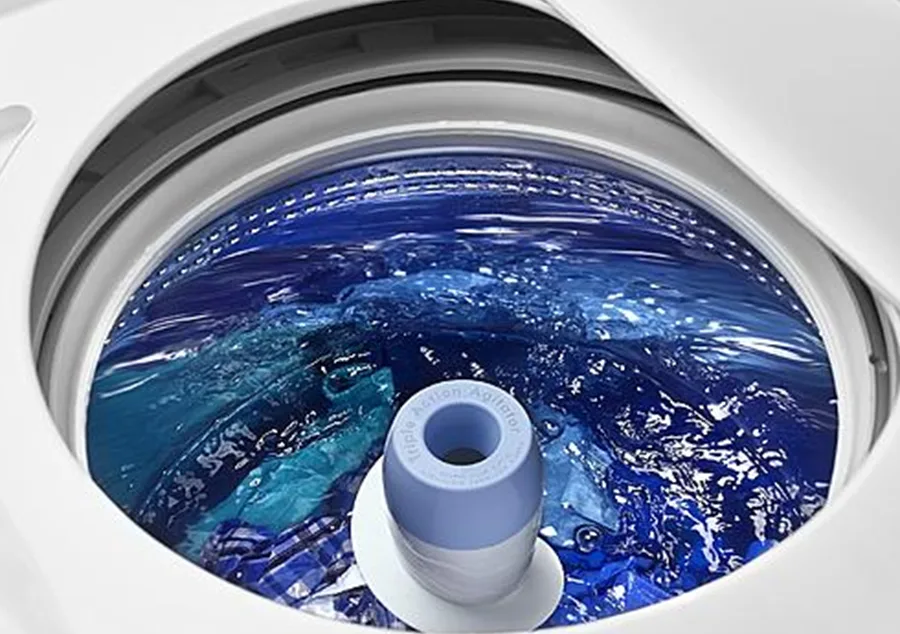
Is your top-loading washer acting up? Discover troubleshooting tips for common issues like water leaks, excessive vibrations, failure to fill with water, detergent residue, and startup problems.
Explore simple solutions before considering a professional repair service.
KEY TAKEAWAYS
Is your washing machine acting up? Our YouTube playlist is loaded with solutions to the most common problems.
In the most popular video series on our YouTube channel, the pros at Sears Home Services share their best washer troubleshooting tips for common problems plaguing top-loading washers.
Oftentimes, there’s a simple fix that you can do yourself that can save you from having to have a washer repair service call.
Here’s a list of our best top-load washer troubleshooting video tips.
The problem:
You notice water on the floor of your laundry room. Answer these questions before scheduling a washer repair service call:
Check the fill hose connections to make sure they’re secure. If they're loose, you may find them leaking. Even a small drip will build up on the laundry room floor quickly and appear as a leak from the bottom of the washer.
Also, check the washer fill faucets for leaks. A bad faucet seal could be causing the leak.
Check the drain hose. Make sure that it's installed according to the guidelines in the owner's manual or installation guide.
Also, check the standpipe for a clog. Use a plumber's snake to remove a clog if water won't drain properly through the standpipe.
It might not be a leak at all. You could have a simple case of “Bobby Brady Syndrome” — adding too much detergent, creating a sudsy mess. Make sure you’re using the proper amount of detergent to prevent excessive suds that can overflow the tub and appear as a leak.
If those things check out and you’ve still got water leaking when the machine isn’t running, turn off the water and call the pros at Sears Home Services to fix your washer.
When your washing machine is making loud vibrating or banging noises in the spin cycle, here’s what may silence it:
Overloading can lead to an unbalanced load. Unbalanced loads can cause vibration or thumping. Stop the washer and evenly distribute the load inside the tub — it might be as simple as that.
Follow the guidelines in your owner's manual to prevent overloading the washer.
Are all four feet of your washer on the floor? Are the legs properly installed? If they are, see if your dryer is making the same sort of noise. If it is, your floor could very well be the issue.
If your laundry room floor is unstable, try this: Place a piece of ¾-inch plywood underneath both the washer and dryer to create a level surface.
If your top-load direct-drive washer won’t fill with water, several components could be to blame. For example, the washer could have a malfunctioning water inlet valve or water level pressure switch, or it could be the timer or temperature switches.
This video from Sears PartsDirect shows how to troubleshoot problems with your washer, including checking for continuity with a multimeter to find out which part needs to be replaced so that you can get your washer working again.
Having to rewash clothes is a big hassle — not to mention a water and energy waster. If your washer is leaving traces of detergent behind, ask yourself:
Always use it when adding detergent. If your machine doesn’t have one built in, add the measured amount of detergent before adding the laundry load.
If you can’t remember the last time you bought detergent, toss the box and get a new one.
We know how tempting this can be. But detergent can get trapped between tightly packed loads, and if there’s not enough water, the detergent might not dissolve completely.
If you’re doing a dark load and the water is very cold, powder detergents may not dissolve. That’s also the case if you’re running gentle or delicate cycles. Use liquid for these loads.
Don’t panic. It might not be as serious as it looks. Here are some things to try:
Four words you never want to hear from a service tech: “It wasn’t plugged in.” Before you do anything else, check to make sure the power cord is still plugged into a grounded outlet. If it is, see if the outlet itself is working by plugging in another electronic device like a hairdryer or a lamp. If that works, the outlet’s functioning. If it doesn’t, check your fuse box or circuit breaker. Still nothing? If the outlet has a reset button, press that bad boy and hope your washer springs to life.
We hate to even suggest that you didn’t press power — ’cause how embarrassing would that be?
Some washers have a delay feature. You may have pressed that button inadvertently. Press stop twice to cancel any delay.
Again, some washers won’t function if the lid isn’t tightly closed. A problem with the lid lock can also cause the washer to stop.
If so, you’re getting less voltage to the washer and it can run hot as a result. If that happens, it’ll shut down mid-cycle. Stop using the extension cord.
If you’ve tried these washing machine troubleshooting tips and your top-load washer still won’t run properly, it might be time to reach out for professional help. A quick diagnostic can reveal hidden issues like worn-out belts or motor problems.
For dependable support and a fast fix, consider our machine washer repair experts who can get your laundry routine back on track.
With years of experience, our technicians possess the skills to repair your washer, regardless of the issue.
Loading scheduler options...
Washer not working? Learn the most common reasons your washing machine won't start, fill, spin, or drain—plus when to DIY and when to call a pro.
Learn how to repair a Kenmore washer with step-by-step fixes for common issues like leaks, no spin, and error codes. DIY tips plus when to call a pro.

Overloading your washing machine can lead to various issues, including premature wear and tear on vital components such as drive parts, seals, and bearings.
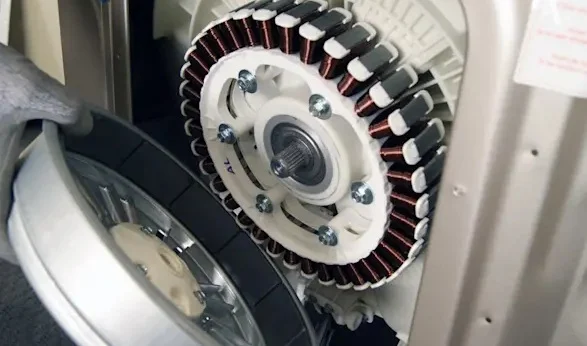
Kenmore washer showing LE? Discover what this motor error means, common causes, DIY fixes, and when to call for professional repair.
The drum is the core part of the washer that holds your laundry and enables the cleaning process through rotation, agitation, and rinsing.
Hard water is water that contains high levels of dissolved minerals, particularly calcium and magnesium. It contrasts with soft water, which has lower concentrations of these minerals.
A washing machine pedestal is a platform that raises the washer off the ground, providing easier access to the appliances and often includes additional storage space such as drawers.
A washer tub is the interior part of a washing machine where clothes are placed for washing, typically made of stainless steel, plastic, or porcelain-coated metal, designed to hold water and withstand the agitation or spinning during the wash cycle.
The most common reasons your LG washer is leaking from bottom are a clogged water valve assembly, broken motor or a cracked drain hose.
The most common reasons your GE washer won't start cycle are a malfunctioning electronic control board, jammed door lock assembly or a faulty user interface.
The most common reasons your Whirlpool washer is not rinsing are a faulty lid switch, a bad water-level pressure switch, or a defective timer.
The most common reasons your GE washer is not filling are a clogged water valve assembly, malfunctioning electronic control board or a bad water level pressure switch.
The most common reasons your Samsung washer top load is not filling with water are a clogged water valve, a malfunctioning PCB, or a cracked hose.
The most common reasons your Samsung washer is noisy are a damaged suspension rod, malfunctioning electronic control board or a broken motor.