 Appointment Lookup
 213-596-2538
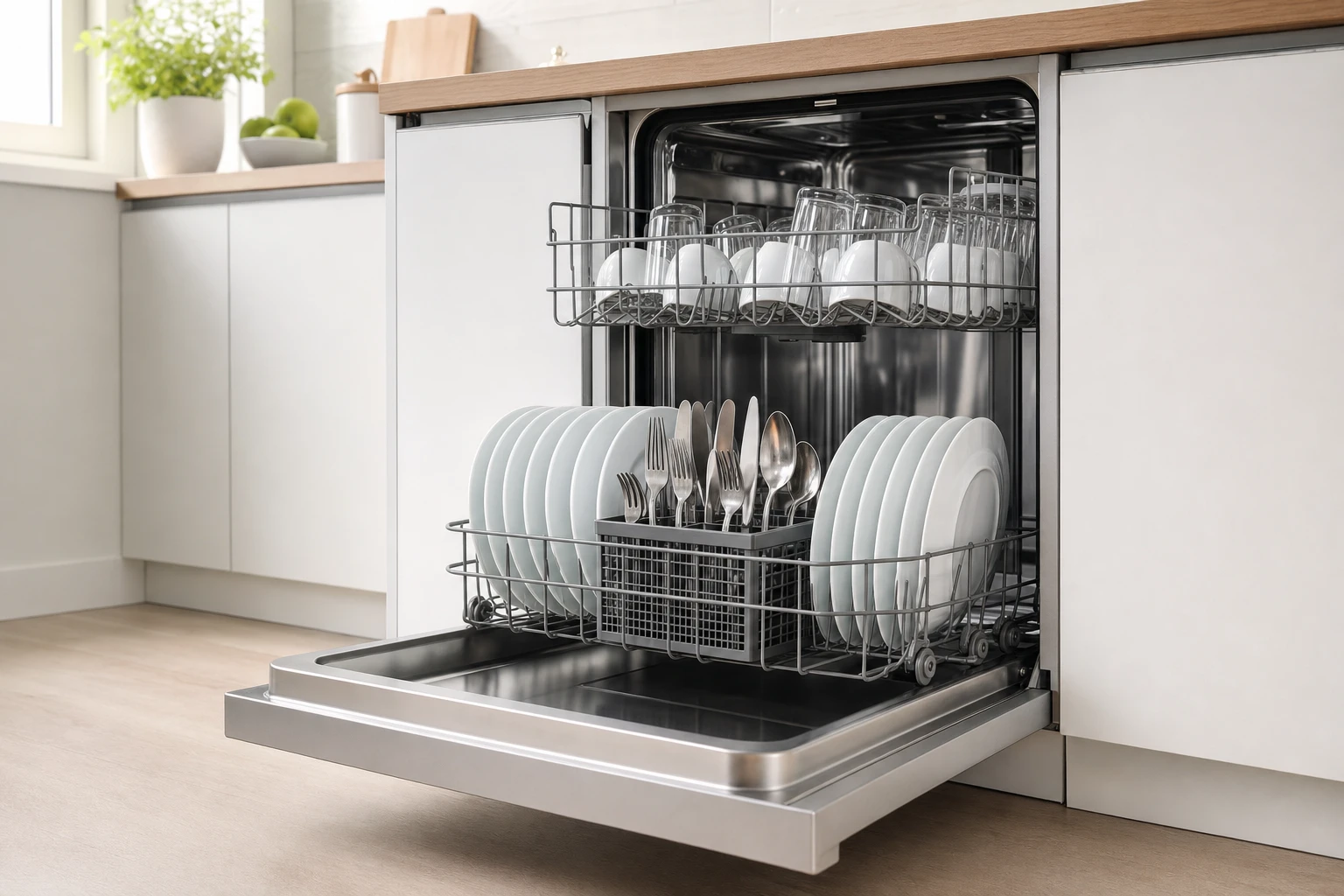
Learn what a dishwasher turbidity sensor is, how it measures water clarity to adjust cycles, and what to do when it fails. Expert repair help from Sears.

Encountering dishwasher dilemmas like dishes refusing to dry or stubborn food residue can turn kitchen cleanup into a headache. Fear not, as we delve into the top five most common issues faced by dishwasher owners and provide expert solutions to get your appliance back on track.
KEY TAKEAWAYS
Are your dishes not drying? Is there food left on them after a wash? Sick of spots on your glassware? Here are the most common dishwasher issues our technicians see — and how to fix them.
Yikes! You ran the dishwasher to prep for your big dinner party, but it refused to cooperate.
If your dishes aren’t drying or you’ve got white spots on your glassware, you’re not alone. Those are just a couple of the most common things that can go wrong with your appliance — and the experts at Sears have seen it all. In fact, our technicians repair more than half a million dishwashers each year!
Here are the five most common problems with dishwashers (and how to fix them).
Likely Culprit: Not using rinse aid.
Dishwashers are designed with the expectation that rinse aid will be used in every cycle. It's not just an optional add-on but a fundamental component for achieving perfectly dry, spotless dishes. Rinse aid works by effectively reducing the surface tension of water, which is a game-changer for both drying efficiency and the aesthetic quality of your dishes post-wash.
Despite advancements in dishwasher detergent formulas, including tablets and packs that claim to include rinse aid, the effectiveness of a dedicated rinse aid compartment remains superior. This dedicated rinse aid dispenser releases the liquid at the optimal moment during the cycle, ensuring the best possible distribution and effectiveness.
Many high-efficiency dishwashers and those with eco-friendly cycles operate at lower temperatures, which can challenge the drying process. In these instances, the role of rinse aid becomes even more pivotal. By promoting rapid water runoff, it compensates for the lower heat, aiding the drying process without leaving residues.
If you have hard water, the use of rinse aid is even more crucial. Hard water can leave mineral deposits on dishes; rinse aid helps in minimizing these marks by ensuring that water droplets do not dry on the dishes.
Incorporating rinse aid into your dishwashing routine is not merely a recommendation but a necessity for optimally dry, spot-free dishes. Remember to check and refill your dishwasher's rinse aid dispenser regularly to maintain the highest level of performance from your appliance.
Likely Culprit: New disposal installed and drain plug not removed.
It’s common in a new installation of a garbage disposal to keep the knockout plug in place. For many dishwashers, the drain hose connects to the garbage disposal, so the knockout plug must be removed for the dishwasher to drain.
Contact a licensed plumber to correct the issue with the knockout plug. After removing the knockout plug, make sure the drain hose is connected securely back to the disposal connection.
If the disposal was professionally installed, contact the installer to correct the draining issue
Likely Culprit: Hard water conditions and not using a rinse aid.
White film (hard water) is caused by high levels of minerals such as calcium and magnesium. People who live in areas that have hard water often struggle with white film on their dishes, glasses and the interior tub of the dishwasher.
There are extreme cases where the rinse agent and soap aren’t able to soften the water enough in hard water areas to achieve desired cleaning results. In these cases, a dish detergent booster such as Lemi Shine has been known to drastically improve cleaning results.
Likely Culprit: Low water temp and new efficient design.
Long cycle times can be caused by:
If the water temperature is under 120ºF, have a qualified person raise the water heater thermostat setting.
Likely Culprit: Need to clean filter.
Most dishwasher models today have a removable filter. Check your owner’s manual for the location and cleaning instructions for your model.
If the filter is clogged or dirty, it may result in food particles on dishes and affect overall cleaning performance.
The filter needs to be cleaned when:
Caution: There may be sharp objects such as broken glass in this area.
Addressing common dishwasher problems effectively can enhance performance and extend its lifespan. Regular maintenance is key to preventing these issues from turning into costly repairs. Don't let dishwasher dilemmas disrupt your daily routine. If you're experiencing persistent problems or simply want to ensure your dishwasher operates at its best, schedule maintenance service with Sears Home Services today. Our expert technicians are equipped to diagnose, solve, and prevent a wide range of dishwasher issues, ensuring smooth and efficient operation.
With extensive experience, our technicians are skilled in repairing dishwashers of all makes and models, ensuring sparkling clean dishes with every cycle.
Loading scheduler options...
Learn what a dishwasher turbidity sensor is, how it measures water clarity to adjust cycles, and what to do when it fails. Expert repair help from Sears.
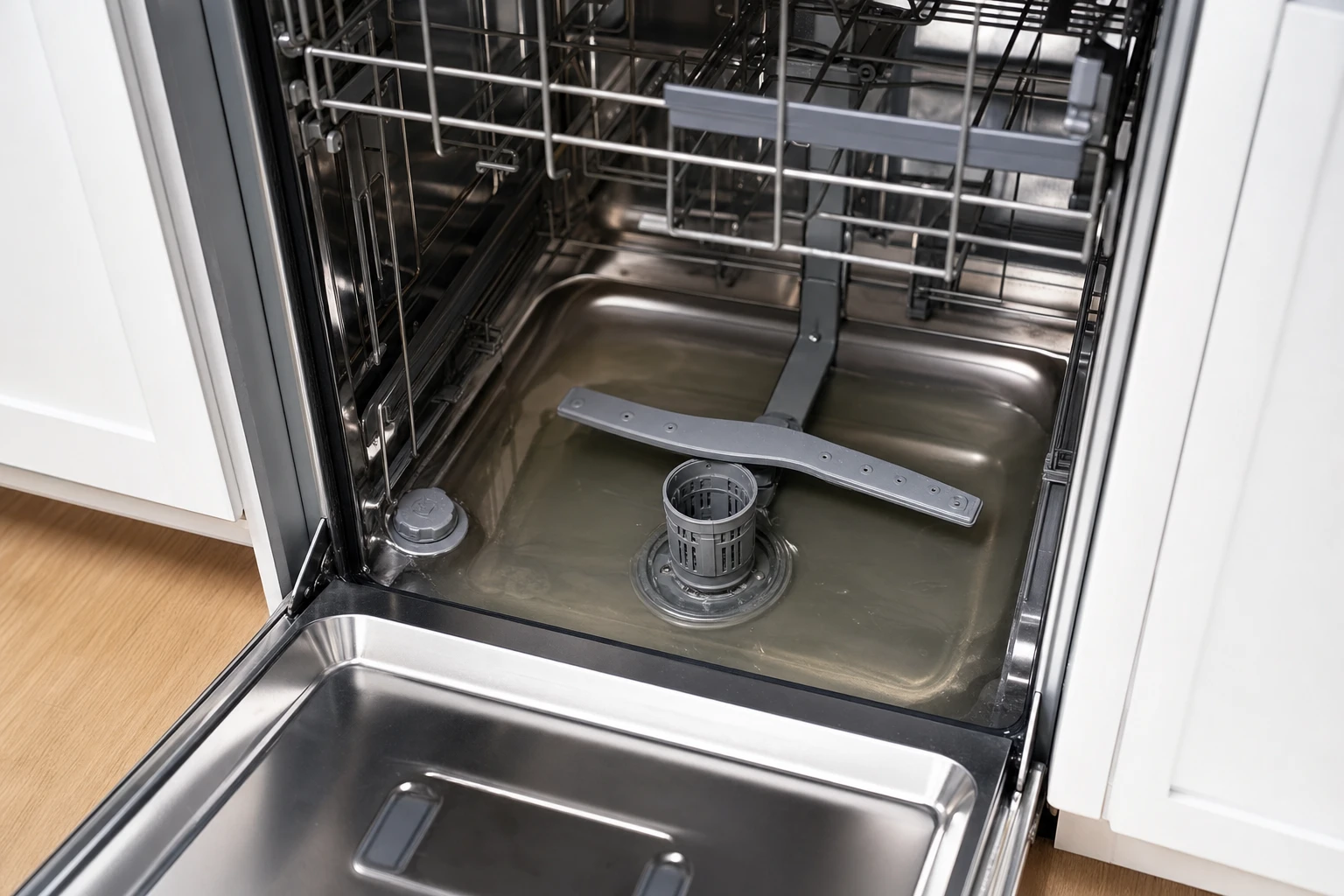
Learn how to drain a dishwasher with standing water in 6 easy steps. Fix clogs, clean the filter, and know when to call a pro for expert repair.
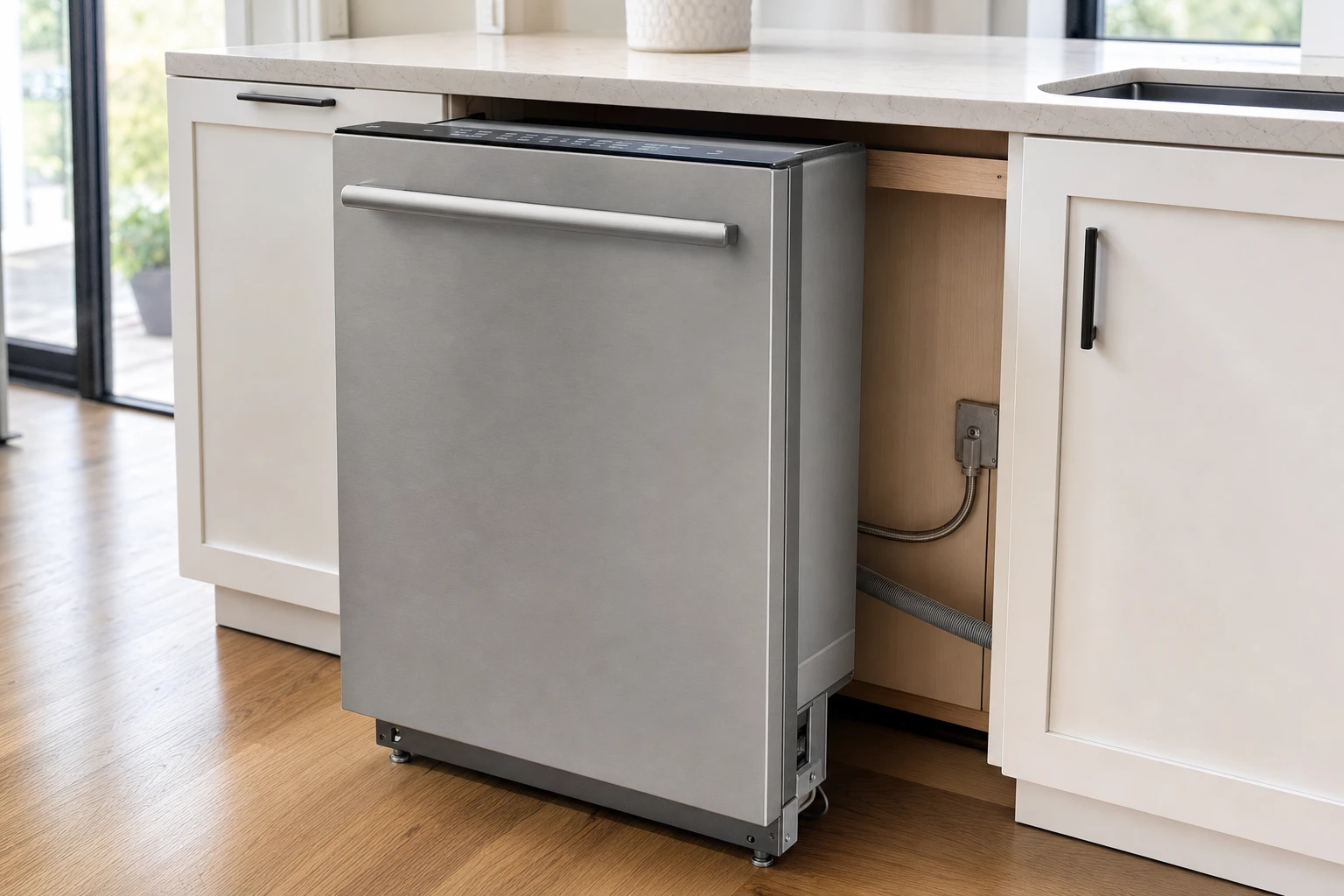
Learn how to replace a dishwasher safely in 2026. Step-by-step removal, hookup, and install tips—plus when to call a manufacturer-trained technician.

Find out why your dishwasher is stopping mid-cycle and how to fix common problems that cause this symptom.
A dishwasher basket is a removable container designed to securely hold small items like cutlery and utensils during the wash cycle, ensuring efficient cleaning without loss or damage.
A dishwasher end panel is a finishing piece installed on the exposed side of a dishwasher, primarily when it is at the end of kitchen cabinetry, to ensure a seamless and aesthetically pleasing look in the kitchen.
A dishwasher diverter motor controls the direction of water flow to different spray arms within the dishwasher, ensuring optimal water distribution during each wash cycle for thorough cleaning.
A dishwasher drawer is a compact, space-saving kitchen appliance designed to clean dishes efficiently, resembling a standard kitchen drawer that slides out for easy loading and unloading.
The most common reasons your Frigidaire dishwasher won't start a cycle are a defective electronic control board, damaged power supply board or a failed door switch.
The most common reasons your Amana dishwasher won't drain are a failed drain pump, faulty pump and motor assembly or a cracked drain hose.
The most common reasons your Bosch dishwasher has no heat are a defective electronic control board, clogged water valve or a broken detergent dispenser.
The most common reasons your Electrolux dishwasher is not heating are a defective electronic control board, faulty pump and motor assembly or a damaged user interface control.
The most common reasons your Kenmore dishwasher is not washing are a faulty pump and motor assembly, defective electronic control board or a clogged spray arm.
The most common reasons your Kenmore Elite dishwasher is not washing are a faulty pump and motor assembly, defective electronic control board or a clogged spray arm.