 Appointment Lookup
 213-596-2538
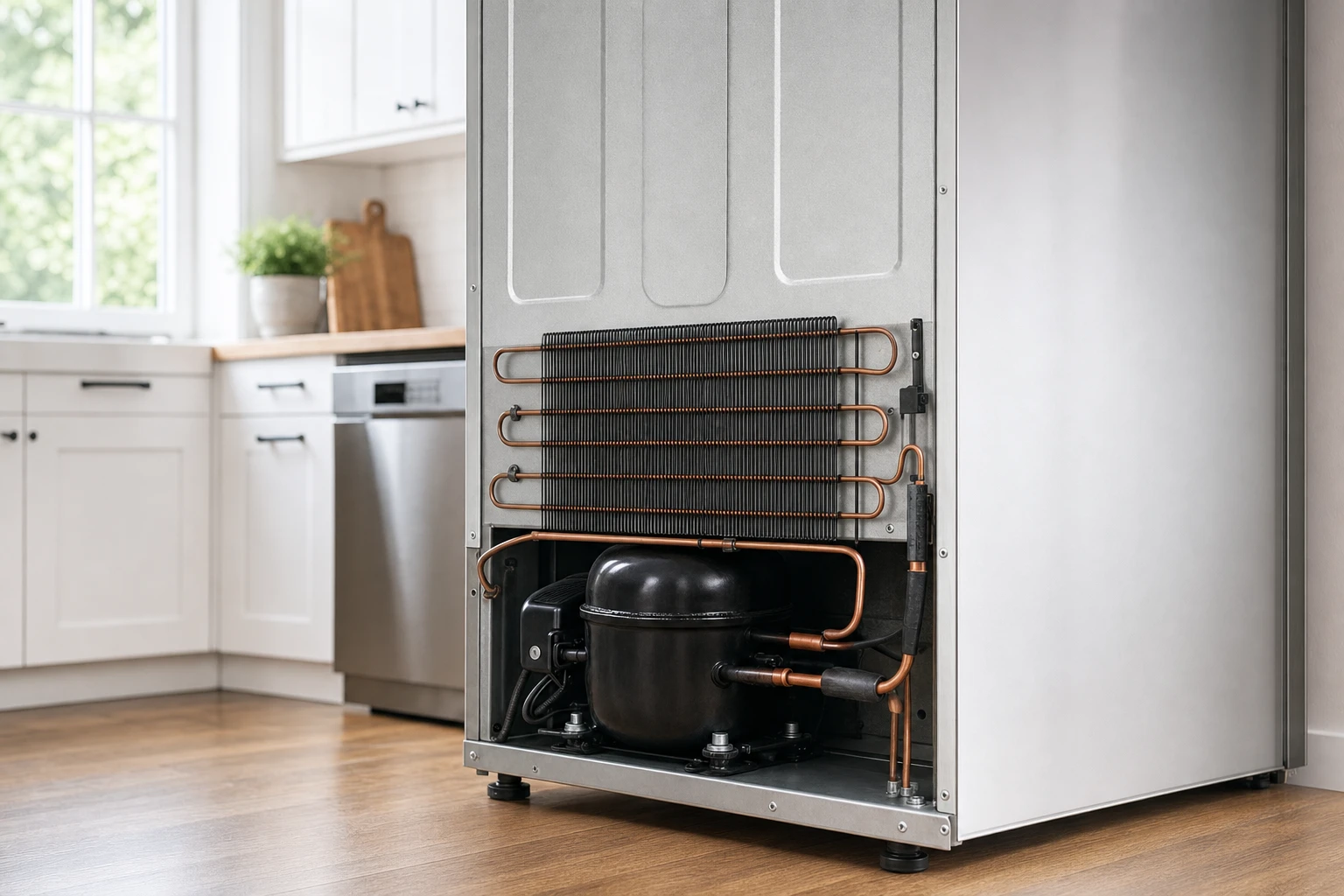
Learn what a freezer compressor is, how it works, signs it's failing, and when to repair or replace. Expert guide from Sears Home Services.

A refrigerator water dispenser is one of the most convenient features in modern kitchens. It’s frustrating when you press the lever, only to find no water flowing.
Before calling a repair technician, you can sometimes troubleshoot and resolve the issue yourself.
Here's a detailed guide to fixing a refrigerator water dispenser that isn’t working.
KEY TAKEAWAYS

Check to see if the child lock feature on the dispenser is turned on. If it is, the water and ice dispenser won’t work.
Turn the child lock feature off if you find it enabled. For most fridges, you’ll need to press and hold the dispenser button marked with the lock icon label for 5 seconds.
After turning off the child lock, the water dispenser (and ice dispenser) should work again.

In the back of some refrigerator compartments, behind the crisper drawers, you’ll find a water reservoir or coiled up section of water tubing that cools down water for the water dispenser.
A frozen line or frozen reservoir can prevent the water dispenser from getting water. Check for a frozen water line or reservoir and thaw the freeze using a hair dryer on a low heat setting.
This tactic may fix the water dispenser.
Check to see if the ice maker is getting water. Empty the ice bin into a container and store that ice in the freezer. Once the ice maker cycles a dumps a batch of ice, see if the ice mold is filled with water to make a new batch of ice or see if the ice maker dumps a second batch of ice.
If the ice maker is getting water and making ice, then you know that the water supply going to the refrigerator is okay.
If the ice maker isn’t getting water, replace the water filter if you haven’t replaced it within the last 6 months. This may restore the water supply.
If the water filter isn’t the problem, check the water supply going to the fridge using this procedure:
If water doesn’t flow from the end of the water line, have a plumber fix the water supply going to the refrigerator.
If water flows from the end of the water supply line, then you know that the house water supply for the refrigerator is okay.

If the water supply going to the refrigerator is okay, then unplug the fridge and check the wire harness connection on the inlet water valve.
Reconnect the inlet water valve wires if you find them loose or disconnected.
If the wire harness connection is okay, then a bad water inlet valve could be preventing the water dispenser and ice maker from getting water. Other failures such as a damaged internal wire or bad control component could keep the water inlet valve from working.
Schedule refrigerator repair service to have a technician check the water valve circuit. The tech will need to conduct a live voltage check to see if the valve is getting voltage when you press the dispenser lever. If the valve is getting voltage but not opening to supply water to the water dispenser and ice maker, then the technician will replace the water inlet valve.
If you suspect that the water valve is defective and you want to replace it yourself without further diagnosis, follow the steps in this video to install a new water inlet valve:
Replacing the inlet water valve without a full diagnosis of the problem is a risk but it may fix the water dispenser failure.

A failed micro-switch or bad dispenser control board can prevent the water dispenser working.
When the troubleshooting steps outlined above don’t help you fix a water dispenser failure, schedule refrigerator repair service to inspect the dispenser components and find the cause of the failure.
A service technician will check to see if the valve is getting electrical current when actuated. If the valve coil is getting current but doesn’t open, the technician will replace the water valve. This type of live voltage check isn’t safe for DIY’ers. To check the water inlet valve on your own, unplug the refrigerator and check the resistance through the water valve solenoid coil using a multimeter. The meter should typically measure 200 to 500 ohms of resistance if it’s good. If the meter measures infinite resistance, replace the water valve because it is bad.
If you can replace the water inlet valve yourself, then all that you’ll spend is the price of the replacement part – typically between $20 and $100. If you need to have a service technician replace the valve, that repair will typically cost you between $150 and $300.
Refrigerator water valves typically last 15 to 20 years but a failure in this type of device can occur at any time.
Knowing about the different types of failures that can prevent your refrigerator water dispenser from working will help you determine the right corrective action to take.
Although you can fix some fridge water dispenser issues on your own, more complicated failures will require a visit from a technician.
When you need a technician to fix your refrigerator water dispenser, trust Sears Home Services to get the job done. We have experienced technicians that will get your dispenser fixed quickly and reliably.
Backed by years of experience, our technicians possess the skills necessary to fix your refrigerator. And because our techs our local, they can fix it for you fast.
Loading scheduler options...
Learn what a freezer compressor is, how it works, signs it's failing, and when to repair or replace. Expert guide from Sears Home Services.

Discover the top 11 reasons why your refrigerator is not cooling. Get expert tips and solutions from Sears Home Services.
Discover the most common problems with Samsung refrigerators, including cooling issues, total cooling failure, and ice maker malfunctions. Learn how to troubleshoot these issues and find reliable repair solutions with Sears Home Services.
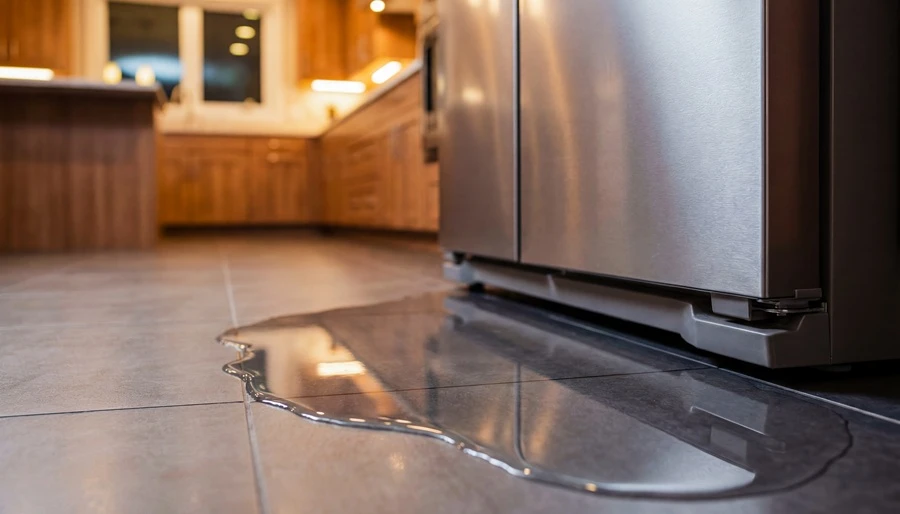
A leaking refrigerator is more than a household inconvenience—it can pose serious safety and health risks. This guide explains why refrigerators leak, the dangers involved, and the essential steps homeowners should take to protect their home, family, and appliance.
A compressor is a mechanical device that increases the pressure of a gas by reducing its volume, essential in various systems including refrigerators, air conditioners, and HVAC units for cooling and refrigeration processes.
A condenser is a component of HVAC and refrigeration systems, responsible for releasing absorbed heat from the refrigerant into the outside air or a water line, thus facilitating the cooling process.
A dual ice maker is a feature in some refrigerators that includes two separate ice makers: one in the fridge compartment and another in the freezer section. This setup doubles the appliance's ice-making capacity.
A French-door refrigerator features two doors that open side-by-side on the top section for the refrigerator compartment, with a bottom freezer drawer, combining style, efficiency, and easy access to both refrigerated and frozen goods.
The most common reasons your LG refrigerator icemaker reset button is not working are a faulty icemaker, a malfunctioning PCB, or a defective water valve.
The most common reasons your Samsung refrigerator is leaking water are a clogged defrost drain, cracked dispenser water tubing or a damaged evaporator.
The most common reasons your Kenmore Elite refrigerator stopped working are a locked compressor, damaged evaporator or a defective electronic control board.
The most common reasons your Maytag refrigerator stopped working are a locked compressor, damaged evaporator or a defective electronic control board.
The most common reasons your Kenmore refrigerator is noisy are a faulty ice maker assembly, defective electronic control board or a locked compressor.
The most common reasons your Kenmore refrigerator fan is not working are a defective electronic control board, damaged evaporator or a locked compressor.