 Appointment Lookup
 213-596-2538
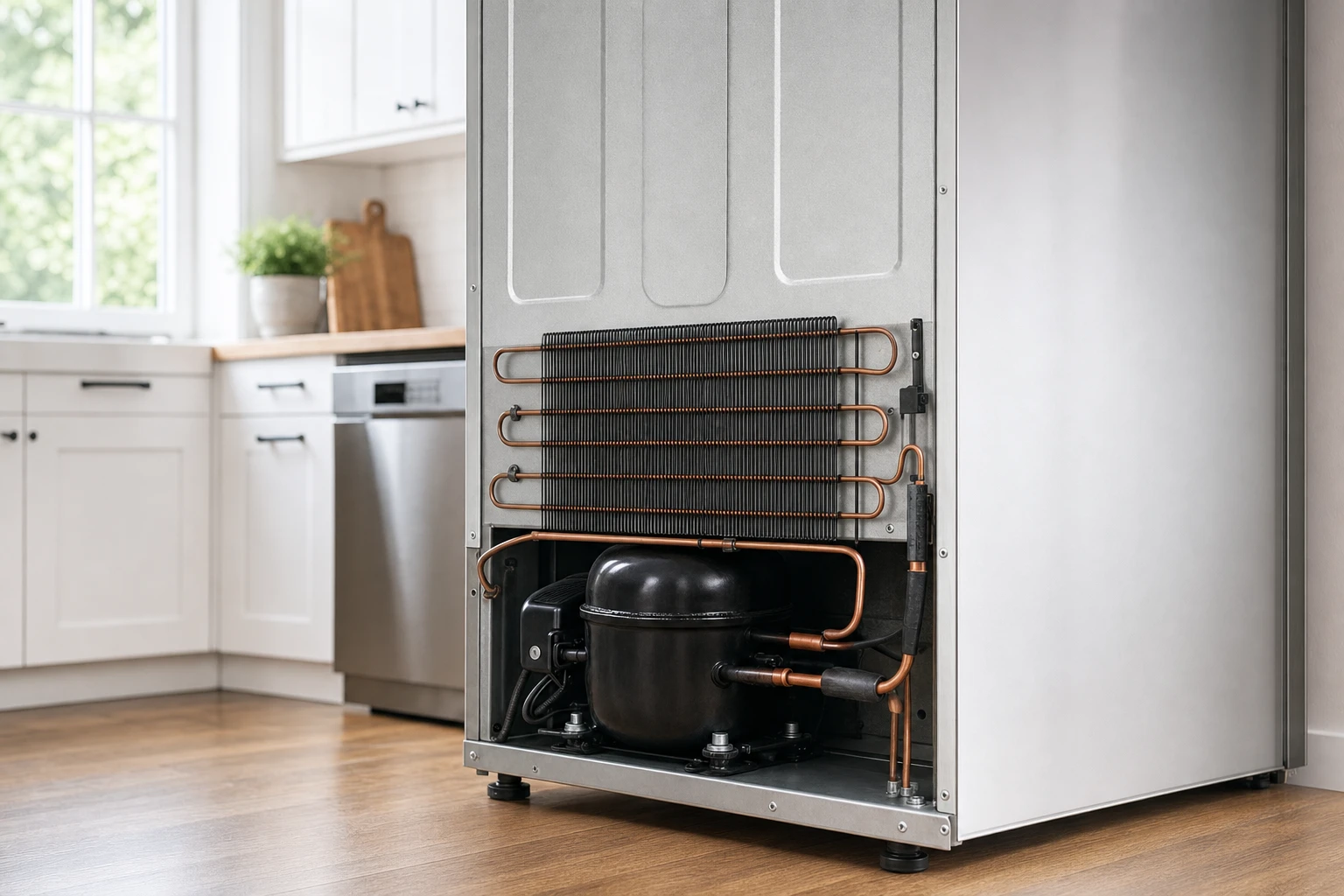
Learn what a freezer compressor is, how it works, signs it's failing, and when to repair or replace. Expert guide from Sears Home Services.

A puddle of water inside your refrigerator can be frustrating and alarming.
Fortunately, identifying the cause and fixing the problem is often straightforward.
In this guide, we’ll walk through the most common reasons for water leaks inside your fridge and provide clear solutions to get your appliance back in working order.
KEY TAKEAWAYS
The defrost drain removes water created during the automatic defrost cycle.
Water drips down into the defrost drain tray under the evaporator and then the defrost drain tube carries the water down to the defrost drain pan at the bottom of the refrigerator in the machine compartment. In between automatic defrost cycles, the water in the defrost drain pan evaporates away.
If the defrost drain tube gets clogged or frozen, water overflows the evaporator defrost drain tray and drips inside the fridge or the freezer compartment.
In a top-freezer refrigerator, the leaking water typically winds up at the bottom of the refrigerator compartment under the crisper drawers.

Follow this procedure to clear a clogged or frozen defrost drain:
If the evaporator drain tray and defrost drain tube keeps freezing up and overflowing, schedule refrigerator repair service to have a technician diagnose and repair the problem. The tech may need to install a defrost drain tube heater to prevent water from freezing in that area.
The drain pan at the bottom of the refrigerator in the machine compartment collects water from the evaporator drain pan under evaporator. The defrost drain tube carries the water from the evaporator defrost drain pan to the defrost drain pan.
In between defrost cycles, water in the defrost drain pan should evaporate according to refrigerator design.
If the drain pan cracks, it will leak water onto the floor that will seep out under the refrigerator.
Excessive frost caused by air leaking into the fridge through a bad door seal or other reasons can cause the defrost drain pan to overflow.
Unplug the refrigerator and remove the machine compartment cover. Examine the defrost drain pan and replace it if it’s cracked or damaged.
If the defrost drain pan is full and overflowing, empty the water out of the pan. Replace the refrigerator door seals or fix the cause of warm, moist air leaking into the refrigerator and causing excessive frost.
Here’s a DIY video that shows how to replace the refrigerator door seal on a common type of fridge:
Have a service technician replace the door seal or address the leaking problem if you’re unable to address the issue on your own.
High humidity or frequent door openings can also cause excessive frost leading to an overflowing defrost drain pan. Minimize refrigerator door openings and consider moving the refrigerator indoors if you’re using in a garage or a space that isn’t climate-controlled.
Water dripping from the water dispenser in the door of the fridge is often caused by air trapped in the water dispenser supply line.
The water dispenser will also drip water if the inlet water valve doesn’t shut properly.
A loose or damaged water line can cause also cause a leak.
To prevent water from dripping from the water dispenser in the door, purge a gallon of water as constantly as possible through the water dispenser immediately after installing a new water filter.
Replace the inlet water valve if it isn’t closing properly and causing water to leak from the dispenser and ice maker.
Inspect the dispenser water supply line for kinks, cracks, or loose connections. Tighten any loose water line connections and replace any sections of water line or fittings that leak.
Have a service technician find and fix the leak if you’re unable to resolve the problem on your own.
An ice cube or ice chips stuck in the ice door or in the ice dispenser chute can prevent the ice door from fully closing. Ice cubes or chips in that area will melt and drip out of the ice dispenser chute.
A loose or damaged ice door can cause also cause water to drip from the ice dispenser.
Open the door and check the ice dispenser chute for cubes or ice chips. Clear out the ice chute if find stuck cubes or ice chips.
If the ice door is damaged or broken, replace it.
Schedule refrigerator repair service to have a technician replace that part if you’re not completely confident that you safely replace it on your own.
Water can overflow the ice mold in the ice maker if the inlet water valve doesn’t shut off properly. A cracked ice mold or a defective ice maker module can also cause water to leak from the ice maker.
Unplug the refrigerator and check the ice maker mold for a crack or damage. Replace the ice maker module if its ice mold is cracked or damaged.
If water constantly trickles into the ice maker, you’ll likely need to replace the inlet water valve. Here’s a video that show how to complete that repair on a common type of refrigerator:
If these tips don’t help, have a service technician examine the ice maker and replace it if necessary.
Regularly check the refrigerator and freezer door gaskets. Replace the door gaskets when you notice that they’re worn or damaged.
Be sure that you purge a gallon of water through the water dispenser immediately after replacing the water filter to avoid air in the water dispenser supply line from causing drips.
Schedule professional refrigerator maintenance and cleaning service yearly to keep your fridge in top shape and help prevent leaks. Annual maintenance checks will also help keep your refrigerator lasting longer.
Water leaking from your fridge doesn’t have to turn into a major problem.
With a little troubleshooting and maintenance, you can keep your refrigerator running efficiently and avoid future issues.
Backed by years of experience, our technicians possess the skills necessary to fix your refrigerator. And because our techs our local, they can fix it for you fast.
Loading scheduler options...
Learn what a freezer compressor is, how it works, signs it's failing, and when to repair or replace. Expert guide from Sears Home Services.

Discover the top 11 reasons why your refrigerator is not cooling. Get expert tips and solutions from Sears Home Services.
Discover the most common problems with Samsung refrigerators, including cooling issues, total cooling failure, and ice maker malfunctions. Learn how to troubleshoot these issues and find reliable repair solutions with Sears Home Services.
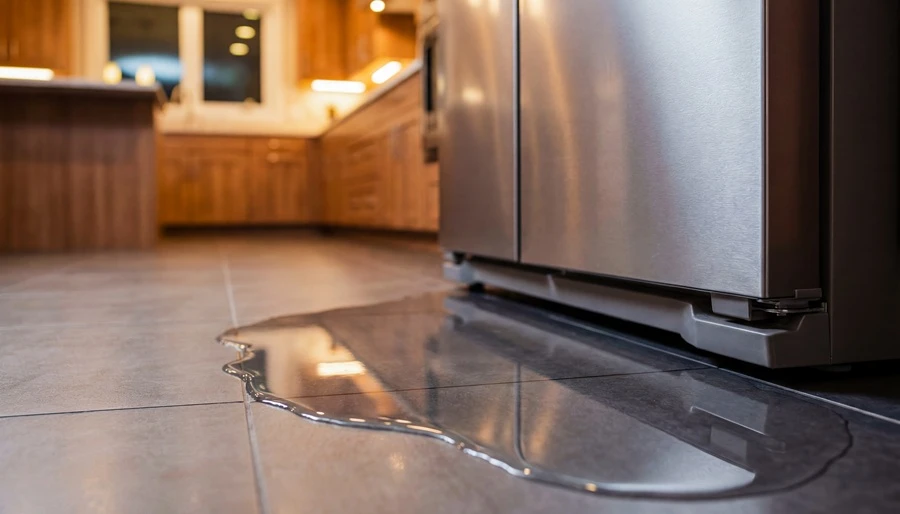
A leaking refrigerator is more than a household inconvenience—it can pose serious safety and health risks. This guide explains why refrigerators leak, the dangers involved, and the essential steps homeowners should take to protect their home, family, and appliance.
A compressor is a mechanical device that increases the pressure of a gas by reducing its volume, essential in various systems including refrigerators, air conditioners, and HVAC units for cooling and refrigeration processes.
A condenser is a component of HVAC and refrigeration systems, responsible for releasing absorbed heat from the refrigerant into the outside air or a water line, thus facilitating the cooling process.
A dual ice maker is a feature in some refrigerators that includes two separate ice makers: one in the fridge compartment and another in the freezer section. This setup doubles the appliance's ice-making capacity.
A French-door refrigerator features two doors that open side-by-side on the top section for the refrigerator compartment, with a bottom freezer drawer, combining style, efficiency, and easy access to both refrigerated and frozen goods.
The most common reasons your LG refrigerator icemaker reset button is not working are a faulty icemaker, a malfunctioning PCB, or a defective water valve.
The most common reasons your Samsung refrigerator is leaking water are a clogged defrost drain, cracked dispenser water tubing or a damaged evaporator.
The most common reasons your Kenmore Elite refrigerator stopped working are a locked compressor, damaged evaporator or a defective electronic control board.
The most common reasons your Maytag refrigerator stopped working are a locked compressor, damaged evaporator or a defective electronic control board.
The most common reasons your Kenmore refrigerator is noisy are a faulty ice maker assembly, defective electronic control board or a locked compressor.
The most common reasons your Kenmore refrigerator fan is not working are a defective electronic control board, damaged evaporator or a locked compressor.