 Appointment Lookup
 213-596-2538
Learn what a dishwasher turbidity sensor is, how it measures water clarity to adjust cycles, and what to do when it fails. Expert repair help from Sears.
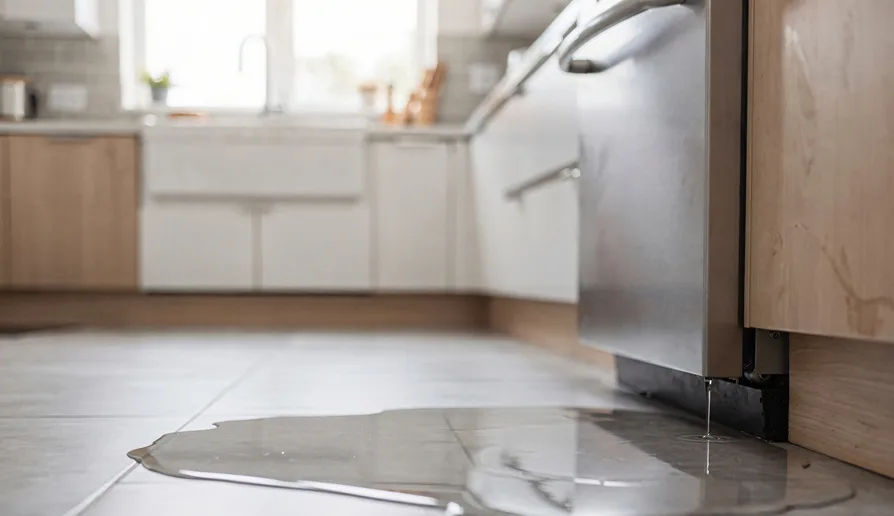
When your dishwasher leaks from the bottom, the problem may be with a damaged spray arm, bad door seal, water supply line leak, leaky drain hose or bad water seal on the bottom of the dishwasher tub.
Checking these issues will likely help you find and fix the cause of the leak.
We’ll help you take a look at these common causes of dishwasher leaks to help you can get your dishwasher back in working order.
KEY TAKEAWAYS
This video covers the most common causes of dishwasher leaks from the bottom of a dishwasher.
Following the troubleshooting steps in this video will likely help you find the cause of the leak.
Here are additional tips about finding and fixing the 5 most common reasons why your dishwasher is leaking from the bottom.

Believe it or not, a cracked, blocked or damaged spray arm is the most common cause of dishwasher leaks from the bottom of the dishwasher.
When a spray arm isn’t rotating and it’s spraying water abnormally inside the dishwasher, it often creates a wave action inside the dishwasher tub. That wave action will slosh water over the front lip of the tub and water leaks out of the bottom of the door.
This first troubleshooting step to find and fix a dishwasher leak is the easiest to complete.
Open the dishwasher door and examine the spray arms. Replace a spray arm if it’s cracked or damaged.
Take care when loading dishes not to block spray arms which can cause the same type of leak.

A cracked, loose or damaged door seal will also cause the dishwasher to leak from the bottom of the door.
Carefully examine the door seal. If you see tears or pieces of the door seal missing, replace it. Here's a video that shows you how.
If you need to have a Sears Home Services technician replace the door seal for your, schedule dishwasher repair service.

When you don’t find the source of the leak by examining the spray arm and door seal, follow these steps to check the water supply underneath the dishwasher:
Check the water supply line connection at the front of the dishwasher first. If you find that connection leaking, tighten the fitting to see if that stops the leak.
If that connection continues to leak after tightening the fitting, shut off the water supply and place a towel under the water supply line connection. Disconnect the water supply line and replace the water line connection seal.
If the water line connection isn’t leaking, check the water line and replace that water line if it leaks.

Check the drain hose connection to the drain pump for drips or other evidence of leaking such as a water trail or water stains. Reconnect the drain line if it’s loose.
Replace the drain hose if it’s cracked or damaged and is leaking.
Schedule dishwasher repair service if you need to have a technician replace the drain hose for you.

If the drain hose isn't leaking, use a flashlight to look under the dishwasher for evidence of leaks.
You may see the water dripping or a water trail indicating the location of the leak. If you find the source of the leak, replace the leaking seal or component.
If you aren’t able to find the cause of the leak with the dishwasher still under the counter, you’ll need to pull it out as shown in the video at the top of this article.
Check for water trails or other evidence of leaking from the bottom components.
A common source for dishwasher leaks if the water seals under the heating element. Replace the heating element if its water seals are leaking.
Here’s a video that shows how to replace the heating element:
Have a service technician replace the heating element if you can’t replace it yourself.
The seal on the diverter motor is another common source of dishwasher leaks. Replace the diverter motor if it leaks.
Here’s a video that shows how to replace the diverter motor:
If you’re not completely confident that you can safely replace the diverter motor yourself, schedule appliance repair to have a service technician replace the part.

If you don’t see a water trail or evidence of leaks, set the dishwasher upright.
Follow these steps to check for the source of the dishwasher leak:
You'll likely find the source of the leak using this process.
Use a wet/dry shop vacuum to remove the water from the dishwasher once you find the source of the leak.
Replace the leaking component or water seal.

If you still can’t find the leak, then the faulty component may only leak when the pump sprays water.
Have a Sears Home Services technician examine the dishwasher and find this leak because the technician will likely check for leaks with the dishwasher running and with wiring and electrical components exposed.
Only a service technician should run the dishwasher in this condition because exposed wiring and components are an electrocution risk.
With extensive experience, our technicians are skilled in repairing dishwashers of all makes and models, ensuring sparkling clean dishes with every cycle.
Loading scheduler options...
Learn what a dishwasher turbidity sensor is, how it measures water clarity to adjust cycles, and what to do when it fails. Expert repair help from Sears.
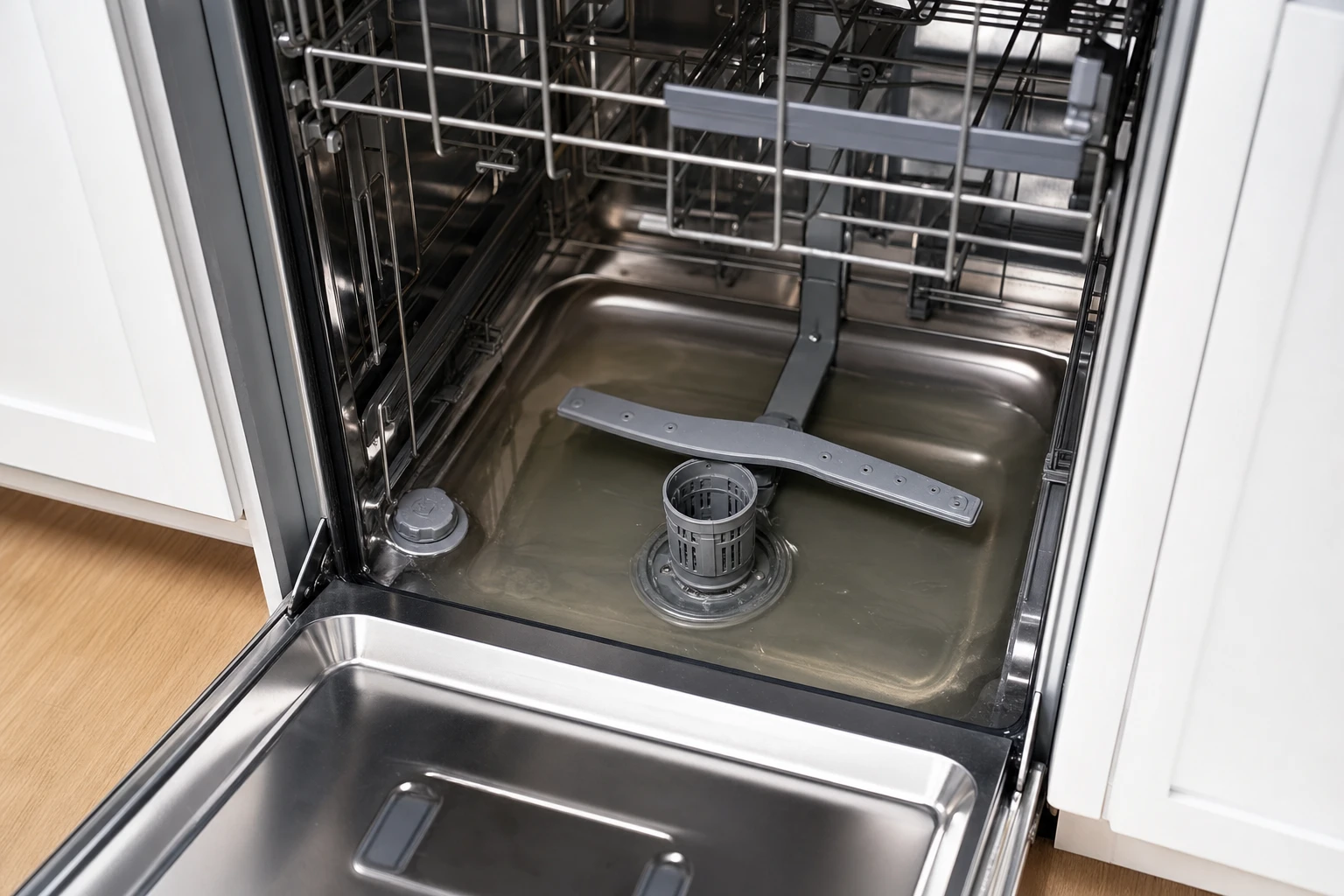
Learn how to drain a dishwasher with standing water in 6 easy steps. Fix clogs, clean the filter, and know when to call a pro for expert repair.
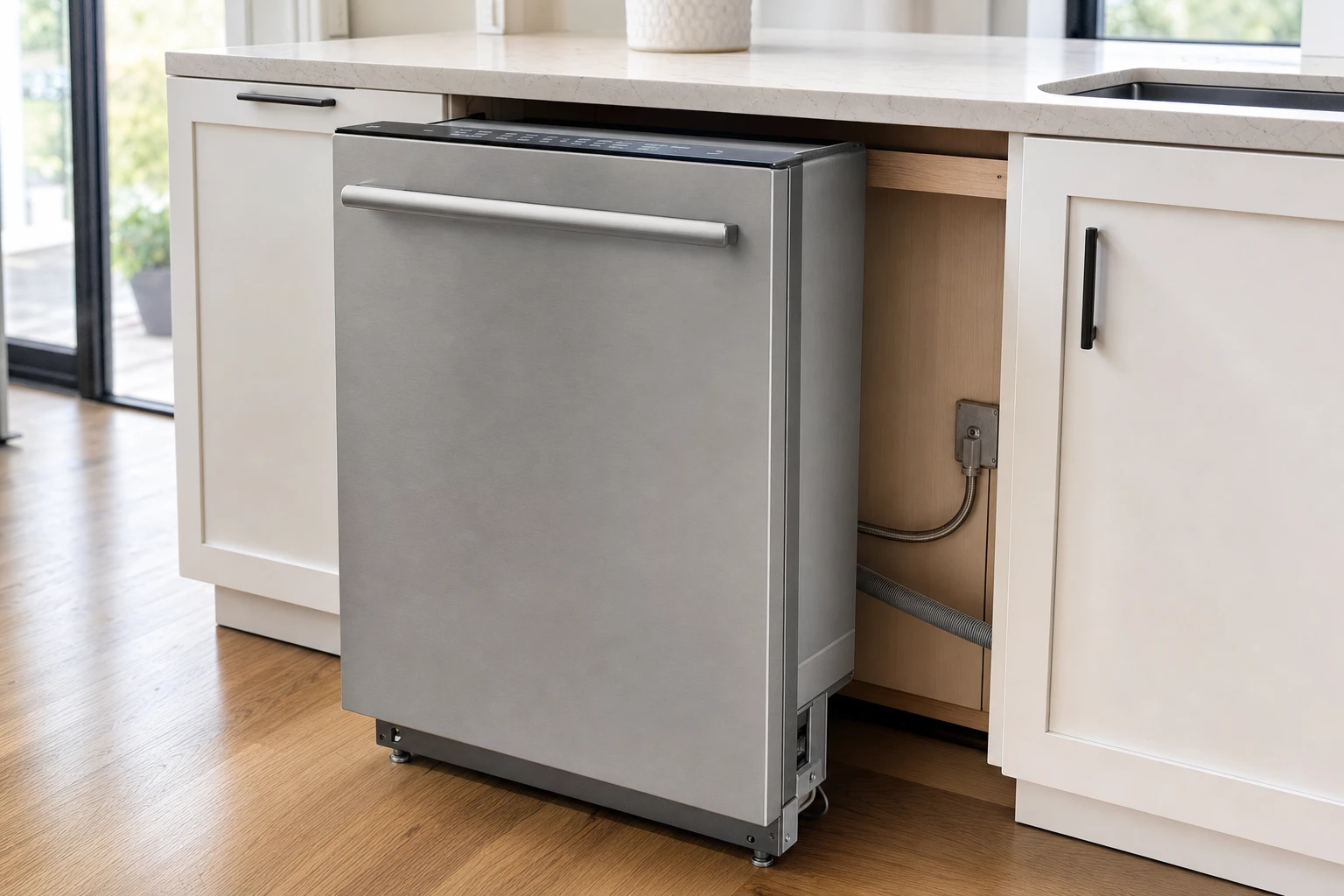
Learn how to replace a dishwasher safely in 2026. Step-by-step removal, hookup, and install tips—plus when to call a manufacturer-trained technician.

Find out why your dishwasher is stopping mid-cycle and how to fix common problems that cause this symptom.
A dishwasher basket is a removable container designed to securely hold small items like cutlery and utensils during the wash cycle, ensuring efficient cleaning without loss or damage.
A dishwasher end panel is a finishing piece installed on the exposed side of a dishwasher, primarily when it is at the end of kitchen cabinetry, to ensure a seamless and aesthetically pleasing look in the kitchen.
A dishwasher diverter motor controls the direction of water flow to different spray arms within the dishwasher, ensuring optimal water distribution during each wash cycle for thorough cleaning.
A dishwasher drawer is a compact, space-saving kitchen appliance designed to clean dishes efficiently, resembling a standard kitchen drawer that slides out for easy loading and unloading.
The most common reasons your Frigidaire dishwasher won't start a cycle are a defective electronic control board, damaged power supply board or a failed door switch.
The most common reasons your Amana dishwasher won't drain are a failed drain pump, faulty pump and motor assembly or a cracked drain hose.
The most common reasons your Bosch dishwasher has no heat are a defective electronic control board, clogged water valve or a broken detergent dispenser.
The most common reasons your Electrolux dishwasher is not heating are a defective electronic control board, faulty pump and motor assembly or a damaged user interface control.
The most common reasons your Kenmore dishwasher is not washing are a faulty pump and motor assembly, defective electronic control board or a clogged spray arm.
The most common reasons your Kenmore Elite dishwasher is not washing are a faulty pump and motor assembly, defective electronic control board or a clogged spray arm.