 Appointment Lookup
 213-596-2538
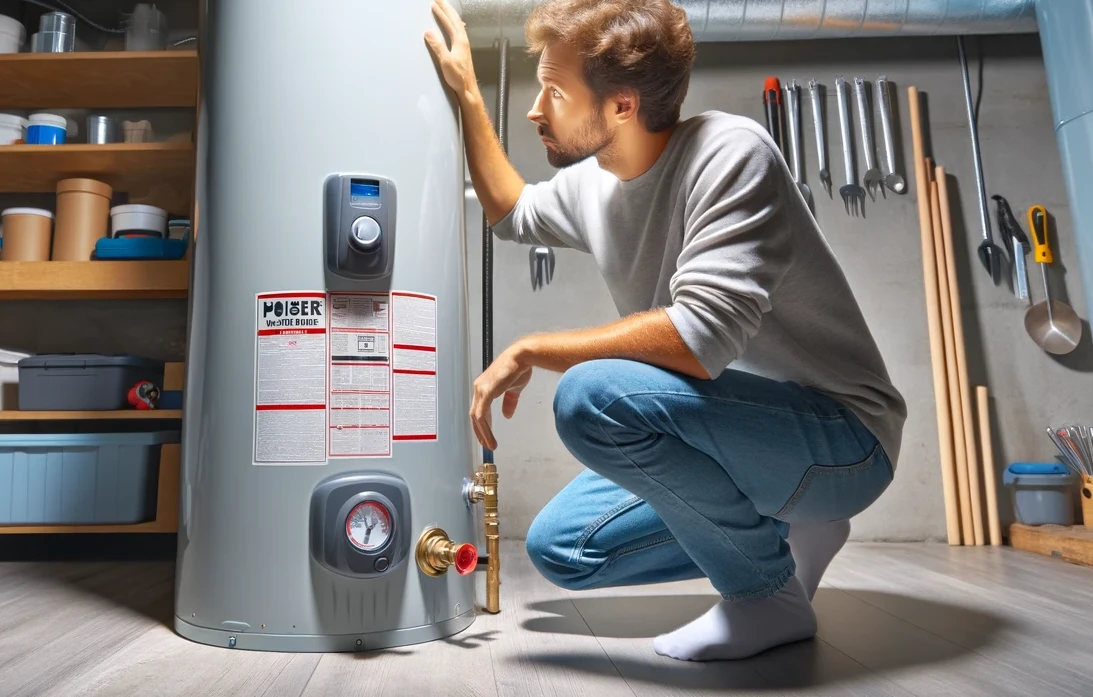
Discover the average life of a water heater at Sears Home Services.
First Things to Check
Common Causes for No Hot Water (Gas Water Heaters)
Common Causes for Not Hot Water (Electric Water Heaters)
Issues That Affect All Water Heaters
Why Is There No Hot Water in My Shower Only?
No Hot Water in Your Apartment?
How Long Does It Take for Hot Water to Return?
Step-by-Step Troubleshooting Guide
When to Call a Professional Immediately
Conclusion
Frequently Asked Questions
Discovering you have no hot water can instantly derail your day—a cold shower, no dishes, no laundry. It’s frustrating, inconvenient, and often alarming. The good news?
Most common reasons for no hot water in the house are typically diagnosable and fixable.
This guide is designed to get you answers fast. We’ll walk through the most likely causes, what you can safely check yourself, and when it’s time to call for professional help.
With decades of experience servicing water heaters nationwide, Sears Home Services has helped millions of homeowners restore hot water quickly—and we’ll help you do the same.
KEY TAKEAWAYS
Before assuming the worst, take a few minutes to rule out the fastest, simplest causes.
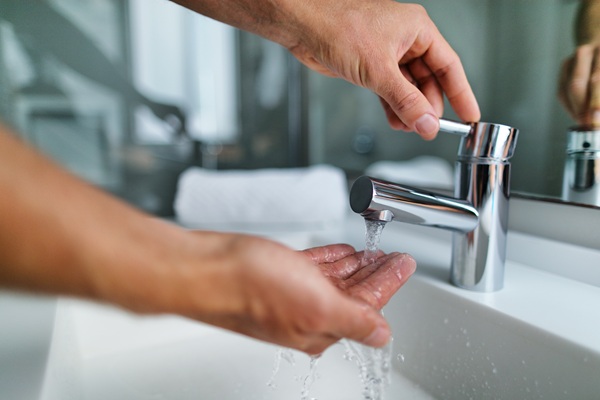
Check for hot water at all your home’s faucets. If only one fixture has cold water, the issue is likely localized—not the water heater.

Did someone use all the hot water? After heavy use, tank water heaters need recovery time.
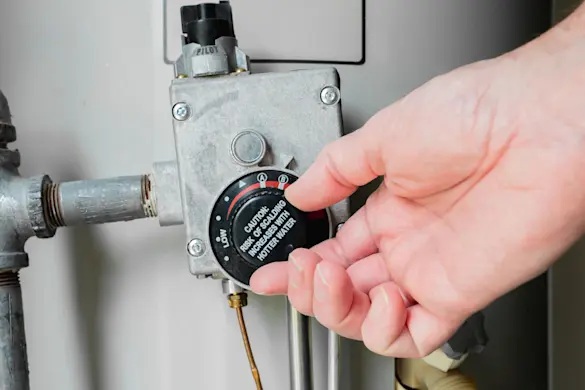
Is it powered on? Any blinking lights, error codes, or warning indicators?
For more diagnostic tips, see our complete guide to water heater troubleshooting.
The pilot light ignites the burner to heat water in the tank.
How to check:
Look through the viewing window or check the status light.
What to do:
Follow the manufacturer’s relighting instructions carefully.
Here’s an example of pilot relighting instructions for a common type of water heater:
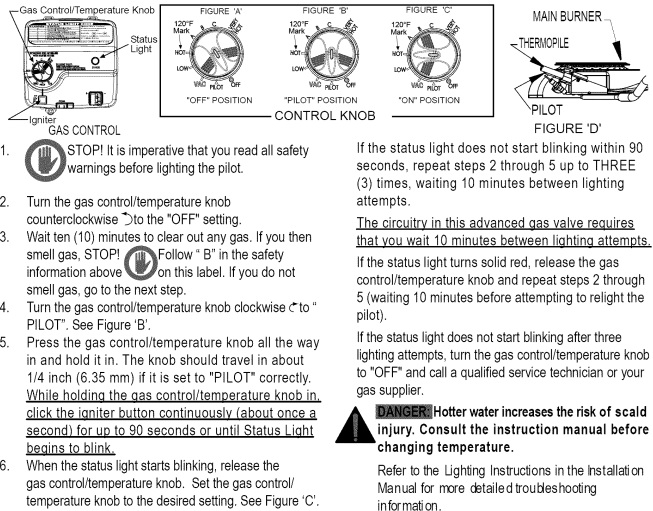
Follow the pilot relighting instructions in the owner’s manual specific for your water heater model.
If the pilot won’t stay lit, the problem often points to a failing thermocouple.
If the gas valve is off—or failing—your water heater won’t heat.
• Make sure the valve is fully in the ON position
• Check if other gas appliances are working
• If none work, there may be a gas supply issue
The thermocouple is a safety sensor that detects whether the pilot flame is burning.
Signs of failure:
• Pilot light goes out repeatedly
• Water heater won’t stay running
This component typically requires professional replacement.
Sometimes the issue isn’t the water heater at all.
• Check for utility outages
• Confirm your gas valve is fully open
• Call your gas provider if multiple appliances aren’t working
Safety Warning:
If you smell gas, leave immediately and call your gas company from outside. Do not flip switches or use electronics indoors.
Follow the steps in this comprehensive DIY troubleshooting video to find and fix the cause of not hot water from an electric water heater:
Safety Warning:
If you’re not completely confident that you can safely complete the troubleshooting steps in this DIY video on your own, schedule repair service to have a professional fix the hot water issues.
Electric water heaters draw significant electrical power. A weak circuit breaker or short circuit in a switch or heating element can cause the breaker to trip.
What to do:
• Locate your breaker panel
• Flip the breaker fully OFF, then back ON to reset it
If the breaker trips again, stop—this signals an electrical malfunction in the circuit breaker or a short circuit in water heater wiring or a component. Schedule professional repair service to fix the breaker or water heater.
This safety device shuts down the system if water overheats.
What to do:
• Shut off the house circuit breaker for the water heater.
• Remove the upper thermostat cover.
• Press the red reset button the thermostat to reset the high-temperature limit switch.
You can reset it once—but repeated trips indicate a deeper problem requiring professional diagnosis.
Electric water heaters use upper and lower heating elements.
• Upper element failure = no hot water at all
• Lower element failure = limited or lukewarm water
Heating element replacement is a common repair that you may be able to safely complete on your own by following the steps in this DIY video:
Safety Warning:
If you’re not completely confident that you can safely complete this DIY repair on your own, schedule repair service to have a professional replace the water heater heating element.
Electric units have two thermostats—one for each heating element.
What to do:
• Shut off the house circuit breaker for the water heater.
• Remove the upper element access panel
• Check that the thermostat setting is near 120°F
• Press the red high-limit reset button in case that switch tripped
If this basic troubleshooting doesn’t resolve the electric water heating failure, schedule water heater repair service through Sears Home Services and we’ll send a technician to your home to fix the problem.
Signs of a leaking water heater tank include:
• Water pooling under the water heater
• Discolored or rusty hot water
• Musty smells coming from around your water heater
Shut off the water supply going to the water heater as soon as you detect a leaky water tank.
Even small leaks can worsen quickly. In many cases, a leaking tank almost always means you’ll need a new water heater, especially if the unit is over 10–12 years old. (Leaking water heater tanks typically can’t be repaired by a plumber or repair technician.)
The cost to replace a gas water heater or even an electric water heater can be significant. Planning for replacement as soon as a leak appears often gives you a little time to compare options, budget appropriately, and avoid the higher costs that often come with emergency water heater failure.
Minerals settle at the bottom of the tank over time.
Symptoms:
• Rumbling or popping sounds
• Slow water heating recovery
• Water not getting hot
Annual flushing and regular maintenance helps prevent buildup. Severe cases may require professional service.
Learn more about water heater maintenance.
If your household has grown, your hot water tank may no longer be large enough to meet your household’s demand.
Keep in mind that tank capacity is not the only factor when choosing the right water heater for your home. You should also consider heat input.
Here’s a general guide for proper water heater sizing and heat input:

If your current water heater can’t keep up with your household’s needs, consider upgrading to a larger tank with more heat input, installing a tankless water heater for on demand hot water supply, or staggering hot water usage.
Most tank water heaters last 8–12 years.
Frequent breakdowns, rust, or inconsistent heating often signal it’s time to consider replacement.
In winter, incoming water is colder, increasing recovery time.
Quick fixes include:
• Insulating exposed pipes
• Slightly increasing thermostat temperature
This issue often resolves when temperatures rise.
If only your shower has cold water, your water heater is likely fine.
Common causes include:
• Faulty shower cartridge
• Mixing valve malfunction or clog
• Heat loss due to long pipe runs
Pipe insulation or a recirculating pump may help in homes where the shower is far from the water heater.
Apartment buildings often use shared water heating systems.
What you can do:
• Check other faucets in your unit
• Check your breaker panel if applicable
• Contact your landlord or property manager immediately
Hot water is typically required by housing codes, so document the issue and request prompt repair.
Recovery time depends on your type of water heating system:
• Gas water heater: 30–40 minutes
• Electric water heater: 60–80 minutes
• Tankless water heater: No recovery time
If you’re waiting longer for hot water recovery, a water heater malfunction is likely.
If water heating problems persist—or you see leaks or smell gas—it’s definitely time to call a professional.
Call for service immediately if you notice:
• Gas odors
• Major leaks
• Electrical issues
• No improvement after troubleshooting
Typical water heater repair costs:
| Repair Type | Estimated Cost |
|---|---|
| Thermostat replacement | $150–$300 |
| Heating element replacement | $150–$350 |
| Thermocouple replacement | $100–$250 |
| Pilot assembly | $150–$300 |
| Full replacement | $800–$2,500+ |
Costs vary by location—these are general estimates.
With factory-trained technicians, same-day availability in many areas, and nationwide coverage, Sears Home Services makes it easy to schedule reliable water heater repair service.
Most water heater issues are solvable—and many can be diagnosed quickly with the right approach.
Acting fast matters, because small issues often turn into expensive repairs when ignored.
Routine maintenance, like annual flushing, helps prevent many of these problems before they start.
When DIY fixes don’t work, Sears Home Services is ready to help with expert water heater repair service and even home warranty plans for long-term peace of mind.
Our technicians possess the knowledge and training to fix your water heater, no matter where you bought it.
Loading scheduler options...
Discover the average life of a water heater at Sears Home Services.

Learn how a pressure relief valve works in a water heater.

We'll show you how to troubleshoot the top 5 most common water heater problems.

Learn how a gas water heater works and how to maintain it.
Hard water is water that contains high levels of dissolved minerals, particularly calcium and magnesium. It contrasts with soft water, which has lower concentrations of these minerals.
A thermocouple is a sensor used for measuring temperature, consisting of two different metal wires joined at one end, which generate a voltage proportional to temperature changes.
A K-type thermocouple is a sensor used for temperature measurement, consisting of two dissimilar metal wires that generate a voltage proportional to temperature changes, widely recognized for its accuracy and wide temperature range.
A heat pump water heater is an energy-efficient appliance that uses electricity to move heat from the air or ground into water, rather than generating heat directly.
When your Payne central air conditioner won’t turn on or isn’t cooling, check for power problems, a failed capacitor, or a clogged condensate drain. This guide covers quick, safe troubleshooting steps and explains when to call Sears Home Services for expert central AC repair.
When your ICP central air conditioner won’t turn on or isn’t cooling, check for power problems, a failed capacitor, or a clogged condensate drain. This guide covers quick, safe troubleshooting steps and explains when to call Sears Home Services for expert central AC repair.
When your Heil central air conditioner won’t turn on or isn’t cooling, check for power problems, a failed capacitor, or a clogged condensate drain. This guide covers quick, safe troubleshooting steps and explains when to call Sears Home Services for expert central AC repair.
When your Carrier central air conditioner won’t turn on or isn’t cooling, check for power problems, a failed capacitor, or a clogged condensate drain. This guide covers quick, safe troubleshooting steps and explains when to call Sears Home Services for expert central AC repair.
When your Comfortmaker central air conditioner won’t turn on or isn’t cooling, check for power problems, a failed capacitor, or a clogged condensate drain. This guide covers quick, safe troubleshooting steps and explains when to call Sears Home Services for expert central AC repair.
When your Ruud central air conditioner won’t turn on or isn’t cooling, check for power problems, a failed capacitor, or a clogged condensate drain. This guide covers quick, safe troubleshooting steps and explains when to call Sears Home Services for expert central AC repair.