 Appointment Lookup
 213-596-2538

Learn how a tankless water heater works and whether it’s right for your home.
Is your water heater underperforming due to sediment buildup?
Over time, minerals and debris accumulate, not only impacting performance but also reducing lifespan. The chilling effect of a sudden cold shower is more than just an inconvenience; it's a clear sign that action is needed. Learn to recognize the signs of buildup, effectively remove sediment from your water heater, and prevent future buildup to ensure you always have a consistent flow of hot water when you need it most.
KEY TAKEAWAYS
Sediment buildup can impair the performance of your water heater. Knowing why sediment accumulates, how it affects your appliance, and the importance of routinely clearing it out can help prolong the life of your water heater while allowing it to operate efficiently.
Sediment buildup occurs when minerals like calcium and magnesium from your water supply settle at the bottom of your water heater tank. This issue is more prevalent in areas with hard water, known for its higher mineral content.
Sediment reduces the available hot water storage space, leading to a quicker depletion of your hot water supply. It also insulates the heating element from the water, decreasing the heater's efficiency and increasing energy use. It can also cause loud noises during the heater's operation.
Removing sediment regularly is important for maintaining your water heater's optimal performance. This maintenance improves efficiency, prevents frequent breakdowns, lowers energy costs, and extends the heater's lifespan. You should drain your water heater annually or as recommended by the manufacturer to clear sediment buildup.
Spotting sediment buildup early is key to keeping your water heater running smoothly and efficiently. Here's how to recognize the telltale signs of sediment accumulation and the necessary steps to address it.
A clear indicator of sediment buildup is noise. If your water heater starts making rumbling or popping sounds, it's likely that sediment has settled at the bottom of the tank, creating disruptive bubbles as the water heats.
When you notice a decrease in hot water availability, it's often a sign that sediment is taking up space in your tank. This reduction can affect your daily hot water usage.
If it takes longer than usual for your water heater to heat up water, sediment might be insulating the heating element from the water, thereby prolonging the heating process.
Detecting any of these signs early is crucial. Addressing sediment buildup promptly through professional cleaning or learning to flush your tank yourself can drastically improve your water heater's efficiency and extend its operational life. Regular maintenance is not just a recommendation; it's a necessity for optimal performance and longevity.
Ensuring your water heater is free of sediment is key to its efficiency and longevity. Here are several effective options you can consider to achieve this:
Consider enlisting professional services for a comprehensive tank flush. This option involves experts using advanced techniques and equipment to remove sediment thoroughly, ensuring your water heater operates at peak efficiency.
For stubborn sediment deposits, a wet/dry vacuum can be employed. This method allows for direct removal of sediment through the drain valve, offering a more targeted approach than traditional draining.
Chemical descaling solutions are available for those facing severe sediment buildup. These chemicals dissolve the sediment, making it easier to flush out of the system. It's important to use these products according to the manufacturer's instructions to avoid damage to your water heater.
Signing up for regular maintenance services can prevent sediment from accumulating to problematic levels. These services often include periodic inspections and cleaning, helping to extend the lifespan and enhance the performance of your water heater.
By understanding and considering these options, you can choose the best method to keep your water heater in optimal condition, free from disruptive sediment buildup.
Ready to take control of your home maintenance?
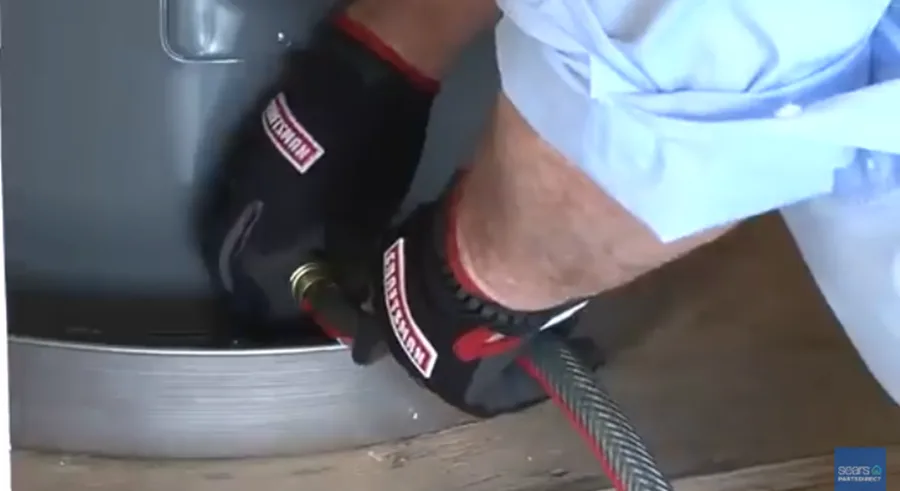
Draining your water heater is a key DIY skill that can prevent sediment buildup, enhance efficiency, and extend the lifespan of your appliance.
Follow this detailed, step-by-step video to drain the water heater tank and remove sediment:
Start with these important safety steps:
With preparations complete, you're ready to drain the tank:
Final steps to wrap up the draining process:
These DIY steps help you maintain the optimal performance of your water heater. Performing this simple task today will boost your water heater's efficiency and extend its lifespan.
Maximize the performance and extend the service life of your water heater with proactive maintenance strategies. Here are some effective tips to prevent sediment from building up and compromising your system:
Take charge of your water heater's health by draining and flushing the tank at least once a year. This routine cleaning removes sediment and maintains optimal performance. It’s a straightforward process that can save you from future headaches and costly repairs.
Optimize your water heater's temperature settings to prevent excessive sediment buildup. High temperatures can accelerate mineral deposition, so maintaining a moderate setting, ideally around 120 degrees Fahrenheit, helps mitigate this issue while ensuring your water remains hot enough for daily use.
Install sediment filters on your water supply line to catch particles before they can settle in your tank. These filters are effective in reducing sediment buildup, thereby enhancing the longevity and efficiency of your water heater.
Combat hard water issues by installing a water softener. This device will remove minerals like calcium and magnesium from your water before they reach your heater, reducing the likelihood of sediment accumulation.
Enlist the help of professionals for an annual inspection and deep cleaning of your water heater. Expert technicians can thoroughly clean your system, identify minor issues before they escalate, and ensure that your unit is running as efficiently as possible.
Embracing these preventive measures will not only keep your water heater in excellent condition but also optimize its performance and durability. Start implementing these tips today to protect your investment and enjoy the benefits of a well-maintained water heater.
Regular maintenance and diligent care are key to keeping your water heater performing at its best, preventing inconvenient breakdowns and ensuring efficient operation. Don't let sediment buildup diminish the lifespan of your appliance. By implementing the steps outlined, you can maintain a smoothly running water heater.
Loading scheduler options...
Learn how a tankless water heater works and whether it’s right for your home.

Learn how to remove sediment from a water heater with our step-by-step guide.

Learn how to clean and descale a tankless water heater with our comprehensive guide.

Discover the best way to clean the thermocouple on your water heater with step-by-step instructions from Sears Home Services.
Hard water is water that contains high levels of dissolved minerals, particularly calcium and magnesium. It contrasts with soft water, which has lower concentrations of these minerals.
A thermocouple is a sensor used for measuring temperature, consisting of two different metal wires joined at one end, which generate a voltage proportional to temperature changes.
A K-type thermocouple is a sensor used for temperature measurement, consisting of two dissimilar metal wires that generate a voltage proportional to temperature changes, widely recognized for its accuracy and wide temperature range.
A heat pump water heater is an energy-efficient appliance that uses electricity to move heat from the air or ground into water, rather than generating heat directly.
When your Payne central air conditioner won’t turn on or isn’t cooling, check for power problems, a failed capacitor, or a clogged condensate drain. This guide covers quick, safe troubleshooting steps and explains when to call Sears Home Services for expert central AC repair.
When your ICP central air conditioner won’t turn on or isn’t cooling, check for power problems, a failed capacitor, or a clogged condensate drain. This guide covers quick, safe troubleshooting steps and explains when to call Sears Home Services for expert central AC repair.
When your Heil central air conditioner won’t turn on or isn’t cooling, check for power problems, a failed capacitor, or a clogged condensate drain. This guide covers quick, safe troubleshooting steps and explains when to call Sears Home Services for expert central AC repair.
When your Carrier central air conditioner won’t turn on or isn’t cooling, check for power problems, a failed capacitor, or a clogged condensate drain. This guide covers quick, safe troubleshooting steps and explains when to call Sears Home Services for expert central AC repair.
When your Comfortmaker central air conditioner won’t turn on or isn’t cooling, check for power problems, a failed capacitor, or a clogged condensate drain. This guide covers quick, safe troubleshooting steps and explains when to call Sears Home Services for expert central AC repair.
When your Ruud central air conditioner won’t turn on or isn’t cooling, check for power problems, a failed capacitor, or a clogged condensate drain. This guide covers quick, safe troubleshooting steps and explains when to call Sears Home Services for expert central AC repair.